Facility Management · Tree care and arborist services
HR for Tree Care and Arborist Services: Climbers, Crews and Risk
A tree care business prunes, fells and manages trees for housing societies, campuses, roads and farms. When the best two climbers carry most jobs, one injury or resignation can stop the business, so passing on skill is urgent.
Make this work for your business. Share your team size, priorities and what you need help with. We’ll use your brief to prepare for the first conversation.
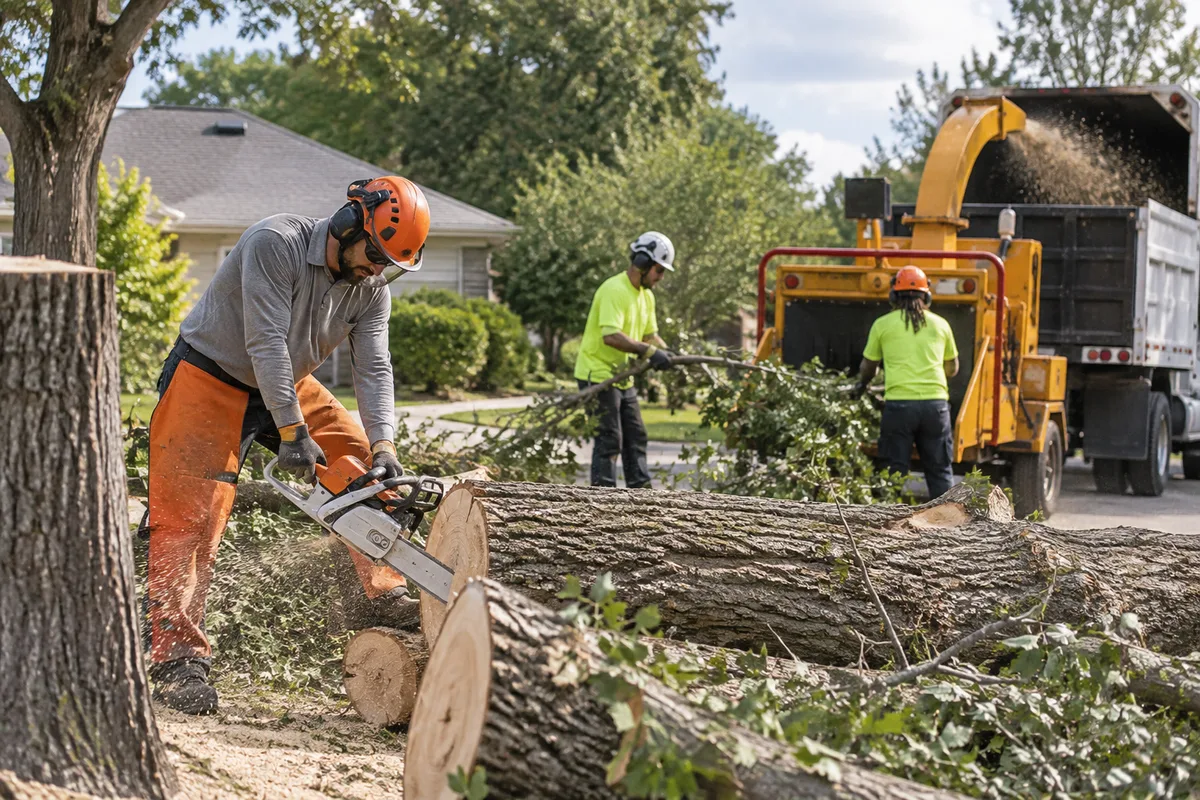
A tree care and arborist business prunes overgrown branches, removes dead or dangerous trees, trims street and campus trees and clears fallen timber after storms. Customers are housing societies, schools, companies, builders, municipal bodies and individual owners, and some jobs need local permission before a tree can be touched. Crews of climbers, ground hands and a driver work with saws, ropes and a vehicle, and a single poor decision can injure someone or bring a branch down on property. Demand peaks before and after the monsoon and after storms, with emergency calls at odd hours. The skills are learnt on the job, from older hands. See also HR for facility management.
Plan→
Hire→
Onboard→
Manage→
Develop→
Perform→
Engage→
Retain→
Exit→
Improve
When HR is weak in tree care and arborist services, you may see
A few climbers carry the business
Knowledge passes by watching
Emergency calls break the roster
Injuries are serious
Ground crews are treated as casual
Permission and paperwork delay jobs
Weather and season decide pay
Equipment ages unchecked
These are the places the people side of this kind of business tends to give way. The rest of this page works through them.
Why GullyHR for tree care and arborist services
Climbers who pass on skill before the next injury.
For owners whose business rests on a few experienced climbers. What changes: graded skills, a written rescue plan, planned pairing of old and new hands and an emergency rota.
01
Climbers graded by what they have shown
A written grade shows who can lead a job, who can climb under supervision and who stays on the ground, so a job is never given to a climber on reputation.
02
A rescue and drop plan for every job
A short plan names the rescue route, the drop zone and who calls for help, so a poor decision at the top of a tree has a prepared answer.
03
Older and newer climbers paired on purpose
Planned pairing moves skill from the two best climbers to the next three, so one injury or resignation does not stop the business.
04
An emergency rota after storms
A named call-out group, with rest and fair pay agreed in advance, means storm calls at night are answered without breaking the normal roster.
Our services for tree care and arborist services
Start with any one of these. Scope and fee are agreed in writing after a free first conversation.
HR audit
We start by listing every climber and ground hand, with what each can do and who says so. Injury and near-miss notes from the past years are read, with the equipment records, to see if ropes, harnesses and saws were inspected on any schedule. Emergency call-outs are traced to the names that answered them. Permission paperwork for the three largest customers is followed step by step to find delays. A morning on site shows how the crew is briefed, who decides and who is not heard.
What you receive
Climber and ground crew skill register with evidence behind each grade
Equipment inspection gap list for ropes, harnesses and saws
Emergency call-out history showing who answered and when
An example, not a client storySuppose the owner's two best climbers are both unavailable the same week, and a housing society needs a dangerous branch removed. An audit would already have shown who can lead a job, who is close to it and what training would close the gap before the call arrives, so the owner is not guessing.
The job briefing is a short sheet covering the tree, the hazards, the drop zone, the rescue route, who is on the ground and who is called if something goes wrong. The emergency routine names who is called, in what order, how rest and pay work and who decides to stop. Equipment inspection sets dates, a sign-off and a retirement rule for worn gear. The permission steps map who must approve what, in what order, so paperwork does not hold up a job that is otherwise ready to start.
What you receive
Job briefing sheet with rescue route and drop zone
Emergency call-out order with rest and pay rule
Permission steps map for the three largest customers, showing where delays occur
An example, not a client storyPicture a large branch hanging over a school wall after a storm, with the best climber out of reach. Without a call-out order and a rescue plan, the caller waits and the crew improvises. With them, the right people are paged, the plan is read and the job begins safely.
Every week we match crews to jobs using the skill register so the lead climber on a job is one who has shown the skill. Equipment due dates are chased and worn gear is retired on record. The emergency rota is published before storm season and rest is checked after a night out. Permission paperwork is tracked for each large customer. Ground hands are included in briefings, training and recognition, and any near miss is discussed in plain terms at a short meeting, without blame or delay.
What you receive
Weekly crew plan that matches each job to graded climbing skill
Equipment due-date tracker with a written retire-and-replace record
Emergency rota with a rest check after each night call
An example, not a client storySay a storm hits and a string of calls arrives overnight, and the usual rota has two climbers on it. A prepared emergency rota with rest rules and a named group lets the owner answer the urgent calls safely, without exhausting the same people, and the crew knows how it will be paid.
For climbers we ask about training and past work, then set a supervised practical on a suitable tree with a competent assessor watching technique, rope handling and decisions. Crew leaders are asked how they would brief a mixed crew and respond to a near miss. Site assessors are asked to describe the risks in a photographed tree. Ground crew candidates are told the whole picture, including emergency calls. Each candidate is scored on the same sheet, and the senior climber sits in on every final interview.
What you receive
Supervised climbing assessment scored by a senior climber on a marking sheet
Crew leader interview guide on briefing and near-miss response
Site assessor exercise using a photographed tree and a hazard marking sheet
An example, not a client storyTake a firm that must replace a climber who has moved away, with an applicant who talks well but has little to show. A supervised practical and a scorecard would show how he handles a rope, a cut and a decision under pressure before any offer is made, and the senior climber's view is written down.
Climber sessions cover rope and harness checks, rescue practice, drop planning and cutting decisions, repeated on a schedule and recorded. Ground crews are inducted on day one with what they will see and what they must never do near a cut or a chipper. Senior climbers learn how to coach a junior without taking over. Crew leaders practise briefings. Coordinators learn to take emergency calls: what to ask, what to promise and who to page. Records show who has been trained in what and when.
What you receive
Climber rescue and rigging practice plan with recorded sessions
Ground crew day-one induction checklist covering drop zone, chipper and signals
Coaching session for senior climbers on teaching without taking over
An example, not a client storySuppose a ground hand with no induction stands in the drop zone because nobody told him where to stand. A day-one induction with a clear drop-zone rule and a signed checklist would have made it plain, and he would have heard it from a person on the first morning, not by watching.
We draft a climbing and rescue policy that states who may lead, how competence is shown and when work stops. An equipment policy sets inspection, storage and retirement. An emergency call-out policy covers rota, rest and pay. A ground crew policy confirms how people are engaged, inducted and treated, so they are not seen as casual helpers. HR software holds the skill register, equipment dates and acknowledgements. Your own adviser confirms the wording against the permission, safety and employment obligations that apply to your tree care and arborist business.
What you receive
Climbing and rescue policy stating who may lead and when work stops
Emergency call-out and rest policy with pay arrangements
HR system set-up holding skill grades, equipment dates and acknowledgements
An example, not a client storyPicture an insurer asking, after a rope failure, when the equipment was last inspected and who signed it off. A dated inspection record and a written retirement rule would answer the question and show that the firm had a working system before the incident, which is what clients and insurers want to see.
Questions owners of tree care and arborist services ask us
We would grade every climber on what they have shown, then pair senior and junior climbers on purpose so skill moves down. The senior climbers are asked to teach, with time and recognition set aside. Over a season the next three become able to lead. We do not supply contract climbers, so the cover comes from your own permanent team.
A short sheet for each job naming the tree, the hazards, the drop zone, the rescue route, who is on the ground and who calls for help. The climber and crew leader sign before cutting starts. We would write the template with your senior climbers so it fits how you really work. Your own adviser confirms the safety rules that apply where you operate.
We would set up a named emergency rota, published before storm season, with a rest rule after a night call and pay arrangements written down in advance. A second tier of trained hands widens the group over time, so the load is shared more fairly each storm season. Your own adviser confirms what rest and pay treatment is required where you work.
We would give them the same induction, safety briefing, written terms and recognition as other staff, since a ground hand in the drop zone carries real risk. A clear path from ground hand to climber gives people a reason to stay. How each person is engaged is confirmed by your own adviser against the employment rules where you operate.
Who does the work in tree care and arborist services
Roles we help you hire in tree care and arborist services
GullyHR runs talent acquisition for permanent roles in tree care and arborist services. For each role we agree the job description with you, find and screen candidates against it, and support the offer through to joining. Tell us the role and the number of people, and we start there.
We recruit permanent employees. We do not supply contract or temporary staff.
Where HR strains in tree care and arborist services
A few climbers carry the business
Few people can climb and cut safely, and losing one means turning away work or sending an unproven person up.
Knowledge passes by watching
How to read a tree, plan a drop and rig a branch is learnt from an older climber, and when the climber leaves the knowledge goes too.
Emergency calls break the roster
A fallen tree after a storm needs a crew immediately, at night, and the next day's planned work still has to be done.
Injuries are serious
Falling branches, saws and ropes cause grave harm, and informal practices on the ground are a daily risk.
Ground crews are treated as casual
Helpers who drag and chip branches are hired by the day with little induction, and are exposed to the same hazards.
Permission and paperwork delay jobs
Some work needs approval before it starts, and crews are left waiting or tempted to proceed without it.
Weather and season decide pay
Wet and windy days stop climbing, and earnings swing, which pushes the best climbers towards steadier employers.
Equipment ages unchecked
Ropes, harnesses and saw chains wear out, and no one is responsible for retiring them before they fail.
HR topics for tree care and arborist services
Start with the topics that matter most here: Health, Safety and Wellbeing; Learning and Development; Career and Succession Management. Then work through the rest. Each topic is written for facility management, not in general.
The pieces a tree care and arborist services business puts in place, in an order that makes each easier. Open any card for the detail.
Grade climbers by what they have shown
A ladder from ground hand to climber to crew leader, based on observed skill and supervised jobs, and not on years claimed.
What this coversHide
A ladder from ground hand to climber to crew leader, based on observed skill and supervised jobs, and not on years claimed. The role design work builds it.
Write down the rescue and drop plan
A short plan for each job covering the cut, the drop zone, the rescue method and who is on the ground, briefed before anyone climbs.
What this coversHide
A short plan for each job covering the cut, the drop zone, the rescue method and who is on the ground, briefed before anyone climbs. The health, safety and wellbeing work covers the habit.
Pair older and newer climbers on purpose
A planned apprenticeship with a named mentor and a record of what each learner has been shown, so knowledge is passed on before the elder retires.
What this coversHide
A planned apprenticeship with a named mentor and a record of what each learner has been shown, so knowledge is passed on before the elder retires. The learning and development process can structure it.
Run an emergency rota
A fair on-call list with agreed extra pay and rest after a night call-out.
What this coversHide
A fair on-call list with agreed extra pay and rest after a night call-out. The attendance and shift process holds it.
Induct ground crew properly
A first-day briefing, personal protective gear and a short check on how to work around the saw and chipper, whatever the contract type.
What this coversHide
A first-day briefing, personal protective gear and a short check on how to work around the saw and chipper, whatever the contract type.
Track equipment life
A register for ropes, harnesses and saws with a person responsible for inspection and retirement.
What this coversHide
A register for ropes, harnesses and saws with a person responsible for inspection and retirement.
List the climbers who can lead a job alone and the ones who cannot.
Write down what a new ground hand is told on the first day.
Count the emergency call-outs of the last year and who answered them.
Check when each rope and harness was last inspected.
Ask your most senior climber what they would teach three juniors if they had a month.
Look at the permission steps for your three largest customers and where the delays occur.
Confirm with a qualified professional the permission, safety and employment obligations that apply to your tree care and arborist business.
Confirm with a qualified professional. What applies to you depends on your business, your state and your arrangements, and it changes. This page describes practice. It does not state a legal position.
Housekeeping, technician and security staff at client sites leave for reasons head office rarely hears. How to ask, what to look for and how to act on it.
A shift, weekly and monthly safety routine for rubber plants that names who checks platen guards, mill trip bars, autoclave doors, burst-test cages and slings, and who acts on near misses.
A founder's guide to hiring freshers and running a first-year programme: campus or open drives, a screening round, a training plan by quarter, mentors and checkpoints.
Pay fairly across lean weeks, give them a path to crew leader, treat emergency work properly and look after their safety. The best climbers can choose where they work.
Start on the ground, move to low, supervised cuts and progress against a written list of skills, with a mentor who signs each step.
Use a rota, pay a known extra rate, and give rest the next day. Improvised calls to the same two people lead to exhaustion and exits.
The hazards around the saw, chipper and falling branches, where to stand, what protective gear to wear and who to ask. A short check afterwards confirms it was understood.
A named person, with a register and a schedule. Shared responsibility means no responsibility.
A first talk would cover which climbers can lead a job alone, how your most senior climber could teach juniors, and when each rope and harness was last inspected. A sensible opening piece of work is climber grading with a written rescue and drop plan. We then agree scope in writing before starting.
Tell us your industry, team size and the issue you want to address. Bring one example of where work gets delayed or ownership is unclear, and the deadline or decision you are working towards.