


















Industries
Why NGO and social enterprise employees leave and how to understand why
Staff at NGOs and social enterprises leave for funding, field and workload reasons as well as pay. How to understand why, listen early and act.
7 min readRead articleA temple runs on a daily ritual calendar that cannot slip, a small permanent staff, and festival days when the crowd and the workload jump overnight. The people issues are rotas, honoraria and who does what on the big day.

Not sure what you need? Tell us about your business in six short steps and we will come to the first meeting prepared.
Share your requirementsA temple has fixed hours that begin before dawn and a ritual schedule that does not move for anyone's convenience. A small permanent team of priests, cooks, flower and garland workers, counter staff, cleaners and security keeps it going, and a larger group of volunteers helps on busy days. Pay is often a mix of salary, honorarium and a share of offerings, which makes fairness hard to explain. Festival days can multiply the crowd many times over with the same few people. The trustees or the executive officer carry all of this, usually without an HR person. See also HR for NGOs and social enterprises.
These are the places the people side of this kind of business tends to give way. The rest of this page works through them.
HR here has to work for each of these groups, not only the office. The set-up below is written with all of them in mind.
If the person who opens the sanctum at dawn is absent, the whole day shifts. Most roles have no trained second person.
Salary, honorarium, offerings share and festival gifts sit side by side, so people compare and feel treated unfairly.
The same permanent team is stretched across extra queues, kitchens and decoration, with volunteers who have never done the task.
Devotees give time generously, but no one notes who was trained, who holds keys or who handled donations.
Some posts pass within families, so a capable newcomer has no route in and an unsuitable successor is hard to question.
A decision at the board meeting about leave, pay or a new post has no one to turn it into a written rule.
Start with the topics that matter most here: Employee Administration; Compensation, Payroll and Benefits; HR Operations and Governance. Then work through the rest. Each topic is written for ngos and social enterprises, not in general.
Records, attendance, leave and the day-to-day HR that must simply work.
Salary structure, payroll inputs and a month that closes on time.
An HR function that runs the same way every month.
How many people, in which roles, by when — and what they will cost.
Structure, reporting lines and who is allowed to decide what.
Requisition to joining, the same way every time.
A first day that is the same for the fifth joiner as the first.
Goals, reviews and ratings that hold up in a conversation.
Training planned from need rather than from the calendar.
Named backups for the roles that cannot be vacant.
Communication, recognition and the conditions people actually work in.
Two routes — one for complaints, one for conduct — kept separate.
Policies a manager can apply, and obligations with owners and dates.
Induction, records, incident reporting and follow-through.
Who leaves, when, why — and which of them mattered.
Resignation to relieving letter, in a defined order.
Records that survive people, and approvals that do not queue.
A short monthly pack management actually reads.
The pieces a temples business puts in place, in an order that makes each easier. Open any card for the detail.
Each ritual, the person responsible and a named second person.
What this coversHideEach ritual, the person responsible and a named second person. The attendance, shift and leave process turns this into a record.
Salary, honorarium and any share are listed per role with the reason for each.
What this coversHideSalary, honorarium and any share are listed per role with the reason for each. The compensation and rewards strategy work sets the logic.
A task list per queue, kitchen and gate, with a lead for each and a briefing day for volunteers.
What this coversHideA task list per queue, kitchen and gate, with a lead for each and a briefing day for volunteers.
Name, task, training given, and whether they hold keys or handle cash, kept by one coordinator.
What this coversHideName, task, training given, and whether they hold keys or handle cash, kept by one coordinator.
An apprenticeship step beside the hereditary one, with a written test of the skills the post needs.
What this coversHideAn apprenticeship step beside the hereditary one, with a written test of the skills the post needs. The recruitment process can be built around it.
One page per decision on staff matters, signed by the executive officer and kept in a single file.
What this coversHideOne page per decision on staff matters, signed by the executive officer and kept in a single file.
Before changing anything, find out what is true today. These checks take an afternoon and tell you which of the topics above to start with.
Share your requirementsConfirm with a qualified professional. What applies to you depends on your business, your state and your arrangements, and it changes. This page describes practice. It does not state a legal position.
The services below fit this kind of business best. Each starts by recording where you stand, and every later report compares against that. We do not promise outcomes.
A rota that covers dawn rituals, backups for each one and a clear record of who served.
A pay structure that separates salary, honorarium and offerings share in terms staff can follow.
Letters, role notes and board decisions kept in one simple file.
A first-week plan for new priests, cooks and counter staff, including volunteers on festival days.
Start with a free conversation, or see the paid HR Diagnostic.
Understand the business, its workforce, current processes and HR challenges.
Find the missing, weak, inconsistent or person-dependent processes.
Create the structure, processes, policies, SOPs, dashboards and systems needed.
Help HR and department managers actually adopt the new system.
Digitise repetitive and approval-based workflows where it is worth doing.
Track hiring, attendance, employee cost, performance, training and attrition.
Strengthen the people-management system continuously, not once.
From the GullyHR blog: one on HR in ngos and social enterprises, and one on each of the topics this page points to.
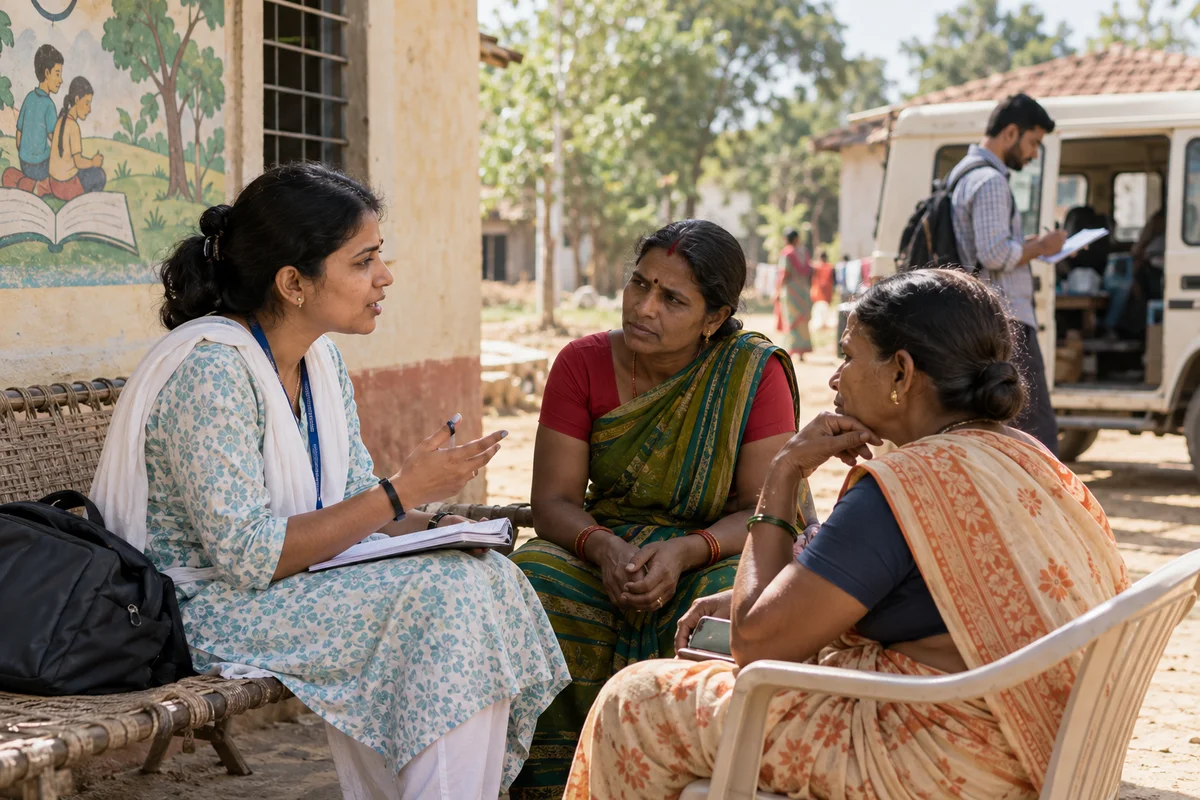
Staff at NGOs and social enterprises leave for funding, field and workload reasons as well as pay. How to understand why, listen early and act.
7 min readRead article
Payroll says one joining date, the personal file says another and the manager remembers a third. How to establish a single trustworthy employee record and keep it that way.
7 min readRead article
How to design incentives for operators, setters and inspectors in fastener, gear, spring and valve units so that accepted lots, not piece counts, earn the bonus.
7 min readRead article
Every growing company reaches a point where the founder approving everything stops being speed and starts being the bottleneck. Twelve signs it has happened, and what to fix first.
9 min readRead articleMore on the GullyHR blog.
Write down each role's duties and hours, then set salary and honorarium against those. Keep any offerings share as a separate, named item. When pay can be explained, comparisons cause less friction.
Not the same way, but they need the same basics: a named task, a short briefing, a person to report to and a record of who was present. This protects both the volunteer and the temple.
Plan a month ahead. List each queue, kitchen and gate, name a lead for each, brief volunteers a few days earlier and agree a rest plan for the permanent team afterwards.
Respect the tradition but write the duties, the skills needed and a trial period. That gives trustees something fair to point to, whoever holds the post.
One named person, such as the office clerk, reporting to the executive officer or a trustee. Joining letters, duty notes and rotas should sit together, not in several notebooks.
We would ask for your daily ritual list, how each person is paid and how many extra people you had on the last festival. A written service rota with named backups is a natural first job. Scope is written down for you to accept or change.
All 6 business types in religious & cultural institutions · Find another business type
See all HR topics for ngos and social enterprises, or another industry.
Tell us what is slowing your team down. We’ll help you find a practical way forward, starting with a conversation.