


















Industries
Why NGO and social enterprise employees leave and how to understand why
Staff at NGOs and social enterprises leave for funding, field and workload reasons as well as pay. How to understand why, listen early and act.
7 min readRead articleA cultural trust holds a collection, a school of art or a performance calendar with a small paid team and many part-time artists, teachers and guides. The people questions are about project pay, programme peaks and keeping skills.

Not sure what you need? Tell us about your business in six short steps and we will come to the first meeting prepared.
Share your requirementsA cultural trust may run a museum, a heritage house, a dance or music school, an archive or a festival. Its core staff is small: a director, a curator, an archivist, administrators and caretakers. Around them sit guest teachers, guides, performers, technicians and interns, paid by session, project or grant. Work comes in waves around exhibitions, festivals and school terms. Funding often arrives for projects, not for permanent posts, so a skilled conservator or accountant may be employed year to year. Trustees give time but meet only a few times a year. See also HR for NGOs and social enterprises.
These are the places the people side of this kind of business tends to give way. The rest of this page works through them.
HR here has to work for each of these groups, not only the office. The set-up below is written with all of them in mind.
Teachers and artists are paid per class or per show, so loyalty is thin and the trust cannot rely on them for the next season.
A skilled coordinator is hired for a project, does well, and has to leave when the money stops.
The archivist alone knows how the collection is catalogued, and nobody else can find an item when they are away.
A festival or exhibition opening draws the whole team into late nights, with time off promised and then forgotten.
Who hires a guest teacher, who sets pay and who approves a new post are decided differently each time.
Visitors meet them first, yet they rarely have training or a conversation about how tours are received.
Start with the topics that matter most here: HR Strategy and Workforce Planning; Career and Succession Management; Learning and Development. Then work through the rest. Each topic is written for ngos and social enterprises, not in general.
How many people, in which roles, by when — and what they will cost.
Named backups for the roles that cannot be vacant.
Training planned from need rather than from the calendar.
Structure, reporting lines and who is allowed to decide what.
Requisition to joining, the same way every time.
A first day that is the same for the fifth joiner as the first.
Records, attendance, leave and the day-to-day HR that must simply work.
Salary structure, payroll inputs and a month that closes on time.
Goals, reviews and ratings that hold up in a conversation.
Communication, recognition and the conditions people actually work in.
Two routes — one for complaints, one for conduct — kept separate.
Policies a manager can apply, and obligations with owners and dates.
Induction, records, incident reporting and follow-through.
Who leaves, when, why — and which of them mattered.
Resignation to relieving letter, in a defined order.
Records that survive people, and approvals that do not queue.
A short monthly pack management actually reads.
An HR function that runs the same way every month.
The pieces a cultural trusts business puts in place, in an order that makes each easier. Open any card for the detail.
A short list of roles the trust must always have, and roles tied to a grant, each with an end date or review.
What this coversHideA short list of roles the trust must always have, and roles tied to a grant, each with an end date or review. The HR strategy and workforce planning work frames this.
A rate card by type of work and level, so offers are consistent and easier to explain to trustees.
What this coversHideA rate card by type of work and level, so offers are consistent and easier to explain to trustees.
Cataloguing method, storage and handling rules written so a second person can follow them.
What this coversHideCataloguing method, storage and handling rules written so a second person can follow them.
Agree before the event what rest will be given and who covers the essential duties.
What this coversHideAgree before the event what rest will be given and who covers the essential duties.
A short page on what the director, the trustees and the programme coordinator each decide on staff and pay.
What this coversHideA short page on what the director, the trustees and the programme coordinator each decide on staff and pay.
A quarterly conversation with visitor comments, and a refresher on tours.
What this coversHideA quarterly conversation with visitor comments, and a refresher on tours. The learning and development process can provide the plan.
Before changing anything, find out what is true today. These checks take an afternoon and tell you which of the topics above to start with.
Share your requirementsConfirm with a qualified professional. What applies to you depends on your business, your state and your arrangements, and it changes. This page describes practice. It does not state a legal position.
The services below fit this kind of business best. Each starts by recording where you stand, and every later report compares against that. We do not promise outcomes.
A light review of curators, coordinators and guides, linked to the programme calendar.
Cover for scarce skills such as archivist or conservator, so the collection never depends on one person.
A plan for guides, technicians and coordinators that fits around exhibition seasons.
A view of core and project roles across the year, tied to the funding calendar.
Start with a free conversation, or see the paid HR Diagnostic.
Understand the business, its workforce, current processes and HR challenges.
Find the missing, weak, inconsistent or person-dependent processes.
Create the structure, processes, policies, SOPs, dashboards and systems needed.
Help HR and department managers actually adopt the new system.
Digitise repetitive and approval-based workflows where it is worth doing.
Track hiring, attendance, employee cost, performance, training and attrition.
Strengthen the people-management system continuously, not once.
From the GullyHR blog: one on HR in ngos and social enterprises, and one on each of the topics this page points to.
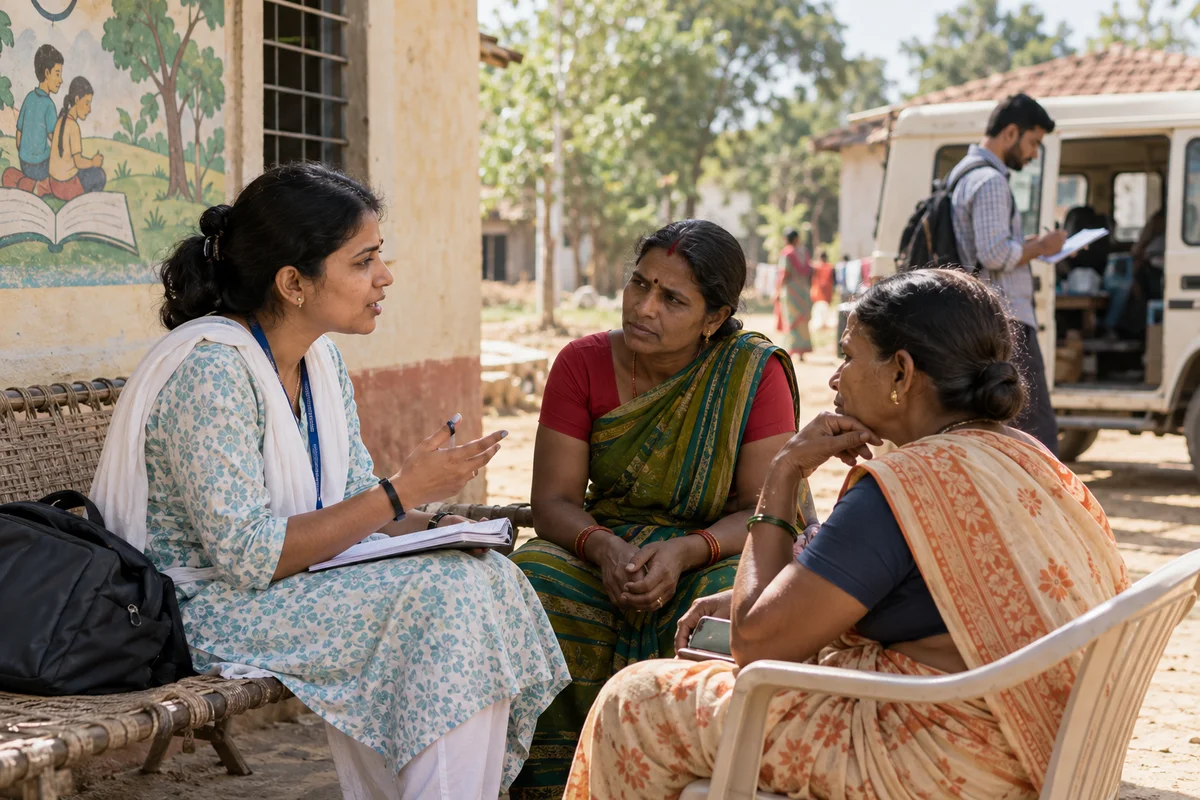
Staff at NGOs and social enterprises leave for funding, field and workload reasons as well as pay. How to understand why, listen early and act.
7 min readRead article
Hiring decisions made one request at a time, in the month the pain is worst. What a workforce plan contains and why a twelve-month view changes what you hire.
7 min readRead article
A two-hour exercise that names the roles you could not fill quickly, who could cover them, and what readiness would actually require.
7 min readRead article
Plastics training dies when it waits for a free Saturday. Tie it to mould changes, purges and cold starts, use one-point lessons and a visible skill ladder, and protect it in peak months.
7 min readRead articleMore on the GullyHR blog.
Use a simple rate card by type of work and experience. Set it with trustees, share it with the team and review it each year so offers stay consistent.
Look at the role early. Decide whether it becomes core, is funded from another source or ends. Tell the person months ahead, not at the last moment.
Ask them to write their routines, then have a second person try to follow them. Repeat each year. This also helps when staff take leave.
That depends on your budget and the number of tours. At the least, give them training, a clear brief and regular feedback, whether they are paid per tour or monthly.
Agree what they decide, such as a new post or a pay change, and let the director handle the rest. A short page of decision rights prevents confusion.
We would ask which posts are core and which are grant-funded, how you pay visiting teachers and who holds the archive knowledge. A map of core and project roles with a rate card is a natural first job, and scope is written down for you to accept or change.
All 6 business types in religious & cultural institutions · Find another business type
See all HR topics for ngos and social enterprises, or another industry.
Tell us what is slowing your team down. We’ll help you find a practical way forward, starting with a conversation.