


















Industries
Why NGO and social enterprise employees leave and how to understand why
Staff at NGOs and social enterprises leave for funding, field and workload reasons as well as pay. How to understand why, listen early and act.
7 min readRead articleAn ashram is a home, a place of practice and a workplace at once. Staff often live on site, devotees give seva, and the lines between duty, devotion and employment are easily blurred.

Not sure what you need? Tell us about your business in six short steps and we will come to the first meeting prepared.
Share your requirementsAn ashram houses residents, runs daily practice, feeds guests and often runs classes, a goshala or a school. Its staff may include paid cooks, gardeners, office workers and caretakers, while residents and visitors give seva without pay. Many staff live on the premises, so work and home overlap, and an evening request from a senior swami is hard to refuse. Guest seasons, retreats and festivals bring heavy loads. The head of the ashram is often a spiritual leader, not a manager, and decisions about employment get mixed with personal and devotional ties. See also HR for NGOs and social enterprises.
These are the places the people side of this kind of business tends to give way. The rest of this page works through them.
HR here has to work for each of these groups, not only the office. The set-up below is written with all of them in mind.
A long-time devotee does tasks that a paid person would do elsewhere, and no one knows what can be asked or recognised.
A guest arrives at midnight and the caretaker is expected to attend. Hours and rest are not recorded.
Meals, rooms and sessions multiply together, and helpers arrive with different skills and expectations.
A word from the head can change a role or a pay arrangement, with nothing written for the next person.
Employees feel second class beside seva workers, or devotees feel their gift is taken for granted.
A trusted cook or manager goes and there is no successor who knows the kitchen, the stores and the guests.
Start with the topics that matter most here: Organisation Design; Employee Relations; Health, Safety and Wellbeing. Then work through the rest. Each topic is written for ngos and social enterprises, not in general.
Structure, reporting lines and who is allowed to decide what.
Two routes — one for complaints, one for conduct — kept separate.
Induction, records, incident reporting and follow-through.
How many people, in which roles, by when — and what they will cost.
Requisition to joining, the same way every time.
A first day that is the same for the fifth joiner as the first.
Records, attendance, leave and the day-to-day HR that must simply work.
Salary structure, payroll inputs and a month that closes on time.
Goals, reviews and ratings that hold up in a conversation.
Training planned from need rather than from the calendar.
Named backups for the roles that cannot be vacant.
Communication, recognition and the conditions people actually work in.
Policies a manager can apply, and obligations with owners and dates.
Who leaves, when, why — and which of them mattered.
Resignation to relieving letter, in a defined order.
Records that survive people, and approvals that do not queue.
A short monthly pack management actually reads.
An HR function that runs the same way every month.
The pieces a ashrams business puts in place, in an order that makes each easier. Open any card for the detail.
List each task and mark whether it is paid, seva or either.
What this coversHideList each task and mark whether it is paid, seva or either. Seva givers get a brief of what is theirs. The role design work provides the format.
Define the hours, the after-hours duties and the rest due, and record when the on-call duty is used.
What this coversHideDefine the hours, the after-hours duties and the rest due, and record when the on-call duty is used.
Room, kitchen and session needs per week with a lead for each, and a short briefing for temporary helpers.
What this coversHideRoom, kitchen and session needs per week with a lead for each, and a short briefing for temporary helpers.
A short note each time the head decides on a role, pay or accommodation, kept by the manager.
What this coversHideA short note each time the head decides on a role, pay or accommodation, kept by the manager.
A shared statement of conduct for paid staff, residents and visitors, written with their input and read at joining.
What this coversHideA shared statement of conduct for paid staff, residents and visitors, written with their input and read at joining.
Cook, stores keeper, accounts and caretaker each get a named understudy, a topic the retention and attrition work considers.
What this coversHideCook, stores keeper, accounts and caretaker each get a named understudy, a topic the retention and attrition work considers.
Before changing anything, find out what is true today. These checks take an afternoon and tell you which of the topics above to start with.
Share your requirementsConfirm with a qualified professional. What applies to you depends on your business, your state and your arrangements, and it changes. This page describes practice. It does not state a legal position.
The services below fit this kind of business best. Each starts by recording where you stand, and every later report compares against that. We do not promise outcomes.
A short code and a set of staff rules that apply the same way to paid staff, residents and visitors.
A look at why caretakers, cooks and teachers leave, and which roles have no successor.
Rest, workload and safe working for resident staff who are always on site.
Clear duties for paid roles and a clear brief for seva, so neither side assumes.
Start with a free conversation, or see the paid HR Diagnostic.
Understand the business, its workforce, current processes and HR challenges.
Find the missing, weak, inconsistent or person-dependent processes.
Create the structure, processes, policies, SOPs, dashboards and systems needed.
Help HR and department managers actually adopt the new system.
Digitise repetitive and approval-based workflows where it is worth doing.
Track hiring, attendance, employee cost, performance, training and attrition.
Strengthen the people-management system continuously, not once.
From the GullyHR blog: one on HR in ngos and social enterprises, and one on each of the topics this page points to.
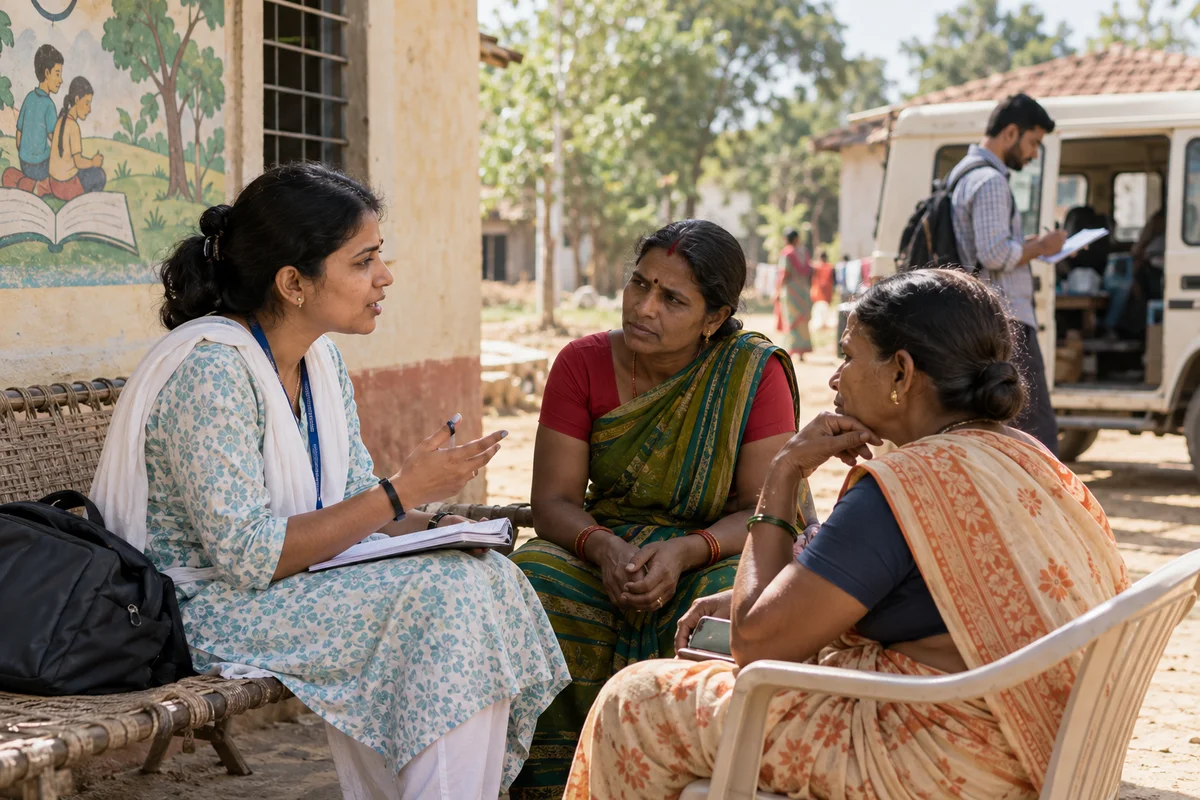
Staff at NGOs and social enterprises leave for funding, field and workload reasons as well as pay. How to understand why, listen early and act.
7 min readRead article
A flat structure works until the founder becomes the only route to a decision. How to tell when you have passed that point, and how to redesign without a reorganisation.
8 min readRead article
An employee brings you a complaint about their supervisor. What happens next should not depend on who is in the room. A grievance procedure a small company can actually run.
8 min readRead article
A shift, weekly and monthly safety routine for rubber plants that names who checks platen guards, mill trip bars, autoclave doors, burst-test cages and slings, and who acts on near misses.
7 min readRead articleMore on the GullyHR blog.
Only if the arrangement is truly employment, which is a point to confirm with a qualified professional. Otherwise state in writing what they do, what they receive and that it is a gift of time.
Fix the normal hours and describe the after-hours duties separately. Record when they are called out and give time back. Living on site does not make every hour work.
Plan weekly needs for rooms, kitchen and sessions, name a lead for each and brief temporary helpers before day one. Meet daily during the peak for ten minutes.
Their view matters, but a short written role note and a second interviewer, such as the manager, keep decisions explainable and avoid reliance on one person's word.
Be clear that both are valued for different reasons. Give paid staff fair terms, a place to raise concerns and public thanks, just as seva givers receive.
We would ask which tasks are seva and which are paid, what hours resident staff work and how the last retreat season was staffed. A task list with that split is a natural first job, and scope is written down for you to accept or change.
All 6 business types in religious & cultural institutions · Find another business type
See all HR topics for ngos and social enterprises, or another industry.
Tell us what is slowing your team down. We’ll help you find a practical way forward, starting with a conversation.