


















Industries
Why NGO and social enterprise employees leave and how to understand why
Staff at NGOs and social enterprises leave for funding, field and workload reasons as well as pay. How to understand why, listen early and act.
7 min readRead articleA religious charitable organisation serves the community through schools, clinics, meal programmes or hostels, funded by donations. The people questions are about pay that matches the funds, mixed teams of members and professionals, and clear roles.

Not sure what you need? Tell us about your business in six short steps and we will come to the first meeting prepared.
Share your requirementsA religious charitable organisation may run a school, a dispensary, a free meal programme, a hostel, a vocational class or relief work, all under the same trust. Funds come from donors, some tied to one purpose, and the budget for salaries is never certain. The team is a mix: members of the faith who give time at low pay, professional teachers, nurses and cooks hired from the community, and volunteers. Pay differs by programme and sometimes by person. Trustees care deeply but may not see themselves as employers. See also HR for NGOs and social enterprises.
These are the places the people side of this kind of business tends to give way. The rest of this page works through them.
HR here has to work for each of these groups, not only the office. The set-up below is written with all of them in mind.
Salaries for one programme are paid from a gift that may not be renewed, and staff sense the uncertainty.
Members give service at a nominal stipend while professionals expect market terms, and the comparison stings on both sides.
The school, the clinic and the kitchen decide leave, hours and increments separately, and moving between them is hard.
A word from a trustee on a hire or a raise bypasses the programme head, and the team learns whom to approach.
Trained teachers and nurses move to larger organisations offering clearer pay and growth.
Who worked on which programme, for how long and at what cost must be shown, yet timesheets are rare.
Start with the topics that matter most here: Compensation, Payroll and Benefits; Policies, Compliance and Governance; Retention and Attrition Management. Then work through the rest. Each topic is written for ngos and social enterprises, not in general.
Salary structure, payroll inputs and a month that closes on time.
Policies a manager can apply, and obligations with owners and dates.
Who leaves, when, why — and which of them mattered.
How many people, in which roles, by when — and what they will cost.
Structure, reporting lines and who is allowed to decide what.
Requisition to joining, the same way every time.
A first day that is the same for the fifth joiner as the first.
Records, attendance, leave and the day-to-day HR that must simply work.
Goals, reviews and ratings that hold up in a conversation.
Training planned from need rather than from the calendar.
Named backups for the roles that cannot be vacant.
Communication, recognition and the conditions people actually work in.
Two routes — one for complaints, one for conduct — kept separate.
Induction, records, incident reporting and follow-through.
Resignation to relieving letter, in a defined order.
Records that survive people, and approvals that do not queue.
A short monthly pack management actually reads.
An HR function that runs the same way every month.
The pieces a religious charitable organizations business puts in place, in an order that makes each easier. Open any card for the detail.
Compare teacher, nurse, cook and worker pay with similar roles nearby, then record where you are above, near or below.
What this coversHideCompare teacher, nurse, cook and worker pay with similar roles nearby, then record where you are above, near or below. The compensation benchmarking work frames it.
What members receive, why, how long, and what changes if their role changes.
What this coversHideWhat members receive, why, how long, and what changes if their role changes.
One set of leave, hours and conduct rules for all, with local variations listed.
What this coversHideOne set of leave, hours and conduct rules for all, with local variations listed.
Which staff matters go to trustees, which stay with programme heads, and how decisions are recorded.
What this coversHideWhich staff matters go to trustees, which stay with programme heads, and how decisions are recorded.
A list of competencies for key roles, with a plan to grow them from within.
What this coversHideA list of competencies for key roles, with a plan to grow them from within. The competency and talent management work gives the format.
Staff note the share of time given to each programme, which helps donor reports.
What this coversHideStaff note the share of time given to each programme, which helps donor reports.
Before changing anything, find out what is true today. These checks take an afternoon and tell you which of the topics above to start with.
Share your requirementsConfirm with a qualified professional. What applies to you depends on your business, your state and your arrangements, and it changes. This page describes practice. It does not state a legal position.
The services below fit this kind of business best. Each starts by recording where you stand, and every later report compares against that. We do not promise outcomes.
A fair comparison of your pay for teachers, nurses and cooks against similar roles in your area.
A skills list for key roles and a way to grow people from within, instead of losing them.
Clear, calm talk between members, professionals, trustees and donors.
A first-week plan that explains the organisation's purpose, rules and the programme the person will serve.
Start with a free conversation, or see the paid HR Diagnostic.
Understand the business, its workforce, current processes and HR challenges.
Find the missing, weak, inconsistent or person-dependent processes.
Create the structure, processes, policies, SOPs, dashboards and systems needed.
Help HR and department managers actually adopt the new system.
Digitise repetitive and approval-based workflows where it is worth doing.
Track hiring, attendance, employee cost, performance, training and attrition.
Strengthen the people-management system continuously, not once.
From the GullyHR blog: one on HR in ngos and social enterprises, and one on each of the topics this page points to.
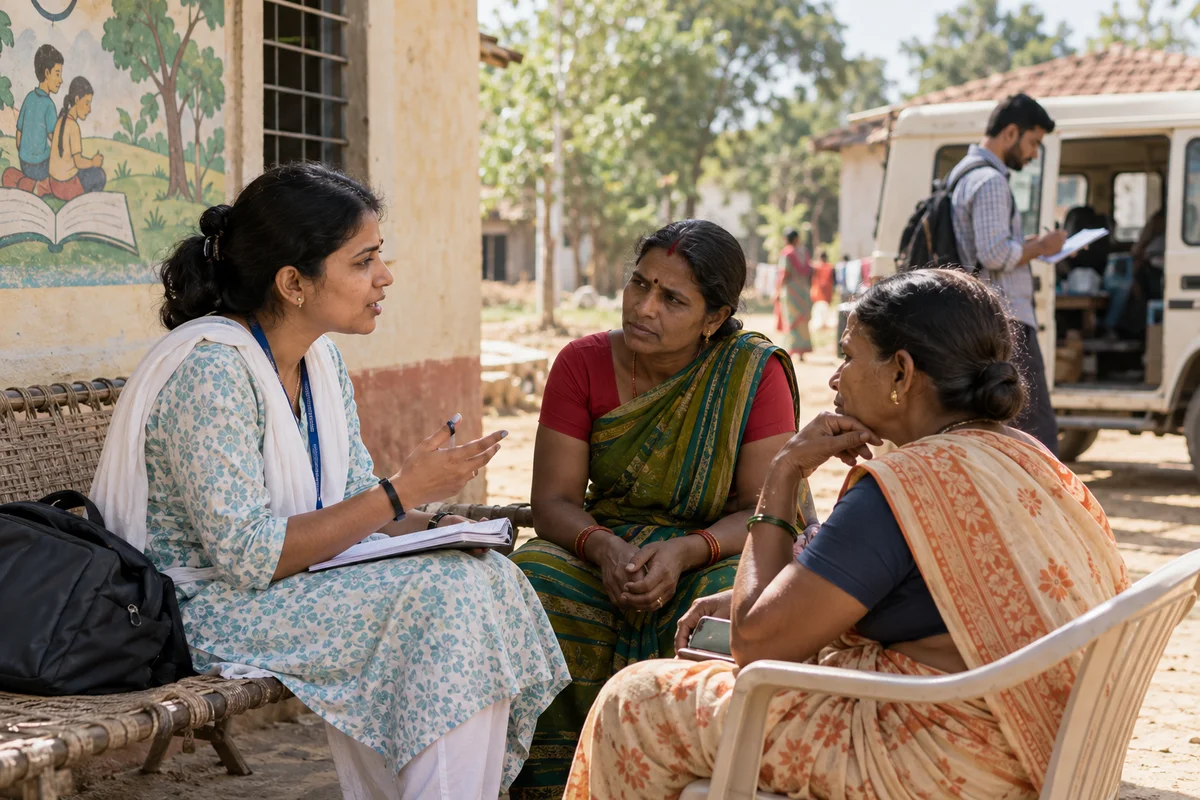
Staff at NGOs and social enterprises leave for funding, field and workload reasons as well as pay. How to understand why, listen early and act.
7 min readRead article
How to design incentives for operators, setters and inspectors in fastener, gear, spring and valve units so that accepted lots, not piece counts, earn the bonus.
7 min readRead article
A practical contents list for an employee handbook in a growing Indian business: what to cover, what to leave to policies, and how to keep it usable and current.
5 min readRead article
How to spot an unmanageable workload before it becomes an exit or an error, what to look at, how to talk about it and what to change, without guessing.
5 min readRead articleMore on the GullyHR blog.
Compare roles with similar organisations, choose a position you can sustain, and tell staff plainly which posts depend on which funds. Review once a year when the budget is known.
Yes, when roles are clear, terms are explained and each group's contribution is valued. Joint training and shared goals help more than separate rules.
That varies by donor. Many ask who worked on the programme and for how long. A simple time record by programme prepares you for most requests.
Offer clear pay, a path to more responsibility and recognition. Many leave for growth as much as money, so show them what comes next.
For senior posts, yes, with a panel and a written role. For other posts, programme heads should decide, with trustees informed. Write down which is which.
We would ask which programmes depend on which funders, how pay differs between members and professionals and how trustees decide staff matters. A pay comparison with a clear member stipend note is a natural first job, and scope is written down for you to accept or change.
All 6 business types in religious & cultural institutions · Find another business type
See all HR topics for ngos and social enterprises, or another industry.
Tell us what is slowing your team down. We’ll help you find a practical way forward, starting with a conversation.