


















Industries
Why NGO and social enterprise employees leave and how to understand why
Staff at NGOs and social enterprises leave for funding, field and workload reasons as well as pay. How to understand why, listen early and act.
7 min readRead articleA pilgrimage institution serves visitors who arrive in waves: dharamshala rooms, free meals, darshan queues and transport, all run by a modest staff. The people issues are seasonal surges, long hours and how staff treat tired, anxious visitors.

Not sure what you need? Tell us about your business in six short steps and we will come to the first meeting prepared.
Share your requirementsA pilgrimage institution may run a dharamshala, a guest house, a free kitchen, a queue management team, a transport service and a small office. In the quiet months a few dozen people are enough. In the yatra season the same institution may host many times more visitors, with the same permanent staff and a rush of seasonal helpers. Visitors are often elderly, tired, far from home and in need of patience at every counter. Staff work long, split shifts, handle cash at room desks and offering counters, and are the face of the institution. See also HR for NGOs and social enterprises.
These are the places the people side of this kind of business tends to give way. The rest of this page works through them.
HR here has to work for each of these groups, not only the office. The set-up below is written with all of them in mind.
Permanent staff do double shifts for weeks, then sit idle, and the pattern repeats each year.
They arrive days before the peak and are placed at counters with little more than a pointer to the register.
A late train, a lost bag or a hunt for a room with no vacancy leaves a visitor short-tempered, and the first person they meet takes it.
Room charges, deposits and offerings are taken in a rush, and mistakes are found only at the day-end count.
Staff who start before dawn and finish near midnight have no routine rest and little patience left by the third week.
A visitor leaves unhappy, the matter reaches the manager days later, and the person involved cannot recall it.
Start with the topics that matter most here: HR Strategy and Workforce Planning; Onboarding and Probation; Health, Safety and Wellbeing. Then work through the rest. Each topic is written for ngos and social enterprises, not in general.
How many people, in which roles, by when — and what they will cost.
A first day that is the same for the fifth joiner as the first.
Induction, records, incident reporting and follow-through.
Structure, reporting lines and who is allowed to decide what.
Requisition to joining, the same way every time.
Records, attendance, leave and the day-to-day HR that must simply work.
Salary structure, payroll inputs and a month that closes on time.
Goals, reviews and ratings that hold up in a conversation.
Training planned from need rather than from the calendar.
Named backups for the roles that cannot be vacant.
Communication, recognition and the conditions people actually work in.
Two routes — one for complaints, one for conduct — kept separate.
Policies a manager can apply, and obligations with owners and dates.
Who leaves, when, why — and which of them mattered.
Resignation to relieving letter, in a defined order.
Records that survive people, and approvals that do not queue.
A short monthly pack management actually reads.
An HR function that runs the same way every month.
The pieces a pilgrimage institutions business puts in place, in an order that makes each easier. Open any card for the detail.
Expected peak days, tasks per desk and a roster of permanent, seasonal and volunteer helpers.
What this coversHideExpected peak days, tasks per desk and a roster of permanent, seasonal and volunteer helpers. The HR reporting and analytics work shows how to use last season's numbers.
Desk rules, cash handling, how to speak to elderly visitors and where to refer a problem, held before the peak begins.
What this coversHideDesk rules, cash handling, how to speak to elderly visitors and where to refer a problem, held before the peak begins.
Greeting, explaining a delay, handling a complaint and when to call a senior.
What this coversHideGreeting, explaining a delay, handling a complaint and when to call a senior. The customer-service skills training can turn it into practice.
A weekly off pattern or rotation during the peak, with a maximum run of long days and a named person to approve exceptions.
What this coversHideA weekly off pattern or rotation during the peak, with a maximum run of long days and a named person to approve exceptions.
Day-end counts with two people, a room register matched to cash and a record of who handled the desk.
What this coversHideDay-end counts with two people, a room register matched to cash and a record of who handled the desk.
A complaint book or phone number, a person who reads it daily and a record of what was done.
What this coversHideA complaint book or phone number, a person who reads it daily and a record of what was done. The grievance and disciplinary process covers staff-side matters.
Before changing anything, find out what is true today. These checks take an afternoon and tell you which of the topics above to start with.
Share your requirementsConfirm with a qualified professional. What applies to you depends on your business, your state and your arrangements, and it changes. This page describes practice. It does not state a legal position.
The services below fit this kind of business best. Each starts by recording where you stand, and every later report compares against that. We do not promise outcomes.
A season roster with fair long-day limits, rest days and a record of who staffed each desk.
Practical training in speaking to tired, elderly or distressed visitors at desks and queues.
A calm route for visitor complaints and staff concerns, with a record of what was done.
Last season's headcount, overtime and absences turned into a plan for the next one.
Start with a free conversation, or see the paid HR Diagnostic.
Understand the business, its workforce, current processes and HR challenges.
Find the missing, weak, inconsistent or person-dependent processes.
Create the structure, processes, policies, SOPs, dashboards and systems needed.
Help HR and department managers actually adopt the new system.
Digitise repetitive and approval-based workflows where it is worth doing.
Track hiring, attendance, employee cost, performance, training and attrition.
Strengthen the people-management system continuously, not once.
From the GullyHR blog: one on HR in ngos and social enterprises, and one on each of the topics this page points to.
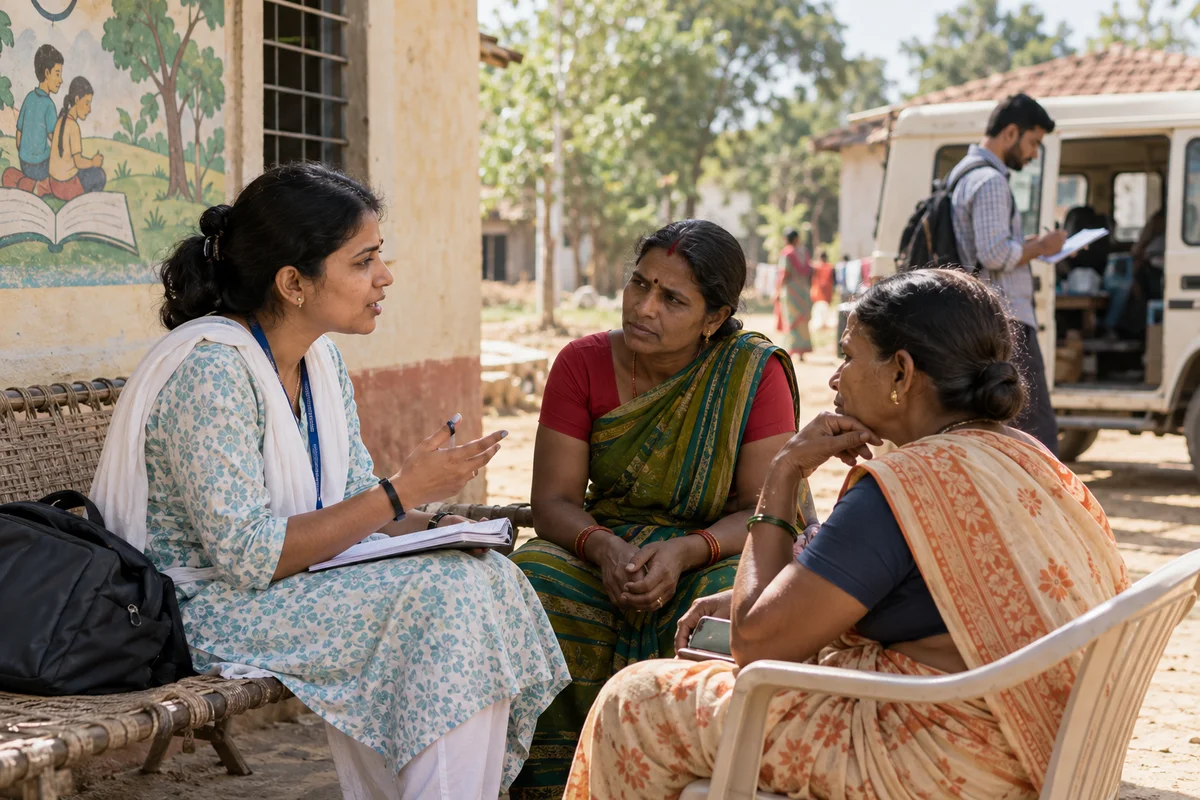
Staff at NGOs and social enterprises leave for funding, field and workload reasons as well as pay. How to understand why, listen early and act.
7 min readRead article
Hiring decisions made one request at a time, in the month the pain is worst. What a workforce plan contains and why a twelve-month view changes what you hire.
7 min readRead article
Hour by hour, then week by week, for a recruit's first month at a module, inverter, pack or junction box line: safety and handling first, a practice bench, a buddy, a sign-off and a day-30 review.
7 min readRead article
A shift, weekly and monthly safety routine for rubber plants that names who checks platen guards, mill trip bars, autoclave doors, burst-test cages and slings, and who acts on near misses.
7 min readRead articleMore on the GullyHR blog.
Work it out from last season's peak: visitors per day, tasks per desk and hours. Add a margin for absence. Keep the previous year's numbers to improve the estimate each time.
Only with a clear routine, two people at the count and a record. Many institutions keep cash to named staff and ask volunteers to help with guidance and queues.
Focus on the few things that matter most: desk rules, cash, speaking to visitors and escalation. Use a checklist, a short practice round and a named buddy for the first week.
Listen, record, tell the visitor what will happen and speak to the staff member promptly and privately. Note the outcome. A prompt response matters more than the exact wording.
Plan the roster before the season with a limit on consecutive long days and a rest day each week where possible. Agree exceptions in writing and give time off soon after the peak.
We would ask for your busiest and quietest weeks, how seasonal helpers are found and how staff handle visitor complaints. A season roster with a one-day helper induction is a natural first job, and scope is written down for you to accept or change.
All 6 business types in religious & cultural institutions · Find another business type
See all HR topics for ngos and social enterprises, or another industry.
Tell us what is slowing your team down. We’ll help you find a practical way forward, starting with a conversation.