


















Industries
Why NGO and social enterprise employees leave and how to understand why
Staff at NGOs and social enterprises leave for funding, field and workload reasons as well as pay. How to understand why, listen early and act.
7 min readRead articleA resident welfare association runs a township or apartment complex through guards, housekeepers, gardeners and technicians. Residents give instructions all day, the committee changes every year and nobody owns the people side.

Not sure what you need? Tell us about your business in six short steps and we will come to the first meeting prepared.
Share your requirementsA resident welfare association looks after the common life of an apartment complex or gated colony. Its staff include security guards on rotating shifts, housekeepers, gardeners, lift, pump and sewage plant operators, an electrician, a manager or supervisor and an office clerk. They work every day of the year, including festivals, and take instructions from the committee, from the manager and from residents on the stairs. Committee members are volunteers who serve a term and then move on, each with a different style. Some staff come through agencies and some are employed directly, which adds confusion. The NGO and social enterprise hub and the associations hub cover what such bodies share.
These are the places the people side of this kind of business tends to give way. The rest of this page works through them.
HR here has to work for each of these groups, not only the office. The set-up below is written with all of them in mind.
A guard or housekeeper is given orders by dozens of residents in a day, and the staff cannot tell which ones to follow.
Each team of office bearers arrives with its own wishes about shifts and discipline, and long-serving staff are never sure what holds.
Night shifts have little supervision and no recognition, and a lapse at the gate is discovered only after a complaint.
People doing the same work are treated and paid differently, and the committee does not know who is responsible for whom.
A grievance against a guard is posted on a residents' group, and the staff member is shamed before anyone asks what happened.
Leave, advances and warnings are noted by hand, and a new committee cannot find what was promised to whom.
Start with the topics that matter most here: Employee Relations; Employee Administration; HR Operations and Governance. Then work through the rest. Each topic is written for ngos and social enterprises, not in general.
Two routes — one for complaints, one for conduct — kept separate.
Records, attendance, leave and the day-to-day HR that must simply work.
An HR function that runs the same way every month.
How many people, in which roles, by when — and what they will cost.
Structure, reporting lines and who is allowed to decide what.
Requisition to joining, the same way every time.
A first day that is the same for the fifth joiner as the first.
Salary structure, payroll inputs and a month that closes on time.
Goals, reviews and ratings that hold up in a conversation.
Training planned from need rather than from the calendar.
Named backups for the roles that cannot be vacant.
Communication, recognition and the conditions people actually work in.
Policies a manager can apply, and obligations with owners and dates.
Induction, records, incident reporting and follow-through.
Who leaves, when, why — and which of them mattered.
Resignation to relieving letter, in a defined order.
Records that survive people, and approvals that do not queue.
A short monthly pack management actually reads.
The pieces a resident welfare associations business puts in place, in an order that makes each easier. Open any card for the detail.
A written list of the manager, the supervisor and the committee member on duty as the only people who direct work, with a route for residents to raise requests.
What this coversHideA written list of the manager, the supervisor and the committee member on duty as the only people who direct work, with a route for residents to raise requests. See HR policies and governance.
A monthly roster that shows who is on, who covers and how weekly offs are given.
What this coversHideA monthly roster that shows who is on, who covers and how weekly offs are given. The attendance, shift and leave process is the base.
A simple form and a short meeting with the manager and the staff member before any action.
What this coversHideA simple form and a short meeting with the manager and the staff member before any action. See the grievance and disciplinary process.
Identity, terms, shift, leave, advances and notes in a single file held by the society, not by one committee member.
What this coversHideIdentity, terms, shift, leave, advances and notes in a single file held by the society, not by one committee member. The documentation process gives a format.
A one-page handover note each year that sets out the roster, the roles, the complaint route and what has been promised to staff.
What this coversHideA one-page handover note each year that sets out the roster, the roles, the complaint route and what has been promised to staff.
Before changing anything, find out what is true today. These checks take an afternoon and tell you which of the topics above to start with.
Share your requirementsConfirm with a qualified professional. What applies to you depends on your business, your state and your arrangements, and it changes. This page describes practice. It does not state a legal position.
The services below fit this kind of business best. Each starts by recording where you stand, and every later report compares against that. We do not promise outcomes.
A fair roster for guards and housekeepers, with offs, cover and festival duty written down.
One tidy record for each staff member, handed over from one committee to the next.
A private, fair route for complaints about staff and for staff to raise concerns.
Short practice for guards and housekeepers on conduct with residents, visitors and each other.
Start with a free conversation, or see the paid HR Diagnostic.
Understand the business, its workforce, current processes and HR challenges.
Find the missing, weak, inconsistent or person-dependent processes.
Create the structure, processes, policies, SOPs, dashboards and systems needed.
Help HR and department managers actually adopt the new system.
Digitise repetitive and approval-based workflows where it is worth doing.
Track hiring, attendance, employee cost, performance, training and attrition.
Strengthen the people-management system continuously, not once.
From the GullyHR blog: one on HR in ngos and social enterprises, and one on each of the topics this page points to.
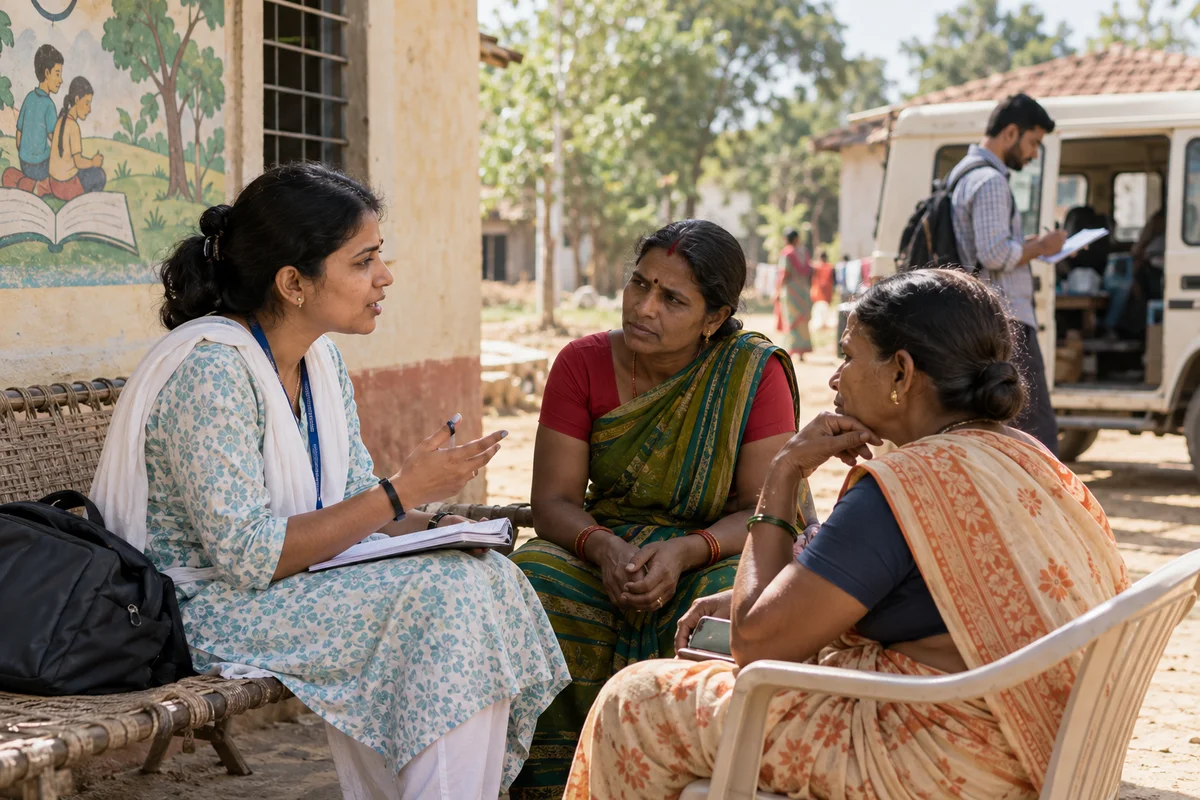
Staff at NGOs and social enterprises leave for funding, field and workload reasons as well as pay. How to understand why, listen early and act.
7 min readRead article
An employee brings you a complaint about their supervisor. What happens next should not depend on who is in the room. A grievance procedure a small company can actually run.
8 min readRead article
Payroll says one joining date, the personal file says another and the manager remembers a third. How to establish a single trustworthy employee record and keep it that way.
7 min readRead article
Every growing company reaches a point where the founder approving everything stops being speed and starts being the bottleneck. Twelve signs it has happened, and what to fix first.
9 min readRead articleMore on the GullyHR blog.
A named few, usually the manager, a supervisor and a committee member on duty. Residents make requests through a form or a request register, so staff are not pulled in many directions at once.
Keep a short handover note, a roster and a record that stay with the society. A new committee can then see what exists, and staff are not asked to start again from the beginning.
It rarely helps. The person is shamed, and the facts are not heard. Ask residents to send complaints to the manager, who hears the staff member and replies to the resident.
Know who employs whom, who is responsible for conduct, leave and pay, and ask the same standard of work from both. Confirm the arrangement with a qualified professional, then share it with the committee.
Give a rest area, regular checks by the supervisor, proper offs and a way to report problems. Recognise good night work at committee meetings. A guard who is ignored at night is less alert.
We would first ask a guard and a housekeeper who tells them what to do, read a month of rosters and find where records are kept. A clear instruction route with a roster and one record per person is a natural first job, with scope in writing for your approval.
All 6 business types in associations & membership organizations · Find another business type
See all HR topics for ngos and social enterprises, or another industry.
Tell us what is slowing your team down. We’ll help you find a practical way forward, starting with a conversation.