


















Industries
Why NGO and social enterprise employees leave and how to understand why
Staff at NGOs and social enterprises leave for funding, field and workload reasons as well as pay. How to understand why, listen early and act.
7 min readRead articleA chamber of commerce speaks for local businesses, hosts trade fairs and meetings and runs desks that member firms visit daily. Its staff are often long serving, and its president changes every year or two.

Not sure what you need? Tell us about your business in six short steps and we will come to the first meeting prepared.
Share your requirementsA chamber of commerce brings together traders and firms in a city or state. The secretariat runs the member desks, issues routine documents, organises trade fairs, buyer meetings and delegations, and prepares representations for the government. A secretary general and a handful of seniors usually hold the institutional memory, while presidents rotate every year or two with new ideas. Members drop in, telephone and write, and expect to be recognised by name. Event weeks pull the entire staff into logistics. See the NGO and social enterprise hub and the associations hub for what such bodies share.
These are the places the people side of this kind of business tends to give way. The rest of this page works through them.
HR here has to work for each of these groups, not only the office. The set-up below is written with all of them in mind.
Members and officials know one or two senior people, and plans for who would step in are not written anywhere.
Each office bearer asks for fresh programmes, and the staff retool their work every year without any change in pay or team.
Business owners arrive in a hurry and expect priority, and young desk staff are given little help to handle that.
Accountants, drivers and desk clerks are all drawn into stalls and logistics with no clear task, and the usual work waits.
Attendants and drivers see their work taken for granted, with unclear leave and no route to improve their position.
Members phone an office bearer instead of the director, and staff learn of a grievance only when it comes back as a rebuke.
Start with the topics that matter most here: Career and Succession Management; HR Strategy and Workforce Planning; Employee Relations. Then work through the rest. Each topic is written for ngos and social enterprises, not in general.
Named backups for the roles that cannot be vacant.
How many people, in which roles, by when — and what they will cost.
Two routes — one for complaints, one for conduct — kept separate.
Structure, reporting lines and who is allowed to decide what.
Requisition to joining, the same way every time.
A first day that is the same for the fifth joiner as the first.
Records, attendance, leave and the day-to-day HR that must simply work.
Salary structure, payroll inputs and a month that closes on time.
Goals, reviews and ratings that hold up in a conversation.
Training planned from need rather than from the calendar.
Communication, recognition and the conditions people actually work in.
Policies a manager can apply, and obligations with owners and dates.
Induction, records, incident reporting and follow-through.
Who leaves, when, why — and which of them mattered.
Resignation to relieving letter, in a defined order.
Records that survive people, and approvals that do not queue.
A short monthly pack management actually reads.
An HR function that runs the same way every month.
The pieces a chambers of commerce business puts in place, in an order that makes each easier. Open any card for the detail.
Identify two or three people who could take on parts of the secretary general's work, and plan their exposure step by step.
What this coversHideIdentify two or three people who could take on parts of the secretary general's work, and plan their exposure step by step. See succession planning.
Match the programmes the new president wants against the people available, and decide what to add or drop.
What this coversHideMatch the programmes the new president wants against the people available, and decide what to add or drop. The workforce planning work gives the steps.
Short rules on greeting members, response times and what to do when the person wanted is absent, taught to every new desk joiner.
What this coversHideShort rules on greeting members, response times and what to do when the person wanted is absent, taught to every new desk joiner.
A written list of who does what at fairs, with time off in return, so that routine work is covered in the meantime.
What this coversHideA written list of who does what at fairs, with time off in return, so that routine work is covered in the meantime.
Members and staff both know the first and second contact, and the director logs and answers each complaint.
What this coversHideMembers and staff both know the first and second contact, and the director logs and answers each complaint.
Before changing anything, find out what is true today. These checks take an afternoon and tell you which of the topics above to start with.
Share your requirementsConfirm with a qualified professional. What applies to you depends on your business, your state and your arrangements, and it changes. This page describes practice. It does not state a legal position.
The services below fit this kind of business best. Each starts by recording where you stand, and every later report compares against that. We do not promise outcomes.
A plan for who steps in when the secretary general or a senior desk head is away or leaves.
A yearly view of programmes against staff, so a new president's asks do not overload the team.
A proper start for desk and fair staff, including how to speak to members.
A clear route for complaints from members and staff that ends with the director, not the president.
Start with a free conversation, or see the paid HR Diagnostic.
Understand the business, its workforce, current processes and HR challenges.
Find the missing, weak, inconsistent or person-dependent processes.
Create the structure, processes, policies, SOPs, dashboards and systems needed.
Help HR and department managers actually adopt the new system.
Digitise repetitive and approval-based workflows where it is worth doing.
Track hiring, attendance, employee cost, performance, training and attrition.
Strengthen the people-management system continuously, not once.
From the GullyHR blog: one on HR in ngos and social enterprises, and one on each of the topics this page points to.
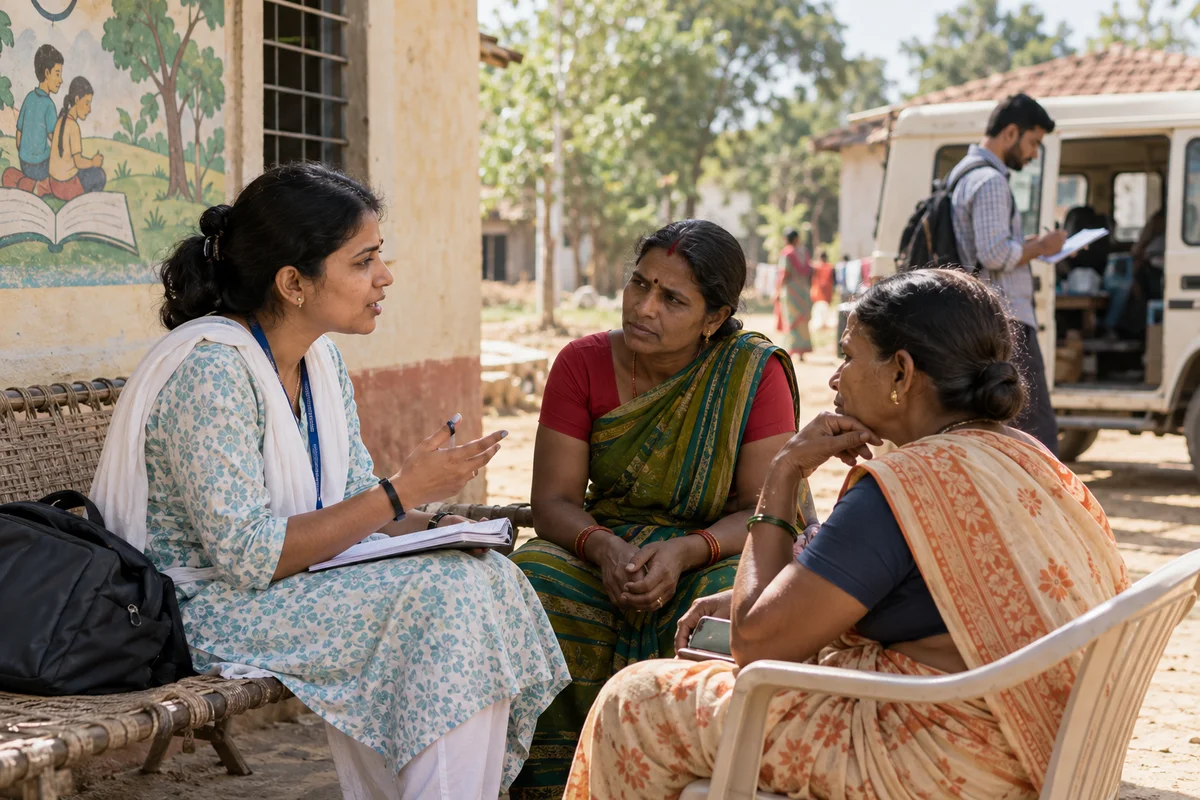
Staff at NGOs and social enterprises leave for funding, field and workload reasons as well as pay. How to understand why, listen early and act.
7 min readRead article
A two-hour exercise that names the roles you could not fill quickly, who could cover them, and what readiness would actually require.
7 min readRead article
Hiring decisions made one request at a time, in the month the pain is worst. What a workforce plan contains and why a twelve-month view changes what you hire.
7 min readRead article
An employee brings you a complaint about their supervisor. What happens next should not depend on who is in the room. A grievance procedure a small company can actually run.
8 min readRead articleMore on the GullyHR blog.
Name a few possible successors, share parts of the role with them and write down relationships and routines. A plan made in calm times avoids a gap in service and in the trust of members.
Keep a rolling plan owned by the secretariat, and review it with each new president at the start. The plan shows what can be added and what must be dropped to make room.
Give them a short script, role play real situations and set a rule on when to call a senior. Staff become calmer when they know what they are allowed to promise.
Yes, with a plan. Assign real roles, cover the usual work, and give time off afterwards. Otherwise people feel used, and the routine desks suffer during the very weeks when members visit.
With written terms, clear leave rules and a path to a better grade when they learn new skills. Their goodwill is part of how members experience the chamber.
We would first list what only the secretary general can do, ask the last two presidents what they changed and sit at the member desk for a morning. A succession plan with a yearly workforce view is a natural first job, with scope in writing for your approval.
All 6 business types in associations & membership organizations · Find another business type
See all HR topics for ngos and social enterprises, or another industry.
Tell us what is slowing your team down. We’ll help you find a practical way forward, starting with a conversation.