


















Industries
Why NGO and social enterprise employees leave and how to understand why
Staff at NGOs and social enterprises leave for funding, field and workload reasons as well as pay. How to understand why, listen early and act.
7 min readRead articleA professional body serves people who share a qualification or a trade, through exams, membership, continuing learning and local chapters. A modest team in the head office carries a heavy calendar, with sharp peaks around results and conferences.

Not sure what you need? Tell us about your business in six short steps and we will come to the first meeting prepared.
Share your requirementsA professional body or institute registers members, runs courses or examinations, publishes a journal and holds seminars through local chapters across the country. The head office staff handle enrolments, record keeping, learning programmes, publications and conferences, while honorary office bearers and volunteers lead chapters. Work is steady most months and then compresses around enrolment dates, results and the annual convention. Many staff are long serving and know the members well, and fewer are trained in modern ways of working. The NGO and social enterprise hub and the associations hub cover what such bodies share.
These are the places the people side of this kind of business tends to give way. The rest of this page works through them.
HR here has to work for each of these groups, not only the office. The set-up below is written with all of them in mind.
Enrolment closes, answer scripts return and results go out in a short span, so the exam team works long days and then sits idle.
A few senior clerks know how every form is processed, and the method lives in their heads, not on paper.
Coordinators at head office must help chapter volunteers without authority over them, which wears people down.
New enrolment and records tools arrive faster than people are trained, and the old ways continue in parallel.
Staff see members earning well while their own scales stay modest, and the better ones leave for corporate roles.
Honorary faculty and paid staff work in different worlds, and miscommunication delays course material and papers.
Start with the topics that matter most here: Learning and Development; Career and Succession Management; Employee Administration. Then work through the rest. Each topic is written for ngos and social enterprises, not in general.
Training planned from need rather than from the calendar.
Named backups for the roles that cannot be vacant.
Records, attendance, leave and the day-to-day HR that must simply work.
How many people, in which roles, by when — and what they will cost.
Structure, reporting lines and who is allowed to decide what.
Requisition to joining, the same way every time.
A first day that is the same for the fifth joiner as the first.
Salary structure, payroll inputs and a month that closes on time.
Goals, reviews and ratings that hold up in a conversation.
Communication, recognition and the conditions people actually work in.
Two routes — one for complaints, one for conduct — kept separate.
Policies a manager can apply, and obligations with owners and dates.
Induction, records, incident reporting and follow-through.
Who leaves, when, why — and which of them mattered.
Resignation to relieving letter, in a defined order.
Records that survive people, and approvals that do not queue.
A short monthly pack management actually reads.
An HR function that runs the same way every month.
The pieces a professional bodies business puts in place, in an order that makes each easier. Open any card for the detail.
List the skills each section needs, such as records, learning design, event handling and writing, and rate each person.
What this coversHideList the skills each section needs, such as records, learning design, event handling and writing, and rate each person. The competency and talent management work sets out how.
Ask long-serving staff to record how enrolment, certificates and renewals run, and have a junior test the notes.
What this coversHideAsk long-serving staff to record how enrolment, certificates and renewals run, and have a junior test the notes.
Short sessions on the tools, on writing to members and on handling difficult callers, planned across the year.
What this coversHideShort sessions on the tools, on writing to members and on handling difficult callers, planned across the year. See the learning and development process.
One named person at head office for each region, with a written list of what chapters can ask for and how fast.
What this coversHideOne named person at head office for each region, with a written list of what chapters can ask for and how fast.
Decide in advance which roles are needed in results week, brief them early and record how they performed.
What this coversHideDecide in advance which roles are needed in results week, brief them early and record how they performed. The recruitment process can support this.
Before changing anything, find out what is true today. These checks take an afternoon and tell you which of the topics above to start with.
Share your requirementsConfirm with a qualified professional. What applies to you depends on your business, your state and your arrangements, and it changes. This page describes practice. It does not state a legal position.
The services below fit this kind of business best. Each starts by recording where you stand, and every later report compares against that. We do not promise outcomes.
A skills map for the head office, so training and pay follow what the institute needs.
Short, practical sessions for long-serving staff on tools, writing to members and service.
Written steps and letters, so that a clerk's knowledge does not leave with them.
Clear briefs and a plan for hiring ahead of results and convention peaks.
Start with a free conversation, or see the paid HR Diagnostic.
Understand the business, its workforce, current processes and HR challenges.
Find the missing, weak, inconsistent or person-dependent processes.
Create the structure, processes, policies, SOPs, dashboards and systems needed.
Help HR and department managers actually adopt the new system.
Digitise repetitive and approval-based workflows where it is worth doing.
Track hiring, attendance, employee cost, performance, training and attrition.
Strengthen the people-management system continuously, not once.
From the GullyHR blog: one on HR in ngos and social enterprises, and one on each of the topics this page points to.
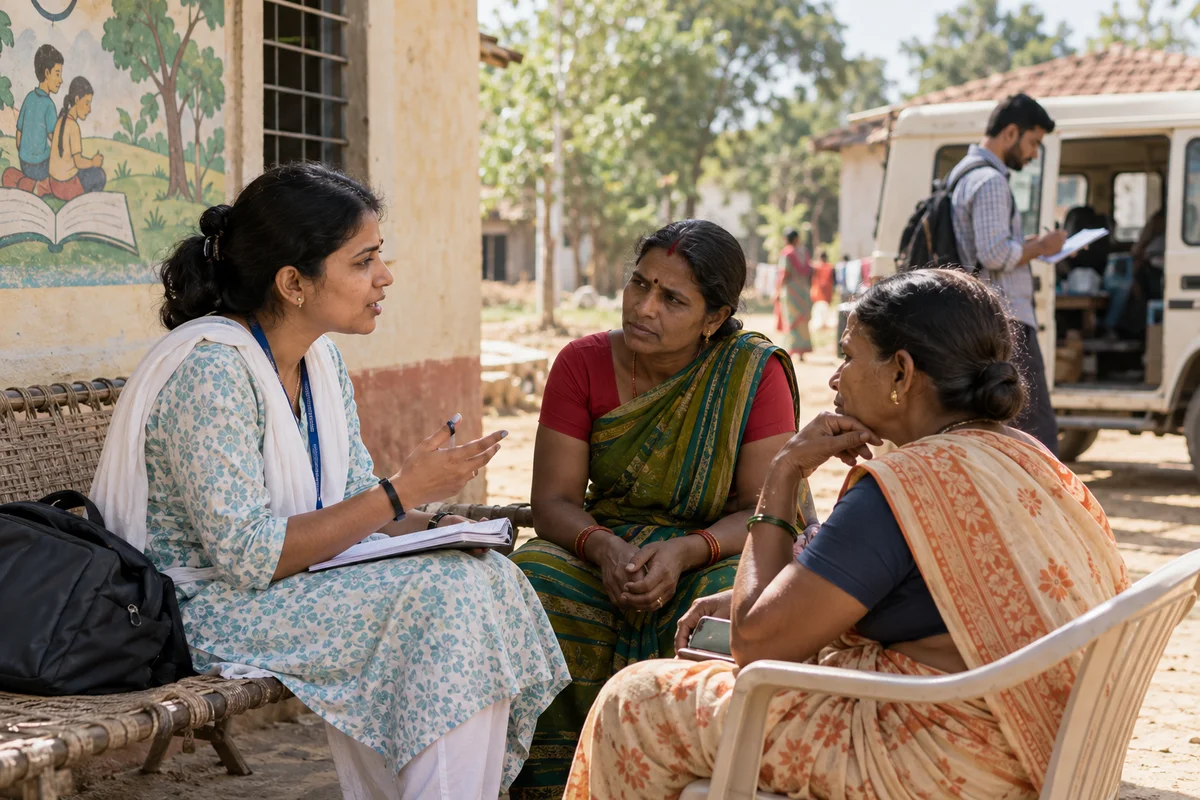
Staff at NGOs and social enterprises leave for funding, field and workload reasons as well as pay. How to understand why, listen early and act.
7 min readRead article
Plastics training dies when it waits for a free Saturday. Tie it to mould changes, purges and cold starts, use one-point lessons and a visible skill ladder, and protect it in peak months.
7 min readRead article
A two-hour exercise that names the roles you could not fill quickly, who could cover them, and what readiness would actually require.
7 min readRead article
Payroll says one joining date, the personal file says another and the manager remembers a third. How to establish a single trustworthy employee record and keep it that way.
7 min readRead articleMore on the GullyHR blog.
Pay cannot always match the profession, so give clear grades, learning paths and respect for the work. Many staff stay for stability and purpose if growth is visible and fair.
Ask them to write the steps with a junior, test the notes on a real case and keep them in a shared place. Recognise the effort so that sharing is not feared.
Give each region a named contact, a short list of services and a response time. Chapters need predictability more than control, and volunteers appreciate being told what to expect.
Yes. Fix the roles, the days and the training in advance, and keep a list of people who did well last time. It cuts the scramble and gives members steadier service.
Start with the tasks they find hard, teach in short sessions beside their real work and keep a simple guide on the desk. Pair them with a patient colleague rather than a manual.
We would first ask the exam and membership sections which tasks only one person can do, count the stretched weeks and look at where tools and people do not match. A skills map and process notes are a natural first job, with scope written for your approval.
All 6 business types in associations & membership organizations · Find another business type
See all HR topics for ngos and social enterprises, or another industry.
Tell us what is slowing your team down. We’ll help you find a practical way forward, starting with a conversation.