


















Industries
Why NGO and social enterprise employees leave and how to understand why
Staff at NGOs and social enterprises leave for funding, field and workload reasons as well as pay. How to understand why, listen early and act.
7 min readRead articleAn alumni association is held together by volunteers and a very small paid team. A relationship officer or two keep the records and the reunions going, while committees of former students come and go.

Not sure what you need? Tell us about your business in six short steps and we will come to the first meeting prepared.
Share your requirementsAn alumni association links former students of a college, school or institute with each other and with the institution. A paid team of two to six people keeps the member database, answers requests for certificates and contacts, runs reunions, publishes a newsletter and helps raise funds. Around them sit elected office bearers, batch representatives and city chapters, all unpaid and busy with their own careers. Work peaks around the annual meet, batch reunions and appeals, and then thins out. Many alumni offices sit inside the institution's own campus, so staff answer to two sets of seniors. The NGO and social enterprise hub and the associations hub cover what such bodies share.
These are the places the people side of this kind of business tends to give way. The rest of this page works through them.
HR here has to work for each of these groups, not only the office. The set-up below is written with all of them in mind.
Staff report to the institution's registrar and also to elected alumni, and each assumes the other has set the priorities.
A batch representative promises a reunion in a month and the office learns about it later, with no say on timing or cost.
Addresses, batches and consents sit in a file kept by a single executive, and every handover loses detail.
Three people handle forty batch events with caterers, venues and invitations, and records fall behind.
Staff who are friendly with alumni are asked to chase gifts, and some find it uncomfortable without training.
With no room for promotion, the best relationship officers move to larger institutions after a couple of years.
Start with the topics that matter most here: Policies, Compliance and Governance; Retention and Attrition Management; Employee Engagement and Experience. Then work through the rest. Each topic is written for ngos and social enterprises, not in general.
Policies a manager can apply, and obligations with owners and dates.
Who leaves, when, why — and which of them mattered.
Communication, recognition and the conditions people actually work in.
How many people, in which roles, by when — and what they will cost.
Structure, reporting lines and who is allowed to decide what.
Requisition to joining, the same way every time.
A first day that is the same for the fifth joiner as the first.
Records, attendance, leave and the day-to-day HR that must simply work.
Salary structure, payroll inputs and a month that closes on time.
Goals, reviews and ratings that hold up in a conversation.
Training planned from need rather than from the calendar.
Named backups for the roles that cannot be vacant.
Two routes — one for complaints, one for conduct — kept separate.
Induction, records, incident reporting and follow-through.
Resignation to relieving letter, in a defined order.
Records that survive people, and approvals that do not queue.
A short monthly pack management actually reads.
An HR function that runs the same way every month.
The pieces a alumni associations business puts in place, in an order that makes each easier. Open any card for the detail.
A short note agreed by the institution and the alumni committee on whom the staff answer to for what.
What this coversHideA short note agreed by the institution and the alumni committee on whom the staff answer to for what. The HR policies and governance work helps draft it.
A request form and a monthly meeting where batch representatives bring their plans, so the office can set dates and costs.
What this coversHideA request form and a monthly meeting where batch representatives bring their plans, so the office can set dates and costs.
Short practice on warm, honest conversation, from a first call to a gentle reminder.
What this coversHideShort practice on warm, honest conversation, from a first call to a gentle reminder. See communication skills.
A brief orientation for new office bearers on working with staff and giving instructions.
What this coversHideA brief orientation for new office bearers on working with staff and giving instructions. The leadership and people management programme covers this.
Talk to former staff and plan roles that grow over time, such as a lead for events or for data.
What this coversHideTalk to former staff and plan roles that grow over time, such as a lead for events or for data. See retention and attrition.
Before changing anything, find out what is true today. These checks take an afternoon and tell you which of the topics above to start with.
Share your requirementsConfirm with a qualified professional. What applies to you depends on your business, your state and your arrangements, and it changes. This page describes practice. It does not state a legal position.
The services below fit this kind of business best. Each starts by recording where you stand, and every later report compares against that. We do not promise outcomes.
A short note on reporting lines, volunteer roles and how decisions get made, in plain language.
Practice for the staff and volunteers who write to, call and meet alumni every day.
Orientation for new office bearers on working well with a small paid team.
A look at why relationship officers leave and a growth path inside a very small office.
Start with a free conversation, or see the paid HR Diagnostic.
Understand the business, its workforce, current processes and HR challenges.
Find the missing, weak, inconsistent or person-dependent processes.
Create the structure, processes, policies, SOPs, dashboards and systems needed.
Help HR and department managers actually adopt the new system.
Digitise repetitive and approval-based workflows where it is worth doing.
Track hiring, attendance, employee cost, performance, training and attrition.
Strengthen the people-management system continuously, not once.
From the GullyHR blog: one on HR in ngos and social enterprises, and one on each of the topics this page points to.
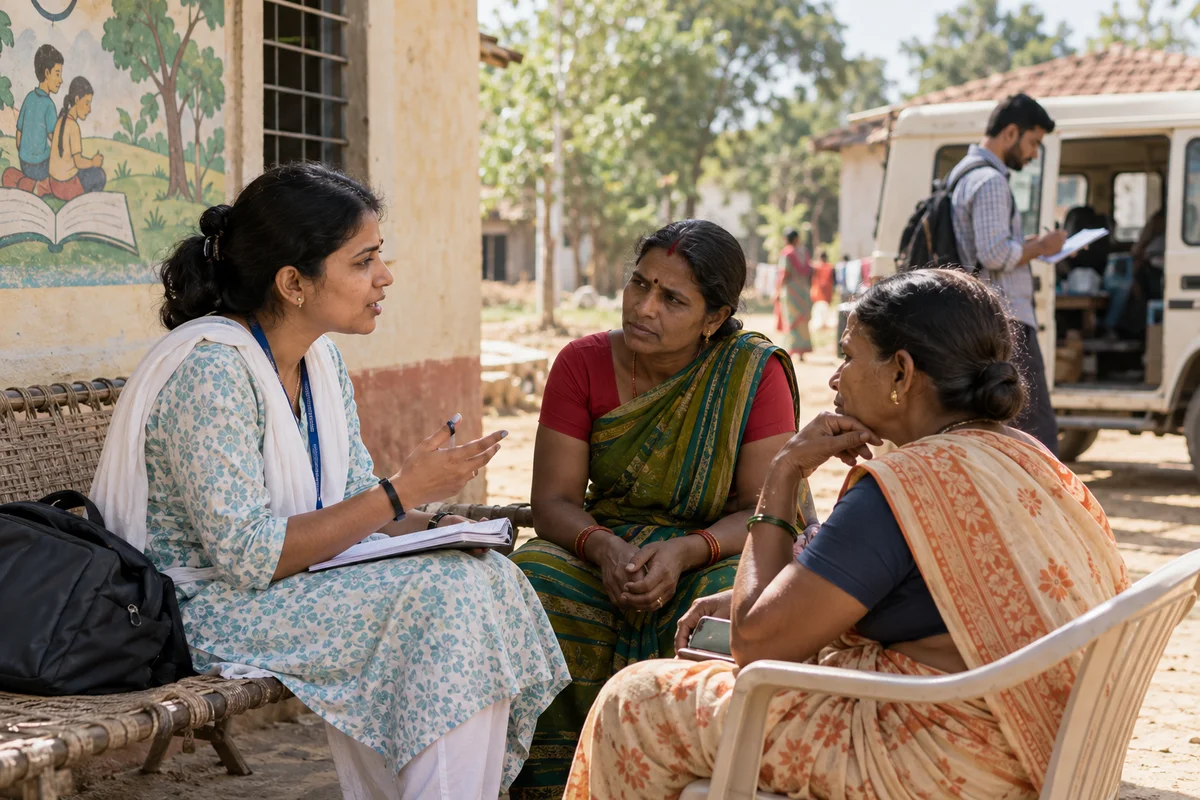
Staff at NGOs and social enterprises leave for funding, field and workload reasons as well as pay. How to understand why, listen early and act.
7 min readRead article
A practical contents list for an employee handbook in a growing Indian business: what to cover, what to leave to policies, and how to keep it usable and current.
5 min readRead article
How to spot an unmanageable workload before it becomes an exit or an error, what to look at, how to talk about it and what to change, without guessing.
5 min readRead article
Eighty per cent responded, the report was thorough, and six months later trust was lower than before. What went wrong between the survey and the silence.
8 min readRead articleMore on the GullyHR blog.
One named person, ideally with a dotted line to the alumni committee. Where the institution employs the staff, agree in writing what the committee can ask of them and how conflicting asks are settled.
Give volunteers a clear channel, such as a request form and a monthly meeting. Most want to help, and a simple route stops instructions arriving by phone at all hours.
Yes, with a brief, a supervisor and a clear list of tasks. Treat the term as a learning role and record what each did. It benefits them, and it eases the paid team's load.
Only with preparation. Train them in honest conversation, set polite limits on follow up and make clear that the decision to give belongs to the alumnus. Otherwise the work damages relationships.
Wider responsibility, learning, a title that reflects the work and recognition from the committee. A relationship officer who leads reunions and trains interns has room to grow even in a small team.
We would first ask each staff member who they answer to when two seniors disagree, count the events planned against the team available and see who holds the database. A clear reporting note with a volunteer request process is a natural first job, with scope in writing for your approval.
All 6 business types in associations & membership organizations · Find another business type
See all HR topics for ngos and social enterprises, or another industry.
Tell us what is slowing your team down. We’ll help you find a practical way forward, starting with a conversation.