


















Industries
Why NGO and social enterprise employees leave and how to understand why
Staff at NGOs and social enterprises leave for funding, field and workload reasons as well as pay. How to understand why, listen early and act.
7 min readRead articleA healthcare NGO sends mobile teams to villages, staffs small clinics and runs awareness drives, all on project funding. The people work is about field rosters, scarce clinical staff and keeping posts filled when grants shift.

Not sure what you need? Tell us about your business in six short steps and we will come to the first meeting prepared.
Share your requirementsA healthcare NGO might run a mobile clinic van, a network of village health workers, a small charitable hospital wing, a mental health helpline or a screening camp programme. Its workforce spans salaried doctors and nurses, outreach workers paid a stipend, counsellors, drivers, camp organisers and volunteers from medical colleges. Posts are tied to projects, and a project can end or change scope with a few weeks of notice. Staff are scattered across blocks and districts, and the head office sees them mainly through reports. This page deals with people and workflow only, not clinical practice. See also HR for NGOs and social enterprises and the NGO and foundation group.
These are the places the people side of this kind of business tends to give way. The rest of this page works through them.
HR here has to work for each of these groups, not only the office. The set-up below is written with all of them in mind.
A doctor or nurse willing to work in a block with poor transport and few facilities is rare, and a vacancy can last months.
The gap between the hours asked and the amount paid fuels frustration, and the best workers get offers from health departments.
If a nurse or driver does not turn up on the day of a camp, the whole visit may be cancelled for a village that waited a month.
Their time is booked by the hour or visit, and records of who came, when and what was agreed are often kept on loose sheets.
Counsellors and field workers carry the weight of what they hear, and few NGOs offer them any support of their own.
When a donor changes focus, a team that has built trust with a community may be told to wind down in a quarter.
Qualification papers, registrations and training dates are with project offices, and head office cannot say quickly who is cleared to do what.
Start with the topics that matter most here: Recruitment and Talent Acquisition; Health, Safety and Wellbeing; Employee Administration. Then work through the rest. Each topic is written for ngos and social enterprises, not in general.
Requisition to joining, the same way every time.
Induction, records, incident reporting and follow-through.
Records, attendance, leave and the day-to-day HR that must simply work.
How many people, in which roles, by when — and what they will cost.
Structure, reporting lines and who is allowed to decide what.
A first day that is the same for the fifth joiner as the first.
Salary structure, payroll inputs and a month that closes on time.
Goals, reviews and ratings that hold up in a conversation.
Training planned from need rather than from the calendar.
Named backups for the roles that cannot be vacant.
Communication, recognition and the conditions people actually work in.
Two routes — one for complaints, one for conduct — kept separate.
Policies a manager can apply, and obligations with owners and dates.
Who leaves, when, why — and which of them mattered.
Resignation to relieving letter, in a defined order.
Records that survive people, and approvals that do not queue.
A short monthly pack management actually reads.
An HR function that runs the same way every month.
The pieces a healthcare NGOs business puts in place, in an order that makes each easier. Open any card for the detail.
Each clinical and outreach person with role, qualification papers held, registration dates to be renewed and training done.
What this coversHideEach clinical and outreach person with role, qualification papers held, registration dates to be renewed and training done. The employee information management work gives you a structure.
A named person for each role and a named backup, shared with the team lead.
What this coversHideA named person for each role and a named backup, shared with the team lead. The attendance and shift process can hold the roster and record who came.
Keep contact with retired nurses, local graduates and past volunteers who might cover a gap.
What this coversHideKeep contact with retired nurses, local graduates and past volunteers who might cover a gap. The recruitment process can maintain this list between hiring rounds.
Write what hours are expected, what travel is reimbursed and what next step exists after one or two years of service.
What this coversHideWrite what hours are expected, what travel is reimbursed and what next step exists after one or two years of service.
A regular check-in with a senior colleague or an outside counsellor for those who face hard cases.
What this coversHideA regular check-in with a senior colleague or an outside counsellor for those who face hard cases. The workplace wellbeing work can set this up.
At the start of a project, decide what happens to the team if funds end: redeployment, a notice period or a link with a partner.
What this coversHideAt the start of a project, decide what happens to the team if funds end: redeployment, a notice period or a link with a partner.
Before changing anything, find out what is true today. These checks take an afternoon and tell you which of the topics above to start with.
Share your requirementsConfirm with a qualified professional. What applies to you depends on your business, your state and your arrangements, and it changes. This page describes practice. It does not state a legal position.
The services below fit this kind of business best. Each starts by recording where you stand, and every later report compares against that. We do not promise outcomes.
Rosters for camps and mobile units with named backups, and a clean record of who attended and when.
Support for field teams who travel long distances and hear difficult stories, set up in a way a small NGO can sustain.
A bench of people for scarce clinical and outreach posts, so a vacancy does not sit open for months.
A single, current record of qualifications and training for each person, available to head office quickly.
Start with a free conversation, or see the paid HR Diagnostic.
Understand the business, its workforce, current processes and HR challenges.
Find the missing, weak, inconsistent or person-dependent processes.
Create the structure, processes, policies, SOPs, dashboards and systems needed.
Help HR and department managers actually adopt the new system.
Digitise repetitive and approval-based workflows where it is worth doing.
Track hiring, attendance, employee cost, performance, training and attrition.
Strengthen the people-management system continuously, not once.
From the GullyHR blog: one on HR in ngos and social enterprises, and one on each of the topics this page points to.
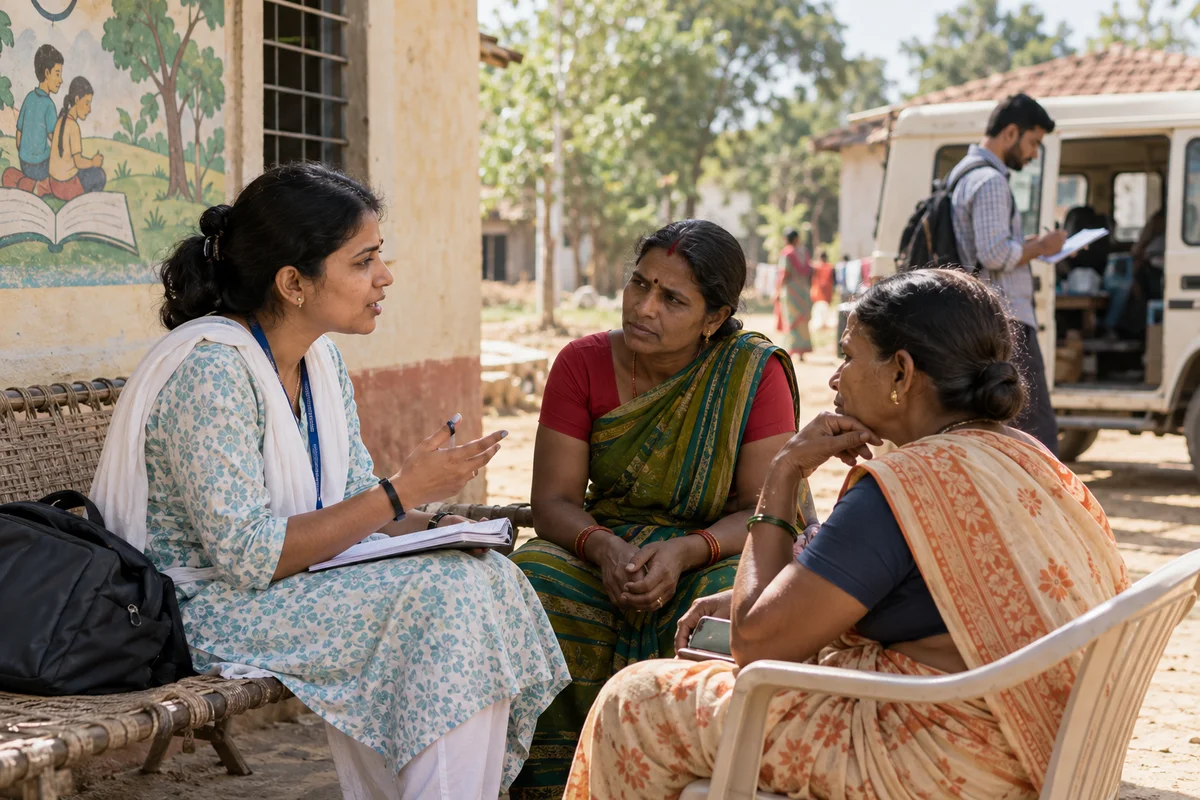
Staff at NGOs and social enterprises leave for funding, field and workload reasons as well as pay. How to understand why, listen early and act.
7 min readRead article
Sources beyond the neighbouring gate for setters, turners, inspectors and leak test hands, plus a one-hour bench trial built from your own rejected parts.
7 min readRead article
A shift, weekly and monthly safety routine for rubber plants that names who checks platen guards, mill trip bars, autoclave doors, burst-test cages and slings, and who acts on near misses.
7 min readRead article
Payroll says one joining date, the personal file says another and the manager remembers a third. How to establish a single trustworthy employee record and keep it that way.
7 min readRead articleMore on the GullyHR blog.
Look first at people with local ties, who are likelier to stay. Offer clear terms, a defined period and a support structure, and keep a bench of contacts so that gaps are shorter than months.
The date, place, each role with a named person, a named backup and a contact number. Share it with the team lead and the village contact at least a week ahead.
Write down the hours and tasks expected, reimburse travel on a regular date and show a step up after proven service. Unclear terms are the main cause of resentment.
Keep a separate visitor register with dates, hours and papers on file. They are not on regular rosters, but your records should show who attended and under whose arrangement.
Start with a regular check-in with a senior colleague, a short talk on handling hard cases and a named person to call. An outside counsellor on call adds more where the budget allows.
We would ask how long your longest vacancy has run, whether a camp has been cancelled for lack of staff and where qualification papers are kept. A good opening project is a camp roster with backups plus a single staff record. Scope is written down for you to accept or change.
All 6 business types in NGOs & foundations · Find another business type
See all HR topics for ngos and social enterprises, or another industry.
Tell us what is slowing your team down. We’ll help you find a practical way forward, starting with a conversation.