


















Industries
Why NGO and social enterprise employees leave and how to understand why
Staff at NGOs and social enterprises leave for funding, field and workload reasons as well as pay. How to understand why, listen early and act.
7 min readRead articleChildren's homes, shelters and child protection programmes run round the clock with caregivers, counsellors and case workers. The people work is about careful hiring, shift cover, clear conduct rules and staff who do not burn out.

Not sure what you need? Tell us about your business in six short steps and we will come to the first meeting prepared.
Share your requirementsA child welfare organisation might run a residential home, a shelter for street children, a childline-style helpline, a foster care programme or a community outreach unit. The staff are house parents and caregivers on rotating shifts, night wardens, cooks, teachers, counsellors, case workers and a small management team. Children are in their care all day and night, so there is always someone on duty and rarely a spare person. Trust is the central asset, which makes hiring, conduct and record keeping matters of the highest weight. This page covers people and workflow only. See also HR for NGOs and social enterprises and the NGO and foundation group.
These are the places the people side of this kind of business tends to give way. The rest of this page works through them.
HR here has to work for each of these groups, not only the office. The set-up below is written with all of them in mind.
Caregivers are on duty at night, on festival days and when someone is ill. One gap leaves children under the care of too few adults.
A wrong choice of caregiver is not just a poor hire. The cost falls on children, so the process must be careful and unhurried.
Staff are told informally how to behave with children, so the line between kindness and a breach is unclear to new people.
Staff hear about abuse, loss and neglect and often have no place to put it. Many leave after a year or two from sheer fatigue.
Visitors, donors and college groups wish to spend time with children. Each visit needs a clear rule on who may be alone with whom.
Staff training dates, reference notes, signed codes and incident logs sit in different places, and a lost file is a serious problem.
Start with the topics that matter most here: Policies, Compliance and Governance; Employee Relations; Health, Safety and Wellbeing. Then work through the rest. Each topic is written for ngos and social enterprises, not in general.
Policies a manager can apply, and obligations with owners and dates.
Two routes — one for complaints, one for conduct — kept separate.
Induction, records, incident reporting and follow-through.
How many people, in which roles, by when — and what they will cost.
Structure, reporting lines and who is allowed to decide what.
Requisition to joining, the same way every time.
A first day that is the same for the fifth joiner as the first.
Records, attendance, leave and the day-to-day HR that must simply work.
Salary structure, payroll inputs and a month that closes on time.
Goals, reviews and ratings that hold up in a conversation.
Training planned from need rather than from the calendar.
Named backups for the roles that cannot be vacant.
Communication, recognition and the conditions people actually work in.
Who leaves, when, why — and which of them mattered.
Resignation to relieving letter, in a defined order.
Records that survive people, and approvals that do not queue.
A short monthly pack management actually reads.
An HR function that runs the same way every month.
The pieces a child welfare organizations business puts in place, in an order that makes each easier. Open any card for the detail.
Each shift has a primary and a reserve who is ready to step in.
What this coversHideEach shift has a primary and a reserve who is ready to step in. The attendance and leave process can hold the roster and keep night and weekend duties fair.
More conversations, a structured interview on how the person would handle certain situations, reference calls and a trial period with supervision.
What this coversHideMore conversations, a structured interview on how the person would handle certain situations, reference calls and a trial period with supervision. The recruitment process can be built around it.
Short examples of what is and is not acceptable, signed by every staff member and volunteer, and explained in person on the first day.
What this coversHideShort examples of what is and is not acceptable, signed by every staff member and volunteer, and explained in person on the first day.
No one is alone with a child without approval, all visits are logged and every volunteer is briefed on the rules.
What this coversHideNo one is alone with a child without approval, all visits are logged and every volunteer is briefed on the rules.
Regular debriefs, rest days that are really taken and a place to talk.
What this coversHideRegular debriefs, rest days that are really taken and a place to talk. The wellbeing work can set the structure.
Before changing anything, find out what is true today. These checks take an afternoon and tell you which of the topics above to start with.
Share your requirementsConfirm with a qualified professional. What applies to you depends on your business, your state and your arrangements, and it changes. This page describes practice. It does not state a legal position.
The services below fit this kind of business best. Each starts by recording where you stand, and every later report compares against that. We do not promise outcomes.
A clear code of conduct, a visitor rule and a reporting path that every caregiver and volunteer can understand and follow.
One safe place for signed codes, reference notes and training dates, with a clear owner and limited access.
A route for concerns about conduct, raised by staff or children, that is calm, fair and recorded.
A careful first month for caregivers, with supervised duties, safeguarding briefing and a check-in with the manager.
Start with a free conversation, or see the paid HR Diagnostic.
Understand the business, its workforce, current processes and HR challenges.
Find the missing, weak, inconsistent or person-dependent processes.
Create the structure, processes, policies, SOPs, dashboards and systems needed.
Help HR and department managers actually adopt the new system.
Digitise repetitive and approval-based workflows where it is worth doing.
Track hiring, attendance, employee cost, performance, training and attrition.
Strengthen the people-management system continuously, not once.
From the GullyHR blog: one on HR in ngos and social enterprises, and one on each of the topics this page points to.
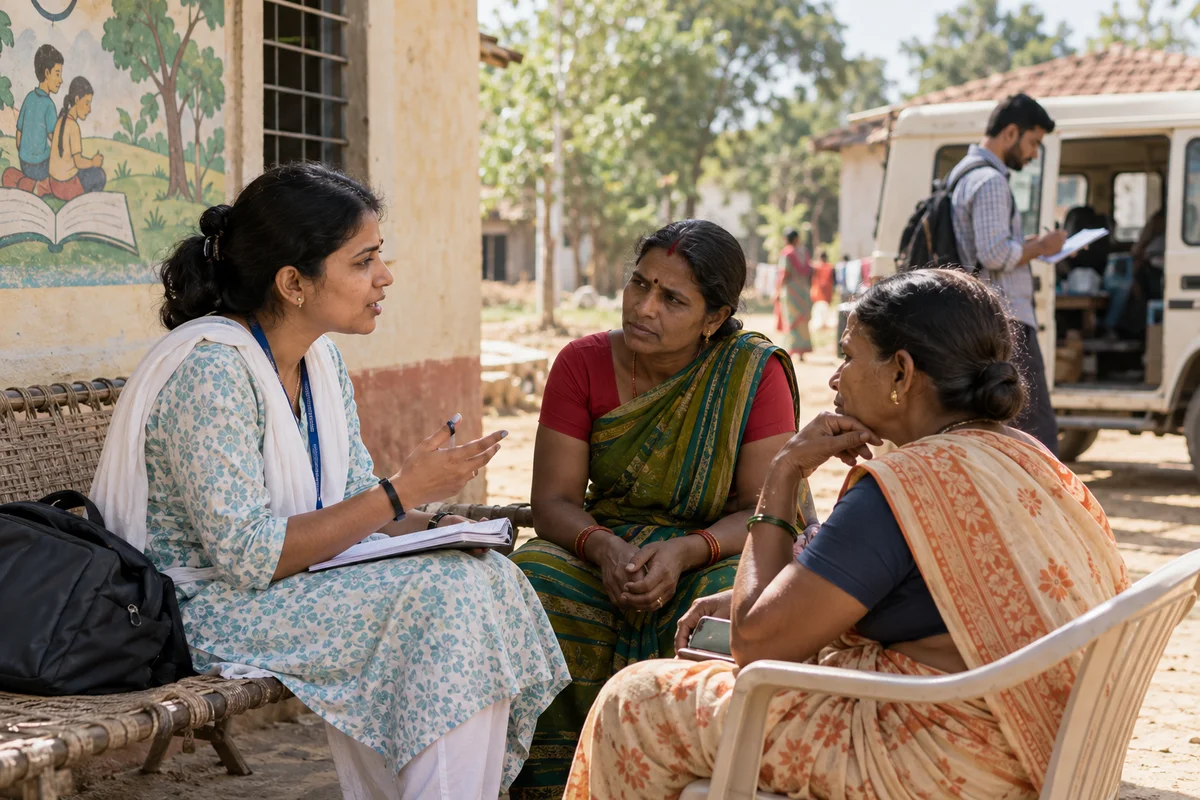
Staff at NGOs and social enterprises leave for funding, field and workload reasons as well as pay. How to understand why, listen early and act.
7 min readRead article
A practical contents list for an employee handbook in a growing Indian business: what to cover, what to leave to policies, and how to keep it usable and current.
5 min readRead article
An employee brings you a complaint about their supervisor. What happens next should not depend on who is in the room. A grievance procedure a small company can actually run.
8 min readRead article
A shift, weekly and monthly safety routine for rubber plants that names who checks platen guards, mill trip bars, autoclave doors, burst-test cages and slings, and who acts on near misses.
7 min readRead articleMore on the GullyHR blog.
More careful than for most posts. Use several conversations, a structured interview, reference calls and a supervised trial period. Confirm the screening steps required for your setting with a qualified professional.
They need extra support, since they work alone more often and are harder to supervise. Pair night work with a clear check routine, a number to call and fair rest after the shift.
Your rule should say that nobody is alone with a child without approval. Explain it kindly, offer group activities instead and keep the visit log up to date.
Give real rest days, limit consecutive night shifts, hold regular debriefs and make sure someone senior is available to talk. Burnout builds quietly, so ask early and often.
A named person, usually the child protection lead or HR, in a controlled place with limited access. The records must be easy to find in a hurry and impossible for casual visitors to open.
We would ask how shifts are covered at night, how new caregivers are chosen and where signed conduct codes are kept. A good opening project is a written code of conduct plus a careful hiring sequence. The scope is written down for you to accept or change.
All 6 business types in NGOs & foundations · Find another business type
See all HR topics for ngos and social enterprises, or another industry.
Tell us what is slowing your team down. We’ll help you find a practical way forward, starting with a conversation.