

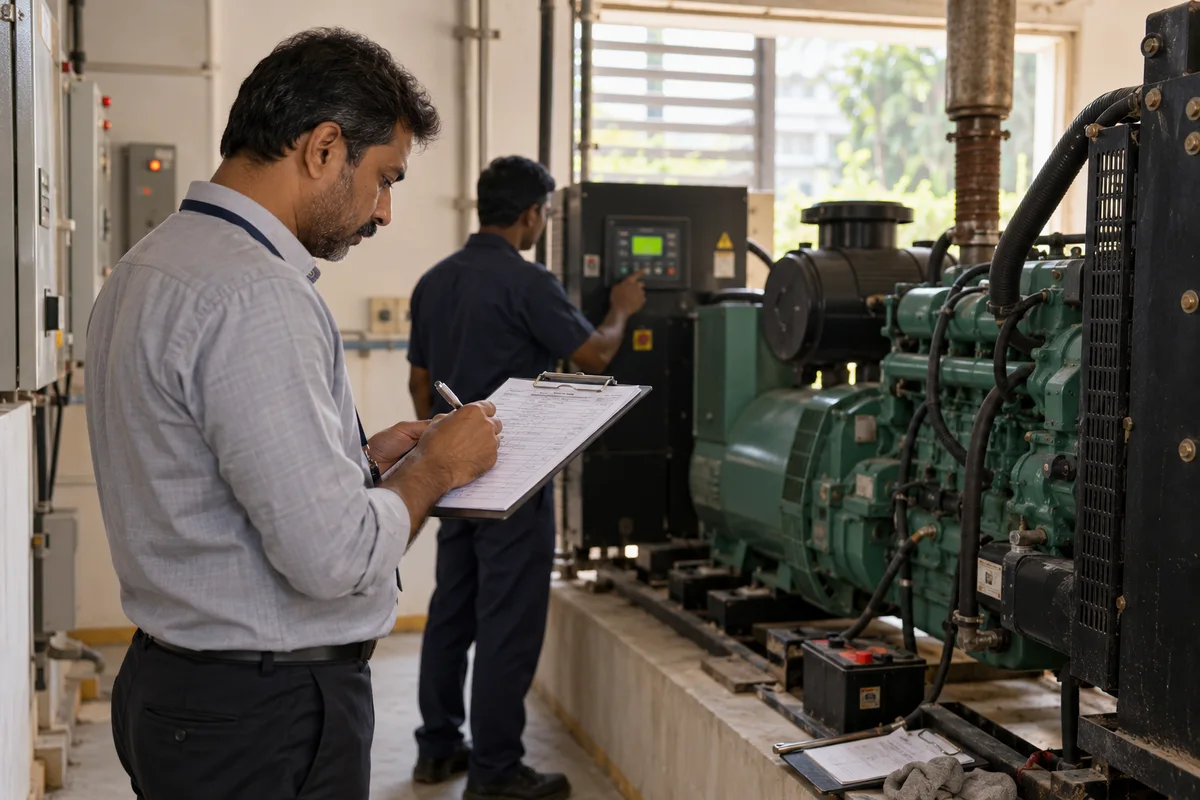


















Why facility management staff leave and how to understand why
Housekeeping, technician and security staff at client sites leave for reasons head office rarely hears. How to ask, what to look for and how to act on it.
7 min readRead articleA mall facility operator keeps a building open from morning to late night, with housekeeping, security, parking, engineering and customer help all running at once. Most of that workforce belongs to other contractors.

Not sure what you need? Tell us about your business in six short steps and we will come to the first meeting prepared.
Share your requirementsA mall facility operator runs the common areas of a shopping centre: atrium, washrooms, food court, parking, escalators and help desks. The mall opens before the shops and closes after the last show. Staff include housekeeping crews, a small engineering team, customer-care desk staff and parking marshals, often on different employers. Tenants, shoppers and the owner each judge the mall in different ways. Festival weeks, sales and weekends bring crowds that strain every shift. The operator's own team is small, and its job is to hold the larger group together. See also HR for facility management and the facility management and housekeeping hub.
These are the places the people side of this kind of business tends to give way. The rest of this page works through them.
HR here has to work for each of these groups, not only the office. The set-up below is written with all of them in mind.
The mall opens early and closes late, and staff work staggered shifts around it. Handover between shifts is where things drop.
Festival weekends and sale days need many more hands than a normal Tuesday, and the operator's own team cannot grow to match.
Housekeeping, security and parking may sit with different contractors. A shopper sees one mall, and the operator is blamed for all of it.
Customer-care colleagues handle lost children, complaints and queries. Few are trained for difficult conversations, and burnout is common.
Shop owners raise washroom, signage and cleanliness issues, usually by phone, and expect a same-day fix.
One duty manager at a time covers the whole building, with no clear rule on what to decide alone.
Extra hands for events are brought in at short notice and are expected to know the mall's layout and rules.
Start with the topics that matter most here: HR Operations and Governance; HR Strategy and Workforce Planning; Performance Management. Then work through the rest. Each topic is written for facility management, not in general.
An HR function that runs the same way every month.
How many people, in which roles, by when — and what they will cost.
Goals, reviews and ratings that hold up in a conversation.
Structure, reporting lines and who is allowed to decide what.
Requisition to joining, the same way every time.
A first day that is the same for the fifth joiner as the first.
Records, attendance, leave and the day-to-day HR that must simply work.
Salary structure, payroll inputs and a month that closes on time.
Training planned from need rather than from the calendar.
Named backups for the roles that cannot be vacant.
Communication, recognition and the conditions people actually work in.
Two routes — one for complaints, one for conduct — kept separate.
Policies a manager can apply, and obligations with owners and dates.
Induction, records, incident reporting and follow-through.
Who leaves, when, why — and which of them mattered.
Resignation to relieving letter, in a defined order.
Records that survive people, and approvals that do not queue.
A short monthly pack management actually reads.
The pieces a mall facility operators business puts in place, in an order that makes each easier. Open any card for the detail.
A short written note of open issues, closed areas and tenant requests, so the next duty manager starts informed.
What this coversHideA short written note of open issues, closed areas and tenant requests, so the next duty manager starts informed.
A standard plan for festival and sale days, with extra hands briefed in advance.
What this coversHideA standard plan for festival and sale days, with extra hands briefed in advance. The HR strategy and workforce planning work helps set it.
Agree uniform, conduct and customer-contact rules in one document that every contractor's staff learn.
What this coversHideAgree uniform, conduct and customer-contact rules in one document that every contractor's staff learn.
Short practice on difficult conversations, lost-child handling and escalation, using the customer-service skills programme.
What this coversHideShort practice on difficult conversations, lost-child handling and escalation, using the customer-service skills programme.
A one-page list of what they may decide alone and what needs the mall manager.
What this coversHideA one-page list of what they may decide alone and what needs the mall manager.
Before changing anything, find out what is true today. These checks take an afternoon and tell you which of the topics above to start with.
Share your requirementsConfirm with a qualified professional. What applies to you depends on your business, your state and your arrangements, and it changes. This page describes practice. It does not state a legal position.
The services below fit this kind of business best. Each starts by recording where you stand, and every later report compares against that. We do not promise outcomes.
Skills for duty managers and team leaders who coordinate many contractors and respond to tenants at speed.
Safe routines for crowds, wet floors, late shifts and long standing hours, and care for people on public-facing desks.
Practical training for help-desk, guest and housekeeping staff who meet shoppers every day.
A plan for ordinary days, peak days and festival weeks, with clear lines between your staff and contractors.
Start with a free conversation, or see the paid HR Diagnostic.
Understand the business, its workforce, current processes and HR challenges.
Find the missing, weak, inconsistent or person-dependent processes.
Create the structure, processes, policies, SOPs, dashboards and systems needed.
Help HR and department managers actually adopt the new system.
Digitise repetitive and approval-based workflows where it is worth doing.
Track hiring, attendance, employee cost, performance, training and attrition.
Strengthen the people-management system continuously, not once.
From the GullyHR blog: one on HR in facility management, and one on each of the topics this page points to.

Housekeeping, technician and security staff at client sites leave for reasons head office rarely hears. How to ask, what to look for and how to act on it.
7 min readRead article

Every growing company reaches a point where the founder approving everything stops being speed and starts being the bottleneck. Twelve signs it has happened, and what to fix first.
9 min readRead article
Hiring decisions made one request at a time, in the month the pain is worst. What a workforce plan contains and why a twelve-month view changes what you hire.
7 min readRead article
Measures that show how reactor, console, lab and gantry staff are really doing, the ones that mislead or bury near misses, and a monthly sheet an in-charge can run in twenty minutes.
7 min readRead articleMore on the GullyHR blog.
By agreeing common standards in writing, running a joint briefing and giving contractors a clear point of contact. You do not manage their pay, but you can set how their people behave in your building.
Making quick decisions, handling tenants, and passing information at handover. Training helps, especially on when to decide and when to escalate.
Plan the extra hands by area from last year's pattern, brief them before the day and keep them to defined tasks. Avoid last-minute hiring, which brings untrained people.
Roles differ and pay should reflect skills and local rates. Decide it from a written role definition, not by comparing job titles.
Log it, check the shift roster and the last inspection, and reply the same day. A pattern of complaints usually traces to a particular time of day or a short-staffed shift.
We would ask how many employers work in your building, how handovers are done and what happens on your biggest sale weekend. A shift handover note, a peak-day plan and a duty manager guide are a sensible start, with scope written down for your approval.
All 5 business types in facility management & housekeeping · Find another business type
See all HR topics for facility management, or another industry.
Tell us what is slowing your team down. We’ll help you find a practical way forward, starting with a conversation.
