HR for Bakery Product Manufacturers: Dough, Ovens, Early Starts and Fresh Dispatch
A bakery product maker mixes, proves and bakes bread, buns, biscuits and cakes, and ships them fresh each morning. The people problem is night and early shifts, oven heat, a head baker and dispatch that cannot wait.
Make this work for your business. Share your team size, priorities and what you need help with. We’ll use your brief to prepare for the first conversation.
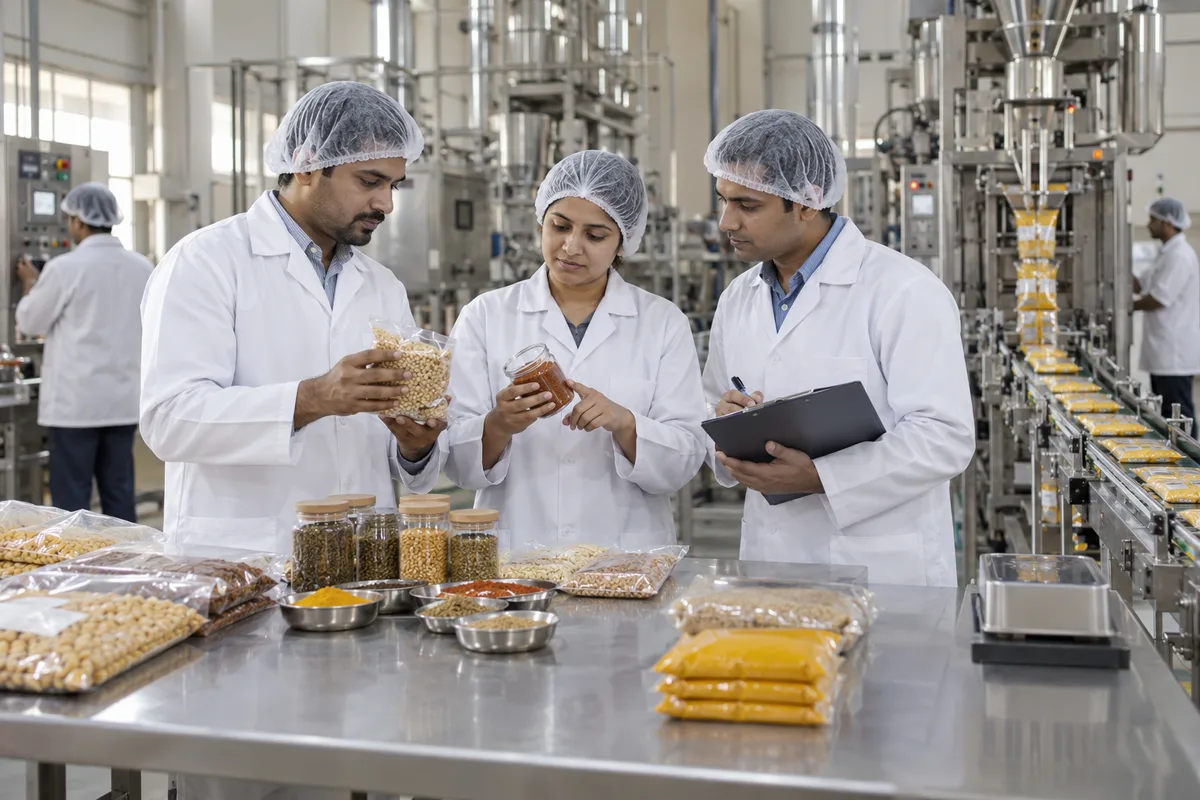
A bakery product manufacturer prepares dough or batter, rests and proves it, bakes in ovens, cools, slices, packs and dispatches to shops, hotels and distributors, with work starting before dawn. Bread and buns are made daily and cannot be stored, while biscuits and cakes allow some stock. The production day begins at night so that vans leave early. The head baker judges dough by feel, tunes proving time to the weather and holds recipes. Oven work is hot, and packing and van loading are done in a hurry under a clock, by the same people who started at midnight. See also HR for food and beverage.
Plan→
Hire→
Onboard→
Manage→
Develop→
Perform→
Engage→
Retain→
Exit→
Improve
When HR is weak in bakery product manufacturers, you may see
Production starts at night for morning delivery
The head baker adjusts dough by feel
Oven heat and flour dust wear workers down
Dispatch deadlines cannot be moved
Festival and wedding seasons raise orders sharply
Delivery crews meet shopkeepers alone
These are the places the people side of this kind of business tends to give way. The rest of this page works through them.
Why GullyHR for bakery product manufacturers
Night shifts, ovens and dispatch that run to the clock every morning.
For bakery owners and production heads who start at night so vans leave at dawn. A night shift plan, a second baker trained beside the head baker and a back-timed dispatch schedule keep the ovens and the vans on time.
01
A night shift plan that is fair
A rota for mixing, baking and packing teams that shares the early hours, gives rest after a run of nights and names a cover person, so night staff stop leaving or going absent.
02
The head baker's skill written down
Dough, proving and oven guides written with the head baker, so a second baker can learn the feel for dough and the weather adjustments without waiting for the head baker to be away.
03
Heat and dust routines at the ovens
A short routine for oven breaks, water, ventilation checks and dust control, written with the oven operators, so complaints are caught before workers quit.
04
A back-timed dispatch schedule
A schedule worked backwards from van departure, with named owners for slicing, wrapping and loading, so a late oven no longer ruins every delivery.
Our services for bakery product manufacturers
Start with any one of these. Scope and fee are agreed in writing after a free first conversation.
HR audit
The audit starts with attendance and absence records for night staff over the last quarter, and the exit notes of those who left. We read last week's van departure times against what held each van back. We walk the floor during a night run, from dough mixing to wrapping, and speak with mixers, oven operators, packers, van loaders and the production in-charge. We trace the last return or cash difference from a delivery crew. The report ranks findings by effect on dispatch, retention and safety.
What you receive
A night shift attendance, absence and leaver report by team
A dispatch delay analysis against van departure times
A skills dependency note centred on the head baker
An example, not a client storyTake a bakery whose vans leave late three days a week and the owner blames drivers. The audit would follow a night from first mix to loading, find the proving room runs behind when one mixer is absent, and propose a cover plan and a back-timed schedule that the production in-charge can own.
We start with the night shift plan: who works which nights, when breaks fall, how rest is given after a run of nights and who covers an absence. Next we write the dough and oven guide with the head baker, covering mixing, proving, baking and what to adjust for the weather. Then the dispatch and returns routine for delivery crews: loading order, shop handovers, how cash and returns are recorded. Each sheet is tested on a real night run and kept short enough to be read at the bench.
What you receive
A night shift and cover rota with rest rules
A dough, proving and oven guide written with the head baker
A delivery handover and returns sheet for van crews
An example, not a client storyPicture a head baker who is away for a week and the proving time is guessed wrongly on a humid night. We would write the dough guide with him, include the weather adjustments and run a night with the second baker using only the sheet while the head baker watches and notes what is missing.
Each week we update the night rota against attendance and absence, and talk to the production in-charge about cover. We read van departure times, find what held each van and raise patterns with the owner. We follow the second baker's training plan with the head baker and note progress on the file. We collect heat and dust complaints from the ovens and the packing line and check that the routines are being followed. Delivery crews meet us monthly about returns, cash and any disputes with shopkeepers.
What you receive
A weekly night rota and attendance review with the production in-charge
A van departure review with causes recorded for each late van
A second baker training tracker with the head baker's sign-offs
An example, not a client storySay the evening before a festival rush sends orders up sharply and three night staff are absent. Our weekly review would have flagged the festival dates, we would add cover from the day shift, brief the van crews on the earlier departures and keep a record of the extra hours worked.
We recruit permanent bakers, oven operators, mixing and moulding staff, cake decorators, production in-charges and van team leaders. Each brief states the night start, the heat and the dispatch clock plainly. Candidates for baking roles shape or bake under the head baker's eye; decorators finish a sample cake; van leaders talk through a late-delivery morning and a cash difference. Everyone is scored on one sheet. We do not supply casual staff or check backgrounds, and your adviser confirms the registration and employment terms for the role.
What you receive
Role briefs that state night starts and oven heat plainly
A bench, oven or finishing task for each baking role
A scoring sheet used by the head baker and production in-charge
An example, not a client storySuppose the head baker wants a second baker who can judge dough by feel, but interviews only show confident talkers. We would set a bench task with real dough, have two people score it on the same sheet and compare the results before any offer is made, and the notes are kept for the next search.
We train the second baker beside the head baker on dough judgement, proving time and oven control, using the written guide as a base. Oven and cooling staff learn the heat and dust routine, including breaks and water. Packers and loaders practise the back-timed dispatch order. Van crews learn how to hand over to a shopkeeper, record returns and count cash. Production in-charges learn how to brief a night shift, handle a late oven and speak to someone who is struggling with nights. Each session is held before the shift starts.
What you receive
A second baker apprenticeship plan beside the head baker
A heat, dust and break routine session for oven staff
A van crew handover, returns and cash practice
An example, not a client storyPicture a van loader who is asked to take back a shop's returns and does not record them. We would train the crew on a simple returns sheet, practise counting cash with the production in-charge and have the shopkeeper's signature recorded on each delivery, so a dispute can be checked next morning.
The handbook covers night shift hours, breaks, rest after a run of nights, heat and dust routines, hygiene at the bench, dispatch times, returns and cash handling for van crews. We set up HR software with each worker's file, shift history, training sign-offs and absence record, so the production in-charge and owner see the same picture. Your adviser confirms the registration, record-keeping and employment obligations before anything is issued, and we revise the wording when you add a product line, a shift or a new delivery route.
What you receive
A night shift and rest policy for production staff
A returns and cash rule for delivery crews
HR software records for staff files, rotas and sign-offs
An example, not a client storySuppose a night worker says he was never told the break rule and the in-charge says he was. With a written night shift policy and a signed acknowledgement in the software, the matter is settled by reading one page, and the policy is reissued to the whole team with a signature line.
Questions owners of bakery product manufacturers ask us
We write a night rota that shares the early hours, gives rest after a run of nights and names cover for absences, then check attendance weekly. Staff read the plan before it starts. Your adviser confirms how night work, rest and overtime are treated in your terms, and we adjust the rota to match. Staff keep a copy.
We write dough, proving and oven guides with the head baker, including weather adjustments, and set up a second baker training plan with sign-offs at each step. The head baker stays in charge of method. The guide is a record of his craft, not a replacement for it, and you decide what stays private. Nothing is shared outside the bakery.
We write a short heat and dust routine with oven operators, covering breaks, water, ventilation checks and who raises a concern, and we track complaints. This helps you catch problems early. Safety and health duties for your premises are confirmed by your own adviser before the routine is issued. Complaints are reviewed with the owner each month.
We write a handover and returns sheet that the shopkeeper initials, a simple cash count at the end of the route and a short training session for van crews. The production in-charge reviews the sheets weekly. Cash handling wording and record duties are confirmed by your adviser. Disputed returns are then settled from paper, not memory.
Roles we help you hire in bakery product manufacturers
GullyHR runs talent acquisition for permanent roles in bakery product manufacturers. For each role we agree the job description with you, find and screen candidates against it, and support the offer through to joining. Tell us the role and the number of people, and we start there.
We recruit permanent employees. We do not supply contract or temporary staff.
Where HR strains in bakery product manufacturers
Production starts at night for morning delivery
Night shifts disturb sleep and family life, so attendance is fragile and the best night people are hard to replace.
The head baker adjusts dough by feel
Weather, flour batch and room heat change the dough, and the baker reads it. Few others in the unit can.
Oven heat and flour dust wear workers down
Bakers handle trays at high heat and breathe flour dust, and burns and cough are common complaints.
Dispatch deadlines cannot be moved
Late vans mean stale shelves and lost orders, so any hold-up in baking is pushed onto packers and loaders.
Festival and wedding seasons raise orders sharply
Cake and sweet bread orders jump, and the team works extra hours while experienced decorators are in high demand.
Delivery crews meet shopkeepers alone
Crews handle returns and cash, and the plant relies on their honesty and punctuality without direct supervision.
HR topics for bakery product manufacturers
Start with the topics that matter most here: HR Strategy and Workforce Planning; Health, Safety and Wellbeing; Career and Succession Management. Then work through the rest. Each topic is written for food and beverage, not in general.
Count how many night staff left or were absent frequently last quarter.
Ask the head baker what a second baker should learn first.
Check where flour dust and heat complaints come from.
Look at last week's van departure times and what caused delays.
Read the last return or cash difference and trace how it arose.
Confirm with a qualified professional the registration, record-keeping and employment obligations that apply to your bakery product manufacturing business.
Confirm with a qualified professional. What applies to you depends on your business, your state and your arrangements, and it changes. This page describes practice. It does not state a legal position.
Kitchen, service and outlet staff leave quickly in food and beverage. How to ask what lies behind the first answer, compare outlets and act on what you learn.
How a D2C founder can decide which digital marketing work to hire for, which to buy from an agency, and which to split, with a worksheet and a five step plan.
A shift, weekly and monthly safety routine for rubber plants that names who checks platen guards, mill trip bars, autoclave doors, burst-test cages and slings, and who acts on near misses.
Use fixed night teams with volunteers where possible, limit stretches of nights and give a rest day after. Fair pay for night work and safe transport also matter.
Write adjustments for weather and flour batch, let a second baker work alongside and recognise the role in pay and title.
Provide proper gloves, water and masks, set a break rule and ask staff where problems occur. Fix tray handling at the oven first.
Plan back from the van departure time, share it across sections and check each morning where the delay began.
Collect orders early, arrange decorators and part-time help ahead, and give rest after the peak.
We would ask about night shift absence, what the head baker holds that nobody else does and what caused late vans. A good first piece of work is a night shift plan and a second baker path.
Tell us your industry, team size and the issue you want to address. Bring one example of where work gets delayed or ownership is unclear, and the deadline or decision you are working towards.