Industrial Automation and Robotics · Automation Equipment Makers
HR for Automation Equipment Makers: Special Machines, Fabrication, Fitting and Trials
Automation equipment makers build special-purpose machines, conveyors and assembly lines to a customer's brief. Each machine is close to a one-off, so fitters and designers carry knowledge that no drawing holds.
Make this work for your business. Share your team size, priorities and what you need help with. We’ll use your brief to prepare for the first conversation.
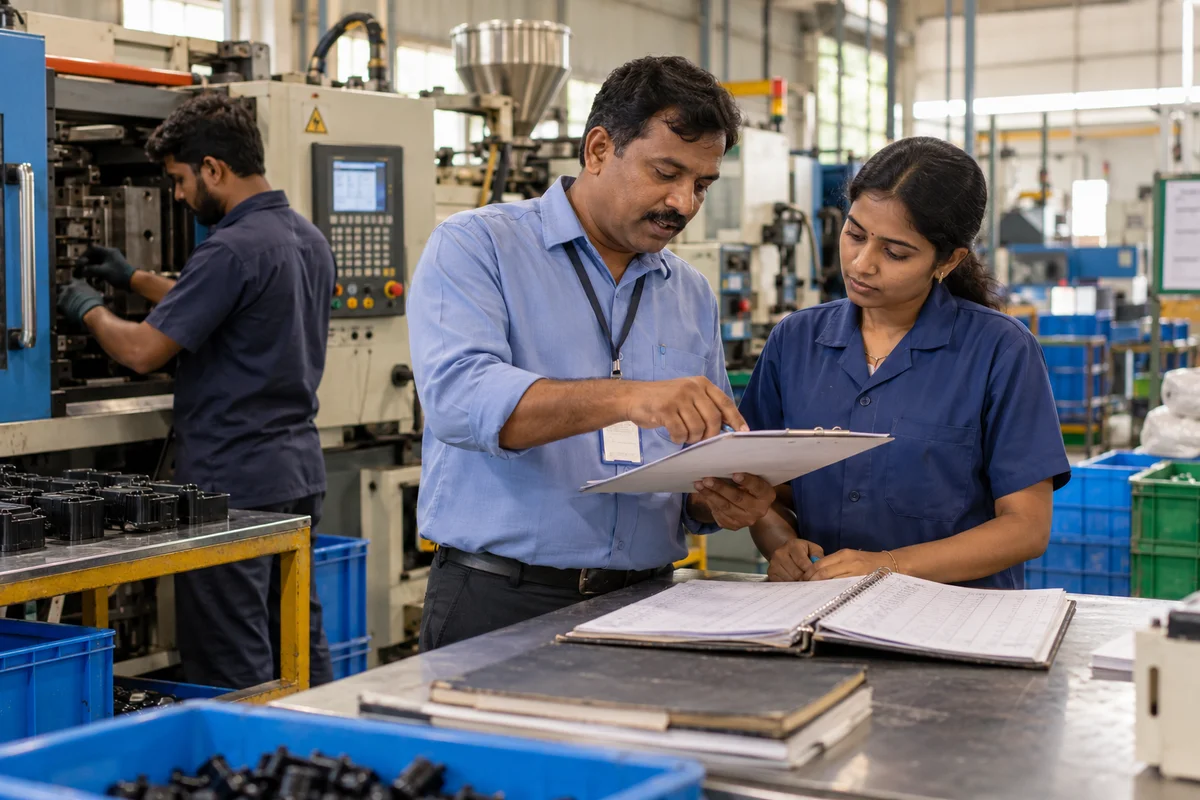
An automation equipment maker builds special-purpose machines, assembly lines, test rigs and handling systems. A job runs from the customer brief through design and bought-out parts, to machined and welded frames, then mechanical fitting, panel wiring, PLC programming and a factory acceptance trial, before the machine is stripped, crated and installed on site. Because each build is largely unique, fitters adjust and solve problems as they go. Senior fitters know how to make a one-off run, and designers know what the customer expects. A few customers set fixed delivery dates, and delay in one trade pushes into the next. Related reading: HR for manufacturing.
Plan→
Hire→
Onboard→
Manage→
Develop→
Perform→
Engage→
Retain→
Exit→
Improve
When HR is weak in automation equipment makers, you may see
The best fitter's tricks are not on any drawing
Designer and fitter point at each other
Delivery dates squeeze the trial stage
Trades run to separate clocks
Few orders mean idle weeks
Helpers see no ladder
These are the places the people side of this kind of business tends to give way. The rest of this page works through them.
Why GullyHR for automation equipment makers
Fitters' tricks written down before the machine ships.
For special-machine builders where each job is close to a one-off. GullyHR runs a review after every machine, grades fitters by complexity and puts designers on the floor.
01
One-hour review after every machine
Fitters, designers and the trial engineer meet once the machine ships and note what worked, what was fixed by hand and what the next build should change. Tricks stop leaving with people.
02
Grades by machine complexity
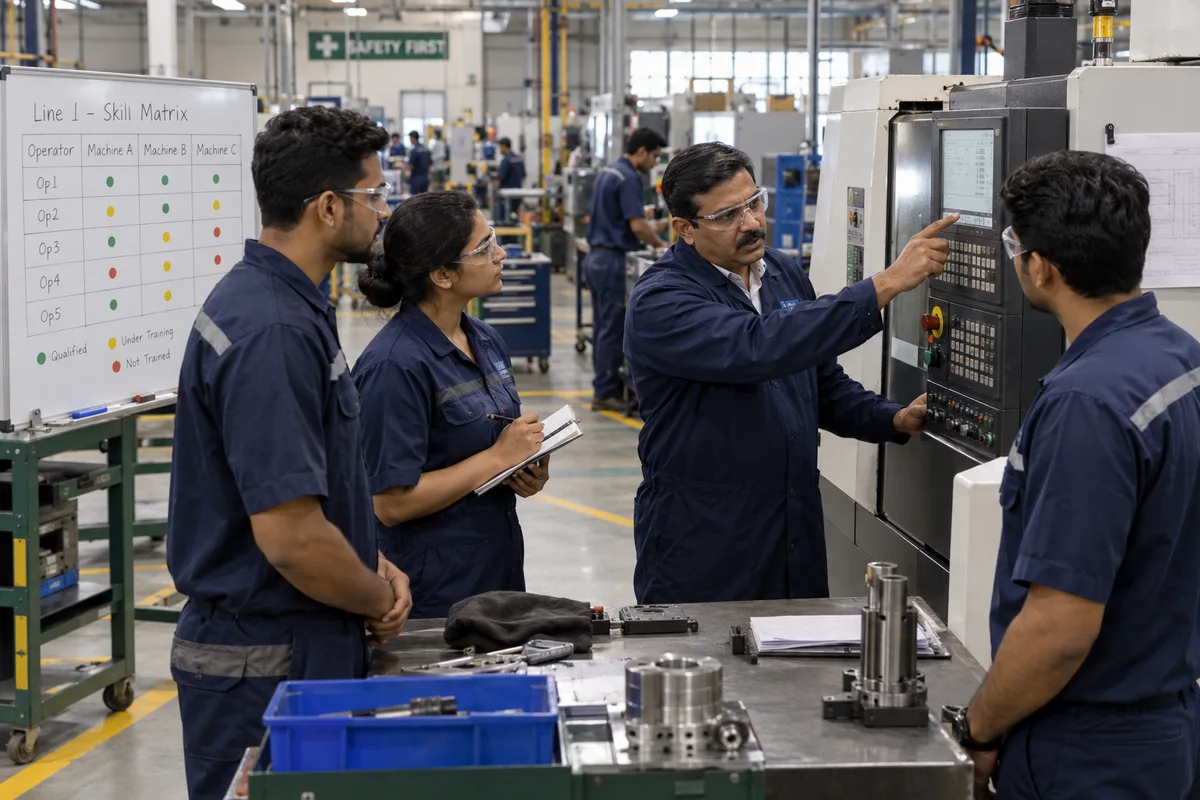
Fitters and technicians are graded by the complexity of machine they can build alone. Allocation follows skill and a path to the next grade is visible.
03
Designers on the floor weekly
A routine puts each designer on the shop floor for a set time every week. The blame between designer and fitter softens when both see the same part.
04
One view of labour across trades
Machining, welding, fitting, wiring and programming share a single plan. A delay in one trade is seen by the next before it arrives.
Our services for automation equipment makers
Start with any one of these. Scope and fee are agreed in writing after a free first conversation.
HR audit
The audit takes the last three machines and follows each from the customer brief to the trial. We list fit problems and who was blamed, mark which stage held up late jobs and ask the senior fitter which tricks appear on no drawing. Designers describe how frequently they visit the floor. We count helpers who stay beyond two years and ask what they see ahead. The report ranks the findings by how likely each is to repeat on the next machine. We also ask what each person would change on the next build.
What you receive
Fit problem and delay trace for the last three machines, stage by stage
Findings on knowledge held only by senior fitters, with the gaps ranked
Helper retention and progression review, with comments from the helpers themselves
An example, not a client storySuppose a machine passes trial but the fitter who made it run is on leave when it fails on site. The owner asks what was never written down. We would interview the fitter, the designer and the trial engineer and record the gaps. A written gap list would go to the owner within the week.
Because every build differs, process design focuses on how learning moves between builds. The post-machine review comes first, with a short format and a place to keep the notes. Fitter grading follows, defined by machine complexity and signed by a senior fitter. A weekly designer floor routine is written with the design lead. Last is a single labour view that shows machining, welding, fitting, wiring and programming against the same job dates, so delays show early. Each is trialled on one live build before it spreads.
What you receive
Post-machine review format and a lessons register kept beside the job file
Fitter and technician grade sheet by machine complexity, signed by a senior fitter
Weekly designer floor routine and a cross-trade labour view against job dates
An example, not a client storyPicture a build where welding finishes late, fitting waits and wiring starts under pressure. Nobody saw it coming. We would set up a shared view with each trade's finish date, so the next trade can raise the delay on the day it appears. The next trade would then see the slip on the day it happens.
Each week we meet the project managers to match labour to job dates across all trades. We keep the grade sheet current and note who is ready for the next level. Helpers get a progress check with their lead fitter. During trial weeks we plan cover so the engineers who run the trial are not also pulled onto other builds. When orders are few we plan the idle weeks: training, tool care, jig building and documentation. A monthly note goes to the owner. A summary of open people issues goes to the owner.
What you receive
Weekly labour plan across all trades, built with the project managers
Grade sheet and helper progress notes updated after each build
Idle week plan listing training, jig building and documentation tasks
An example, not a client storySay orders thin out for a few weeks and fitters begin to worry about their position. The owner wants to keep them. We would plan the idle weeks as training and jig work, tell the team the plan and note who is progressing. A note would go to the owner.
Experienced fitters are hard to find because their skill is built on one-offs. We search among tool room, packaging machine and maintenance backgrounds. A bench task asks candidates to assemble and adjust a sample unit from a drawing, scored by your senior fitter. Designers describe a build where the fit failed and what they changed. Trial engineers are asked how they handle a customer who wants a changed spec at the last minute. Questions are the same for every candidate. Your senior fitter scores the bench task.
What you receive
Role briefs for fitter, designer and trial engineer stating site and trial duties
Bench and drawing tasks with scoring sheets for your senior fitter
Shortlist pack with scored interview answers and notes for the hiring lead
An example, not a client storyTake a builder who needs a senior fitter and has only helpers to promote. We would search tool room and maintenance pools, set a scored bench exercise and give the owner a ranked shortlist, with a separate note on helpers ready for the next grade. A note would list what each candidate would need to learn.
Senior fitters practise explaining a trick in steps and recording it for the review. Designers learn to walk the floor, ask a fitter an open question and write down what they hear. Project managers practise reading the labour view and moving a date early. Helpers join a staged programme, from tool handling to simple sub-assemblies, each stage signed off. Trial engineers rehearse the customer conversation when a spec changes. Sessions use your own machines and drawings. Refreshers are planned after each major build, so lessons reach every fitter and helper.
What you receive
Senior fitter teaching session with practice at recording a trick for the review
Designer floor listening session with a question list and a note template
Helper staged skills programme, with sign-offs at tool, sub-assembly and assembly stages
An example, not a client storySuppose a designer hears a fitter complain about an awkward bracket and replies that it is on the drawing. We would run a session in which designers practise asking what the fitter would change and recording it. Designers would then write down what the fitter said and bring it to the next review.
The handbook covers shop floor conduct, tool care and trial discipline. A grading policy explains how fitters and technicians move up and who signs. An idle week rule says what the plant does when orders are few and how people are told. A trial and site travel rule covers notice and rest. HR software holds grades, helper progress, training sign-offs and acknowledgements. Your own adviser confirms the registration, record-keeping and employment duties that bind a special-machine builder before issue. Each policy is short, with an owner and a review date.
What you receive
Grading policy with sign-off steps and a named senior fitter for each trade
Idle week rule and a plain communication note for the whole team
Helper path with named stages and HR software records of each helper's progress
An example, not a client storyPicture a shop where helpers see no ladder and leave after a year. We would write a helper-to-fitter path with named stages, put it in the handbook and track each helper's progress in the system. The owner would see progress and could answer any helper who asks about the future.
Questions owners of automation equipment makers ask us
We would run a one-hour review after every machine, with the fitter, designer and trial engineer, and keep the lessons in a register. We would also ask the fitter to teach one trick each month while a helper writes it down. It will not capture everything, but it moves the best tricks onto paper. Your adviser confirms any employment points.
We would put designers on the floor on a regular day, with a short question list and a note of what they heard. We would also write the review format so fit problems are described by cause, not by name. Seeing the same part together changes the tone, and your lead owns the follow-up. It also gives the owner a record of which fit problems repeat.
We would set up one labour view showing machining, welding, fitting, wiring and programming against the job dates, reviewed weekly with the project managers. When one trade slips, the next trade sees it early. It will not remove surprises, but it shifts them from the day of delivery to the planning meeting. Overtime rules are agreed with your adviser.
We would write an idle week plan with training, jig building, tool care and documentation, and tell the team in advance. We would also review pay and conditions before any change is considered. Your own adviser confirms the employment points, and decisions on workload remain yours. Seeing the plan removes much of the worry for everyone.
Roles we help you hire in automation equipment makers
GullyHR runs talent acquisition for permanent roles in automation equipment makers. For each role we agree the job description with you, find and screen candidates against it, and support the offer through to joining. Tell us the role and the number of people, and we start there.
We recruit permanent employees. We do not supply contract or temporary staff.
Where HR strains in automation equipment makers
The best fitter's tricks are not on any drawing
A fitter who knows how to coax a one-off machine into running saves days, and the knack leaves when the fitter does.
Designer and fitter point at each other
When parts do not fit, the fitter blames the drawing and the designer blames the build, so nothing is learnt.
Delivery dates squeeze the trial stage
Late bought-out items or design changes crush the factory trial and crating into the final days.
Trades run to separate clocks
Machining, welding, fitting and wiring each plan alone, and one trade sits waiting for another.
Few orders mean idle weeks
With a handful of customers, one delayed order leaves the bay empty and good hands start looking elsewhere.
Helpers see no ladder
They learn by watching, and a promising one has no visible path to fitter or technician.
HR topics for automation equipment makers
Start with the topics that matter most here: Learning and Development; Compensation, Payroll and Benefits; Organisation Design. Then work through the rest. Each topic is written for manufacturing, not in general.
The pieces a automation equipment makers business puts in place, in an order that makes each easier. Open any card for the detail.
Hold a one-hour review after every machine
Design, fitting and wiring staff sit together after the factory trial to note what went wrong and right, and the notes are filed for the next build.
What this coversHide
Design, fitting and wiring staff sit together after the factory trial to note what went wrong and right, and the notes are filed for the next build. See HR documentation process.
Grade fitters and technicians by machine complexity
A scale from helper to senior fitter tied to the kind of machine each can build alone, linked to pay.
What this coversHide
A scale from helper to senior fitter tied to the kind of machine each can build alone, linked to pay. Compensation benchmarking supports the steps.
Put designers on the floor every week
A fixed hour for designers to watch assembly and answer fitters' questions, so fit problems are found before the trial.
What this coversHide
A fixed hour for designers to watch assembly and answer fitters' questions, so fit problems are found before the trial.
Plan labour across trades in one view
The project manager owns a weekly sheet of what each trade needs and has, so waiting is spotted early.
What this coversHide
The project manager owns a weekly sheet of what each trade needs and has, so waiting is spotted early. Role design settles who owns that sheet.
Build a helper-to-fitter path
Set stages, a senior who reviews each one and a mark of recognition at each pass.
Ask your senior fitter which tricks on the last machine are in nobody's drawing.
List the last three fit problems and who took the blame.
Find the late jobs and name the stage that held each one.
Count helpers who have stayed more than two years.
Ask how many times a designer stood on the shop floor last month.
Confirm with a qualified professional the registration, record-keeping and employment duties that bind a special-machine builder like yours.
Confirm with a qualified professional. What applies to you depends on your business, your state and your arrangements, and it changes. This page describes practice. It does not state a legal position.
Why the best operator can struggle as shift supervisor, what it costs the line, and a practical way to choose, prepare and back new supervisors in any kind of plant.
A founder's guide to hiring freshers and running a first-year programme: campus or open drives, a screening round, a training plan by quarter, mentors and checkpoints.
Simple variable pay structures for product and engineering teams: four options, why individual metrics backfire, a build plan and a one page outline to adapt.
A founder's guide to building job grades, titles and billing levels for a growing IT services firm, with a step-by-step method and a grade description outline.
Run a short review after each build with the fitter present, write down the notes and have a junior work beside them. Recognise the skill with a grade.
Hold joint reviews, send designers to the floor weekly and mark each fix on the drawing. Talk about causes, not people.
Use quiet weeks for training and maintenance, keep a few part-time or returning hands for peaks and tie hiring to confirmed orders.
Keep one weekly sheet of each trade's needs and capacity, owned by the project manager and reviewed with the team leads.
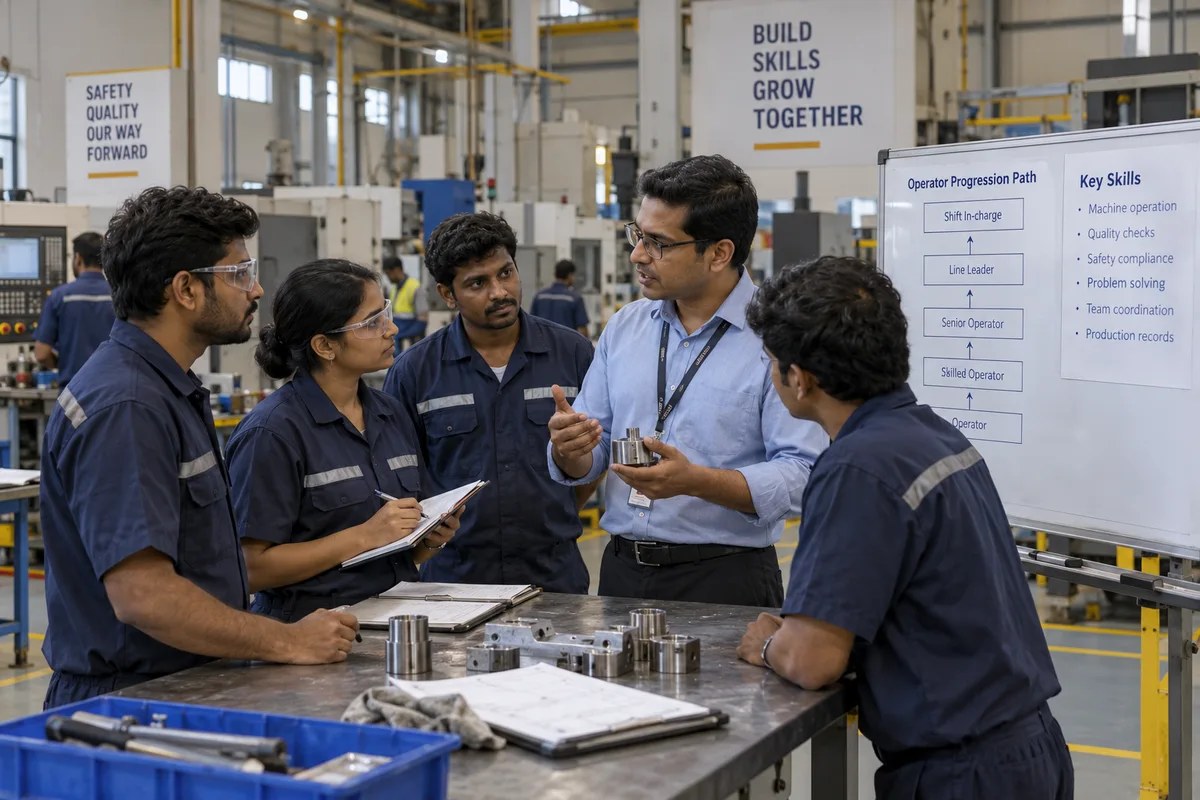
Set stages, reviews and pay steps from helper to fitter, and say it out loud so they see the route.
We would ask your senior fitter about knowledge missing from the drawings, trace the last late jobs to the stage that delayed them and see how helpers move up. A fair first job is a build-review routine plus a fitter grading scheme. After we talk, the scope goes into writing.
Tell us your industry, team size and the issue you want to address. Bring one example of where work gets delayed or ownership is unclear, and the deadline or decision you are working towards.