
Industries
Why agribusiness workers leave and how to understand why
Seasonal crews, field officers and processing staff leave for different reasons. How to ask what shaped their decision and act before next season.
7 min readRead articleAn agri-input dealer sells seed, fertiliser and crop protection to farmers who trust the person at the counter. Here is how to run the team behind it.

Not sure what you need? Tell us about your business in six short steps and we will come to the first meeting prepared.
Share your requirementsAn agri-input dealer sells seed, fertiliser, pesticides, sprayers and small tools to farmers in a catchment of villages. Business is sharply seasonal: sowing and top-dressing weeks bring queues from early morning, and the months between are quiet. Farmers buy on advice and often on credit, so the person at the counter matters as much as the product. The team is small: counter salespeople, godown and loading hands, a billing or accounts person, delivery drivers and sometimes a field representative who visits villages. Many dealers are family-run, with the owner knowing every farmer by name. Licences and product-handling rules apply to the shop, so confirm obligations with a qualified professional. See also HR for agriculture and agribusiness.
Who does the work
Season weeks overwhelm the counter
Queues build in a few weeks of the year, and hurried staff give weak advice or make billing mistakes just when farmers are watching.
Advice depends on one senior person
Farmers wait for the owner or one experienced salesperson, because nobody else has been taught the products or the local crop calendar.
Credit lives in someone's head
Sales on credit are tracked by memory or a notebook, so recovery depends on whoever knows the farmer, and a departure takes the ledger with it.
Godown staff are casual and unrecorded
Loading and stacking help is hired by the day in season, with no clear record of who worked, who was paid or who handled stock.
Slack months empty the team
Pay is hard to sustain through the quiet months, and trained salespeople drift to other jobs before the next sowing.
Field representatives work unseen
Village visits, farmer meetings and demonstration plots are hard to verify, so effort and results are argued rather than shown.
Plan the season headcount early
Work back from last year's busiest weeks to decide how many counter and godown hands are needed, and line up seasonal people before the rush. The workforce planning work covers the method.
Teach product and crop basics
A short, repeated briefing on the main products, safe handling, the local crop calendar and what to say and not say to a farmer, with a senior person checking.
Move credit into a shared record
Every credit sale entered by farmer, amount and promised date in one register that billing and the owner can both see, with a named person for follow-up.
Record seasonal hands properly
A simple daily list of who worked, hours and pay, kept the same way every season. The attendance and leave process can set it out.
Keep core staff through the lull
Decide which two or three people are retained all year, what they do in quiet months, and how pay is smoothed so they are still there at sowing.
Confirm with a qualified professional. What applies to you depends on your business, your state and your arrangements, and it changes. This page describes practice. It does not state a legal position.
A season-by-season view of how many people you need at the counter and godown, and who you keep year-round.
A clear daily record for permanent and seasonal staff that supports wages in the busy weeks.
A short routine to teach products, crop calendars and handling so advice does not rest on one person.
A look at why trained salespeople leave in the quiet months and what would keep them.
Every engagement starts by recording where you stand, and every later report compares against that. We do not promise outcomes. Start with a free conversation, or see the paid HR Diagnostic.
From the GullyHR blog: one on HR in agriculture and agribusiness, and one on each of the topics this page points to.
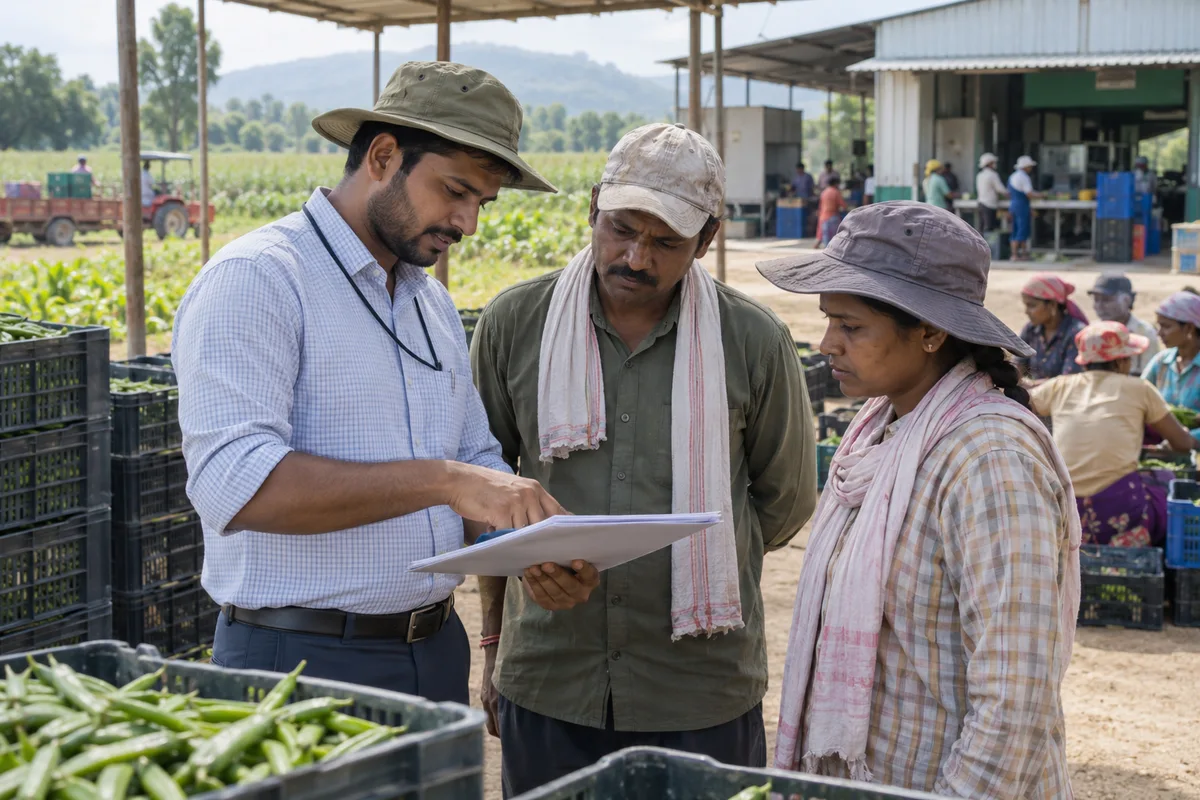
Seasonal crews, field officers and processing staff leave for different reasons. How to ask what shaped their decision and act before next season.
7 min readRead article
Hiring decisions made one request at a time, in the month the pain is worst. What a workforce plan contains and why a twelve-month view changes what you hire.
7 min readRead article
A calendar of courses, a budget spent by March and no record of what any of it changed. What a learning and development process contains when it starts from need rather than from the catalogue.
7 min readRead article
How to spot an unmanageable workload before it becomes an exit or an error, what to look at, how to talk about it and what to change, without guessing.
5 min readRead articleMore on the GullyHR blog.
Work it from your own record of busy weeks: how many customers queued, how long billing took and how many loads went out. Plan for that peak, and line people up before it starts.
Only people who have been taught the products and checked by a senior person. Anything beyond that, such as a diagnosis, goes to a qualified agronomist, not a guess from the counter.
Record every credit sale in one shared register with the date promised, and give a named person the follow-up. The ledger then survives anyone leaving.
Usually for a core few. Retraining new people every season costs advice quality and farmer trust. Give them real work, such as village visits and collections, and a steady pay.
Yes, with a simple plan of villages, visit notes and follow-up on what farmers asked. The aim is a clear record of work, not constant checking.
First we would look at your busiest three weeks, who is at the counter then, and how credit owed by farmers is tracked. Advice that sits only with your senior salesperson would be on the table as well. A good first piece of work could be a seasonal headcount plan and a shared credit record. After the conversation, scope and deliverables are agreed in writing before anything begins.
All 9 business types in agriculture and agribusiness · Find another business type
See all HR topics for agriculture and agribusiness, or another industry.
Identify payroll leaks, record gaps and hiring bottlenecks in a free first conversation, and leave knowing what to fix first.
Know what you need? Share your requirements in four short steps.
Want the full picture? See the paid HR Diagnostic.
Prefer a quick message? Chat on WhatsApp