
Industries
Why agribusiness workers leave and how to understand why
Seasonal crews, field officers and processing staff leave for different reasons. How to ask what shaped their decision and act before next season.
7 min readRead articleA cold store or agri warehouse is paid to keep produce safe and counted. Here is how to run the people who load it, watch it and account for it.

Not sure what you need? Tell us about your business in six short steps and we will come to the first meeting prepared.
Share your requirementsA cold storage unit holds potatoes, fruit, vegetables, spices or dairy at controlled temperatures, while an agri warehouse stores grain, pulses, seed or fertiliser, sometimes against warehouse receipts. Work arrives in waves: a harvest brings trucks in a rush and loaders work long hours, then a quiet spell follows until stock is drawn down for sale. The team includes loaders and stackers, a refrigeration or plant operator on shift, a stock clerk, weighbridge staff, security and a manager who answers to the owner and to the farmers or traders whose goods are stored. Stock accuracy and uninterrupted power or cooling are the two things the business cannot get wrong. Confirm licences and storage obligations with a qualified professional. See also HR for agriculture and agribusiness.
Who does the work
Loading labour comes through a gang leader
Workers are brought in and paid through a mukadam, so the business has little view of who works, how long or on what terms.
Plant operators are hard to replace
One or two people understand the compressors and controls, and a sudden exit puts thousands of tonnes at risk.
Stock records and physical stock drift apart
Entries made in a hurry during intake produce differences at withdrawal, and the clerk takes the blame.
Intake peaks stretch hours
Trucks queue for days at harvest and loaders work late, with fatigue and injury risks that are rarely tracked.
Cold work is physically hard
Staff move between chilled rooms and the open yard, and appropriate clothing and rest breaks are often not planned.
Night cover rests on one watchman
Power faults and temperature alarms at night depend on a single person who may not know what to do.
Bring gang labour into the record
A daily list by name of everyone who loads or unloads, whether engaged directly or through a gang leader, with pay arrangements written down. The attendance process sets out the record.
Cross-train a second operator
Name a backup for each plant role, give a written shift log and a basic fault routine, and test it on a quiet day.
Count and reconcile on a schedule
A regular check of physical stock against the register, done by someone other than the entering clerk, with differences explained in writing.
Plan intake shifts
Limits on continuous hours at harvest, a relief gang and rest points, agreed before the first truck arrives.
Teach safety for stacking, forklifts and cold rooms
Short practical sessions with a record per person. The health, safety and wellbeing work covers the routine.
Confirm with a qualified professional. What applies to you depends on your business, your state and your arrangements, and it changes. This page describes practice. It does not state a legal position.
A named daily record for loaders and operators, including gang labour, that supports pay and stock accountability.
Practical training for stacking, forklifts and cold rooms, and a record of who has been taught.
A skills record for plant operators and a plan to build backup for critical roles.
A clear method for pay that mixes daily rates, overtime at peak and tonnage-based payment.
Every engagement starts by recording where you stand, and every later report compares against that. We do not promise outcomes. Start with a free conversation, or see the paid HR Diagnostic.
From the GullyHR blog: one on HR in agriculture and agribusiness, and one on each of the topics this page points to.
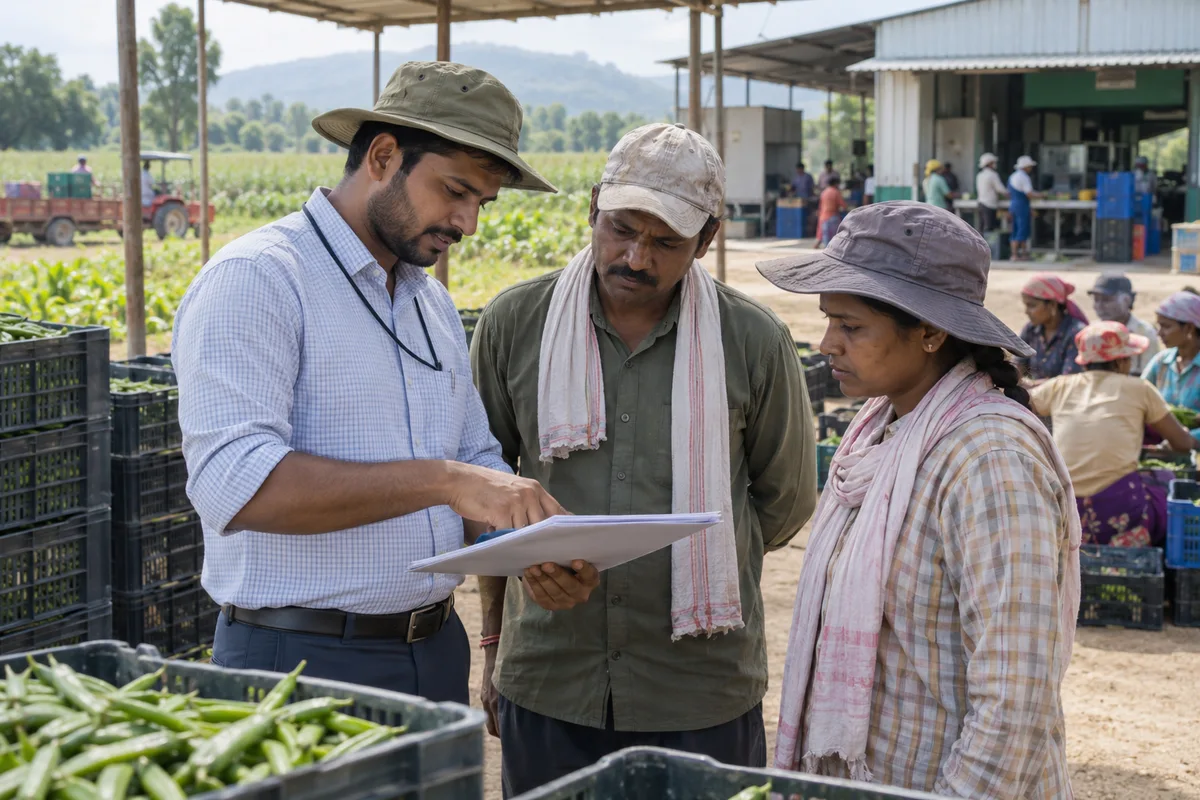
Seasonal crews, field officers and processing staff leave for different reasons. How to ask what shaped their decision and act before next season.
7 min readRead article
Payroll says one joining date, the personal file says another and the manager remembers a third. How to establish a single trustworthy employee record and keep it that way.
7 min readRead article
A laminated notice, an annual drill, and an incident register with three entries in two years. What workplace health and safety looks like when it is real.
7 min readRead article
A two-hour exercise that names the roles you could not fill quickly, who could cover them, and what readiness would actually require.
7 min readRead articleMore on the GullyHR blog.
That depends on how you work today, but you should know who worked and what they were paid either way. Ask a qualified professional about your obligations when labour comes through an intermediary.
Name and train a second person, keep a written shift log and basic fault steps, and test the arrangement before it is needed. Reward the senior operator for sharing knowledge.
Often hurried entry at intake, mixed lots and no independent count. A regular reconciliation by someone other than the clerk exposes problems early.
Plan relief gangs, cap continuous hours and give rest points. Fatigue shows up as injuries and damaged produce, which cost more than the extra hands.
Yes: suitable clothing, limits on time in chilled rooms and breaks to warm up. Confirm what applies with a qualified professional.
Our first talk would be about how loading gangs are counted each day, who steps in if your senior plant operator leaves, and why the stock register and the physical count drift apart. Night cover and long intake-week shifts would be discussed too. A practical opening piece of work is cross-training a second operator and a counting routine. Scope follows in writing once we have spoken.
All 9 business types in agriculture and agribusiness · Find another business type
See all HR topics for agriculture and agribusiness, or another industry.
Identify payroll leaks, record gaps and hiring bottlenecks in a free first conversation, and leave knowing what to fix first.
Know what you need? Share your requirements in four short steps.
Want the full picture? See the paid HR Diagnostic.
Prefer a quick message? Chat on WhatsApp