
Industries
Why agribusiness workers leave and how to understand why
Seasonal crews, field officers and processing staff leave for different reasons. How to ask what shaped their decision and act before next season.
7 min readRead articleA farm equipment dealer sells tractors, implements and pumps and then keeps them running through the season. The people side is about field sales, workshop skills and rural reach.

Not sure what you need? Tell us about your business in six short steps and we will come to the first meeting prepared.
Share your requirementsA farm equipment dealer sells tractors, tillers, harvesters, sprayers, pump sets, drip systems and implements, usually for one or more manufacturers, and services them. The team includes sales executives who visit villages and fairs, finance and subsidy paperwork staff, a workshop of mechanics, a spares counter, and sometimes demonstration and delivery crews. Demand follows the cropping calendar: sowing, harvest and the months after a good crop, when farmers have money. A breakdown at harvest cannot wait, so the workshop and spares must be ready exactly when everyone needs them. Staff often live in villages, travel far and work irregular hours. See also HR for agriculture and agribusiness.
Who does the work
Peak season leaves no slack
Sowing and harvest bring sales and breakdowns together, and mechanics and sales staff are stretched at once.
Skilled mechanics are scarce
Technicians trained on one maker's machines are hard to find, and rivals approach them with offers.
Field staff work across villages
Visits, demonstrations and fairs are hard to check, and attendance and travel claims are argued.
Paperwork decides the sale
Finance and subsidy documents need accuracy and patience, and errors delay delivery and annoy farmers.
Spares knowledge sits with one person
The person at the spares counter knows which part fits which model, and the shop struggles when absent.
Plan the season
Mark sowing and harvest windows, set leave rules around them and arrange temporary help or support from nearby branches. See HR strategy and workforce planning.
Grow mechanics in-house
A route from helper to mechanic to senior technician, with skill checks, manufacturer training and a visible pay step. The learning and development process can set it out.
Record field visits and travel
A daily visit log from a phone, with clear travel rules. The attendance, shift and leave software can support field records.
Own the paperwork
A checklist for finance and subsidy documents, a named person for each file and a weekly look at what is stuck.
Document spares knowledge
A parts-to-model guide and a second person trained on the counter.
Confirm with a qualified professional. What applies to you depends on your business, your state and your arrangements, and it changes. This page describes practice. It does not state a legal position.
Staffing built around sowing and harvest rather than around an average month.
A mechanic pathway that builds skill within the dealership.
Field attendance and visit records captured from a phone.
Why mechanics and field staff leave, and what it costs at harvest.
Every engagement starts by recording where you stand, and every later report compares against that. We do not promise outcomes. Start with a free conversation, or see the paid HR Diagnostic.
From the GullyHR blog: one on HR in agriculture and agribusiness, and one on each of the topics this page points to.
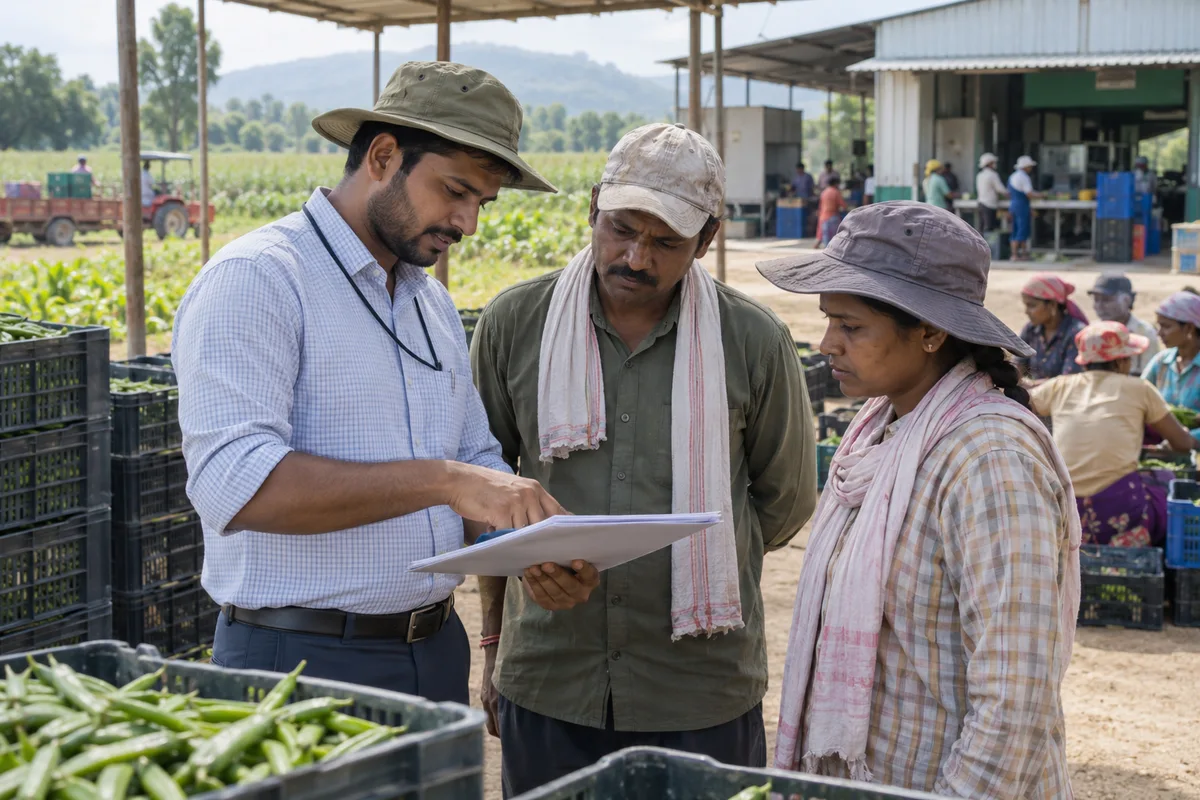
Seasonal crews, field officers and processing staff leave for different reasons. How to ask what shaped their decision and act before next season.
7 min readRead article
Hiring decisions made one request at a time, in the month the pain is worst. What a workforce plan contains and why a twelve-month view changes what you hire.
7 min readRead article
A calendar of courses, a budget spent by March and no record of what any of it changed. What a learning and development process contains when it starts from need rather than from the catalogue.
7 min readRead article
Payroll says one joining date, the personal file says another and the manager remembers a third. How to establish a single trustworthy employee record and keep it that way.
7 min readRead articleMore on the GullyHR blog.
Give them a growth path, manufacturer training, fair pay steps and respect for their craft. Mechanics leave when there is no step above the one they are on.
Plan leave around the peak, train a second shift if needed and agree support from nearby branches. Decide before the rush, not during it.
A daily visit log tied to enquiries and sales, reviewed weekly, is usually enough. Look at results and patterns.
The product range, finance and subsidy basics, how to demonstrate and how to log enquiries. Pair them with a senior for the first season.
We would begin with your calendar of peak seasons, the mechanics you rely on and how field visits are recorded against enquiries. A sensible first piece of work is usually a season staffing plan paired with a simple skills list for the workshop. Spares knowledge held by one person would come up too. Once we have talked it through, the scope and what you receive are agreed in writing.
All 9 business types in agriculture and agribusiness · Find another business type
See all HR topics for agriculture and agribusiness, or another industry.
Identify payroll leaks, record gaps and hiring bottlenecks in a free first conversation, and leave knowing what to fix first.
Know what you need? Share your requirements in four short steps.
Want the full picture? See the paid HR Diagnostic.
Prefer a quick message? Chat on WhatsApp