
Industries
Why agribusiness workers leave and how to understand why
Seasonal crews, field officers and processing staff leave for different reasons. How to ask what shaped their decision and act before next season.
7 min readRead articleDairy work starts before dawn and cannot be postponed. Here is how to run people for milking, collection and the chilling chain that follows.

Not sure what you need? Tell us about your business in six short steps and we will come to the first meeting prepared.
Share your requirementsA dairy business runs on a daily cycle: animals are milked twice a day, milk is tested and weighed at a collection point, chilled and moved to a plant or buyer before it spoils. A farm employs milkers, cattle handlers, feed and fodder hands, a herd supervisor and often a visiting veterinarian. A cooperative or private collection network adds centre secretaries, testers, chilling-centre operators, drivers and field staff who deal with hundreds of small farmers. Work is every day of the year, with no holiday for the animals, and much of it is in villages with limited choice of staff. Confirm licences and animal-welfare obligations with a qualified professional. See also HR for agriculture and agribusiness.
Who does the work
Two shifts, every day, no gaps
Milking cannot wait, so a single absence at 4 a.m. is felt immediately, and weekly offs are hard to give without a trained substitute.
Skills are learned on the job
Animal handling, hygiene and machine milking are passed on informally, so quality varies by who is on shift.
Collection centre staff are trusted with money and measures
Fat and weight readings decide what farmers are paid, so errors or suspicion of them quickly turn into disputes.
Live-in workers blur work and home
Housing is often given with the job, which complicates notice, leave and what happens to a family when someone leaves.
Chilling and transport are time-critical
A late tanker or a plant breakdown risks a whole day's milk, and drivers and operators work irregular hours with little cover.
Pay follows milk, not effort
When yields or rates fall, pay is cut or delayed, and skilled handlers move to the next farm that pays on time.
Build a roster that covers weekly offs
A two-shift rota with a trained relief person for milking and feeding, so no one works every day. The attendance and leave process can structure it.
Write down hygiene and handling steps
A short, illustrated routine for milking, cleaning and handling animals, taught to every new person and checked by the supervisor.
Make testing and weighing transparent
Readings shown to the farmer at the point of sale, recorded in a register that a second person checks, so disputes are settled by record.
Agree terms for housing and notice
A plain written note for workers who live on site covering what the housing is, how long after leaving they stay and how notice works. The HR documentation service covers this.
Cover the cold chain with named backups
For each chilling centre and route, a named second operator or driver who can step in when the first is absent.
Confirm with a qualified professional. What applies to you depends on your business, your state and your arrangements, and it changes. This page describes practice. It does not state a legal position.
Two daily shifts, weekly offs and relief cover set out so no one works seven days a week.
Simple written terms for workers, including those who live on the farm, in plain language.
Safe handling of animals, wet floors and machinery, taught and recorded.
A fixed, reliable pay date and clear rules for allowances, so pay does not swing with milk rates.
Every engagement starts by recording where you stand, and every later report compares against that. We do not promise outcomes. Start with a free conversation, or see the paid HR Diagnostic.
From the GullyHR blog: one on HR in agriculture and agribusiness, and one on each of the topics this page points to.
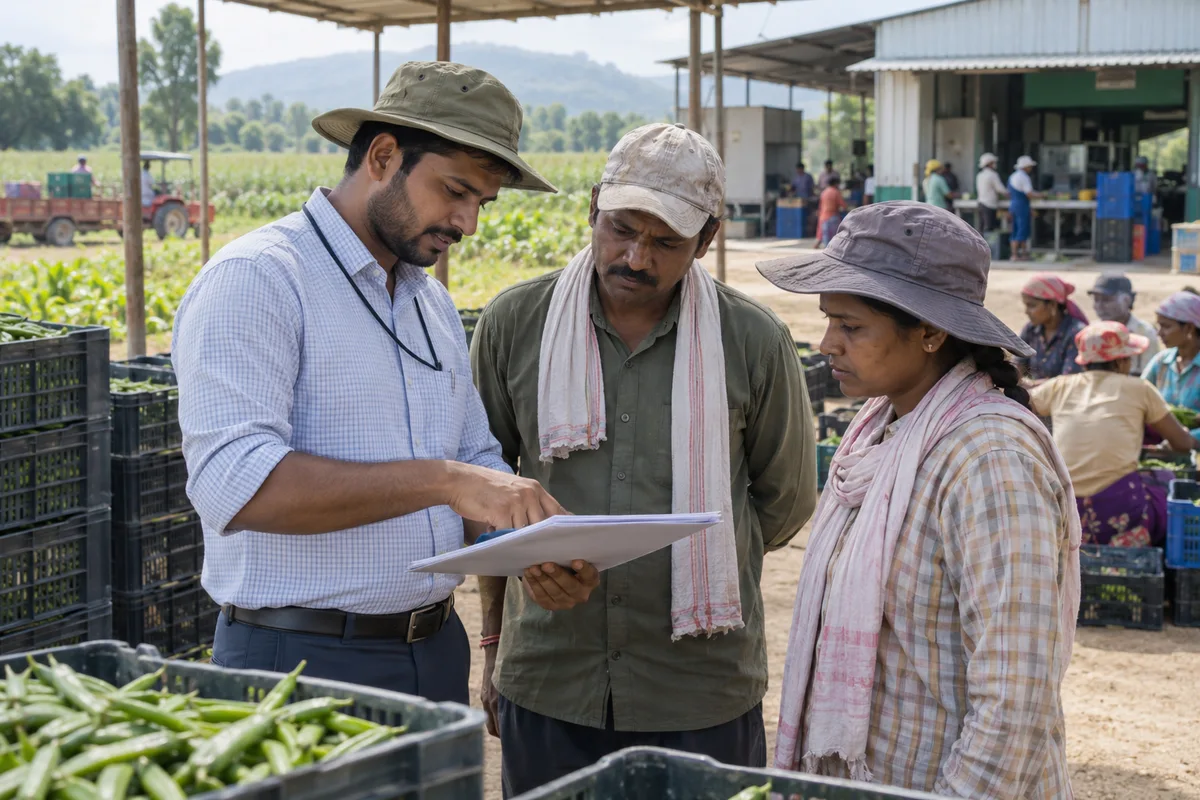
Seasonal crews, field officers and processing staff leave for different reasons. How to ask what shaped their decision and act before next season.
7 min readRead article
Payroll says one joining date, the personal file says another and the manager remembers a third. How to establish a single trustworthy employee record and keep it that way.
7 min readRead article
A laminated notice, an annual drill, and an incident register with three entries in two years. What workplace health and safety looks like when it is real.
7 min readRead article
Most salary structures grew one negotiation at a time. How to build grades and bands from what you already pay, without repricing everybody at once.
8 min readRead articleMore on the GullyHR blog.
Train a relief person to cover milking and feeding, and put it on a rota. Without a trained substitute, offs are simply not given and people leave.
What housing is provided, what it costs if anything, how notice works and how long a worker may stay after leaving. Have the wording checked by a qualified professional.
Show the reading to the farmer when milk is received, record it and have a second person check the register. Disputes then rest on a record, not memory.
Yes. Testing, record-keeping and dealing with farmers are skills that are rarely taught. A short routine with a periodic check protects both farmer and business.
Pay on a fixed date, give a weekly off and a clear path to supervisor. Handlers leave more over irregular pay and no rest than over a small difference in rate.
Expect questions about who covers each milking shift when someone is away, how weights and fat readings are written and checked at collection, and what has been agreed with workers who live on site. Pay timing when the milk rate moves would also come up. A first piece of work might be a roster with weekly offs and named backups. Scope is agreed in writing afterwards.
All 9 business types in agriculture and agribusiness · Find another business type
See all HR topics for agriculture and agribusiness, or another industry.
Identify payroll leaks, record gaps and hiring bottlenecks in a free first conversation, and leave knowing what to fix first.
Know what you need? Share your requirements in four short steps.
Want the full picture? See the paid HR Diagnostic.
Prefer a quick message? Chat on WhatsApp