
Industries
Why agribusiness workers leave and how to understand why
Seasonal crews, field officers and processing staff leave for different reasons. How to ask what shaped their decision and act before next season.
7 min readRead articleA plantation is a small town with its own workforce, housing and seasons. Here is how to run the people side of an estate.

Not sure what you need? Tell us about your business in six short steps and we will come to the first meeting prepared.
Share your requirementsA plantation grows tea, coffee or rubber on a large estate, usually in hills or high-rainfall areas, with a factory or processing unit on or near the site. Workers pluck tea, pick and sort coffee, or tap rubber trees in the early morning, and are organised in gangs under field supervisors. Many families have lived on the estate for generations, with housing, a creche, a school or a clinic as part of the arrangement. Work follows the flush and the harvest, with peaks, and wages mix a daily or fortnightly rate with piece rates or incentive for extra weight. Confirm plantation-specific obligations with a qualified professional. See also HR for agriculture and agribusiness.
Who does the work
The workforce is ageing
Younger family members move to towns for other jobs, and the estate struggles to refill picking and tapping gangs.
Piece rates cause disputes
Weights, deductions and quality rules are questioned at the weighing point, and trust is lost over small differences.
Housing and welfare blur employment
Estate housing, schooling and medical arrangements come with the job, so leaving, retirement or dismissal affects a whole family.
Peak seasons need extra hands
Flush periods or the main coffee harvest need migrant or casual labour, housed and recorded separately from resident workers.
Union and community relations are close
Workers' representatives are part of daily life, so poorly handled decisions quickly become estate-wide matters.
Make piece-rate calculation open
Written rules for weighing, quality deductions and incentive, displayed at the weighing point and the same for every gang. The compensation and rewards work can help design it.
Plan the seasonal intake
A calendar of peak weeks with the number of extra pluckers or pickers needed, where they will stay and how they will be recorded. The workforce planning service supports this.
Prepare the next generation of gang leaders
A short, practical programme on recording work, assigning blocks and handling disagreements. The leadership programme can be adapted.
Write clear terms for housing and welfare
What is provided, what happens at retirement or exit and how decisions are communicated, checked by a qualified professional.
Run a regular conversation with workers' representatives
A fixed forum with agreed minutes so issues are raised early. The grievance process sets out the steps.
Confirm with a qualified professional. What applies to you depends on your business, your state and your arrangements, and it changes. This page describes practice. It does not state a legal position.
Piece rates, incentives and deductions set out openly so weighing disputes shrink.
A view of ageing, seasonal peaks and what the estate needs in the next few years.
A fair and recorded way to handle complaints and misconduct within a close community.
Practical preparation for gang leaders and assistant managers who run teams on the estate.
Every engagement starts by recording where you stand, and every later report compares against that. We do not promise outcomes. Start with a free conversation, or see the paid HR Diagnostic.
From the GullyHR blog: one on HR in agriculture and agribusiness, and one on each of the topics this page points to.
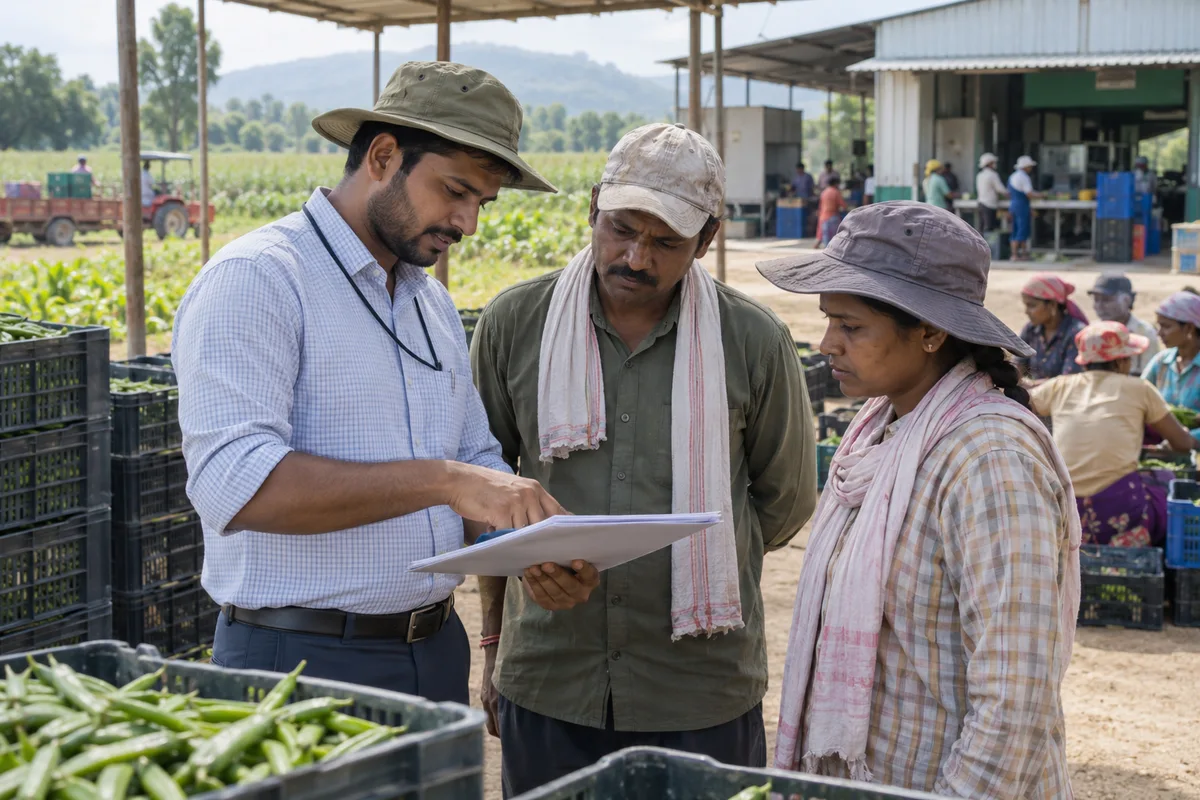
Seasonal crews, field officers and processing staff leave for different reasons. How to ask what shaped their decision and act before next season.
7 min readRead article
Most salary structures grew one negotiation at a time. How to build grades and bands from what you already pay, without repricing everybody at once.
8 min readRead article
Hiring decisions made one request at a time, in the month the pain is worst. What a workforce plan contains and why a twelve-month view changes what you hire.
7 min readRead article
An employee brings you a complaint about their supervisor. What happens next should not depend on who is in the room. A grievance procedure a small company can actually run.
8 min readRead articleMore on the GullyHR blog.
Publish the rules for weighing and deductions, let workers see the reading and record it in a register checked by a second person. Most disputes come from opacity.
Ask why they leave: pay, status, distance or lack of progression. Offer a path to supervisor or factory work and a clear picture of earnings, not only the picking job.
They will have different terms, but they should be recorded, paid and housed under clear rules of their own. Confirm the obligations that apply with a qualified professional.
Write the policy, explain it early and be consistent. Surprises about housing at retirement cause the most bitterness.
Offer a visible career path, proper housing, regular contact with head office and a reasonable posting length. Isolation without progression drives people out.
The opening discussion would cover how weights are taken and disputes settled at the weighing point, how many in each gang are close to retirement, and who holds the housing and welfare commitments and in what form. A sensible first piece of work could be an open piece-rate method or a plan for seasonal intake. Whatever we agree on scope is then written down for you.
All 9 business types in agriculture and agribusiness · Find another business type
See all HR topics for agriculture and agribusiness, or another industry.
Identify payroll leaks, record gaps and hiring bottlenecks in a free first conversation, and leave knowing what to fix first.
Know what you need? Share your requirements in four short steps.
Want the full picture? See the paid HR Diagnostic.
Prefer a quick message? Chat on WhatsApp