
Industries
Why hospitality employees leave and how to understand why
Hotel, restaurant and banquet staff leave for reasons that vary by department and season. How to ask what sits behind the first answer and act on it.
7 min readRead articleAn escape room or entertainment venue sells a timed experience, and the team in the room decides whether guests leave happy. Here is how to organise young, part-time crews around evenings and weekends.

Make this work for your business. Share your team size, priorities and what you need help with. We’ll use your brief to prepare for the first conversation.
Share your requirementsAn escape room, trampoline park, gaming arcade, bowling alley or laser-tag venue sells time slots to groups: friends, families, school trips and corporate teams. The people on the floor are game masters who brief and monitor groups, front desk staff who take bookings and payments, attendants who run the rides or play areas, and technicians who reset rooms and keep props and equipment working. A manager runs the venue with a very small core team and a pool of part-timers, among them students or early-career staff in their first job. Business is heaviest in the evenings, on weekends, on holidays and around birthdays, and quiet on weekday mornings. A late reset or an unprepared game master is felt in the very next slot, because guests have paid for a fixed hour. Some venues also handle children, so supervision and conduct on the floor matter as much as the game itself.
These are the places the people side of this kind of business tends to give way. The rest of this page works through them.
Why GullyHR for escape rooms and entertainment venues
For owners of escape rooms, trampoline parks, arcades and laser-tag venues with young part-time crews. The change: every booked hour is staffed, briefed and reset to the same standard.
We write what a new host must show before running a room alone, then test it on your newest hire, so a first-week mistake never reaches a paid group.
We set a roster by slot, with a named shift lead for each evening, so a Saturday rush or a birthday block never lands on a thin floor.
Each room gets a signed reset checklist covering props, locks, clues and cleaning, which stops a late reset spoiling the next group's hour.
We set one way to count the till and reconcile bookings, so cash and vouchers stop leaking at the front desk when students cover the shift.
Start with any one of these. Scope and fee are agreed in writing after a free first conversation.
The audit starts with a month of booked slots set against who was rostered, so late starts and thin evenings show up as a pattern rather than a feeling. We then read the game-master files, the reset sheets, the till counts and any incident notes from birthday parties or school trips. We talk with the shift leads, a few part-time hosts and the desk. Because the crew is young and mostly in a first job, we also check how supervision works on a busy Saturday, and who is actually in charge when the manager is off.
What you receive
An example, not a client storySuppose a venue owner notices that guest reviews for Saturday evenings keep mentioning a rushed briefing. The audit lines up booked slots against rostered hosts and finds two newcomers running rooms alone. The fix goes into a first-week sign-off and a rule that no new host opens an evening slot unsupervised.
How the hr audit works →We begin with the path of a single booking: confirmation, arrival, waiver or safety talk, briefing, play, debrief, reset and the next group at the door. For each step we name the role that owns it, whether game master, desk host or attendant, and write the short routine they follow. Birthday and corporate groups get their own version, and so does any play area used by children. Part-timers need steps they can learn in a shift or two, so each routine fits on one page with a plain checklist.
What you receive
An example, not a client storyPicture a venue where the desk confirms a birthday group but the game master learns of the cake and extra guests on arrival. We would write a booking note that travels with the slot, a briefing script for party groups and a reset step that clears the party table before the next team enters.
How the hr process design works →Each week we build the roster from the booked slots, with extra cover pencilled in for holidays, school-trip days and weekend peaks. We chase availability from students and part-timers, track late arrivals and swaps, and keep a short list of people ready to cover. We hold a brief check-in with the shift leads, review any guest complaints about hosting or resets, and pass the manager a one-page summary. Probation reviews for new hosts and the end-of-season thank-you also come through us, so nobody drifts unnoticed.
What you receive
An example, not a client storySay a half-term week is coming and the manager has three students on exam leave. We would pull availability early, build the slot roster around the busiest afternoons, line up two part-timers for backup and brief the shift leads on who covers resets so nobody doubles up on two rooms.
How the hr management works →For permanent roles we begin by agreeing what a good game master or shift lead does in the first hour of an evening, and write that into the role. Candidates then run a short exercise, such as briefing a mock group or handling a late arrival at the desk, and every panel member scores the same sheet. For technicians we use a practical fault-finding task. Part-time and student crew are normally hired by you, and we can set up the shortlisting method if you want one. We do not supply contract staff.
What you receive
An example, not a client storyTake a venue that needs a permanent shift lead for weekends. We would write the role around opening, handovers and a young team, set a short exercise on a double-booked slot, score each candidate on the same sheet and give the owner a shortlist with reasons rather than a pile of CVs.
How the recruitment for permanent roles works →Training is built around the quiet weekday mornings, when the crew can practise on empty rooms. Game masters rehearse the briefing, the hint pacing and the debrief, and learn how to hold the room when a group argues or a guest is upset. Desk staff practise handling bookings, vouchers and cash at the counter. Shift leads learn to give feedback to a nineteen-year-old without a lecture, and to run a short huddle before opening. Where children attend, we cover supervision and conduct on the floor, and your own adviser confirms the safety duties.
What you receive
An example, not a client storySuppose the newest hosts keep giving away clues too early because they dislike seeing guests struggle. We would run a morning session in an empty room on hint pacing, let each host practise with a colleague playing the stuck group, and give the shift lead a card for coaching during the evening.
How the manager and team training works →We write the policies a young, part-time venue crew actually needs: shift swaps, lateness, phone use on the floor, conduct with guests and with children, and what to do after an incident in a room. Alongside, we set up records for onboarding, game-master sign-off, reset checklists and equipment faults. HR software holds the roster, availability and training status in one place. Each policy is short, readable by a first-time worker and read aloud at joining. Where the rules touch licensing, safety or staff under eighteen, your own adviser confirms the content.
What you receive
An example, not a client storyPicture a venue where two hosts swap shifts by text and nobody tells the shift lead, so a room opens late. We would write a swap rule that needs lead approval, put the swap in the roster software and add the rule to the joining pack so every new host hears it on day one.
How the policies, handbook and hr software works →Yes. We build the roster from your booked slots rather than from days of the week, mark exam periods and holidays in advance, and keep a short bench of part-timers who can cover. A named shift lead sits against each evening. Your own adviser confirms any rules on hours for students or workers under eighteen.
We write a game-master standard covering the briefing, hint pacing, safety talk and reset, then turn it into a sign-off checklist a shift lead completes. The newest hire is tested against it first. Until each item is signed, the host works beside someone senior, so a first-week mistake never costs a paid group its hour.
We set one nightly count that every shift lead follows, with vouchers and online payments reconciled to the booking sheet the same way each night. The routine takes only minutes at close, needs no special equipment and gives you a clear trail when figures do not match. Your own accountant confirms what records you must keep.
We write a floor conduct code and a supervision routine for group types: who stays in the play area, who briefs the adults, and what a host does if a child is hurt or upset. We train the crew on it and add it to the joining pack. Your own adviser confirms the safety and licensing duties.
GullyHR runs talent acquisition for permanent roles in escape rooms and entertainment venues. For each role we agree the job description with you, find and screen candidates against it, and support the offer through to joining. Tell us the role and the number of people, and we start there.
We recruit permanent employees. We do not supply contract or temporary staff.
Staff want weekends off just as the venue needs them most. Last-minute cancellations by part-timers leave a slot without a host.
Learning the story, the clues and how to give hints without spoiling the room takes practice, yet new hires can be put in front of a group within days.
A missed prop, a stuck lock or an unmarked item between groups ruins the next experience, and nobody can say who was meant to check it.
Students and first-time workers run the floor in the evening while the manager is elsewhere, so conduct and judgement vary from shift to shift.
Walk-ins, discounts, vouchers and online bookings are mixed at the counter, and tallies at the end of the night do not always match.
Start with the topics that matter most here: Onboarding and Probation; Employee Administration; Retention and Attrition Management. Then work through the rest. Each topic is written for hospitality, not in general.
A first day that is the same for the fifth joiner as the first.
Records, attendance, leave and the day-to-day HR that must simply work.
Who leaves, when, why, and which of them mattered.
How many people, in which roles, by when, and what they will cost.
Structure, reporting lines and who is allowed to decide what.
Requisition to joining, the same way every time.
Salary structure, payroll inputs and a month that closes on time.
Goals, reviews and ratings that hold up in a conversation.
Training planned from need rather than from the calendar.
Named backups for the roles that cannot be vacant.
Communication, recognition and the conditions people actually work in.
Two routes, one for complaints, one for conduct, kept separate.
Policies a manager can apply, and obligations with owners and dates.
Induction, records, incident reporting and follow-through.
Resignation to relieving letter, in a defined order.
Records that survive people, and approvals that do not queue.
A short monthly pack management actually reads.
An HR function that runs the same way every month.
The pieces a escape rooms and entertainment venues business puts in place, in an order that makes each easier. Open any card for the detail.
A short guide to the briefing, the hint rules, safety talk and how to close a game, with a shadow shift and a check before anyone hosts alone.
A short guide to the briefing, the hint rules, safety talk and how to close a game, with a shadow shift and a check before anyone hosts alone. The onboarding and probation work shapes the first weeks.
Plan staffing from the booked slots and expected walk-ins, keep a list of reliable part-timers who can fill gaps, and publish the roster early.
Plan staffing from the booked slots and expected walk-ins, keep a list of reliable part-timers who can fill gaps, and publish the roster early. The attendance and shift process covers swaps and cancellations.
A signed list for each room or zone, completed between groups, so a missed item can be traced and fixed the same day.
A signed list for each room or zone, completed between groups, so a missed item can be traced and fixed the same day.
One person with authority over the floor, cash and guest issues, trained in handling upset groups and children's safety.
One person with authority over the floor, cash and guest issues, trained in handling upset groups and children's safety. The customer-service training supports them.
A closing routine with two people, a simple record of vouchers and discounts, and a clear rule on who may give a refund.
A closing routine with two people, a simple record of vouchers and discounts, and a clear rule on who may give a refund.
Confirm with a qualified professional. What applies to you depends on your business, your state and your arrangements, and it changes. This page describes practice. It does not state a legal position.
Rosters built around booked slots, with clear rules for swaps and last-minute cancellations.
A structured first fortnight for game masters and attendants, with a sign-off before they run a group alone.
Practical training in briefing groups, handling complaints and managing excited or upset guests.
A look at why part-timers and young hosts leave, and what keeps the good ones through the exam and holiday seasons.
Start with a free conversation, or see the paid HR Diagnostic.
Understand the business, its workforce, current processes and HR challenges.
Find the missing, weak, inconsistent or person-dependent processes.
Create the structure, processes, policies, SOPs, dashboards and systems needed.
Help HR and department managers actually adopt the new system.
Digitise repetitive and approval-based workflows where it is worth doing.
Track hiring, attendance, employee cost, performance, training and attrition.
Strengthen the people-management system continuously, not once.
From the GullyHR blog: one on HR in hospitality, and one on each of the topics this page points to.

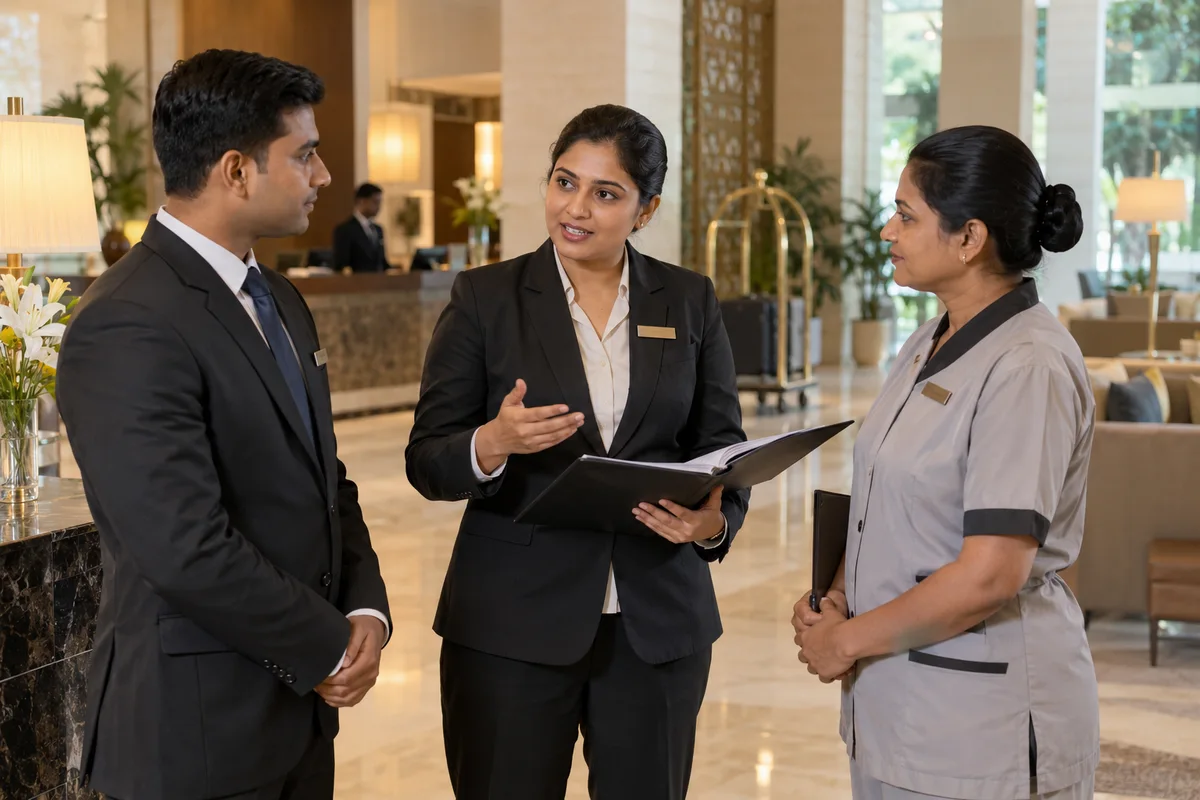
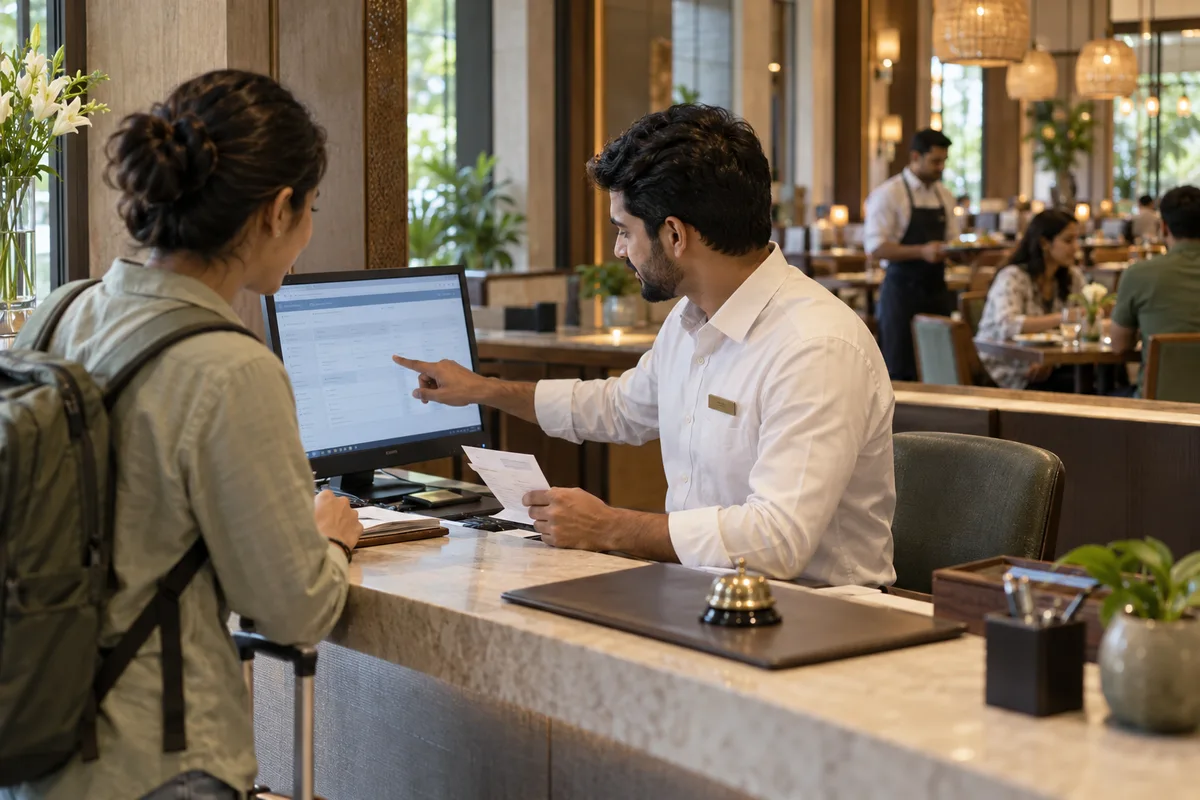
Hotel, restaurant and banquet staff leave for reasons that vary by department and season. How to ask what sits behind the first answer and act on it.
7 min readRead article
A first-week plan for bringing in an outside specialist: what access to give, how to protect client data, and the confidentiality steps to settle on day one.
7 min readRead article
Payroll says one joining date, the personal file says another and the manager remembers a third. How to establish a single trustworthy employee record and keep it that way.
7 min readRead article
What really keeps mobile app and web developers in a small firm: stay conversations, growth paths, fair release rules and a risk sheet an owner can use this month.
6 min readRead articleMore on the GullyHR blog.
Enough to fill a busy weekend even when a few drop out. Work it out from your own booked slots and how frequently people cancel, rather than from a fixed ratio.
Use a written standard, a shadow shift with an experienced host and a short practical check. A host who has watched three games and run one under supervision is far steadier than one who read a script.
Several venues do. Check the rules for age, hours and permissions with a qualified professional before you roster anyone under 18, and keep a written record of start dates and timings.
Use the same closing count every night, with two people present, and log each voucher and discount. Most differences come from unwritten exceptions.
Be on the floor at the opening, at the changeover between peak slots and at close. Delegate the rest to a named shift lead who knows the limits of their authority.
Expect questions about late or short-staffed slots, how a new game master learns the role, and whether each room has a reset list someone signs. From there, a first piece of work might be a game-master standard and a roster built around booked slots, rather than days of the week. Nothing starts until we have agreed the scope with you in writing.
All 143 business types in hospitality · Find another business type
Tell us your industry, team size and the issue you want to address. Bring one example of where work gets delayed or ownership is unclear, and the deadline or decision you are working towards.