
Industries
Why agribusiness workers leave and how to understand why
Seasonal crews, field officers and processing staff leave for different reasons. How to ask what shaped their decision and act before next season.
7 min readRead articleA rice or dal mill runs flat out after harvest and thinly for the rest of the year. Staffing the milling floor, the drying yard and the purchase desk takes a different plan for each.
Not sure what you need? Tell us about your business in six short steps and we will come to the first meeting prepared.
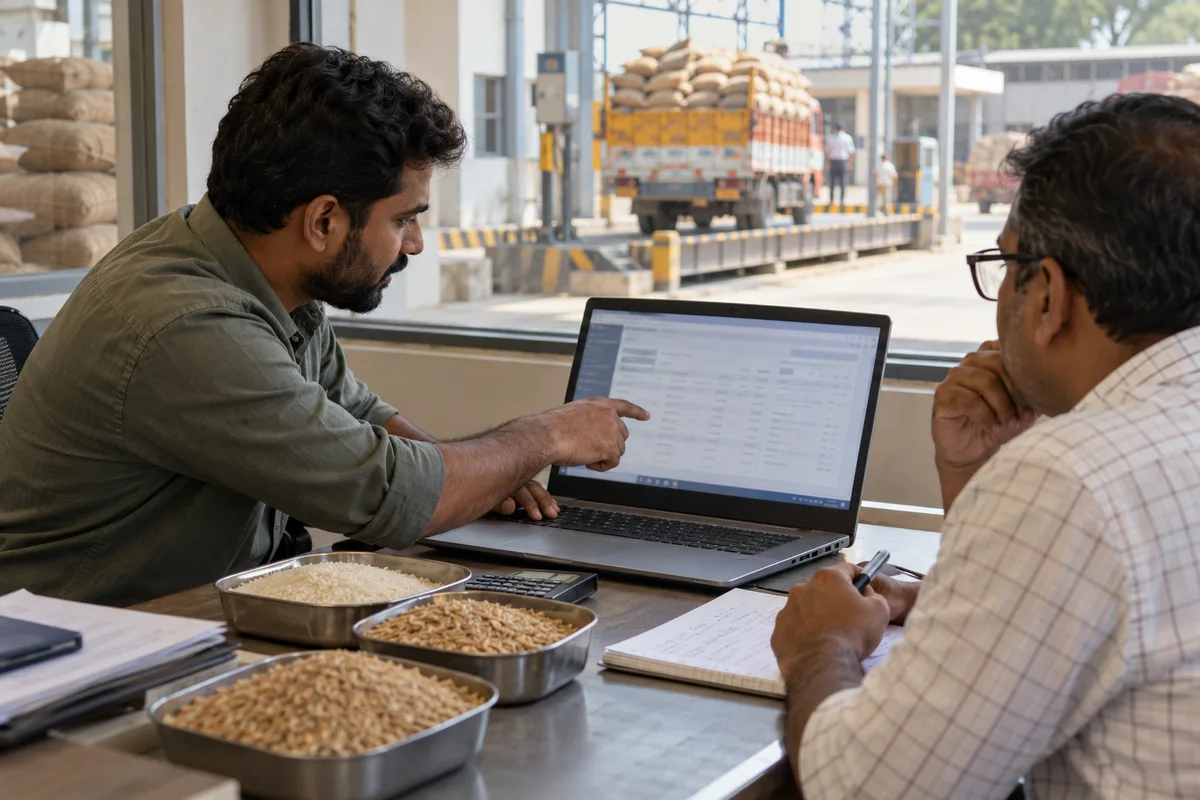
Share your requirementsA rice mill, dal mill, flour mill or oil expeller buys paddy, pulses, oilseed or wheat, cleans, hulls or crushes and grades it, then sells it in bags or in bulk. The plant runs hardest after harvest, frequently on double or triple shifts, and slows when stock runs out. People include millers and machine operators, a boiler or dryer attendant in parboiling units, yard labour for unloading and sun drying, bagging and loading gangs, a grader at the sample table, buyers who deal with farmers and mandi traders, and an accounts clerk. Husk dust, steam and open belts are everyday risks, and a large share of workers are daily-rated or come through a labour contractor. Factory and food-handling duties are best checked with an adviser who knows them. Wider context is in the agribusiness hub.
These are the places the people side of this kind of business tends to give way. The rest of this page works through them.
HR here has to work for each of these groups, not only the office. The set-up below is written with all of them in mind.
GullyHR runs talent acquisition for permanent roles in rice mills and agro-processing units. For each role we agree the job description with you, find and screen candidates against it, and support the offer through to joining. Tell us the role and the number of people, and we start there.
We recruit permanent employees. We do not supply contract or temporary staff.
Every business interviews, but few have a written process that works the same way for every role and every interviewer. GullyHR designs yours, from the role brief to the offer, trains your managers to run it, and can run it for you on the roles you hand us.
We agree what the role must deliver, the must-have and nice-to-have skills, and how each will be scored.
Screening call, assessment, interview rounds and decision points, sized to the role and the number of people you hire.
Structured questions for each role family and a rating guide, so two interviewers judge the same answer the same way.
A short briefing for your managers on what to ask, what to avoid and how to give a clear yes or no.
Who approves, how the offer is made, and how candidates are kept informed from first call to joining.
Hiring for a few crowded months is rushed, and people are let go or walk off once paddy arrivals thin out.
Outturn and broken-grain percentage depend on a handful of experienced operators, and a rival mill can offer more mid-season.
Breathing trouble and heat illness around the huller and dryer creep in over seasons and are seldom noted or acted on.
Operators pick things up from a colleague, so belt guards, lockout and cleaning habits differ from shift to shift.
Agents buying from farmers and at the mandi agree rates and pay on the spot, which makes oversight and accountability hard.
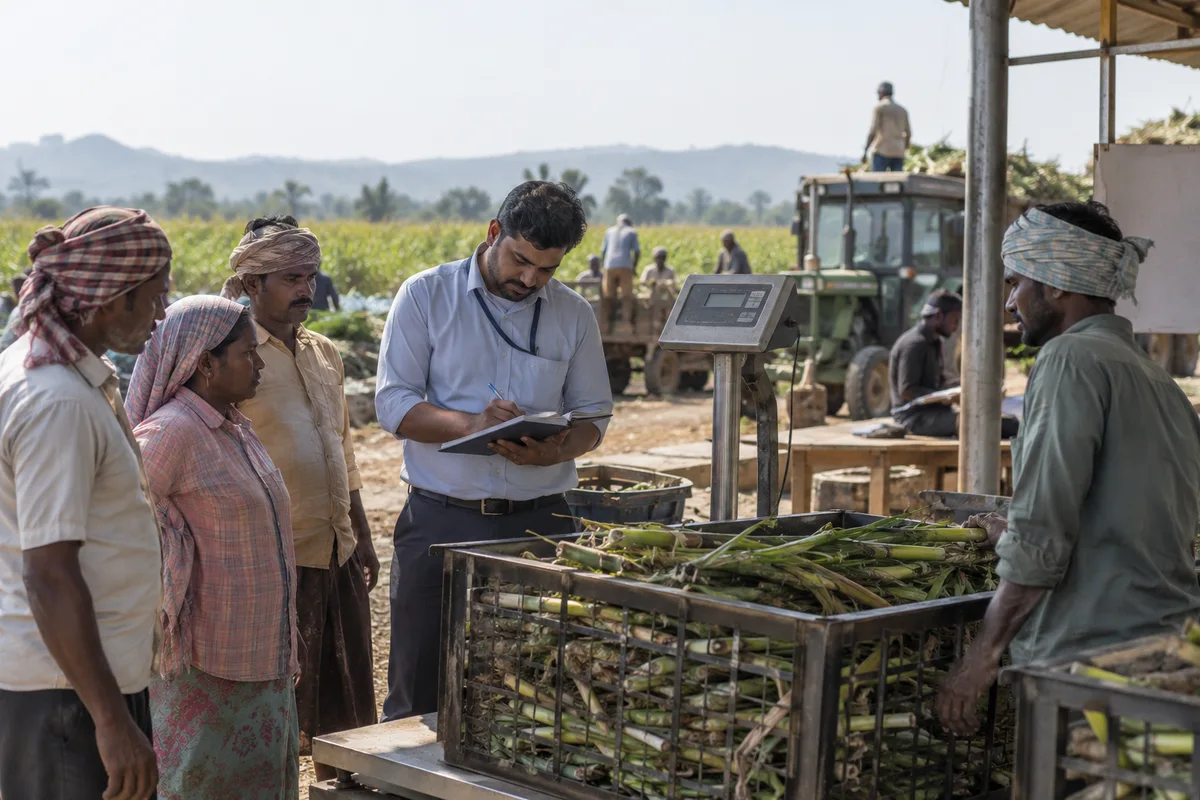
Gangs are paid per bag or per truck, and the gang leader's tally can differ from the clerk's.
Start with the topics that matter most here: Recruitment and Talent Acquisition; Health, Safety and Wellbeing; Compensation, Payroll and Benefits. Then work through the rest. Each topic is written for agriculture and agribusiness, not in general.
Requisition to joining, the same way every time.
Induction, records, incident reporting and follow-through.
Salary structure, payroll inputs and a month that closes on time.
How many people, in which roles, by when, and what they will cost.
Structure, reporting lines and who is allowed to decide what.
A first day that is the same for the fifth joiner as the first.
Records, attendance, leave and the day-to-day HR that must simply work.
Goals, reviews and ratings that hold up in a conversation.
Training planned from need rather than from the calendar.
Named backups for the roles that cannot be vacant.
Communication, recognition and the conditions people actually work in.
Two routes, one for complaints, one for conduct, kept separate.
Policies a manager can apply, and obligations with owners and dates.
Who leaves, when, why, and which of them mattered.
Resignation to relieving letter, in a defined order.
Records that survive people, and approvals that do not queue.
A short monthly pack management actually reads.
An HR function that runs the same way every month.
The pieces a rice mills and agro-processing units business puts in place, in an order that makes each easier. Open any card for the detail.
Note last season's good workers, call them before harvest and offer one plain set of terms.
Note last season's good workers, call them before harvest and offer one plain set of terms. A hiring routine keeps the list alive.
Start-up, cleaning and shutdown steps for each machine on a short card at the machine, written with the senior miller and taught on every shift.
Start-up, cleaning and shutdown steps for each machine on a short card at the machine, written with the senior miller and taught on every shift.
A cash limit, a record of each purchase with weight and rate, and a colleague who reviews the day's entries.
A cash limit, a record of each purchase with weight and rate, and a colleague who reviews the day's entries.
Bags or trucks counted by the gang leader and the clerk together and signed, so the figure is settled before money moves.
Bags or trucks counted by the gang leader and the clerk together and signed, so the figure is settled before money moves.
Masks that fit, rest and water points, and a note of who has complained of a cough.
Masks that fit, rest and water points, and a note of who has complained of a cough. The health and safety work covers it.
Before changing anything, find out what is true today. Work through the checks using a recent operating period. The time needed depends on the records you hold; note missing evidence and use the findings to choose a priority.
Share your requirementsConfirm with a qualified professional. What applies to you depends on your business, your state and your arrangements, and it changes. This page describes practice. It does not state a legal position.
The services below fit this kind of business best. Each starts by recording where you stand, and every later report compares against that. We do not promise outcomes.
A returning-worker list and a quick hiring routine for harvest weeks.
Machine guarding and dust and heat routines that are taught and recorded.
What millers and operators earn at nearby mills, so you know when you risk losing them.
Plain written rules on cash, purchases and conduct for the buying desk.
Start with a free conversation, or see the paid HR Diagnostic.
Understand the business, its workforce, current processes and HR challenges.
Find the missing, weak, inconsistent or person-dependent processes.
Create the structure, processes, policies, SOPs, dashboards and systems needed.
Help HR and department managers actually adopt the new system.
Digitise repetitive and approval-based workflows where it is worth doing.
Track hiring, attendance, employee cost, performance, training and attrition.
Strengthen the people-management system continuously, not once.
From the GullyHR blog: one on HR in agriculture and agribusiness, and one on each of the topics this page points to.
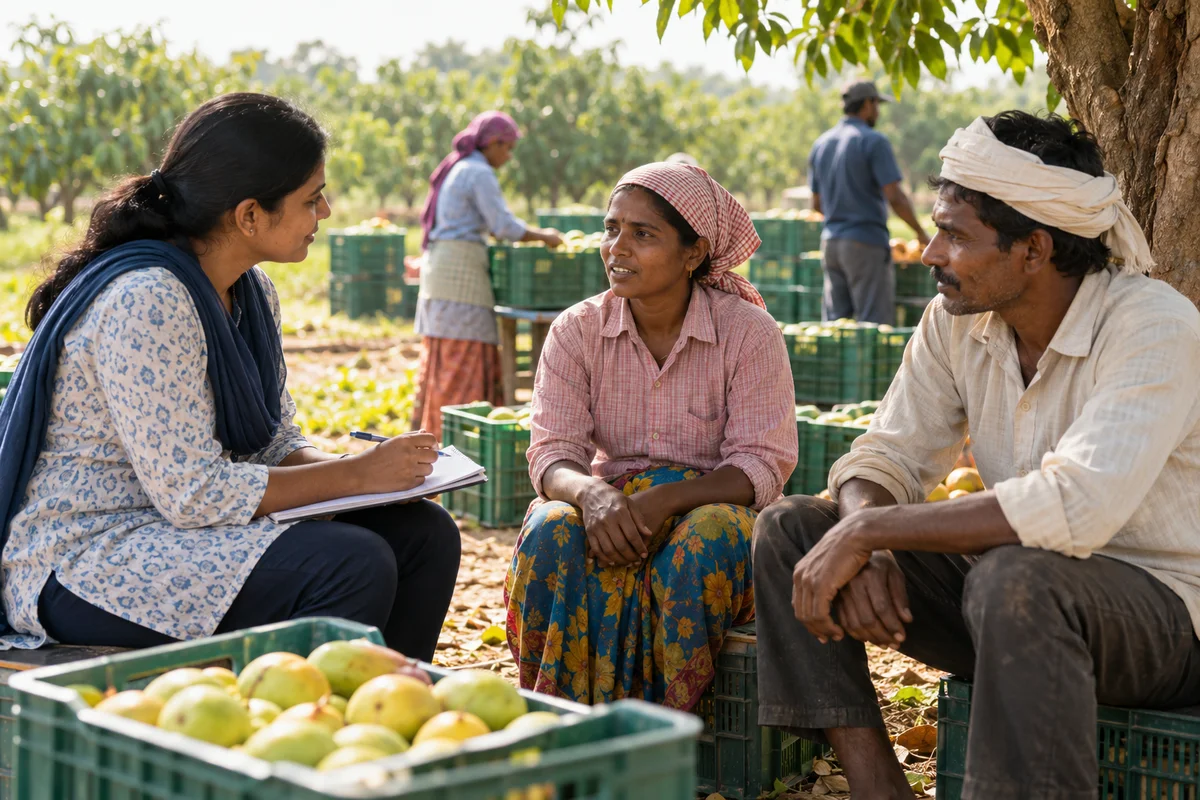
Seasonal crews, field officers and processing staff leave for different reasons. How to ask what shaped their decision and act before next season.
7 min readRead article
How a D2C founder can test a performance marketing hire on real work, ignore weak signals such as dashboard screenshots, and run a fair process.
7 min readRead article
A shift, weekly and monthly safety routine for rubber plants that names who checks platen guards, mill trip bars, autoclave doors, burst-test cages and slings, and who acts on near misses.
7 min readRead article
Simple variable pay structures for product and engineering teams: four options, why individual metrics backfire, a build plan and a one page outline to adapt.
6 min readRead articleMore on the GullyHR blog.
Keep a core team through the year, build a list of returning seasonal hands and engage them on written seasonal terms. Get the right form of engagement confirmed by an adviser.
Pay fairly against local mills, give the best a recognised senior role and have them train an understudy. Being valued keeps an operator longer than any lock-in.
A written cash limit, a slip with weight and rate for each purchase and a colleague reviewing daily entries. The aim is a clear trail, not suspicion.
Count together, sign the tally and pay from the signed figure. Arguments start when each side keeps its own count.
Yes, it touches health, attendance and who stays. Provide fitted masks, watch for complaints and have a doctor advise on exposure.
We would ask which jobs only your senior miller can do, who from last season could return and how gang tallies are agreed. Buyer cash may come up too. An early job could be a returning-hands list plus machine cards, with scope, timing and outputs confirmed to you in writing.
All 58 business types in agriculture and agribusiness · Find another business type
See all HR topics for agriculture and agribusiness, or another industry.
Tell us your industry, team size and the issue you want to address. Bring one example of where work gets delayed or ownership is unclear, and the deadline or decision you are working towards.