


Industries
Why agribusiness workers leave and how to understand why
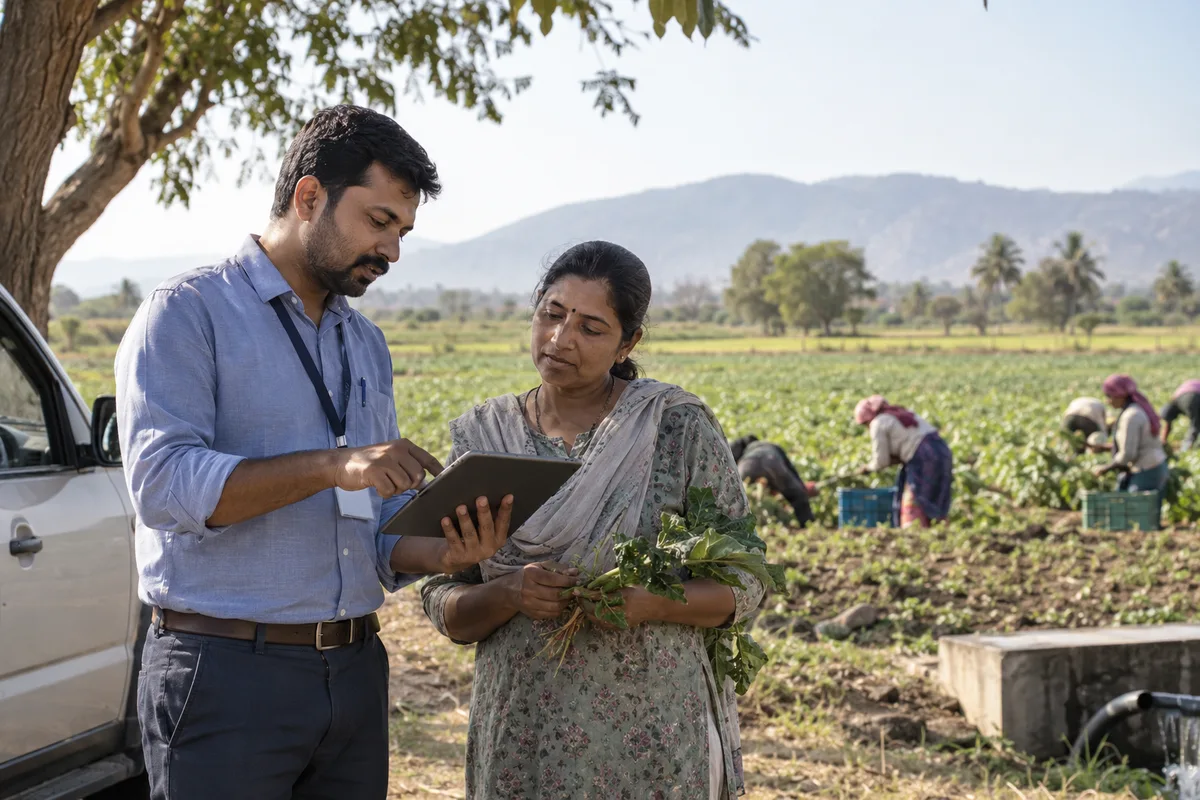
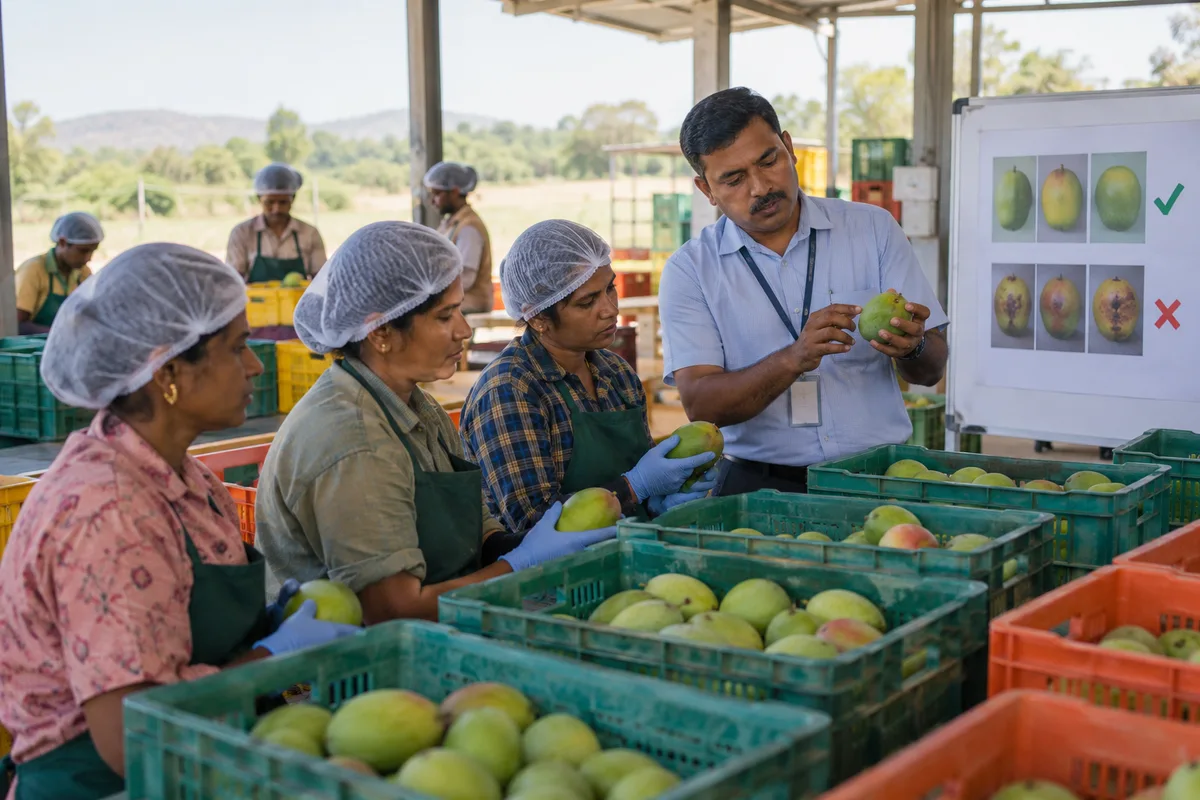
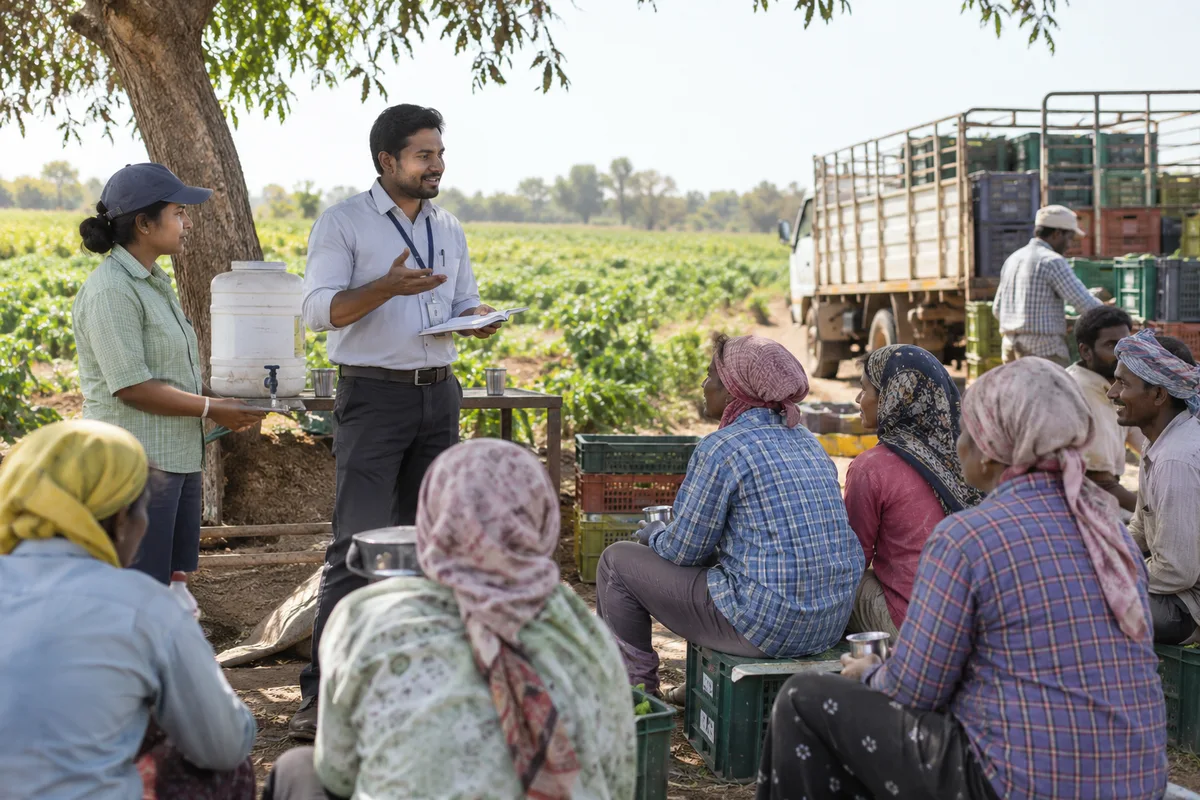
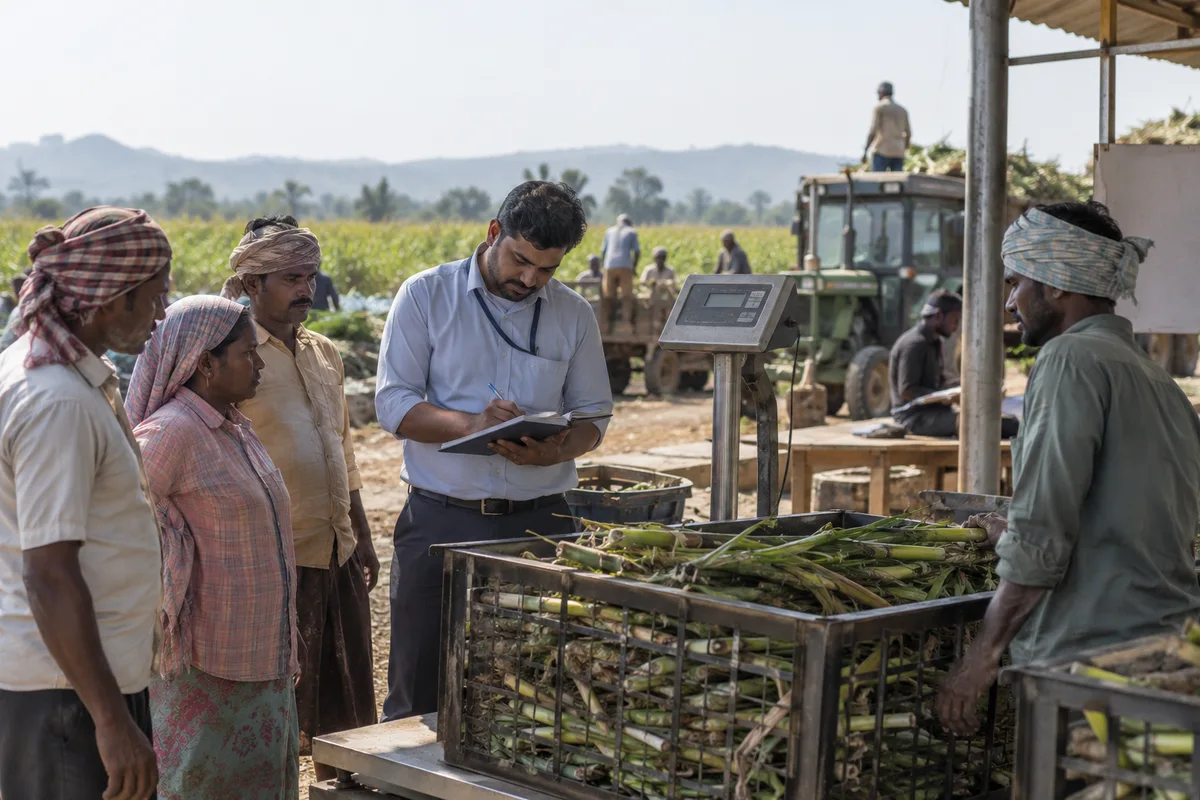
Seasonal crews, field officers and processing staff leave for different reasons. How to ask what shaped their decision and act before next season.
7 min readRead articleA cold store or agri warehouse is paid to keep produce safe and counted. The people task is the loading gangs, the plant operators and the clerks who answer for every bag.
Make this work for your business. Share your team size, priorities and what you need help with. We’ll use your brief to prepare for the first conversation.
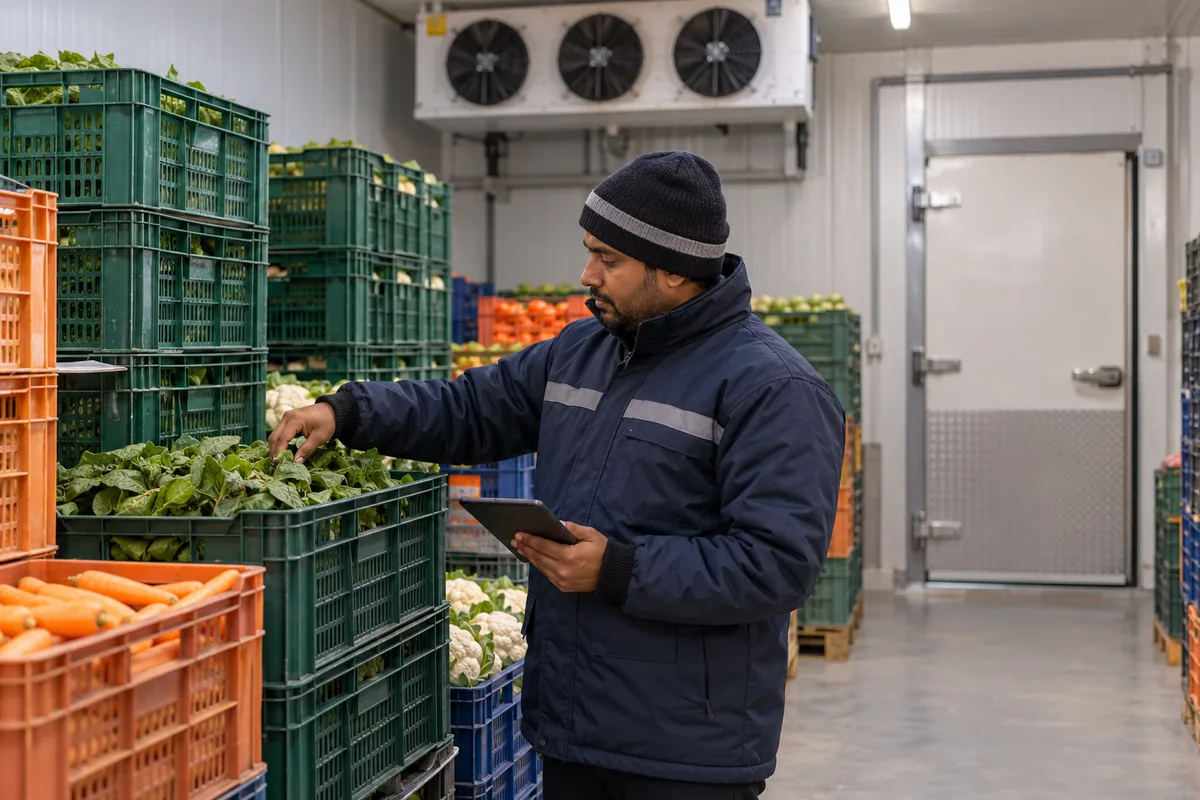
Share your requirementsA cold store holds potatoes, fruit, vegetables, spices or dairy at set temperatures. An agri warehouse keeps grain, pulses, seed or fertiliser, sometimes against warehouse receipts. Work comes in waves: harvest sends trucks in a rush and loaders work long hours, then a lull follows until stock is drawn for sale. The team has loaders and stackers, a refrigeration plant operator on each shift, stock and weighbridge clerks, security and a manager answering to the owner and to the farmers or traders whose goods sit inside. Two things cannot go wrong: the count and the cooling. Ask a qualified professional about licences and storage duties. See also HR for agriculture and agribusiness.
These are the places the people side of this kind of business tends to give way. The rest of this page works through them.
Why GullyHR for cold storage and agri warehouses
For cold store and agri warehouse owners who run loading gangs, plant operators and stock clerks. What changes is that workers, shifts and counts are written down and cross-checked, especially at harvest.
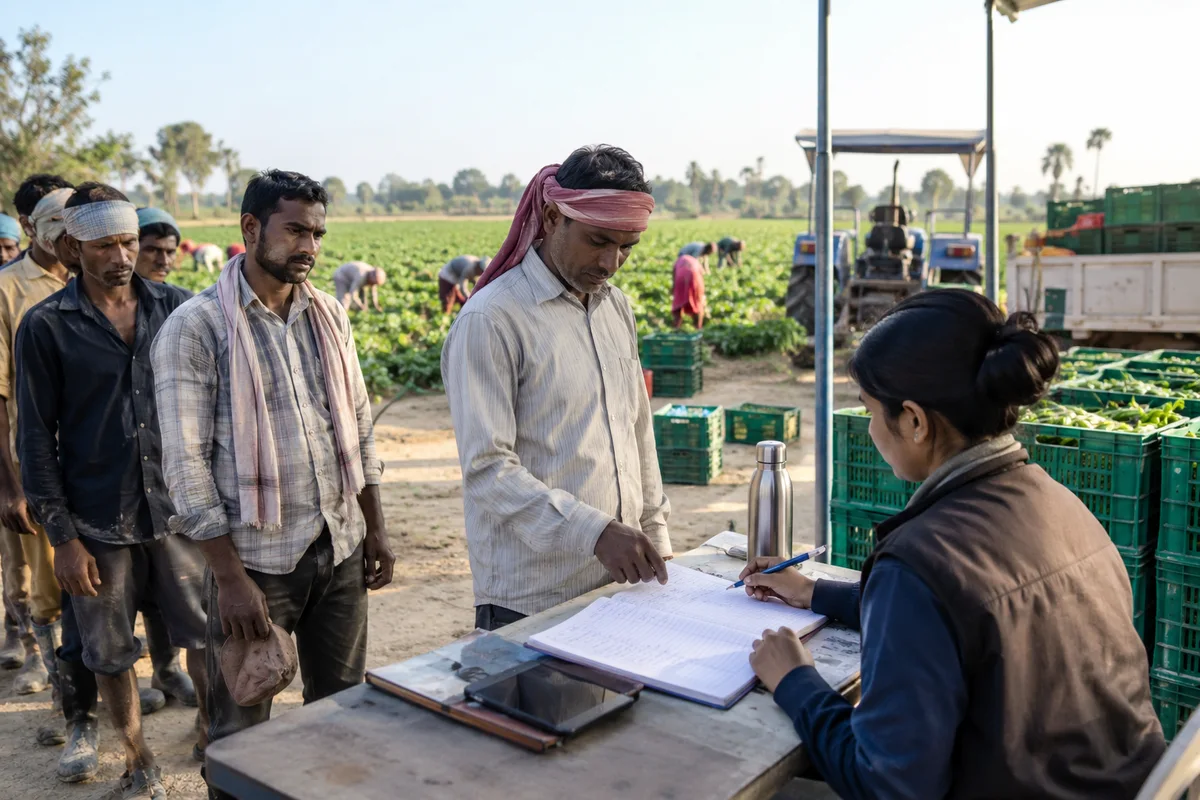
A daily named list shows everyone who loads or unloads, whether hired directly or through a mukadam, with pay terms written for each.
A backup is trained for each plant role with a shift log and fault steps, so one sudden exit does not put every chamber at risk.
Physical stock is checked against the register by someone other than the clerk who entered it, with differences explained in writing.
Limits on continuous hours, a relief gang and set rest points are agreed ahead of harvest, with warm clothing for cold-room work.
Start with any one of these. Scope and fee are agreed in writing after a free first conversation.
The audit begins at the gate with the daily gang lists, set beside what the weighbridge and stock registers show for the same days. We read the compressor operators' shift logs and ask what happens when the senior operator is away. Night watch notes and the alarm steps are reviewed next. We then talk to the mukadam, loaders, the plant operators, the clerks and the storage manager, and look at the longest shifts worked in the last peak. Findings are written up by risk to stock and to people.
What you receive
An example, not a client storySuppose a stack count falls short of the register at withdrawal and the clerk is blamed. The audit would trace intake entries, the gang list and who checked the count, then show where the records and the physical stack parted company. The owner would then see whether the gap is a people problem or a paper problem, and fix the right one.
How the hr audit works →Process design begins with the gang list: who is brought by which mukadam, signed in at the gate and paid on what basis. We then write the plant shift log and the handover between operators, with the backup named for each role. The reconciliation routine follows, with a second person checking stock against the register on a fixed schedule. Last is the night alarm routine, a card of steps for the watchman. Before harvest, the intake shift plan is added. Each is tried on a quiet week first.
What you receive
An example, not a client storyPicture a power fault at night with only the watchman on site and no written steps. A short alarm card, with whom to ring and what to check in order, gives him a plan, and the operator on call knows what he has already done. He would also have a written record for the morning.
How the hr process design works →Each week we read the gang lists and hours, flag long shifts and check that the pay record matches the work. We keep the plant cover roster current and test the backup arrangement on a quiet day. The reconciliation schedule is followed up, with differences explained in writing and shared with the owner. Before the harvest we build the intake shift plan, hold a short briefing for gang leaders and arrange relief gangs. After the peak we review injuries, fatigue and what was learned. A monthly note goes to the owner and the storage manager.
What you receive
An example, not a client storySay trucks queue for days during harvest and the same loaders keep working into the night. We would set limits on continuous hours, bring in a relief gang plan agreed with the mukadam and review the result after the peak. The relief gang would be named before the next harvest begins, with its own hours and rest points.
How the hr management works →The hard roles to fill are the compressor operator who can read the plant, the clerk who keeps an accurate register under pressure and the storage manager who can lead gangs and answer to farmers and traders. We write the brief with the owner and the senior operator. Operators face a practical fault-finding conversation. Clerks do a count-and-record exercise with planted differences. Managers work through a harvest week scenario. Each panel uses the same scored sheet and writes its reasons. We do not supply gangs or contract labour.
What you receive
An example, not a client storyTake a cold store that hires a plant operator on a recommendation and finds he has never run its type of compressor. A practical fault-finding conversation with the senior operator at selection would have shown it before the first night shift. The owner would also see which candidates can explain a fault to a junior.
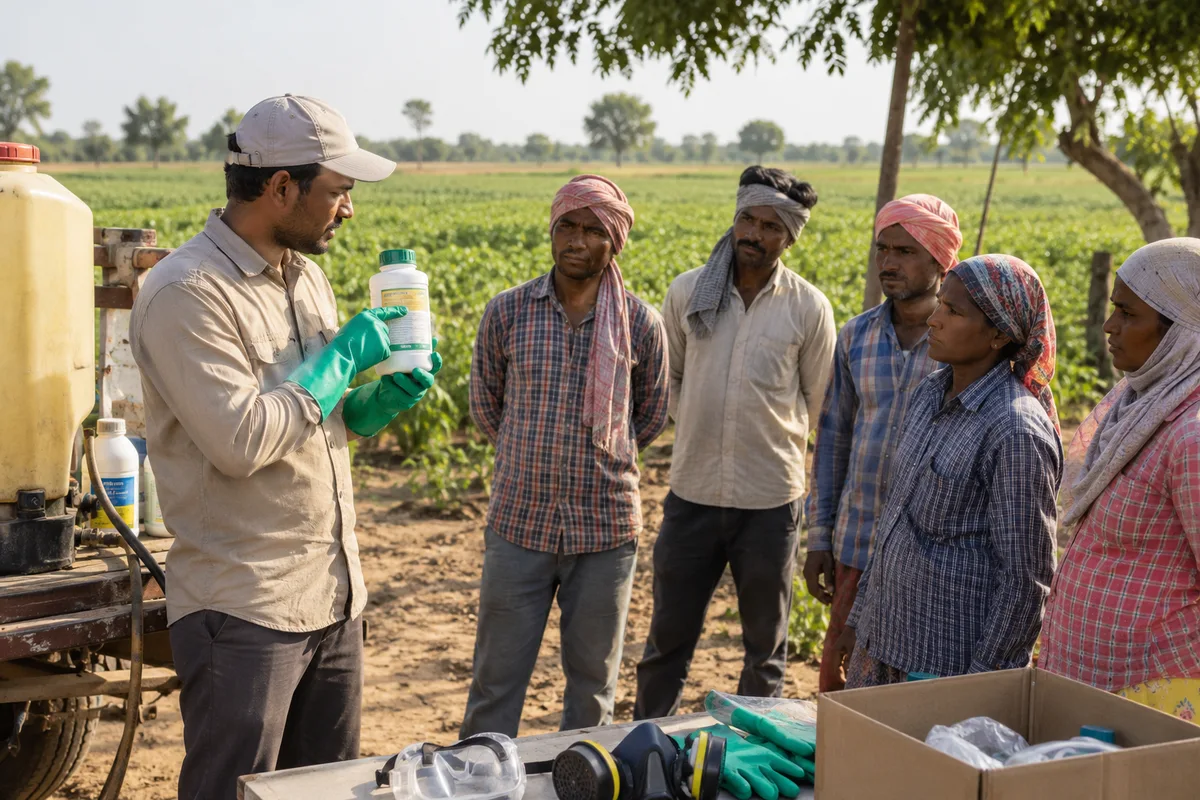
How the recruitment for permanent roles works →Gang leaders and loaders attend short practical sessions on stacking, forklift movement and moving between chilled chambers and the hot yard, with warm clothing and rest points discussed. Plant operators learn to complete the shift log and the handover so the next person starts with the facts. Clerks practise entering intake, checking against the stack and explaining differences. The night watchman rehearses the alarm card. A record of who attended is kept for each person, and sessions are held before harvest, when trucks are few.
What you receive
An example, not a client storySuppose a new loader steps from a chilled chamber into the hot yard and feels faint within minutes. A short session on warm clothing, rest points and buddy checks would give every gang a routine for it before the first truck arrives. The session would be logged against each loader's name in the record.
How the manager and team training works →A store needs written rules that gangs, operators and clerks can follow. We draft the gang engagement and hours rule, including how a mukadam's workers are recorded and paid, the plant shift and handover policy, the register and reconciliation rule and the night watch and alarm procedure. A safety and rest note covers cold-room work. The HR software holds each worker, shift, training sign-off and incident in one record. Licence and storage duties, and any rules on gang labour, are confirmed by your own adviser before anything is issued.
What you receive
An example, not a client storyPicture an injury in a chamber during harvest and an owner who cannot show who was on the gang that day. With a daily list held in the HR software, the record is there, and the next steps are about care rather than guesswork. The record would also show hours worked and who trained them.
How the policies, handbook and hr software works →We put gang labour on the record with a daily named list, a gate sign-in and written pay terms, agreed with the mukadam so the arrangement is not a surprise. We do not change who engages whom; your own adviser confirms how the rules treat this arrangement where you operate. Records are kept at the gate.
We map who can run each plant role on each shift, name and train a second operator for each, write a shift log and basic fault steps and test the backup on a quiet day. We also look at pay and recognition for the senior operator. Recruitment for a permanent operator starts early, not after the exit.
Partly. The mismatch starts with rushed intake or one person doing everything. We write a reconciliation schedule where a second person checks stock against the register, require differences explained in writing and train clerks. We do not audit the stock itself, and duties to farmers or traders are checked by your own adviser. Each difference is signed off by the storage manager.
We build an intake shift plan before the first truck: limits on continuous hours, a relief gang, set rest points and warm clothing for chamber work. We brief gang leaders and review injuries and fatigue after the peak. Any legal limit on hours and rest is confirmed by your own adviser. Briefings are held at the gate.
GullyHR runs talent acquisition for permanent roles in cold storage and agri warehouses. For each role we agree the job description with you, find and screen candidates against it, and support the offer through to joining. Tell us the role and the number of people, and we start there.
We recruit permanent employees. We do not supply contract or temporary staff.
Workers are brought and paid by the gang leader, so the owner sees little of who worked, for how long or on what terms.
One or two people understand the plant and its controls, and a sudden exit puts thousands of tonnes of stock at risk.
Entries made in haste at intake show up as gaps at withdrawal, and the clerk takes the blame.
Trucks queue for days and loaders work late, with fatigue and injury that nobody tracks.
Staff go from chilled chambers to hot open ground, and warm clothing and rest breaks are seldom planned.
A power fault or temperature alarm in the small hours rests on one person who may not know the steps.
Start with the topics that matter most here: Employee Administration; Health, Safety and Wellbeing; Career and Succession Management. Then work through the rest. Each topic is written for agriculture and agribusiness, not in general.
Records, attendance, leave and the day-to-day HR that must simply work.
Induction, records, incident reporting and follow-through.
Named backups for the roles that cannot be vacant.
How many people, in which roles, by when, and what they will cost.
Structure, reporting lines and who is allowed to decide what.
Requisition to joining, the same way every time.
A first day that is the same for the fifth joiner as the first.
Salary structure, payroll inputs and a month that closes on time.
Goals, reviews and ratings that hold up in a conversation.
Training planned from need rather than from the calendar.
Communication, recognition and the conditions people actually work in.
Two routes, one for complaints, one for conduct, kept separate.
Policies a manager can apply, and obligations with owners and dates.
Who leaves, when, why, and which of them mattered.
Resignation to relieving letter, in a defined order.
Records that survive people, and approvals that do not queue.
A short monthly pack management actually reads.
An HR function that runs the same way every month.
The pieces a cold storage and agri warehouses business puts in place, in an order that makes each easier. Open any card for the detail.
A daily named list of everyone who loads or unloads, whether hired directly or through a mukadam, with pay terms written.
A daily named list of everyone who loads or unloads, whether hired directly or through a mukadam, with pay terms written. The attendance process sets out the record.
Name a backup for each plant role, give a written shift log and basic fault steps, and try the arrangement on a quiet day.
Name a backup for each plant role, give a written shift log and basic fault steps, and try the arrangement on a quiet day.
A regular check of physical stock against the register by someone other than the clerk who entered it, with differences explained in writing.
A regular check of physical stock against the register by someone other than the clerk who entered it, with differences explained in writing.
Limits on continuous hours, a relief gang and set rest points agreed ahead of harvest.
Limits on continuous hours, a relief gang and set rest points agreed ahead of harvest.
Short practical sessions with a record per person.
Short practical sessions with a record per person. The health, safety and wellbeing work covers the routine.
Confirm with a qualified professional. What applies to you depends on your business, your state and your arrangements, and it changes. This page describes practice. It does not state a legal position.
A named daily record for loaders and operators, gang labour included, that backs both pay and stock accountability.
Practical training for stacking, forklifts and cold rooms, and a record of who has been taught.
A skills record for plant operators and a plan to build backup for critical roles.
A clear method for pay that mixes daily rates, peak overtime and tonnage-based payment.
Start with a free conversation, or see the paid HR Diagnostic.
Understand the business, its workforce, current processes and HR challenges.
Find the missing, weak, inconsistent or person-dependent processes.
Create the structure, processes, policies, SOPs, dashboards and systems needed.
Help HR and department managers actually adopt the new system.
Digitise repetitive and approval-based workflows where it is worth doing.
Track hiring, attendance, employee cost, performance, training and attrition.
Strengthen the people-management system continuously, not once.
From the GullyHR blog: one on HR in agriculture and agribusiness, and one on each of the topics this page points to.
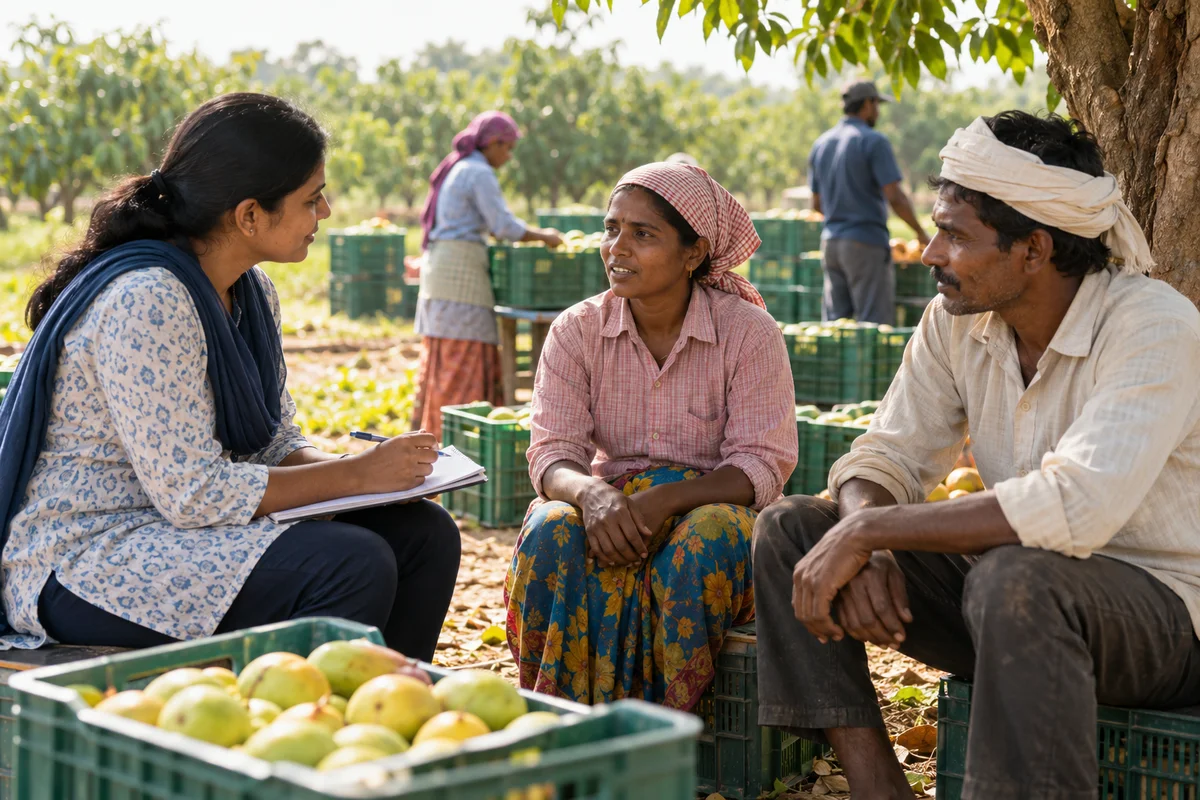
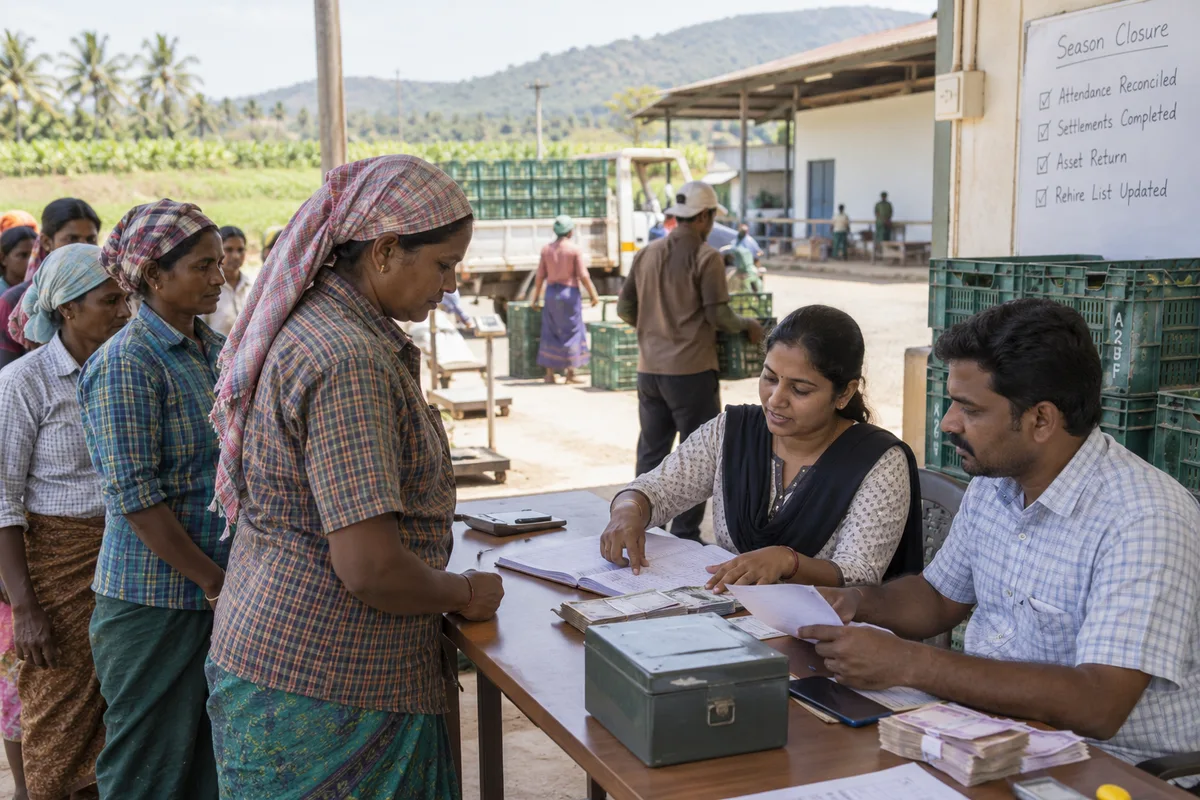
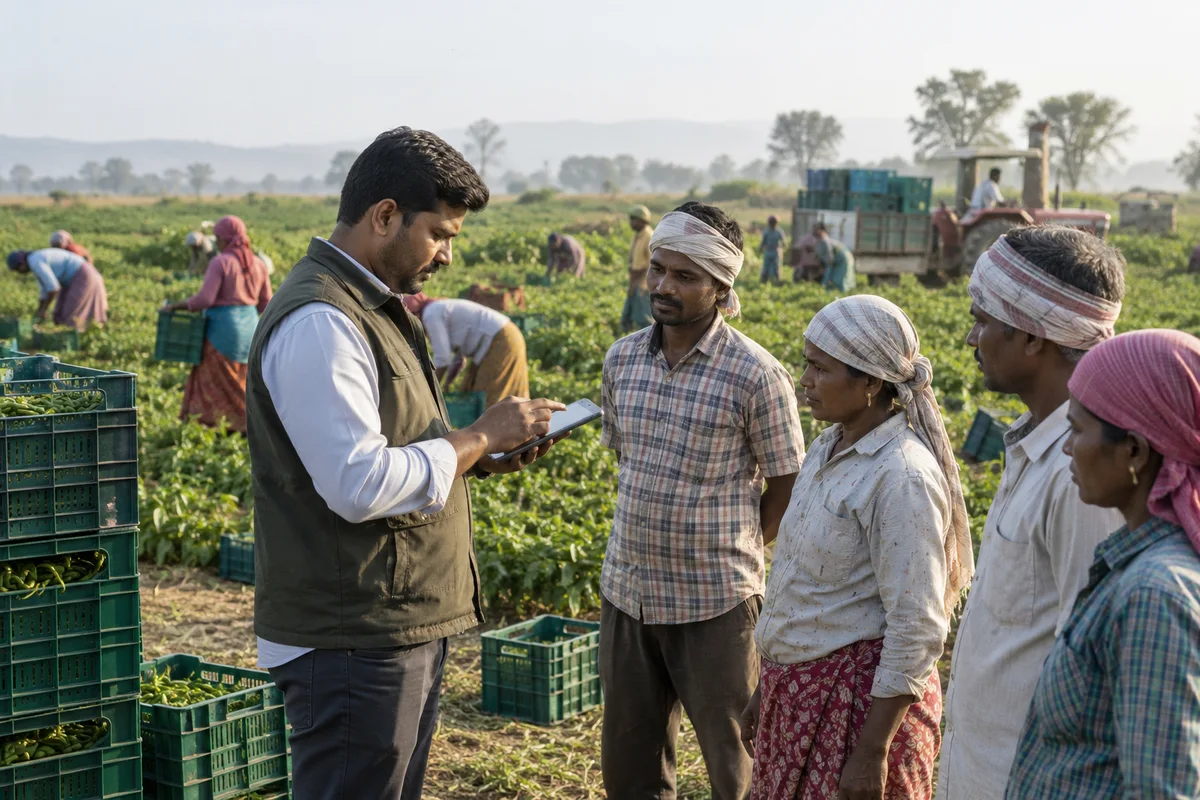
Seasonal crews, field officers and processing staff leave for different reasons. How to ask what shaped their decision and act before next season.
7 min readRead article
Payroll says one joining date, the personal file says another and the manager remembers a third. How to establish a single trustworthy employee record and keep it that way.
7 min readRead article
A shift, weekly and monthly safety routine for rubber plants that names who checks platen guards, mill trip bars, autoclave doors, burst-test cages and slings, and who acts on near misses.
7 min readRead article
A two-hour exercise that names the roles you could not fill quickly, who could cover them, and what readiness would actually require.
7 min readRead articleMore on the GullyHR blog.
That depends on how you work today, but know who worked and what they received either way. Ask a qualified professional what applies when labour comes through an intermediary.
Name and train a second person, keep a written shift log with basic fault steps and test the cover before you need it. Reward the senior operator for sharing.
Hurried entry at intake, mixed lots and no independent count. A regular check by someone other than the clerk shows problems early.
Plan relief gangs, cap continuous hours and set rest points. Fatigue shows up as injuries and damaged produce, which cost more than extra hands.
Yes: suitable clothing, limits on time inside chilled rooms and warm-up breaks. Confirm what applies with a qualified professional.
The first talk covers how loading gangs are counted daily, who steps in if your senior compressor operator leaves, and why the register and the physical count part ways. Night cover and long intake shifts come up too. Cross-training a second operator with a counting routine is a practical opening job. Scope follows in writing after we have spoken.
All 58 business types in agriculture and agribusiness · Find another business type
See all HR topics for agriculture and agribusiness, or another industry.
Tell us your industry, team size and the issue you want to address. Bring one example of where work gets delayed or ownership is unclear, and the deadline or decision you are working towards.