
Industries
Why agribusiness workers leave and how to understand why
Seasonal crews, field officers and processing staff leave for different reasons. How to ask what shaped their decision and act before next season.
7 min readRead articleSellers of seed, fertiliser, pumps and tractors live by the season, with field sales and service teams stretched at planting and idle after. Farmers judge them by trust, credit and how fast a breakdown is fixed.
Not sure what you need? Tell us about your business in six short steps and we will come to the first meeting prepared.
Share your requirementsA farm inputs and equipment business sells seed, fertiliser, pesticides, pumps, pipes, sprayers, implements, tractors and spares to farmers, often on credit. Staff sit in a shop or depot, visit villages for demonstrations and collect dues. Sales peak just before sowing and again at top-dressing. A workshop team repairs and services machines, and a breakdown at harvest cannot wait. Farmers buy from people they know, so a trusted counter hand or field agent can carry customers with them. The owner often holds stock, credit and relationships in his own head. Staff are hired locally, may know farming better than selling, and move to rival dealers or company jobs. See HR for agriculture and agribusiness.
These are the places the people side of this kind of business tends to give way. The rest of this page works through them.
HR here has to work for each of these groups, not only the office. The set-up below is written with all of them in mind.
GullyHR runs talent acquisition for permanent roles in farm inputs and equipment. For each role we agree the job description with you, find and screen candidates against it, and support the offer through to joining. Tell us the role and the number of people, and we start there.
We recruit permanent employees. We do not supply contract or temporary staff.
Every business interviews, but few have a written process that works the same way for every role and every interviewer. GullyHR designs yours, from the role brief to the offer, trains your managers to run it, and can run it for you on the roles you hand us.
We agree what the role must deliver, the must-have and nice-to-have skills, and how each will be scored.
Screening call, assessment, interview rounds and decision points, sized to the role and the number of people you hire.
Structured questions for each role family and a rating guide, so two interviewers judge the same answer the same way.
A short briefing for your managers on what to ask, what to avoid and how to give a clear yes or no.
Who approves, how the offer is made, and how candidates are kept informed from first call to joining.
Sowing weeks mean long days at the counter and in the field, followed by weeks with little to do.
A trusted counter hand has the farmer's number and credit history, and may move to a rival with them.
Sales on credit go out freely and dues are chased by the same person who sold, with no clear rule on follow-up.
Seeds with an expiry date and pesticides sit in the store, and the book count and the shelf count disagree.
Repair skill is picked up from a senior, with no record of training, and a poor repair returns as a complaint.
A salesman recommends a product without understanding the crop or the dose, and the farmer pays for the mistake.
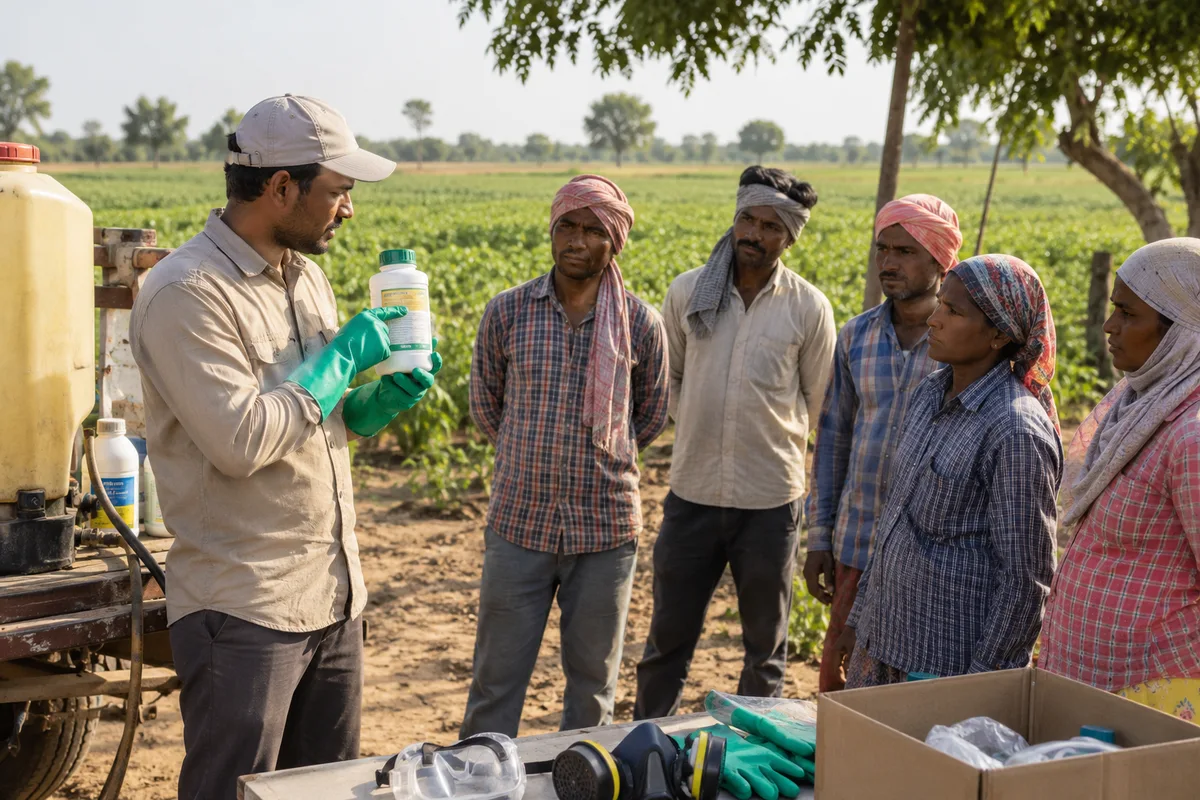
Pesticide and fertiliser are stored and carried without training or gear, and spills are not reported.
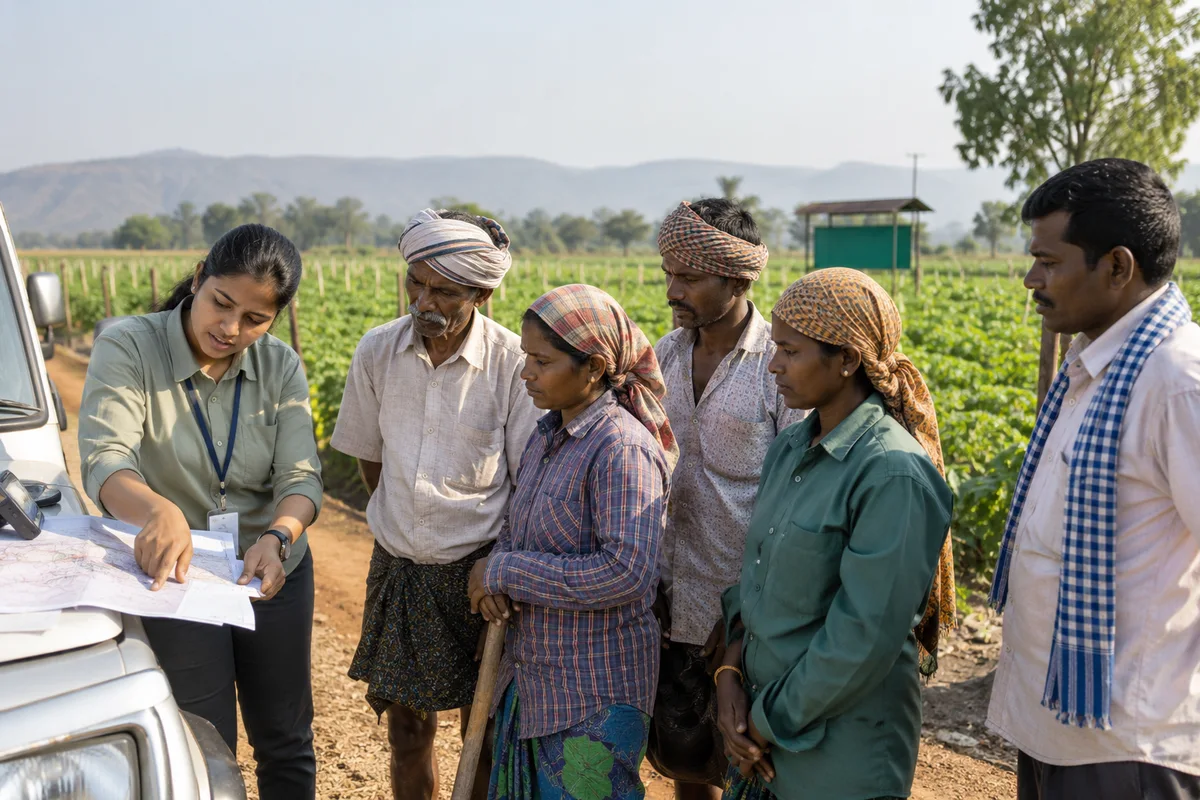
Visits to villages are scattered, with no log of whom was met or what was agreed.
Start with the topics that matter most here: HR Strategy and Workforce Planning; Performance Management; Learning and Development. Then work through the rest. Each topic is written for agriculture and agribusiness, not in general.
How many people, in which roles, by when — and what they will cost.
Goals, reviews and ratings that hold up in a conversation.
Training planned from need rather than from the calendar.
Structure, reporting lines and who is allowed to decide what.
Requisition to joining, the same way every time.
A first day that is the same for the fifth joiner as the first.
Records, attendance, leave and the day-to-day HR that must simply work.
Salary structure, payroll inputs and a month that closes on time.
Named backups for the roles that cannot be vacant.
Communication, recognition and the conditions people actually work in.
Two routes — one for complaints, one for conduct — kept separate.
Policies a manager can apply, and obligations with owners and dates.
Induction, records, incident reporting and follow-through.
Who leaves, when, why — and which of them mattered.
Resignation to relieving letter, in a defined order.
Records that survive people, and approvals that do not queue.
A short monthly pack management actually reads.
An HR function that runs the same way every month.
The pieces a farm inputs and equipment business puts in place, in an order that makes each easier. Open any card for the detail.
A calendar of busy and quiet weeks with planned cover, training and leave.
A calendar of busy and quiet weeks with planned cover, training and leave. The attendance and leave process can fit it.
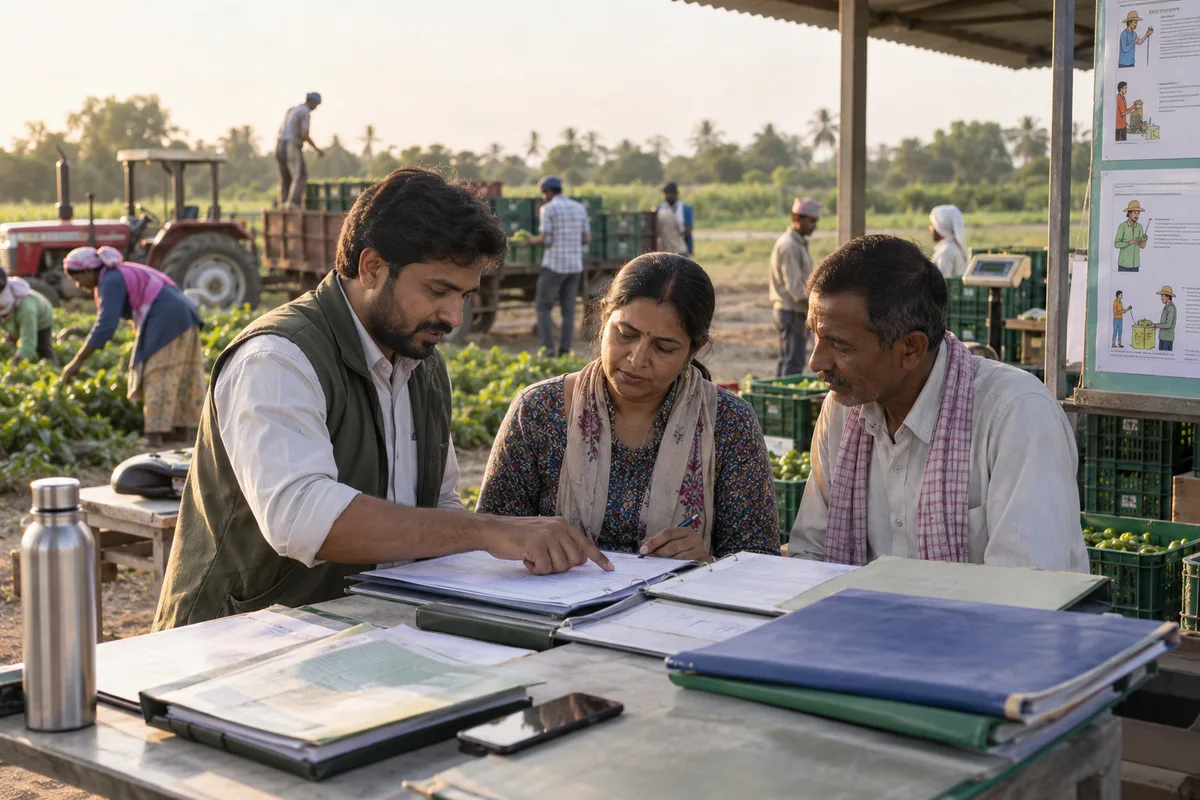
A customer register with agreed owner and a second contact, so relationships do not leave with one person.
A customer register with agreed owner and a second contact, so relationships do not leave with one person.
Limits, due dates and who calls when.
Limits, due dates and who calls when. The performance management process can carry targets for collection.
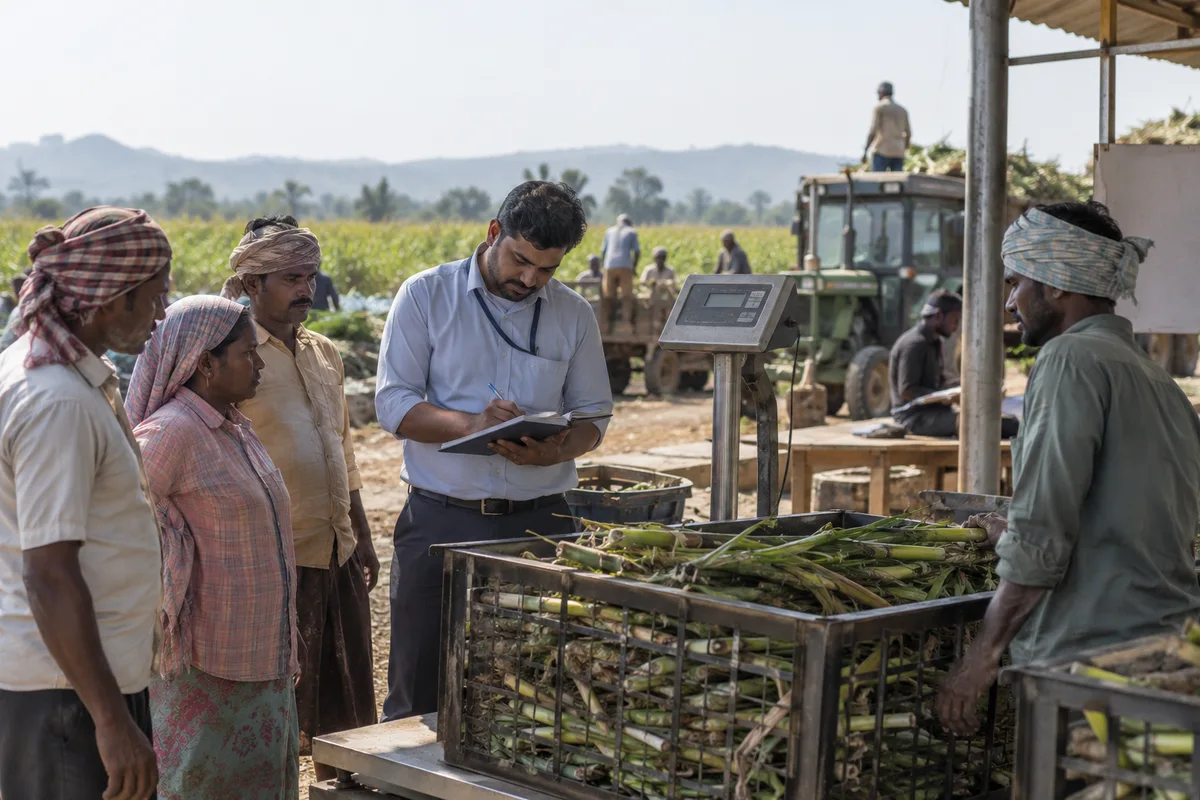
Weekly counts for fast movers and expiry checks, signed by two people.
Weekly counts for fast movers and expiry checks, signed by two people.
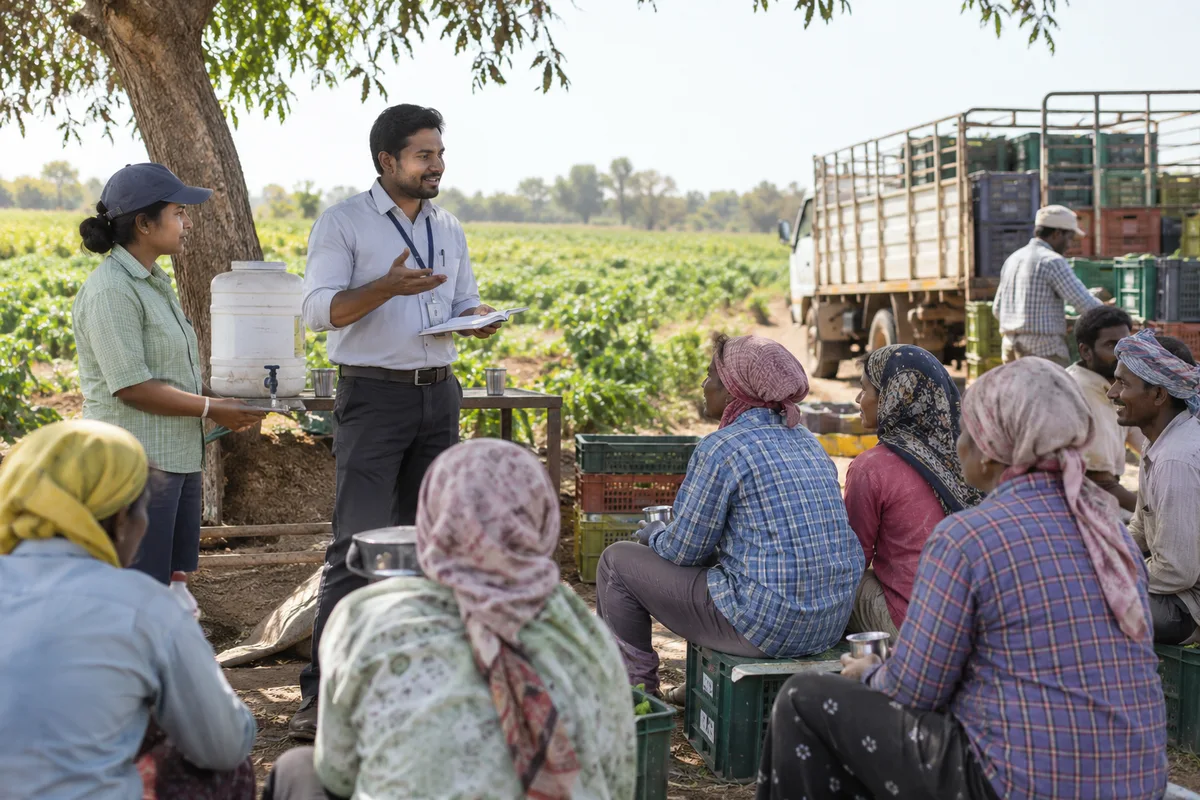
Short sessions before each season on crops, dosage and storage.
Short sessions before each season on crops, dosage and storage. The learning and development process can plan them.
A simple record of who was met, what was agreed and the next step.
A simple record of who was met, what was agreed and the next step.
Before changing anything, find out what is true today. These checks take an afternoon and tell you which of the topics above to start with.
Share your requirementsConfirm with a qualified professional. What applies to you depends on your business, your state and your arrangements, and it changes. This page describes practice. It does not state a legal position.
The services below fit this kind of business best. Each starts by recording where you stand, and every later report compares against that. We do not promise outcomes.
A seasonal duty and cover plan for peak weeks and a fair way to give time off after.
Collection, sales and stock targets that are clear and fair.
Pre-season training on products, dosage and safe handling.
A shortlist of local hires who know crops and can serve farmers well.
Start with a free conversation, or see the paid HR Diagnostic.
Understand the business, its workforce, current processes and HR challenges.
Find the missing, weak, inconsistent or person-dependent processes.
Create the structure, processes, policies, SOPs, dashboards and systems needed.
Help HR and department managers actually adopt the new system.
Digitise repetitive and approval-based workflows where it is worth doing.
Track hiring, attendance, employee cost, performance, training and attrition.
Strengthen the people-management system continuously, not once.
From the GullyHR blog: one on HR in agriculture and agribusiness, and one on each of the topics this page points to.
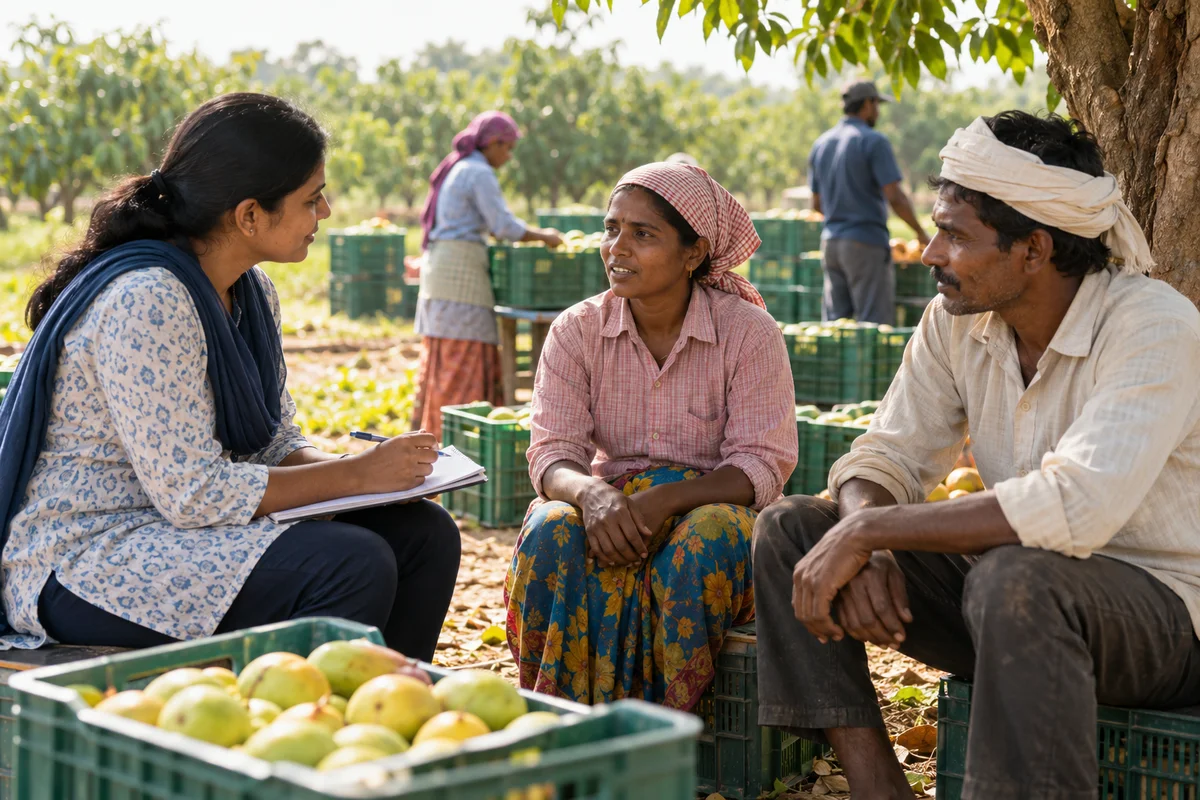
Seasonal crews, field officers and processing staff leave for different reasons. How to ask what shaped their decision and act before next season.
7 min readRead article
How a D2C founder can decide which digital marketing work to hire for, which to buy from an agency, and which to split, with a worksheet and a five step plan.
6 min readRead article
A practical design for an IT services appraisal cycle: when to run it, how to rate fairly across projects, and how to explain hikes so they hold.
7 min readRead article
A founder's guide to hiring freshers and running a first-year programme: campus or open drives, a screening round, a training plan by quarter, mentors and checkpoints.
6 min readRead articleMore on the GullyHR blog.
Record customers in the business's own register, add a second contact for each and recognise relationship work fairly. Terms on customer data should be reviewed by your lawyer.
Set a limit per customer, a due date and a named follow-up person. Review overdue accounts every week in the busy season.
Product knowledge by crop, correct doses, safe storage and handling, and how to explain a warranty or service call to a farmer.
Use it for training, stock checks, village visits and machine servicing, and consider flexible hours or planned leave.
Observe repairs, list the machines each can service and record training and sign-offs. Review repeat repairs for patterns.
We would ask which customers depend on one person, how credit is chased and how staff are trained for the season. A good first project is a customer register with a credit routine. Scope is written for you to accept or change.
All 58 business types in agriculture and agribusiness · Find another business type
See all HR topics for agriculture and agribusiness, or another industry.
Tell us what is slowing your team down. We’ll help you find a practical way forward, starting with a conversation.