
Industries
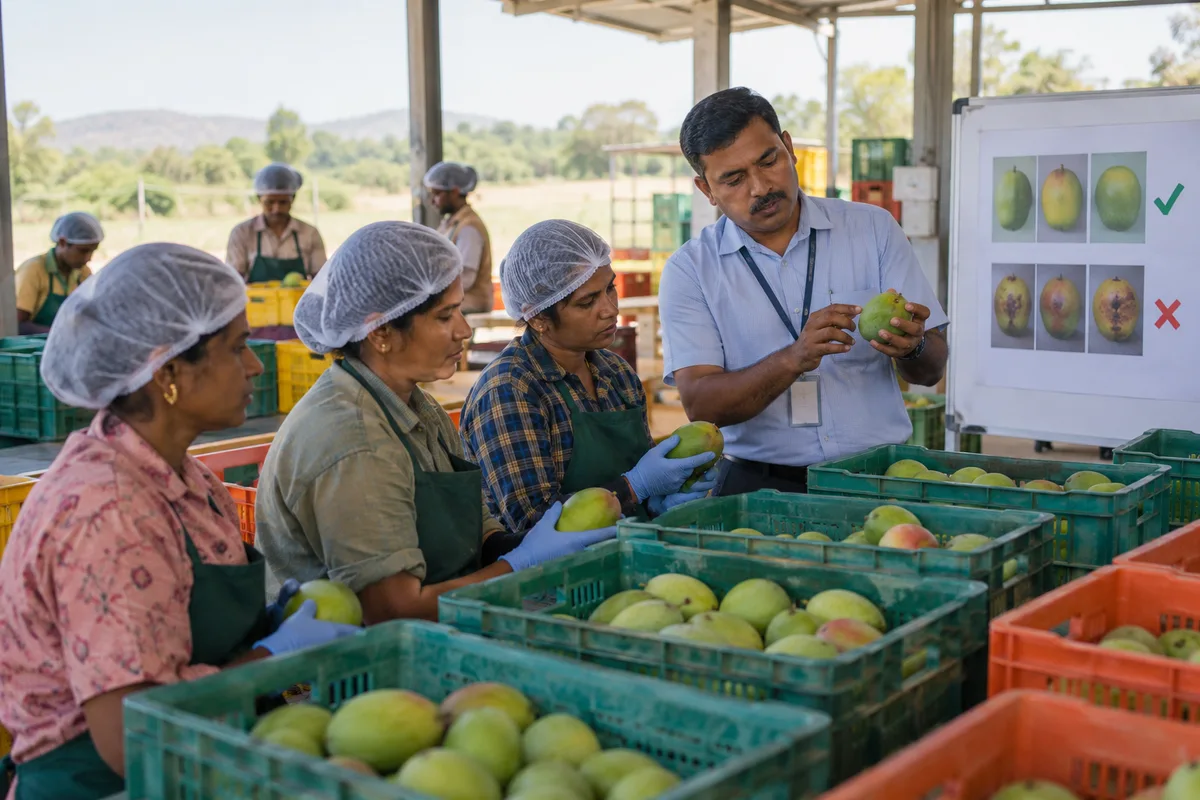
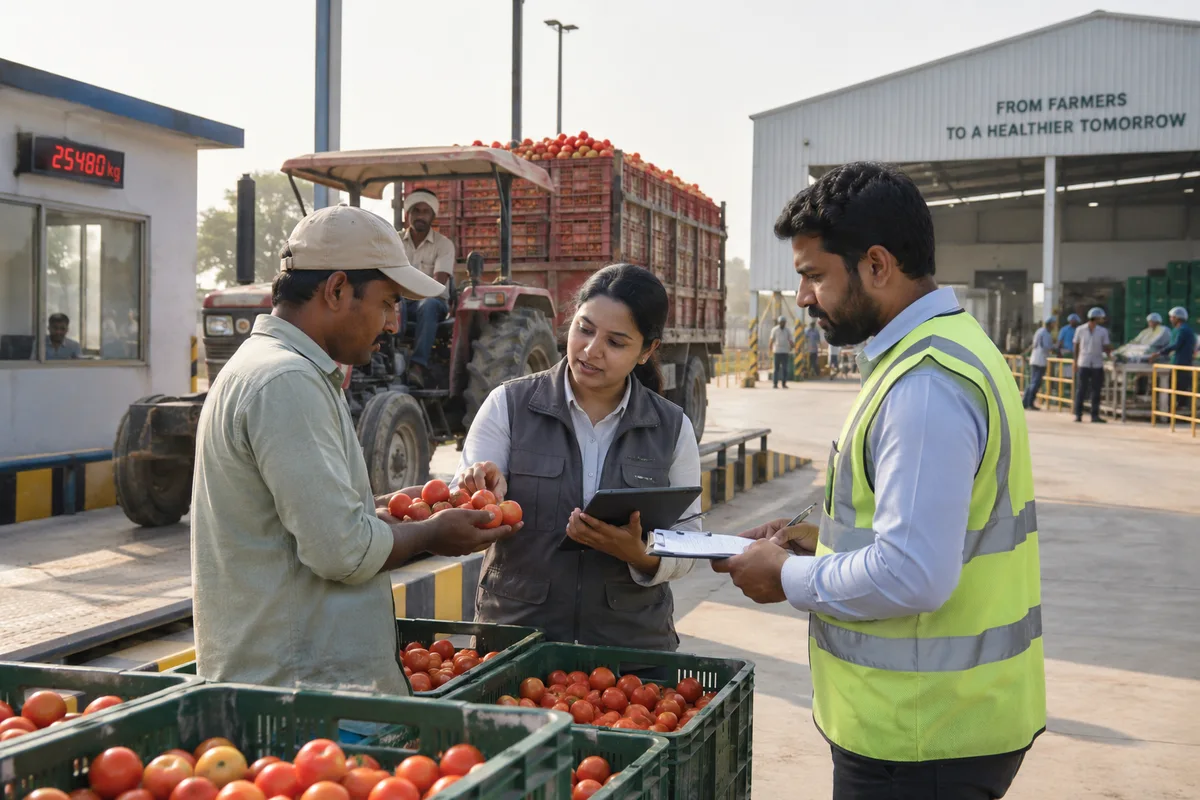
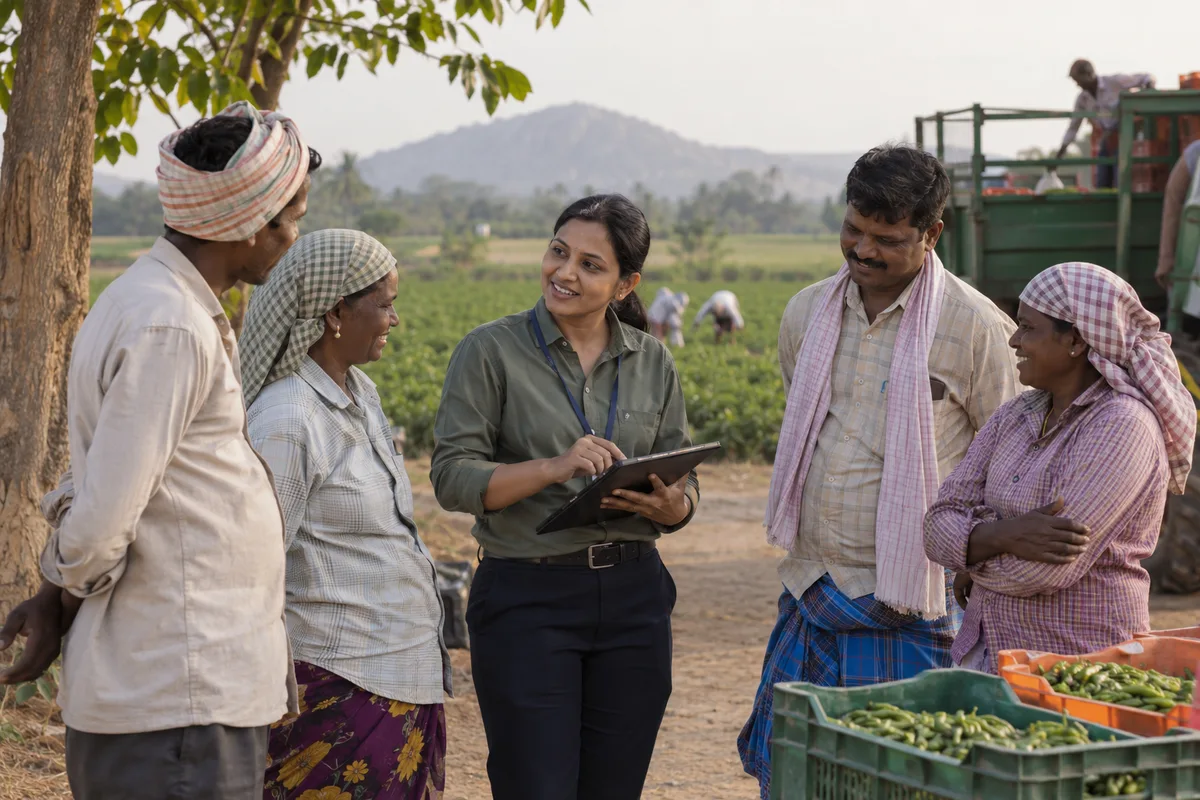
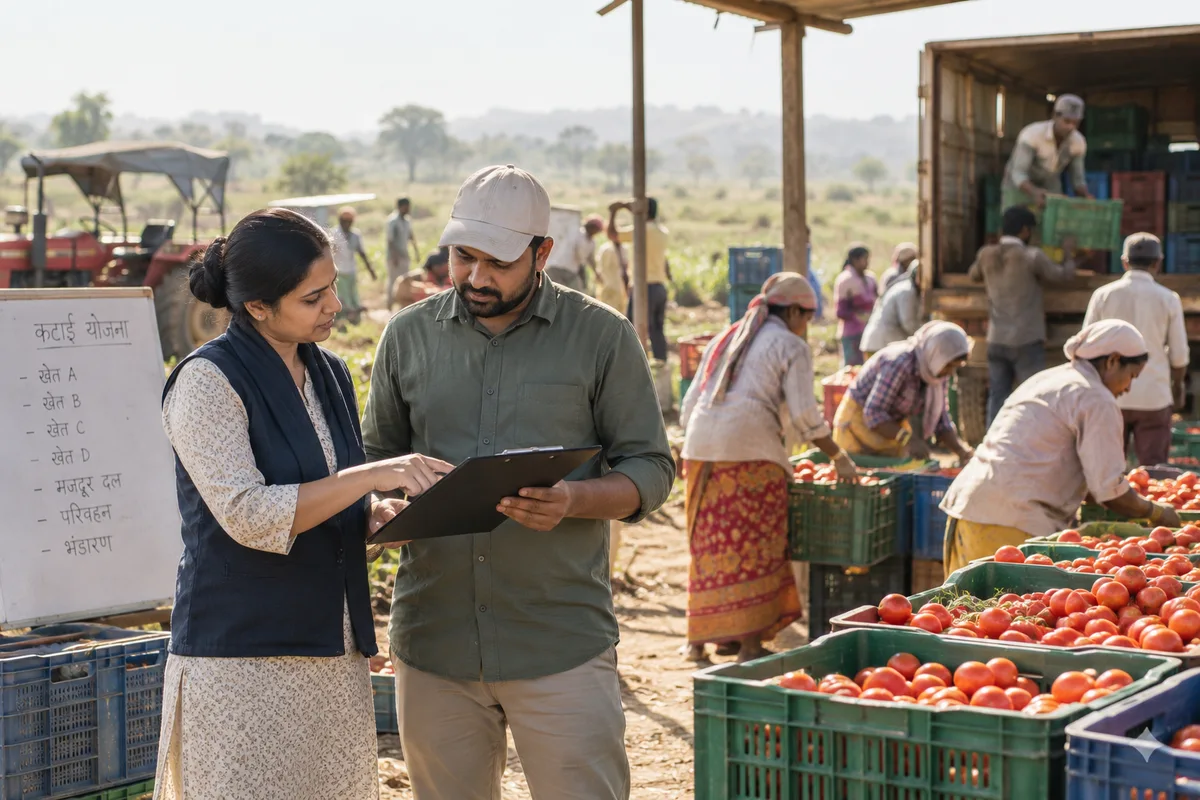
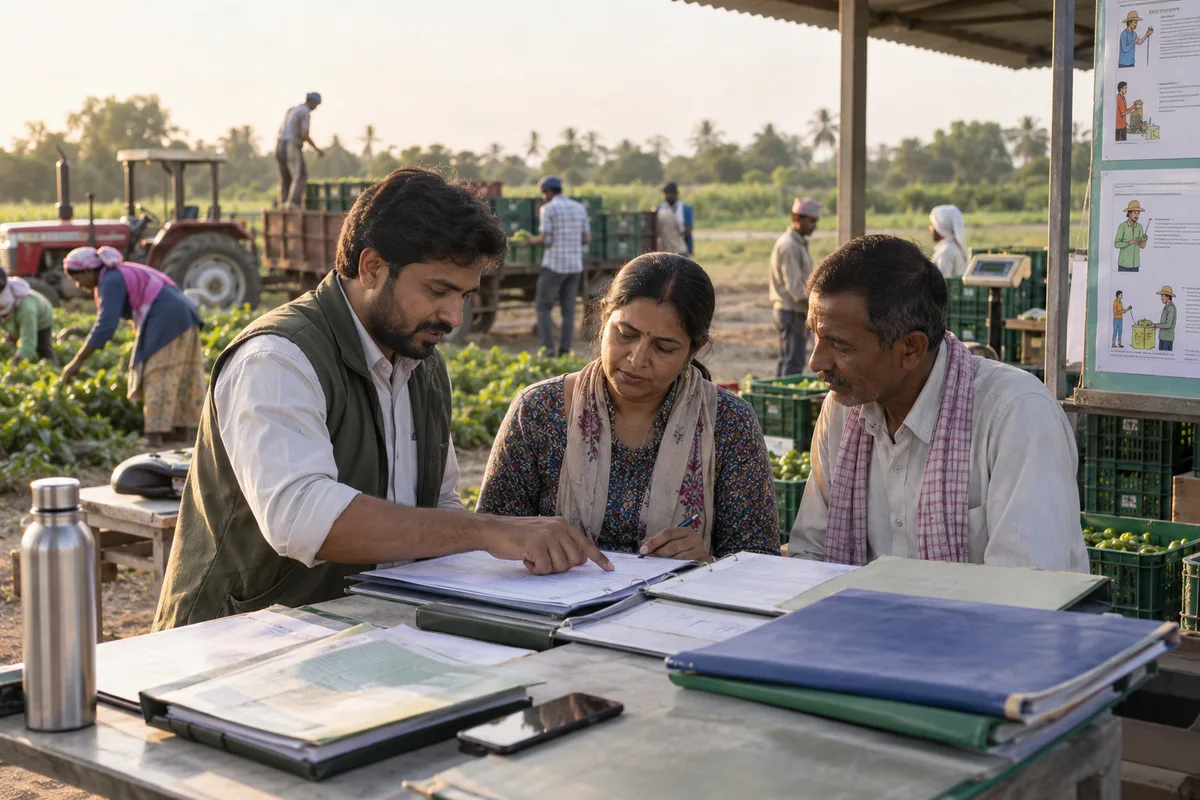
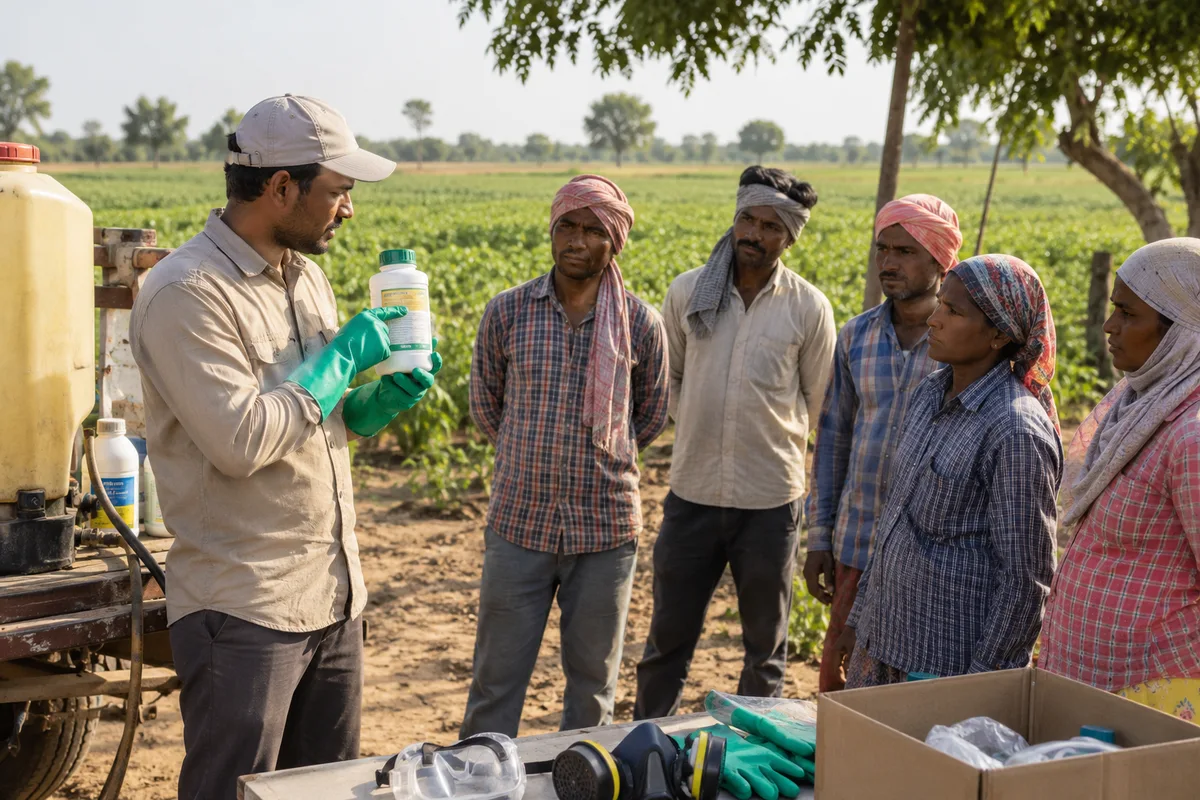
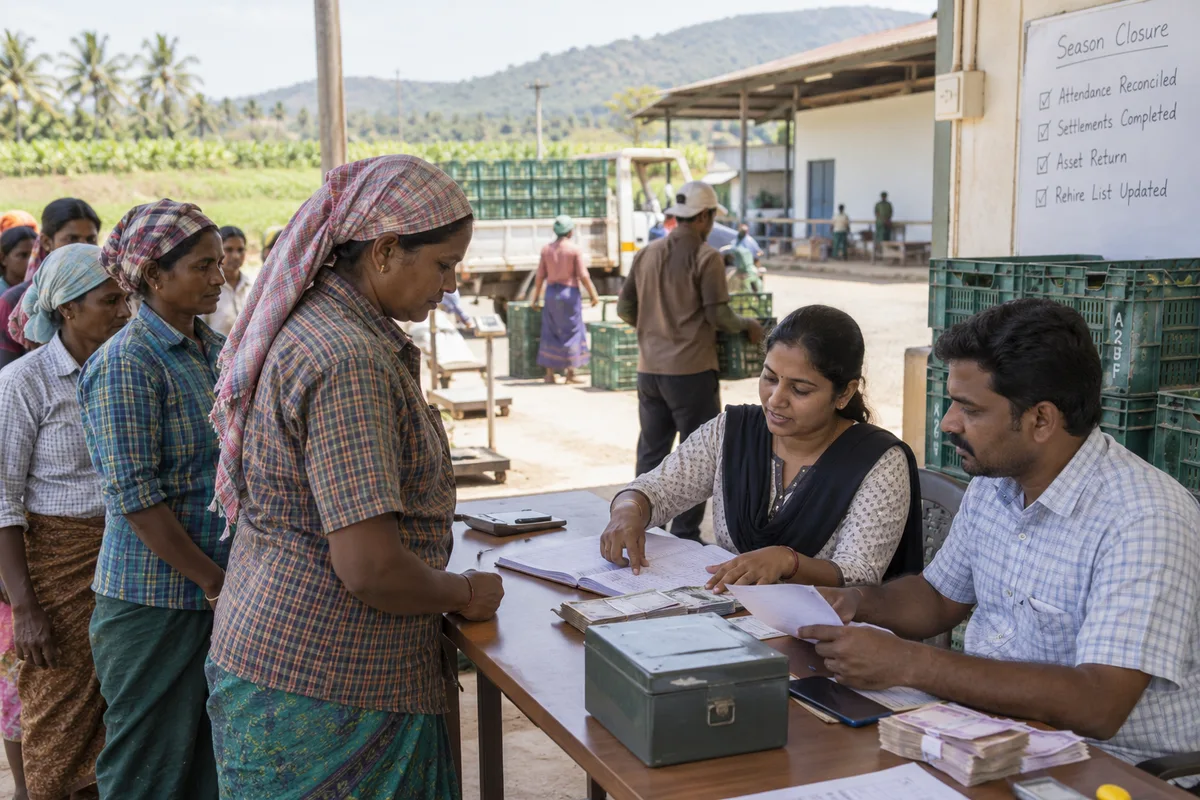
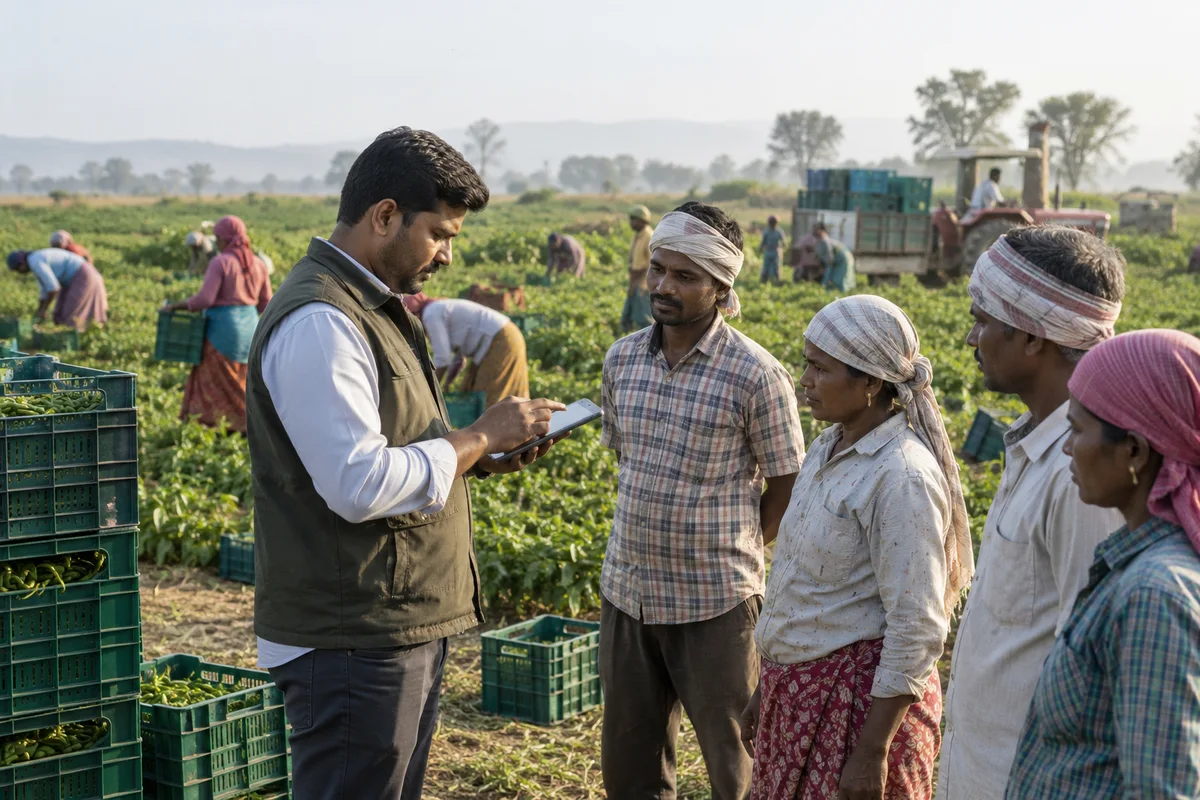
Why agribusiness workers leave and how to understand why
Seasonal crews, field officers and processing staff leave for different reasons. How to ask what shaped their decision and act before next season.
7 min readRead articleA farm automation company sells sensors, controllers and machines that make irrigation, feeding or harvesting less manual. Here is how to run engineers, field technicians and farmer-facing teams across fields and seasons.
Not sure what you need? Tell us about your business in six short steps and we will come to the first meeting prepared.
Share your requirementsA farm automation company designs, assembles and installs systems such as automatic irrigation controllers, soil and weather sensors, feeding systems, dairy equipment and greenhouse controls. Its staff include hardware and software engineers, assembly and quality staff, field installation technicians, sales and dealer managers, farmer trainers and support agents. Customers are farmers with varied education, mostly in villages, with unreliable connectivity and power. Demand is tied to crop cycles, so installation and breakdown calls peak at sowing, irrigation or harvest time. Engineers in the city seldom see the farm, and field technicians often face problems the design did not expect. Winning trust with farmers requires visits, patience and local language, and staff are stretched between factory, office and field. See also HR for agriculture and agribusiness.
These are the places the people side of this kind of business tends to give way. The rest of this page works through them.
HR here has to work for each of these groups, not only the office. The set-up below is written with all of them in mind.
GullyHR runs talent acquisition for permanent roles in farm automation companies. For each role we agree the job description with you, find and screen candidates against it, and support the offer through to joining. Tell us the role and the number of people, and we start there.
We recruit permanent employees. We do not supply contract or temporary staff.
Every business interviews, but few have a written process that works the same way for every role and every interviewer. GullyHR designs yours, from the role brief to the offer, trains your managers to run it, and can run it for you on the roles you hand us.
We agree what the role must deliver, the must-have and nice-to-have skills, and how each will be scored.
Screening call, assessment, interview rounds and decision points, sized to the role and the number of people you hire.
Structured questions for each role family and a rating guide, so two interviewers judge the same answer the same way.
A short briefing for your managers on what to ask, what to avoid and how to give a clear yes or no.
Who approves, how the offer is made, and how candidates are kept informed from first call to joining.
Product decisions are made in the office, while the field team sees dust, water quality and power cuts the design did not assume.
They travel long distances, work in heat and rain, and sleep wherever they can, with allowances handled case by case.
Breakdowns arrive in the same fortnight, and technicians are pulled from installations to repairs without a clear priority rule.
Systems fail because they are misused, but trainers are hired late and have no standard material in local languages.
Dealers promise savings or yields that the product cannot guarantee, and technicians face unhappy customers.
Support agents cannot see what the field sees, and call quality or data gaps make diagnosis slow.
Engineers get the recognition and the best pay, and technicians feel invisible even though their work decides satisfaction.
People who understand both electronics and agriculture are rare, and poaching by larger equipment firms is constant.
Start with the topics that matter most here: Learning and Development; Organisation Design; Retention and Attrition Management. Then work through the rest. Each topic is written for agriculture and agribusiness, not in general.
Training planned from need rather than from the calendar.
Structure, reporting lines and who is allowed to decide what.
Who leaves, when, why — and which of them mattered.
How many people, in which roles, by when — and what they will cost.
Requisition to joining, the same way every time.
A first day that is the same for the fifth joiner as the first.
Records, attendance, leave and the day-to-day HR that must simply work.
Salary structure, payroll inputs and a month that closes on time.
Goals, reviews and ratings that hold up in a conversation.
Named backups for the roles that cannot be vacant.
Communication, recognition and the conditions people actually work in.
Two routes — one for complaints, one for conduct — kept separate.
Policies a manager can apply, and obligations with owners and dates.
Induction, records, incident reporting and follow-through.
Resignation to relieving letter, in a defined order.
Records that survive people, and approvals that do not queue.
A short monthly pack management actually reads.
An HR function that runs the same way every month.
The pieces a farm automation companies business puts in place, in an order that makes each easier. Open any card for the detail.
A fixed number of farm visits a year for every product engineer, with a short report on what they saw, linked to design reviews.
A fixed number of farm visits a year for every product engineer, with a short report on what they saw, linked to design reviews.
Clear allowances, stay standards and safety expectations for remote work, with a named person to call.
Clear allowances, stay standards and safety expectations for remote work, with a named person to call. See workplace health, safety and wellbeing.
Priority rules for repairs against installations, extra temporary technicians trained before the season and a simple daily job board.
Priority rules for repairs against installations, extra temporary technicians trained before the season and a simple daily job board.
Pictures, short videos and local-language steps for use and basic fault checks, with trainers rated on farmer comprehension.
Pictures, short videos and local-language steps for use and basic fault checks, with trainers rated on farmer comprehension.
A written list of what the product can and cannot promise, approved by engineering, and used by dealers and sales staff.
A written list of what the product can and cannot promise, approved by engineering, and used by dealers and sales staff.
Skill levels for field staff, with pay and recognition tied to certified skills, using the performance management process.
Skill levels for field staff, with pay and recognition tied to certified skills, using the performance management process.
Before changing anything, find out what is true today. These checks take an afternoon and tell you which of the topics above to start with.
Share your requirementsConfirm with a qualified professional. What applies to you depends on your business, your state and your arrangements, and it changes. This page describes practice. It does not state a legal position.
The services below fit this kind of business best. Each starts by recording where you stand, and every later report compares against that. We do not promise outcomes.
Skill building for technicians, trainers and engineers who meet farmers.
Field safety, travel and stay rules for remote work.
A fair way to recognise field technicians as well as engineers.
Finding people who understand both technology and farm conditions.
Start with a free conversation, or see the paid HR Diagnostic.
Understand the business, its workforce, current processes and HR challenges.
Find the missing, weak, inconsistent or person-dependent processes.
Create the structure, processes, policies, SOPs, dashboards and systems needed.
Help HR and department managers actually adopt the new system.
Digitise repetitive and approval-based workflows where it is worth doing.
Track hiring, attendance, employee cost, performance, training and attrition.
Strengthen the people-management system continuously, not once.
From the GullyHR blog: one on HR in agriculture and agribusiness, and one on each of the topics this page points to.
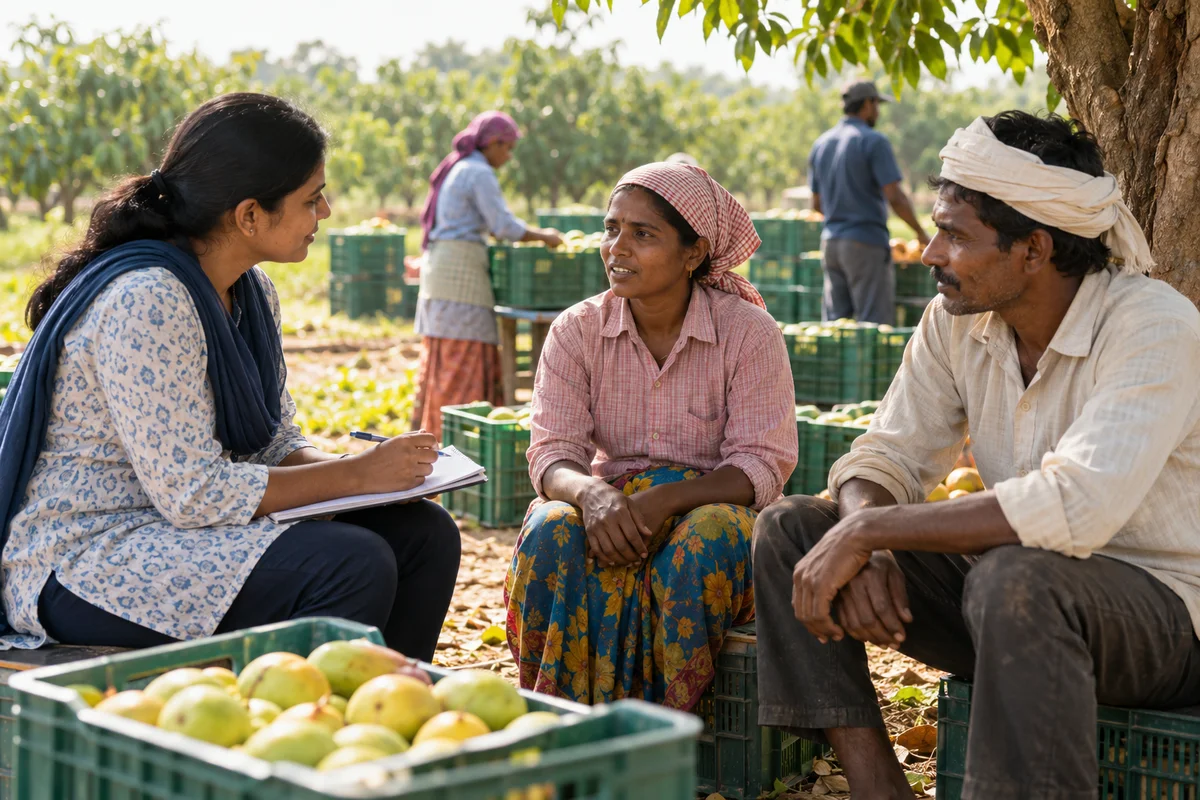
Seasonal crews, field officers and processing staff leave for different reasons. How to ask what shaped their decision and act before next season.
7 min readRead article
A founder's guide to hiring freshers and running a first-year programme: campus or open drives, a screening round, a training plan by quarter, mentors and checkpoints.
6 min readRead article
A founder's guide to building job grades, titles and billing levels for a growing IT services firm, with a step-by-step method and a grade description outline.
6 min readRead article
What really keeps mobile app and web developers in a small firm: stay conversations, growth paths, fair release rules and a risk sheet an owner can use this month.
6 min readRead articleMore on the GullyHR blog.
Give them a skill ladder, fair allowances and visible recognition for solving real farm problems. Treat their reports as input to design.
Set priorities in advance, train temporary technicians before the season and keep a simple daily job board. Last-minute decisions create chaos.
Use pictures, short videos and local-language steps, and test understanding by asking farmers to demonstrate. Training is not complete when the equipment is installed.
Provide an approved list of claims and review marketing material with engineering. Clear limits protect both the farmer and your reputation.
Hire for curiosity and train on the other side, with field visits for engineers and basic electronics for agriculture graduates.
We would ask about field travel, peak-season service and how engineers learn from the field. A sensible first piece of work is a field travel policy and a technician skill ladder. Scope follows in writing, so you can accept or trim it.
All 58 business types in agriculture and agribusiness · Find another business type
See all HR topics for agriculture and agribusiness, or another industry.
Tell us what is slowing your team down. We’ll help you find a practical way forward, starting with a conversation.