HR for Steel Casting Foundries: Arc Furnaces, Heat Treatment and Heavy Castings
A steel foundry pours alloy steel for rail, mining and heavy machinery parts. Each casting is heavy and costly, so one weak link among melters, moulders and repair welders is expensive.
Make this work for your business. Share your team size, priorities and what you need help with. We’ll use your brief to prepare for the first conversation.
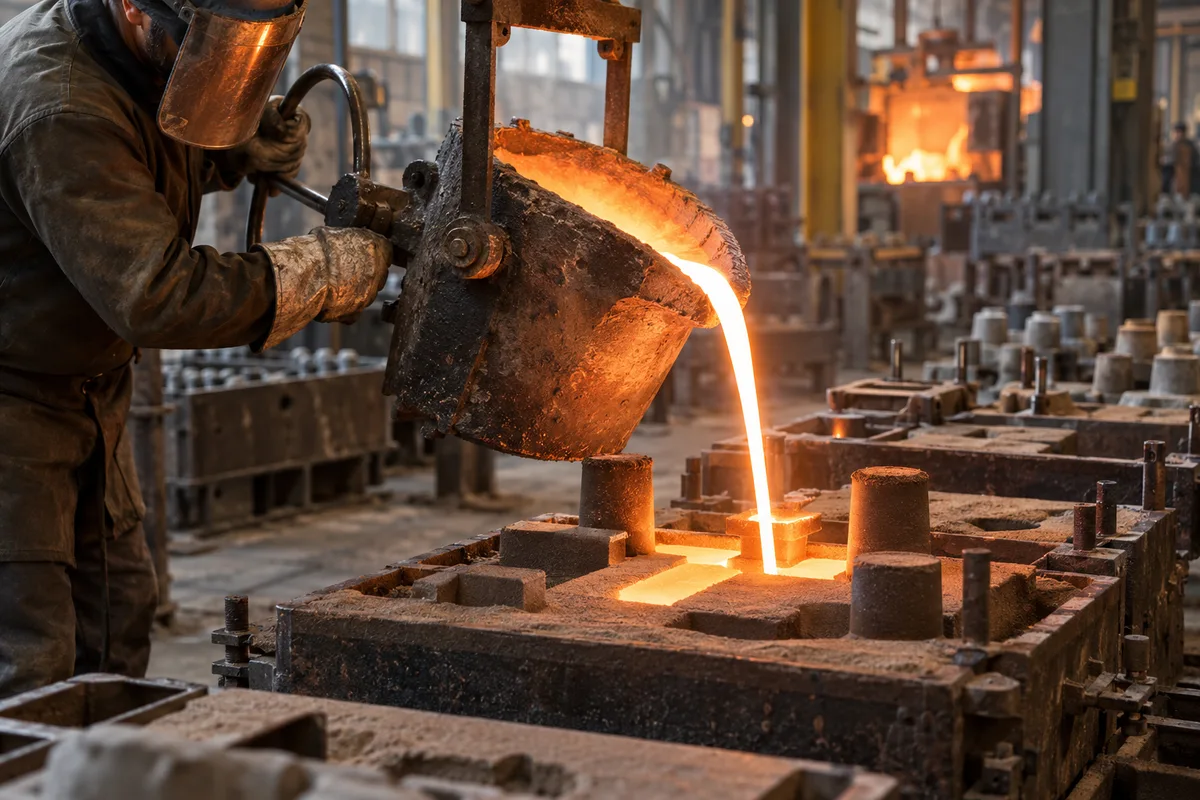
A steel casting foundry supplies railway, mining, cement, power and heavy engineering buyers. Steel is melted in arc or induction furnaces at a far higher temperature than iron, poured into large moulds, then shaken out, cut free of runners and risers, heat treated and finished. Steel throws more defects, so welders repair castings before machining or inspection. Orders are one-off or small batch with long lead times, and a single piece can weigh several tonnes. The floor needs melters, moulders, crane operators, gas cutters and repair welders, and most of those skills take years. The wider manufacturing HR page gives the sector view.
Plan→
Hire→
Onboard→
Manage→
Develop→
Perform→
Engage→
Retain→
Exit→
Improve
When HR is weak in steel casting foundries, you may see
Repair welders decide what is saved and what is scrapped
A heavy pour is a team act under real risk
Crane operators and riggers are taken for granted
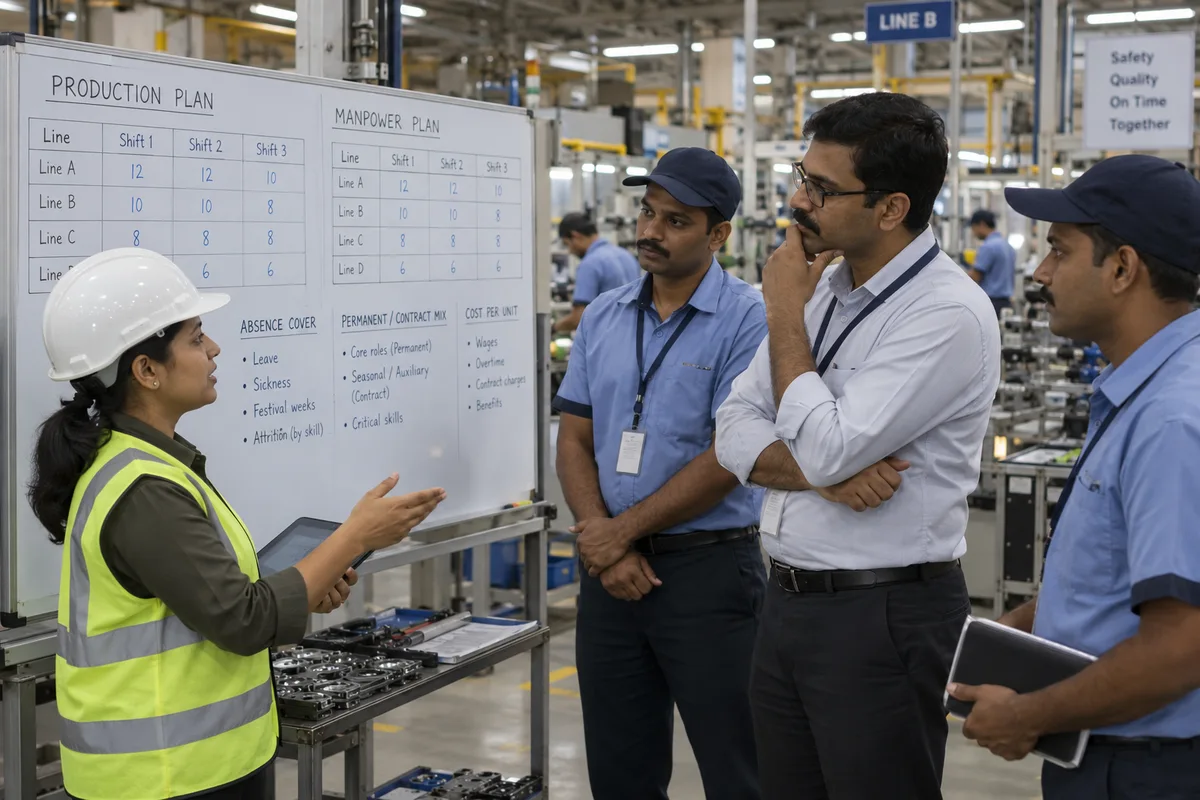
Long-lead orders hide the labour gap until the peak
Heat treatment cycles run through nights and weekends
Trade skills are learnt by watching, with no record
These are the places the people side of this kind of business tends to give way. The rest of this page works through them.
Why GullyHR for steel casting foundries
Repair welders and crane crews planned, graded and kept.
For steel foundries where one weak link in a heavy pour is costly. GullyHR maps the scarce trades, sets a pay path for repair welders and plans labour against the order book.
01
A map of the scarce trades
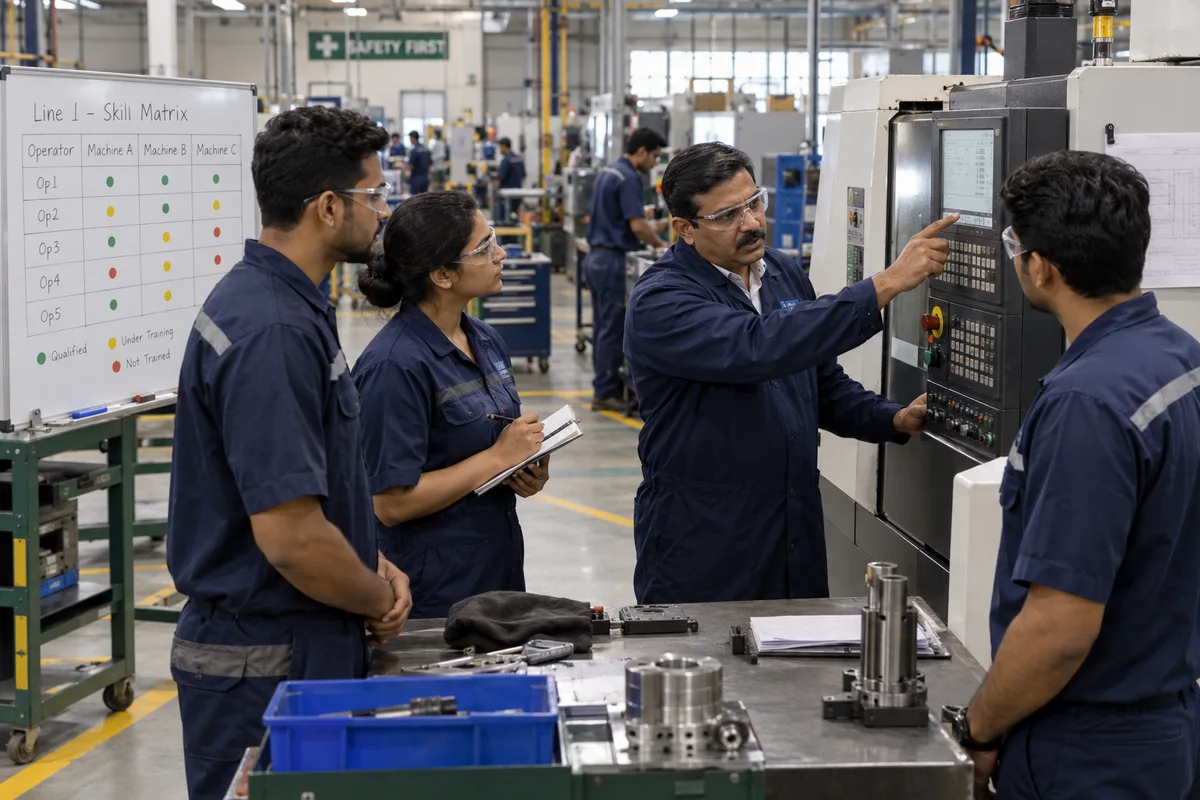
A trade map names repair welders, crane operators, gas cutters and melters, who covers each and who is learning, so a long-lead order never meets an empty bench.
02
A pay path for repair welders
A grade ladder for repair welders ties pay to the castings they can save and the codes they can work to, so skill is rewarded before a rival does it.
03
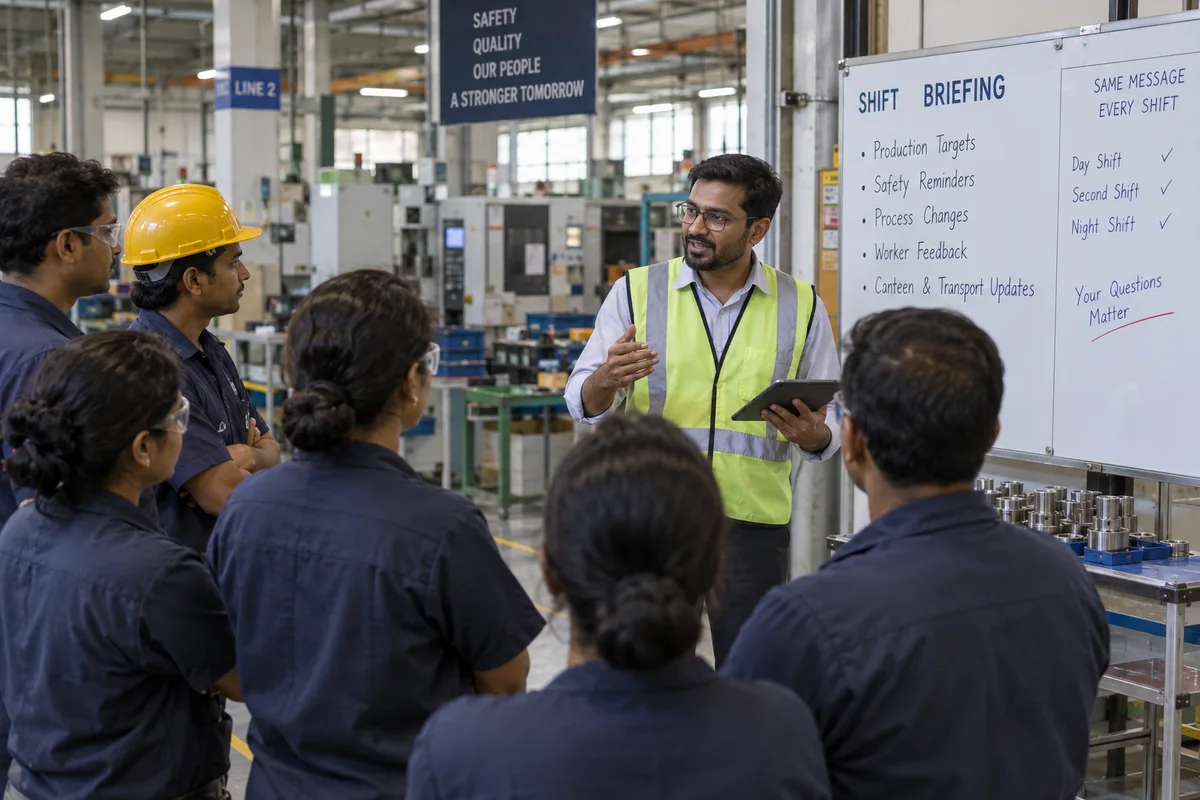
A briefing before each heavy pour
A short pour briefing names crane, ladle and mould crews, signals and exits, so a heavy pour is a rehearsed team act and not a hopeful one.
04
A fair rota for heat treatment nights
A rota rule shares nights and weekends in the heat treatment bay, so the same few operators are not left carrying every long cycle.
Our services for steel casting foundries
Start with any one of these. Scope and fee are agreed in writing after a free first conversation.
HR audit
The audit starts with a count of skilled posts and how long each has stood vacant, with the order book beside it. We read repair weld records, crane operator training and refresher dates, and heat treatment rotas for nights and weekends. On the floor we watch a heavy pour and the repair bay, and speak with welders, riggers, gas cutters and moulders. The report shows which scarce trades have no cover, where the order book will meet a labour gap and how fairly night work is shared.
What you receive
A scarce trade map naming each repair welder, melter and crane operator with cover
A review of open posts and vacancy times set against the order book
A short report on crane training and heat treatment rota fairness
An example, not a client storyTake a foundry with a long-lead order for a heavy casting and only one repair welder who can work to the buyer's standard. The owner asks for an audit. We name the gap, show when it bites against the order book and list who could be trained. The owner then sees the risk plainly.
We start with the heavy pour briefing: crane, ladle and mould crews, signals, exits and what to do if the metal runs wrong. Next comes the repair weld routine, from marking a defect to sign-off by inspection, so decisions about saving or scrapping are consistent. Then we write the heat treatment rota rule for nights and weekends. Each is drafted with the crews and tried on live work before it is adopted. Supervisors read each page aloud at shift start for the first weeks. Anything unclear is reworded with the crew.
What you receive
A heavy pour briefing page naming crews, signals, exits and the stop call
A repair weld routine from defect marking to inspection sign-off
A heat treatment rota rule sharing nights and weekends across named operators
An example, not a client storySuppose a casting is weld repaired twice and still fails inspection, and the welder and inspector blame each other. We write a repair routine with both, with a clear point at which the casting is saved or scrapped, and record the decision each time. The next dispute is settled by a record, not by volume.
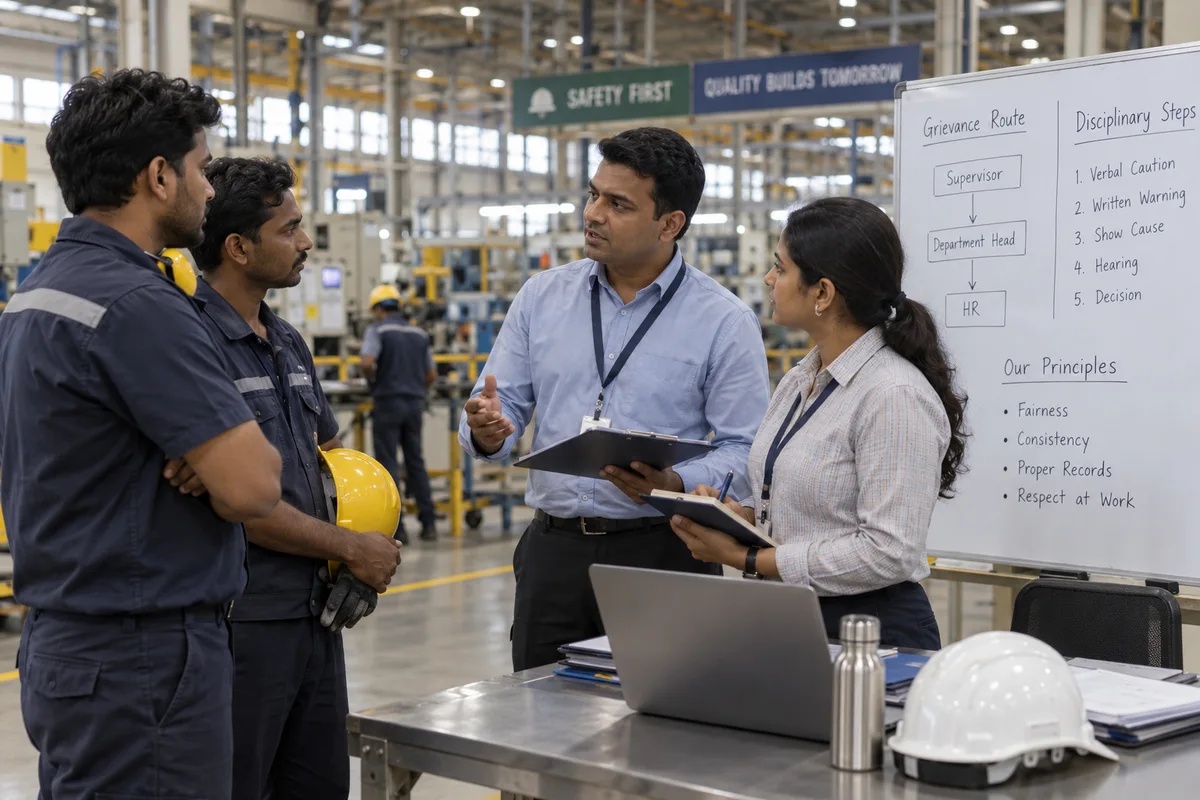
Each week we update the trade map as welders, moulders and crane operators pass sign-offs. We check the heat treatment rota for fairness and speak with operators who carry more than their share of nights. We review the order book with the owner and flag the weeks when labour will run short, so hiring begins early. We keep the crane refresher dates and chase supervisors when one is due, and handle absence and discipline as fair files. Each decision is kept on file with its reason, and the owner sees a short note each month.
What you receive
A weekly trade map update showing cover, learners and refreshers due
A heat treatment rota fairness note for supervisors and the owner
A monthly hiring look-ahead matched to the order book
An example, not a client storyPicture an order book that fills up in a quarter, with two repair welders and nobody to replace either. The management routine flags it early, so the owner starts hiring and a junior's training in good time. The junior's training starts months before the peak. Nothing is left to the last week.
Recruitment is for permanent roles only. The scarce ones are the repair welder, the melter, the gas cutter and the crane operator who can be trusted with a ladle. We agree a role brief, set a practical task such as a repair weld plan or crane signal talk-through, and score each candidate on one sheet. We also plan for promotion from within, since fettlers and helpers can grow into repair work. The owner's adviser confirms offer terms. Each candidate hears the same account of the role and the shifts.
What you receive
A role brief for repair welder, melter and gas cutter with a skill ladder
A practical task set and a scored sheet for each scarce trade
A promotion route for fettlers and helpers with named mentors
An example, not a client storySay the foundry needs a repair welder and gets two strong applicants from other works. The owner is torn. We run both through the same weld plan task and scoring sheet, so the decision rests on the work each shows. The owner sees who is stronger on the day, not on reputation. Offer terms go to the adviser.
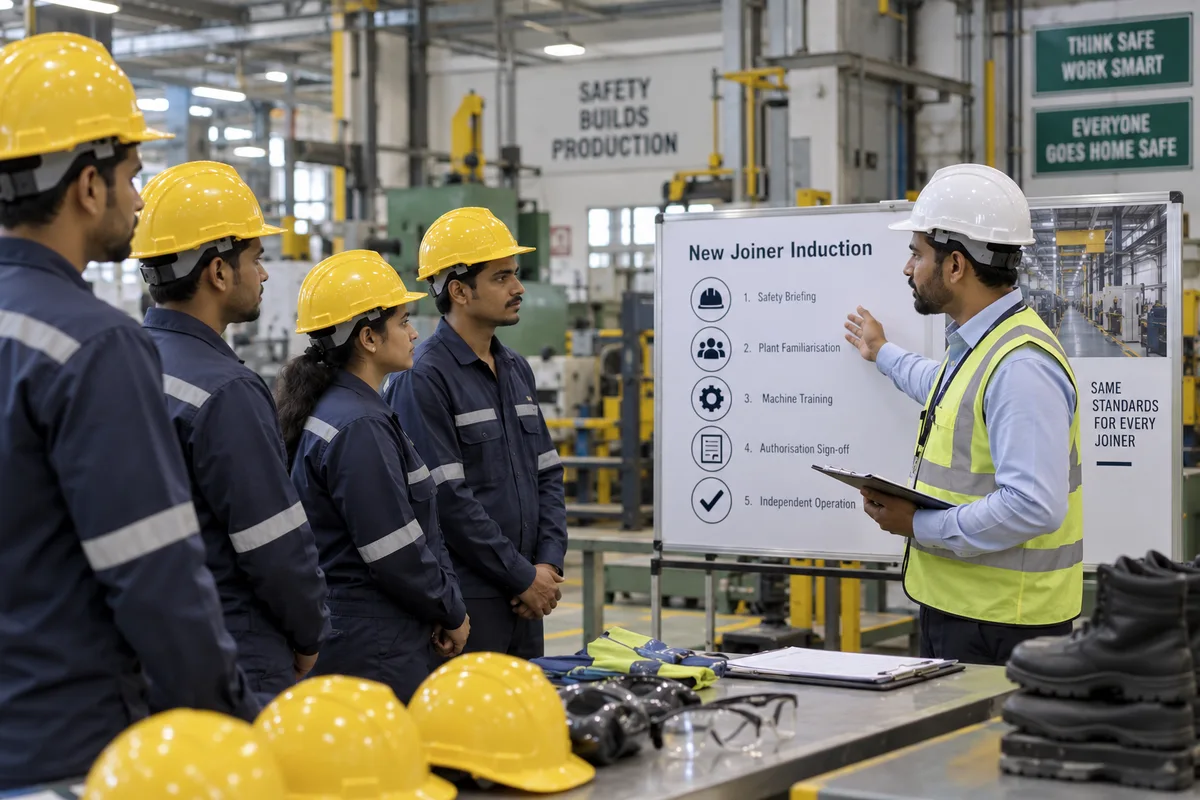
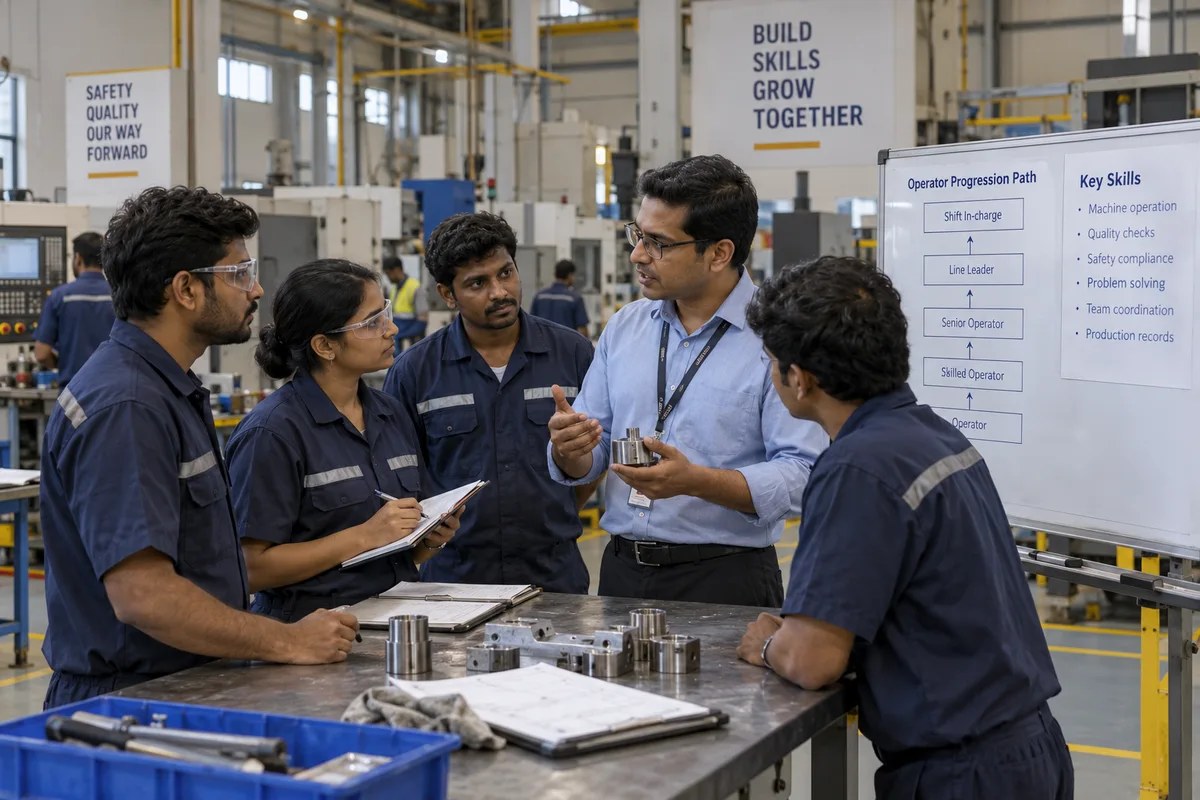
For supervisors we run sessions on briefing a heavy pour crew, handling a night rota fairly and speaking to a welder about a failed repair. For the crew we repeat crane signal and load handling practice, heavy pour safety and ladle routes using the foundry's own equipment. Junior welders get a step guide for repair work and a senior to check their first jobs. Sessions are held on the floor, with the adviser confirming safety content. Notes from each session, with names of those who attended, go to the owner.
What you receive
A supervisor session pack on pour briefings, night rotas and welder feedback
A crane signal and heavy pour refresher with a record of who attended
A junior repair welder guide with a senior check on first jobs
An example, not a client storyTake a crane operator who has not had a signal refresher for a long time and a pour coming up. The supervisor is unsure what to do. We schedule a short refresher, record it in the register and add the next date. The register shows the next due date. The supervisor stops guessing.
Policies cover shift timings and night work in the heat treatment bay, the grade ladder for repair welders, rules for heavy pours and crane work, and what to report after a near-miss. The HR software holds grades, refresher dates, attendance and leave, so the planner sees who is cleared for which job before the shift is set. Access is by role. The owner's adviser confirms the wording of anything with a legal edge. Each page is briefed to supervisors before issue, and every change is dated for the crew.
What you receive
A handbook section on shifts, nights and weekends in heat treatment
A repair welder grade ladder with sign-off criteria and pay steps
A refresher and clearance register in the HR system with due-date alerts
An example, not a client storySuppose a welder asks why a colleague is paid more and the owner has no written grade. We draft a repair welder ladder with the senior welders, add it to the handbook and load the grades into the HR system. The welders help word it, and the owner's adviser checks anything with a legal edge.
Questions owners of steel casting foundries ask us
We would write a grade ladder tied to the codes and casting types each welder can work to, add a visible route upward and review pay against it. People then see why they are paid as they are and what comes next. GullyHR designs the ladder; your own adviser confirms any contract, notice or retention terms.
Yes. We lay the order book against the trade map and show the weeks when labour will run short, then plan hiring and training to meet them. You see the gap months before the peak, not in it. Your own adviser confirms any contract terms for new hires. We refresh the look-ahead with you each month as orders change.
It should name the crane, ladle and mould crews, the signals, the exits, the order of tasks and the stop call. We write it with your pouring crews and keep it short enough to say before every heavy pour. Your own adviser confirms the safety duties that apply to your foundry. We trial it on one pour first.
We write a rota rule that spreads nights and weekends across named operators, with swaps allowed by agreement. The rota sits in the HR system so everyone can see the pattern. Any overtime or night allowances are checked by your own adviser against the rules that apply to your works. We review the pattern each month with the supervisors.
GullyHR runs talent acquisition for permanent roles in steel casting foundries. For each role we agree the job description with you, find and screen candidates against it, and support the offer through to joining. Tell us the role and the number of people, and we start there.
We recruit permanent employees. We do not supply contract or temporary staff.
Where HR strains in steel casting foundries
Repair welders decide what is saved and what is scrapped
A skilled welder can rescue a costly casting. There are very few, and other foundries court each one.
A heavy pour is a team act under real risk
Ladle movement, crane signals and floor condition all matter, and one person's lapse can cause a serious injury.
Crane operators and riggers are taken for granted
They move every casting and ladle, yet their training is informal and nobody watches their fatigue.
Long-lead orders hide the labour gap until the peak
A big order lands and the foundry finds it short of gas cutters or moulders, with recruiting taking months.
Heat treatment cycles run through nights and weekends
A furnace load cannot be stopped halfway, so a few operators carry unplanned long shifts.
Trade skills are learnt by watching, with no record
A moulder who can handle large complex patterns holds no certificate, so grade and promotion rest on a supervisor's memory.
HR topics for steel casting foundries
Start with the topics that matter most here: Recruitment and Talent Acquisition; Compensation, Payroll and Benefits; Health, Safety and Wellbeing. Then work through the rest. Each topic is written for manufacturing, not in general.
The pieces a steel casting foundries business puts in place, in an order that makes each easier. Open any card for the detail.
Map the scarce trades and who covers each
Repair welding, ladle handling, gas cutting and heavy moulding, each with a named primary and backup.
What this coversHide
Repair welding, ladle handling, gas cutting and heavy moulding, each with a named primary and backup. A competency and talent management approach gives the structure.
Set a pay path for repair welders
A grade that rewards qualified repair work and added tasks, tied to what other foundries pay.
What this coversHide
A grade that rewards qualified repair work and added tasks, tied to what other foundries pay. See compensation benchmarking.
Brief the whole pour crew before each heavy pour
Roles, hand signals, escape route and floor check, in one minute at the pit.
What this coversHide
Roles, hand signals, escape route and floor check, in one minute at the pit. It belongs within health, safety and wellbeing practice.
Plan hiring against the order book
Go through confirmed heavy orders with the production head each month and start early on the short skills, using a clear recruitment process.
What this coversHide
Go through confirmed heavy orders with the production head each month and start early on the short skills, using a clear recruitment process.
Run a fair rota for heat treatment nights
A visible roster that rotates night loads among trained operators and records their rest days.
What this coversHide
A visible roster that rotates night loads among trained operators and records their rest days.
Write down your repair welders and who could repair a heavy casting if one left.
List the crane operators and note when each last had a refresher on signals and load handling.
Count open skilled posts and how long each has stood vacant.
Read the last pour incident or near-miss note, or find out whether one is kept at all.
Check who worked the most heat treatment nights last month.
Confirm with a qualified professional the registration, record and employment duties that apply to your steel foundry, before you promise welders or crane crews a new grade.
Confirm with a qualified professional. What applies to you depends on your business, your state and your arrangements, and it changes. This page describes practice. It does not state a legal position.
Why the best operator can struggle as shift supervisor, what it costs the line, and a practical way to choose, prepare and back new supervisors in any kind of plant.
Simple variable pay structures for product and engineering teams: four options, why individual metrics backfire, a build plan and a one page outline to adapt.
A shift, weekly and monthly safety routine for rubber plants that names who checks platen guards, mill trip bars, autoclave doors, burst-test cages and slings, and who acts on near misses.
Give the role its own grade and pay path, include them in decisions on which castings to repair, and keep conditions good. Quiet respect holds more than one raise.
Yes, and it is the only way in some cases. Pair each trainee with a senior, list the tasks in order and sign them off. It takes time, so begin before the order peak.
Brief the crew every time, rotate the tiring tasks and let anyone call a stop when something looks wrong. A culture where stopping is safe matters as much as equipment.
Write a roster that rotates the work, records rest days and keeps one person from always taking the load. Ask operators which pattern they can live with.
Describe each level by what the person can do alone, such as the casting weight or complexity, and have two seniors agree the grade. Review once a year.
We would look at the repair welders and who covers each, how the pour crew is briefed and how hiring is planned against the order book. A good opening job is a skills map of the scarce trades with a pay path. After a first conversation, scope is written down.
Tell us your industry, team size and the issue you want to address. Bring one example of where work gets delayed or ownership is unclear, and the deadline or decision you are working towards.