







GullyHR

Casting and Foundry · Aluminium Die Casting Units

HR for Aluminium Die Casting Units: Machine Operators, Die Setters and Trimming Crews

Aluminium die casting units shoot molten metal into steel dies on cold chamber machines to make housings and covers. The people risk sits with the die setter, the shot-to-shot cycle and the heat at the machine.

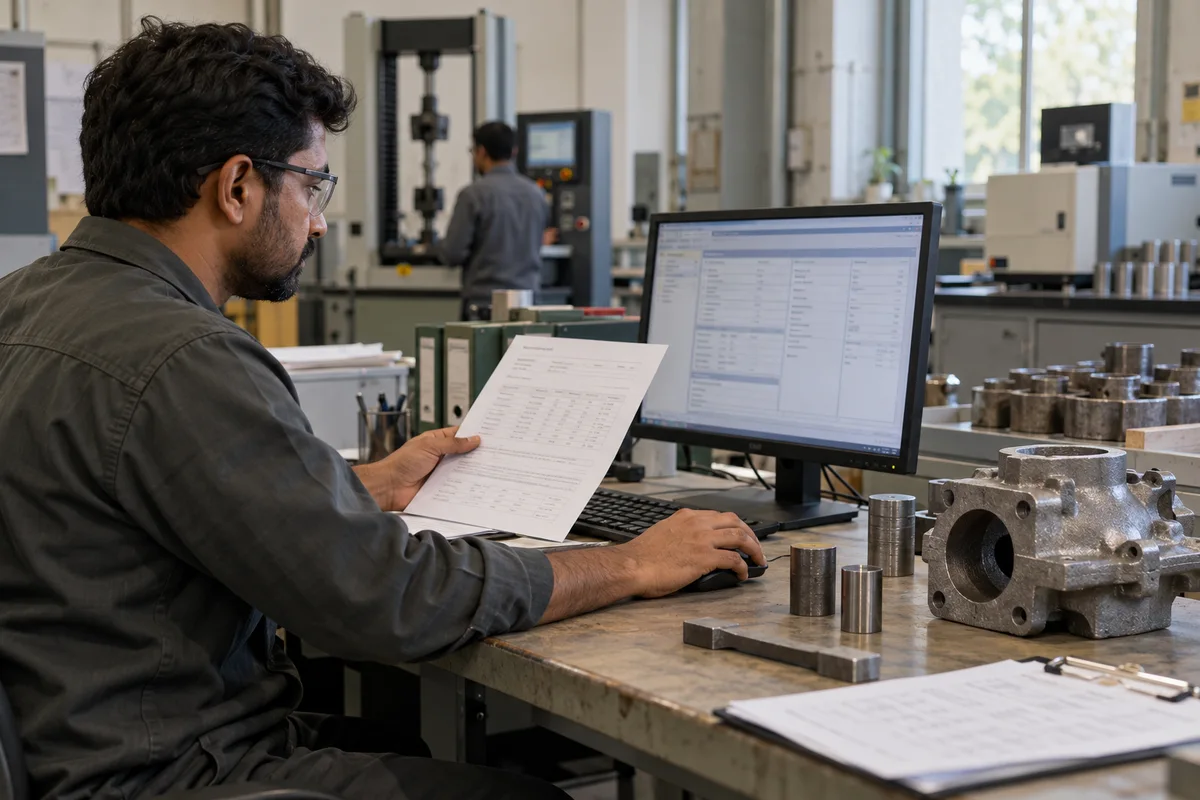
Workplace scene for Aluminium Die Casting Units: Machine Operators, Die Setters and Trimming Crews

Not sure what you need? Tell us about your business in six short steps and we will come to the first meeting prepared.

Share your requirements

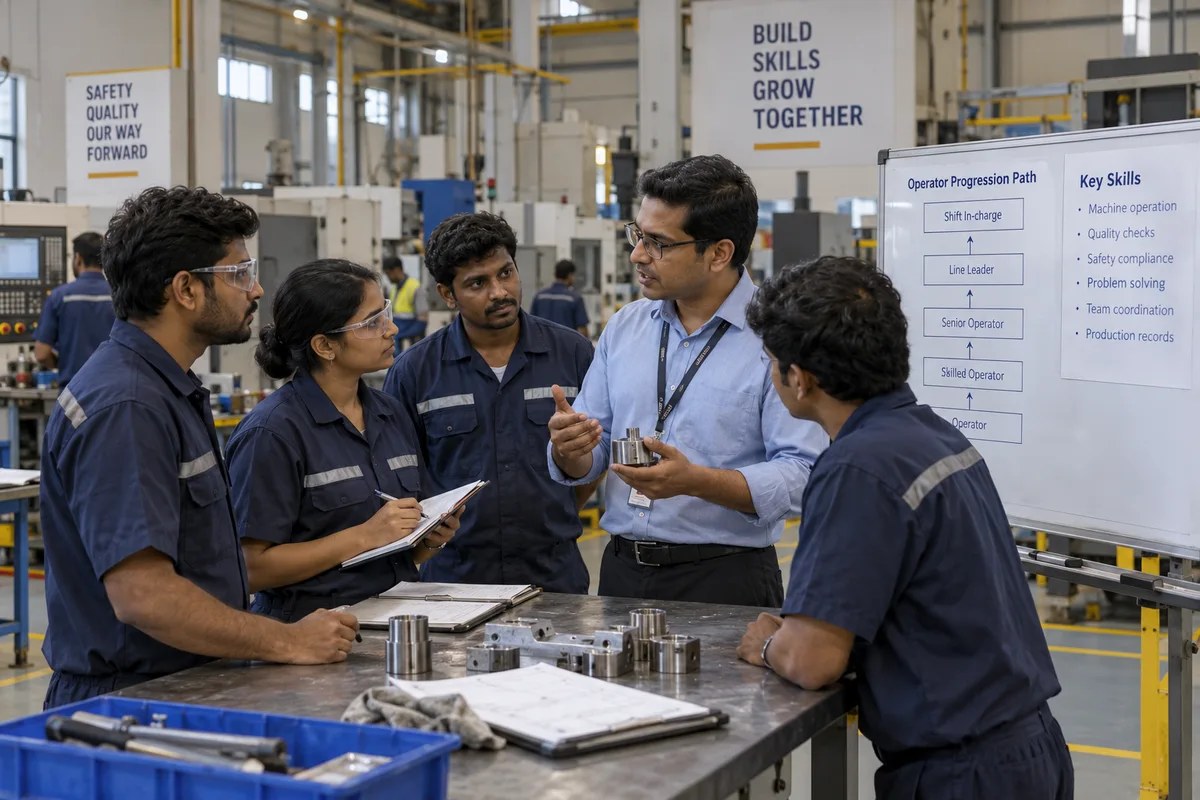
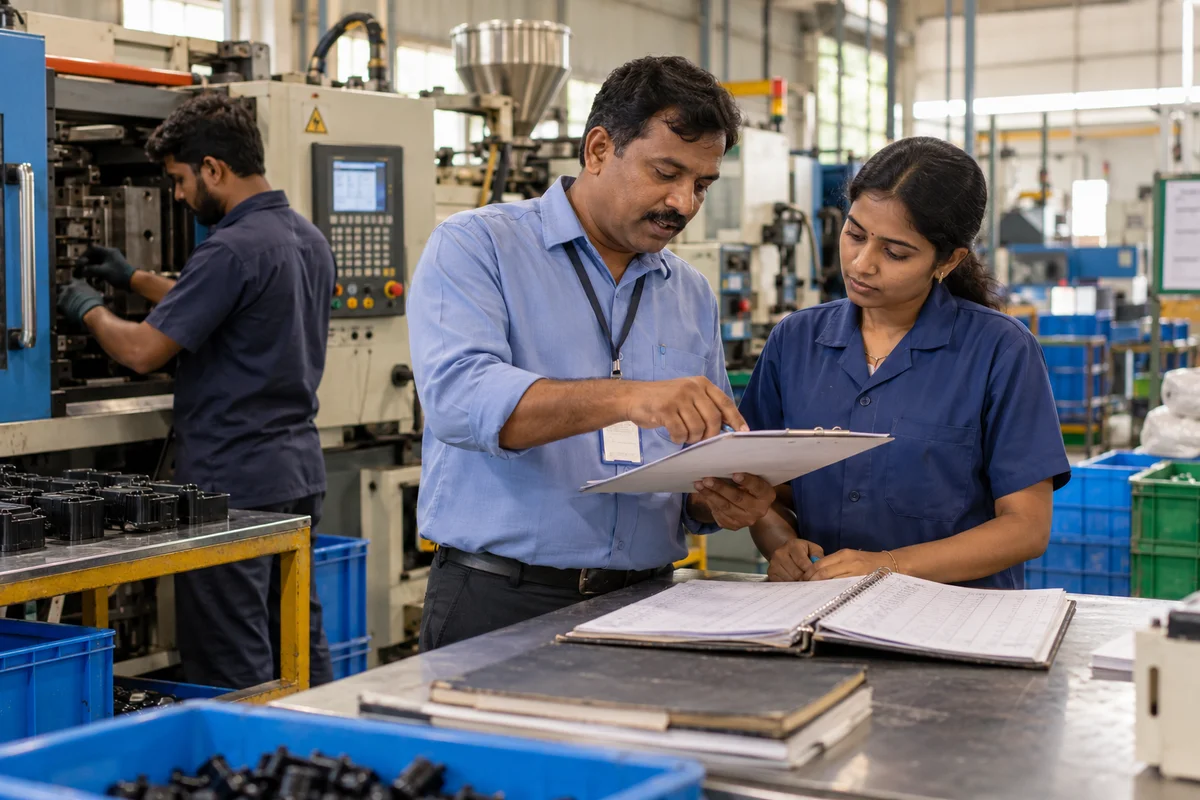
An aluminium die casting unit melts ingot in a furnace, holds it in a ladle or holding furnace and shoots it into steel dies on hot chamber or cold chamber machines. Each machine runs a cycle of seconds, so the operator's spray, plunger timing and ejection decide the output. After the shot come trimming presses, fettling, shot blasting, leak tests and sometimes CNC machining. A die change can eat hours, and good setters are scarce. Operators stand in heat, noise and release-agent spray, on rotating shifts. How a handover goes decides whether the next shift starts clean or inherits a cold die and a blocked vent. Group-level context is in the manufacturing hub.

  1. Plan
  2. Hire
  3. Onboard
  4. Manage
  5. Develop
  6. Perform
  7. Engage
  8. Retain
  9. Exit
  10. Improve

When HR is weak in aluminium die casting units, you may see

  • Setters are few and slow to replace
  • Piece-count pay rewards a rushed cycle
  • Molten metal punishes one careless habit
  • The machine's story is lost at handover
  • Trimming and fettling is treated as the bottom rung
  • New part launches squeeze the floor

These are the places the people side of this kind of business tends to give way. The rest of this page works through them.

Who does the work in aluminium die casting units

HR here has to work for each of these groups, not only the office. The set-up below is written with all of them in mind.

  • Shot and cycle operators
  • Die setters
  • Furnace and ladle attendants
  • Die spray and cooling helpers
  • Trimming press and fettling crew
  • Leak test and X-ray film inspectors
  • Die repair fitters
  • Floor shift supervisors

Roles we help you hire in aluminium die casting units

GullyHR runs talent acquisition for permanent roles in aluminium die casting units. For each role we agree the job description with you, find and screen candidates against it, and support the offer through to joining. Tell us the role and the number of people, and we start there.

We recruit permanent employees. We do not supply contract or temporary staff.

We set up the interview and hiring process for aluminium die casting units

Every business interviews, but few have a written process that works the same way for every role and every interviewer. GullyHR designs yours, from the role brief to the offer, trains your managers to run it, and can run it for you on the roles you hand us.

  1. 1. Role brief and scorecard

    We agree what the role must deliver, the must-have and nice-to-have skills, and how each will be scored.

  2. 2. Stages and sequence

    Screening call, assessment, interview rounds and decision points, sized to the role and the number of people you hire.

  3. 3. Question bank and scoring

    Structured questions for each role family and a rating guide, so two interviewers judge the same answer the same way.

  4. 4. Interviewer readiness

    A short briefing for your managers on what to ask, what to avoid and how to give a clear yes or no.

  5. 5. Offer and follow-up

    Who approves, how the offer is made, and how candidates are kept informed from first call to joining.

Where HR strains in aluminium die casting units

  • Setters are few and slow to replace

    Mounting a die, setting water lines and temperatures and getting a good shot after a change takes years to learn. One resignation can idle a machine.

  • Piece-count pay rewards a rushed cycle

    Pay by shots per shift tempts operators to shorten the cycle, and porosity or flash then turns up at trimming or on the customer's bench.

  • Molten metal punishes one careless habit

    Splash, hot dies and damp scrap dropped near the furnace do harm in a second, so gear and charging habits matter more than a wall poster.

  • The machine's story is lost at handover

    The incoming operator may never hear that a die ran hot or a vent clogged, so the same defect starts again in the first hour.

  • Trimming and fettling is treated as the bottom rung

    Crews on trim presses and grinders do tiring, dusty work with no way up, and leave for any marginally better offer.

  • New part launches squeeze the floor

    A fresh die brings trial shots, scrap and long hours for setters. Those carrying that load are seldom thanked or paid for it.

HR topics for aluminium die casting units

Start with the topics that matter most here: Performance Management; Retention and Attrition Management; Learning and Development. Then work through the rest. Each topic is written for manufacturing, not in general.

Performance Management

Goals, reviews and ratings that hold up in a conversation.

Retention and Attrition Management

Who leaves, when, why, and which of them mattered.

Learning and Development

Training planned from need rather than from the calendar.

HR Strategy and Workforce Planning

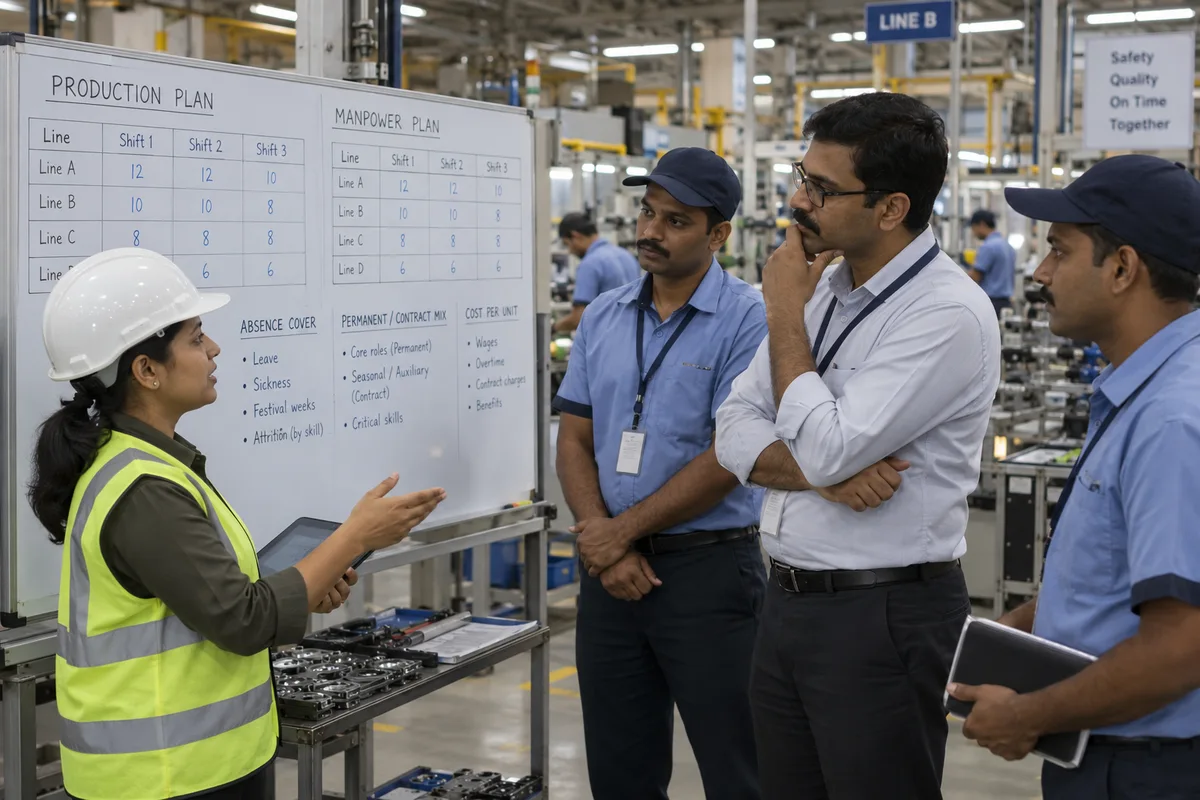
How many people, in which roles, by when, and what they will cost.

Organisation Design

Structure, reporting lines and who is allowed to decide what.

Recruitment and Talent Acquisition

Requisition to joining, the same way every time.

Onboarding and Probation

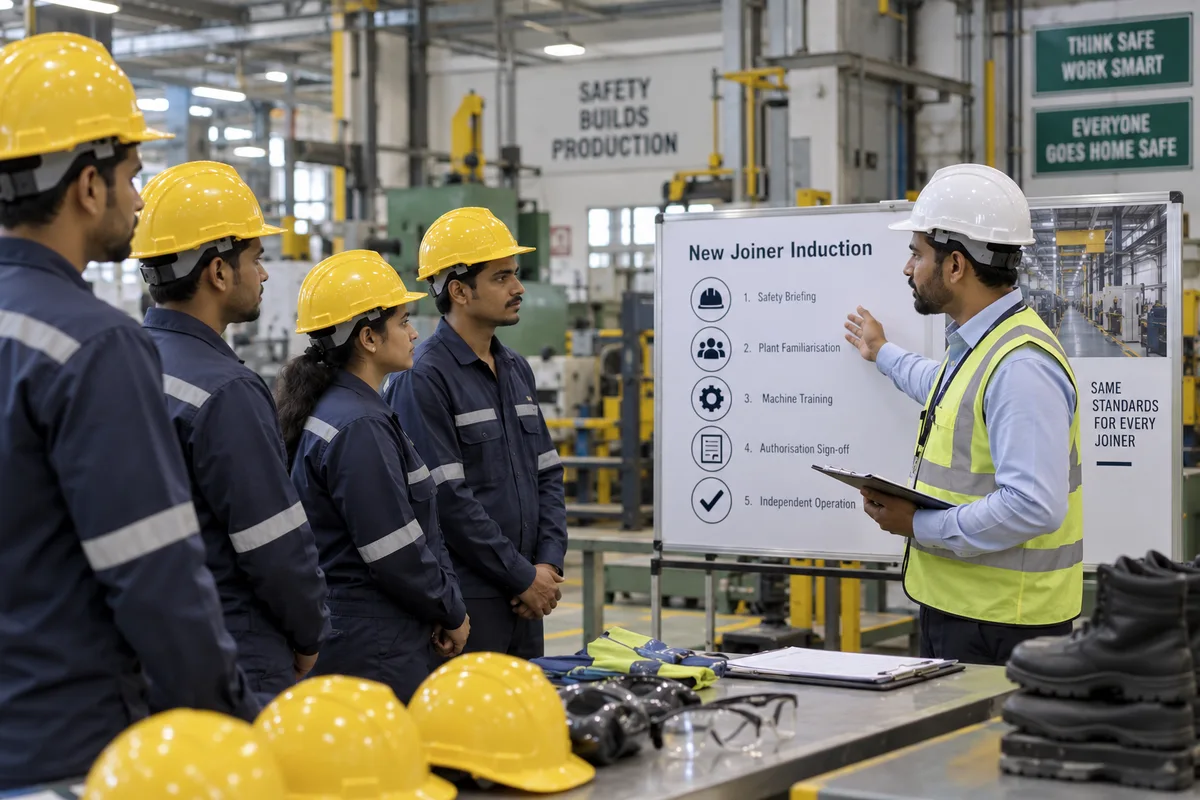
A first day that is the same for the fifth joiner as the first.

Employee Administration

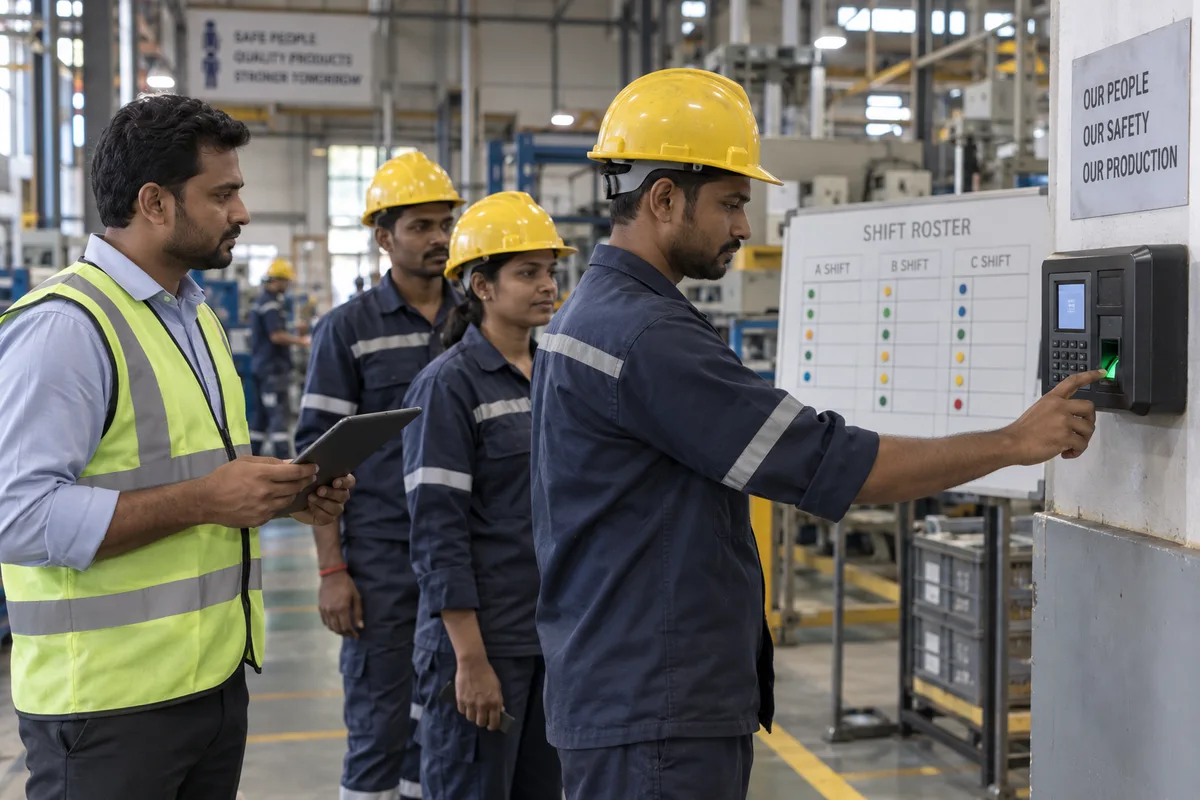
Records, attendance, leave and the day-to-day HR that must simply work.

Compensation, Payroll and Benefits

Salary structure, payroll inputs and a month that closes on time.

Career and Succession Management

Named backups for the roles that cannot be vacant.

Employee Engagement and Experience

Communication, recognition and the conditions people actually work in.

Employee Relations

Two routes, one for complaints, one for conduct, kept separate.

Policies, Compliance and Governance

Policies a manager can apply, and obligations with owners and dates.

Health, Safety and Wellbeing

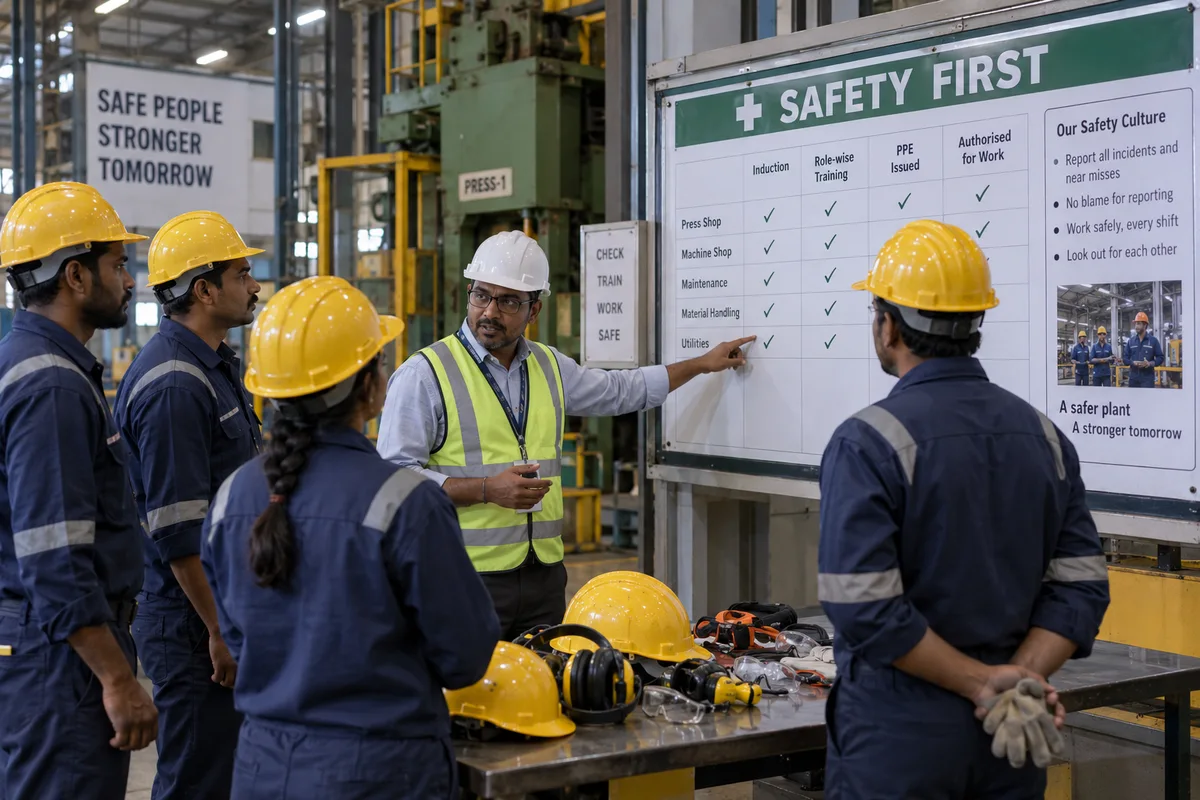
Induction, records, incident reporting and follow-through.

Exit and Alumni Management

Resignation to relieving letter, in a defined order.

HR Technology and Automation

Records that survive people, and approvals that do not queue.

HR Analytics and Management Reporting

A short monthly pack management actually reads.

HR Operations and Governance

An HR function that runs the same way every month.

What a working HR set-up looks like

The pieces a aluminium die casting units business puts in place, in an order that makes each easier. Open any card for the detail.

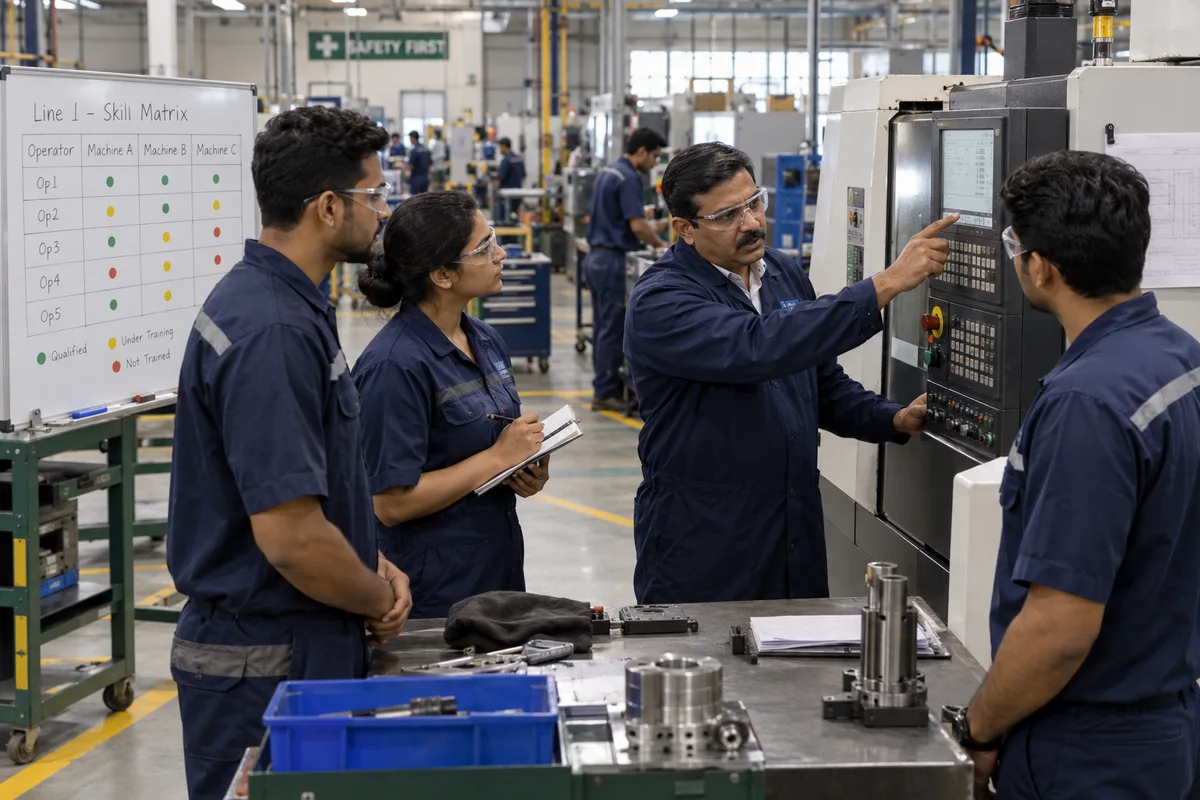
Grade operators and setters by what they run alone

Steps from helper through operator to die setter, naming the dies and machines each person handles unaided.

What this covers

Steps from helper through operator to die setter, naming the dies and machines each person handles unaided. Tie the grades to pay using pay benchmarks.

Give every machine a one-page handover

Die temperature, last adjustment, open problems and rejected shots, signed by the outgoing and incoming operator.

What this covers

Die temperature, last adjustment, open problems and rejected shots, signed by the outgoing and incoming operator. Shift roster design can carry the overlap time.

Pair each new setter with a senior on live changes

The newcomer watches, then assists, then leads a change with the senior beside them.

What this covers

The newcomer watches, then assists, then leads a change with the senior beside them. Training plans keep this deliberate rather than left to luck.

Pay for accepted shots, not shots made

A bonus on accepted parts per shift, with rejects traced to machine and shift.

What this covers

A bonus on accepted parts per shift, with rejects traced to machine and shift. Performance and incentive design covers schemes of this kind.

Make fettling a step on a ladder

A grade for trim press and finishing work that carries a pay step and a route towards leak testing or machine operation.

What this covers

A grade for trim press and finishing work that carries a pay step and a route towards leak testing or machine operation.

Start by checking where you stand

Before changing anything, find out what is true today. Work through the checks using a recent operating period. The time needed depends on the records you hold; note missing evidence and use the findings to choose a priority.

Share your requirements
  • List every die setter and write down which dies each can mount and run alone.
  • Count the machines where only one person can carry out a die change.
  • Read last week's handover notes, or find out whether any exist.
  • Check which operators were absent most in the days after pay day.
  • Ask the setters which die launch last year cost the most overtime and why.
  • Confirm with a qualified professional the licences, furnace paperwork and staffing duties a pressure die casting shop carries.

Confirm with a qualified professional. What applies to you depends on your business, your state and your arrangements, and it changes. This page describes practice. It does not state a legal position.

How GullyHR helps

The services below fit this kind of business best. Each starts by recording where you stand, and every later report compares against that. We do not promise outcomes.

Start with a free conversation, or see the paid HR Diagnostic.

Our HR transformation approach

  1. 1

    Assess

    Understand the business, its workforce, current processes and HR challenges.

  2. 2

    Identify gaps

    Find the missing, weak, inconsistent or person-dependent processes.

  3. 3

    Design

    Create the structure, processes, policies, SOPs, dashboards and systems needed.

  4. 4

    Implement

    Help HR and department managers actually adopt the new system.

  5. 5

    Automate

    Digitise repetitive and approval-based workflows where it is worth doing.

  6. 6

    Measure

    Track hiring, attendance, employee cost, performance, training and attrition.

  7. 7

    Improve

    Strengthen the people-management system continuously, not once.

Blogs worth reading first

From the GullyHR blog: one on HR in manufacturing, and one on each of the topics this page points to.

More on the GullyHR blog.

Questions owners ask

Set the role apart with its own grade and pay, a say in which dies and jobs are accepted, and a named junior to train. Setters go when they feel paid like any shot operator.

Start with your business need

What does your HR team need to solve?

Tell us your industry, team size and the issue you want to address. Bring one example of where work gets delayed or ownership is unclear, and the deadline or decision you are working towards.

  • A free first conversation with an HR practitioner
  • A clear scope and fee before any paid work
  • A practical next step for your business

Let’s start with your business

Share your contact details and the HR challenge on your mind. We’ll help you find the right starting point.

10-digit Indian mobile, without +91.

Your details stay private. Privacy policy