














Industries
Why logistics employees leave and how to understand why
Drivers, warehouse staff and delivery teams can leave without a conversation. How to understand why, from routes and rosters to pay and supervisors.
7 min readRead articleAn equipment transport rental firm hires out trailers, cranes, loaders and low-bed carriers with crews to move heavy machines. A mistake in loading or an operator error on site can damage a machine worth more than the trip.

Not sure what you need? Tell us about your business in six short steps and we will come to the first meeting prepared.
Share your requirementsAn equipment transport rental firm moves and hires out heavy items: excavators, cranes, rollers, generators and plant machinery. Work comes from contractors, builders, factories and infrastructure sites. A job may be a single low-bed trip from a depot to a site, or a month of crane hire with an operator and a rigger. The crew is small, the machine is costly and the site is someone else's. Skill in loading, lashing, signalling and operation decides whether the job ends well. The wider logistics and transportation hub covers what fleets share.
These are the places the people side of this kind of business tends to give way. The rest of this page works through them.
HR here has to work for each of these groups, not only the office. The set-up below is written with all of them in mind.
GullyHR runs talent acquisition for permanent roles in equipment transport rentals. For each role we agree the job description with you, find and screen candidates against it, and support the offer through to joining. Tell us the role and the number of people, and we start there.
We recruit permanent employees. We do not supply contract or temporary staff.
Every business interviews, but few have a written process that works the same way for every role and every interviewer. GullyHR designs yours, from the role brief to the offer, trains your managers to run it, and can run it for you on the roles you hand us.
We agree what the role must deliver, the must-have and nice-to-have skills, and how each will be scored.
Screening call, assessment, interview rounds and decision points, sized to the role and the number of people you hire.
Structured questions for each role family and a rating guide, so two interviewers judge the same answer the same way.
A short briefing for your managers on what to ask, what to avoid and how to give a clear yes or no.
Who approves, how the offer is made, and how candidates are kept informed from first call to joining.
A crane operator on a customer's site makes decisions alone, yet their grade and pay can follow general driver scales.
A rigger knows how to lash a tracked machine, but nobody has written what the rigger can do, so grading and promotions are argued.
Each site has its own entry rules, timings and permits. Crews are briefed in a phone call, and surprises follow.
A big project fills the yard for weeks, then there is nothing. Crews are over-stretched, then idle.
Operators placed with a customer for a month report to two supervisors, and the depot loses sight of their welfare.
One old operator knows every crane's habits, and the firm has no named successor.
Start with the topics that matter most here: Career and Succession Management; Organisation Design; Learning and Development. Then work through the rest. Each topic is written for logistics and transportation, not in general.
Named backups for the roles that cannot be vacant.
Structure, reporting lines and who is allowed to decide what.
Training planned from need rather than from the calendar.
How many people, in which roles, by when, and what they will cost.
Requisition to joining, the same way every time.
A first day that is the same for the fifth joiner as the first.
Records, attendance, leave and the day-to-day HR that must simply work.
Salary structure, payroll inputs and a month that closes on time.
Goals, reviews and ratings that hold up in a conversation.
Communication, recognition and the conditions people actually work in.
Two routes, one for complaints, one for conduct, kept separate.
Policies a manager can apply, and obligations with owners and dates.
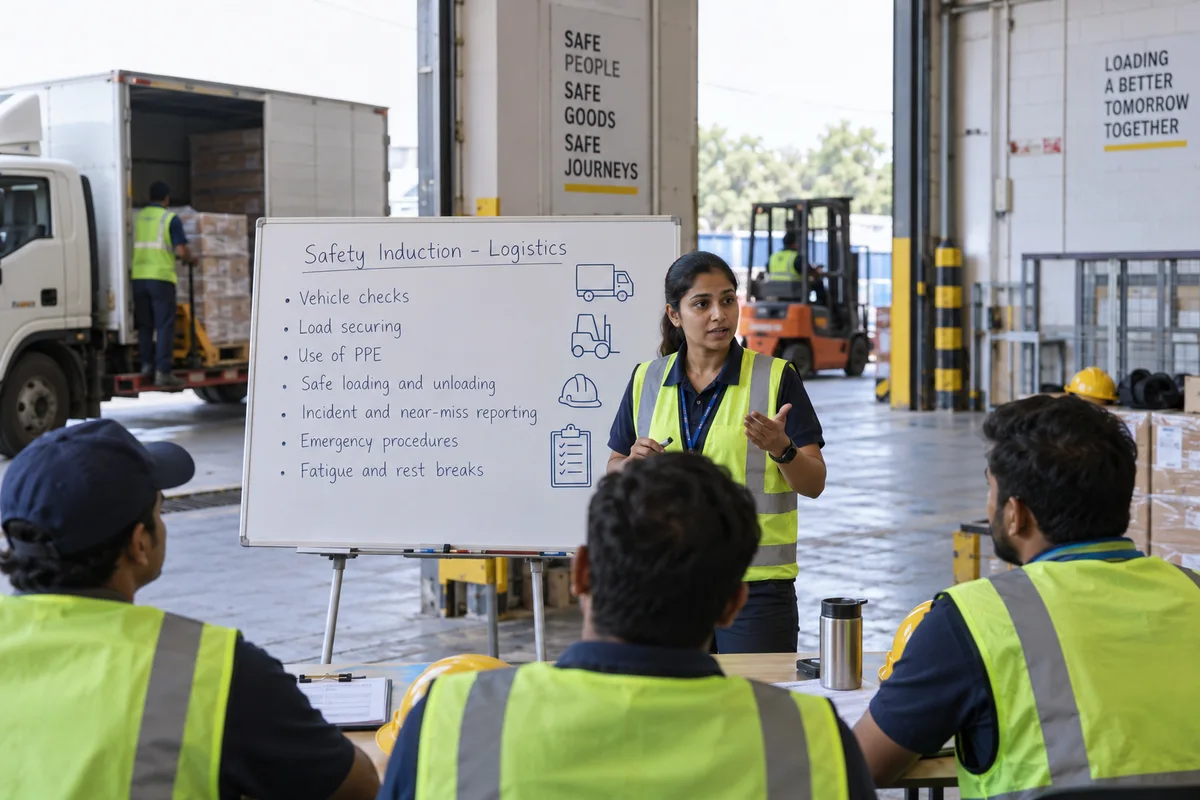
Induction, records, incident reporting and follow-through.
Who leaves, when, why, and which of them mattered.
Resignation to relieving letter, in a defined order.
Records that survive people, and approvals that do not queue.
A short monthly pack management actually reads.
An HR function that runs the same way every month.
The pieces a equipment transport rentals business puts in place, in an order that makes each easier. Open any card for the detail.
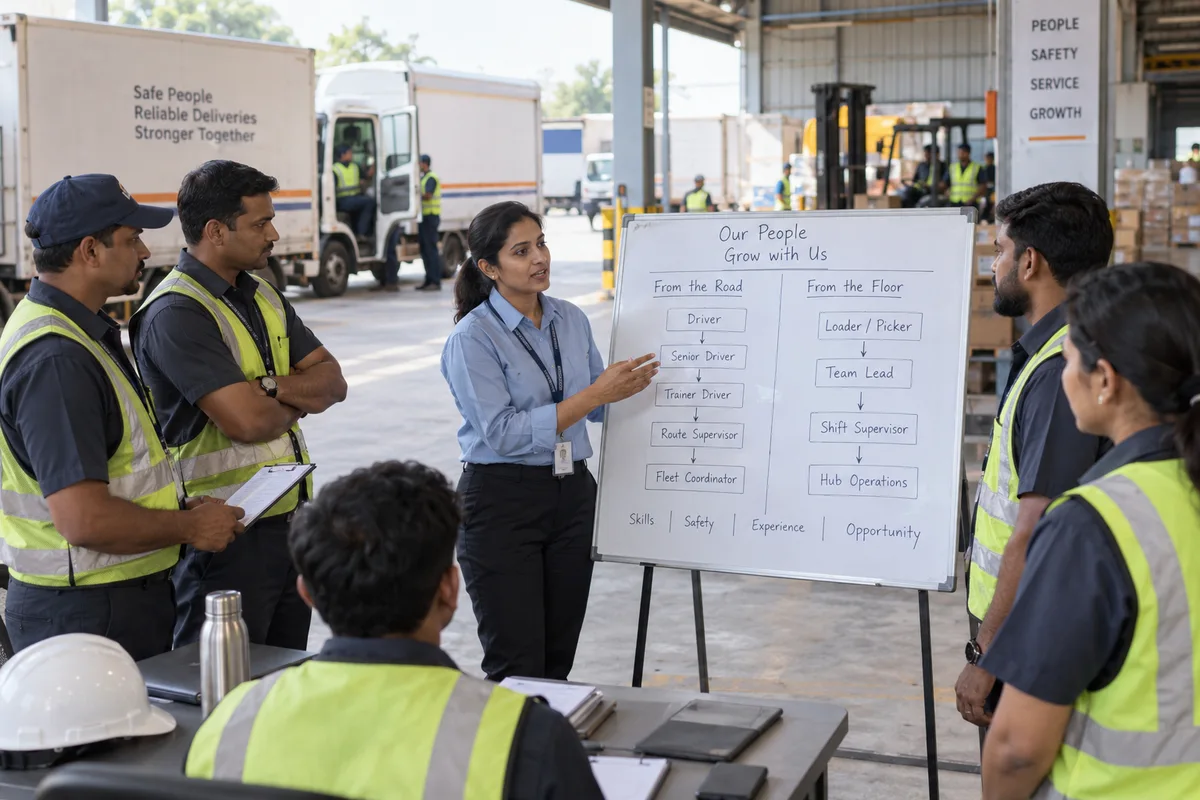
A ladder from helper to senior operator with machines and tasks listed at each step and signed off by a senior hand.
A ladder from helper to senior operator with machines and tasks listed at each step and signed off by a senior hand. See competency and talent management.
A one-page sheet per job: site contact, entry rules, timings, hazards and permits, sent to the crew before departure.
A one-page sheet per job: site contact, entry rules, timings, hazards and permits, sent to the crew before departure.
A chart of who is on which job and for how long, with idle periods used for training and leave.
A chart of who is on which job and for how long, with idle periods used for training and leave.
List the roles that only one person can do and name a learner for each.
List the roles that only one person can do and name a learner for each. The succession planning work shows how.
A call from the depot to each operator placed at a customer site, on a schedule agreed in writing, with a simple note of hours, safety and any problem.
A call from the depot to each operator placed at a customer site, on a schedule agreed in writing, with a simple note of hours, safety and any problem.
Before changing anything, find out what is true today. Work through the checks using a recent operating period. The time needed depends on the records you hold; note missing evidence and use the findings to choose a priority.
Share your requirementsConfirm with a qualified professional. What applies to you depends on your business, your state and your arrangements, and it changes. This page describes practice. It does not state a legal position.
The services below fit this kind of business best. Each starts by recording where you stand, and every later report compares against that. We do not promise outcomes.
Skill grades for operators, riggers and drivers tied to tested tasks.
Named learners for the few people your firm cannot do without.
Operator certifications, site postings and joining papers kept in order.
A review of job allocation, site briefing and idle time across projects.
Start with a free conversation, or see the paid HR Diagnostic.
Understand the business, its workforce, current processes and HR challenges.
Find the missing, weak, inconsistent or person-dependent processes.
Create the structure, processes, policies, SOPs, dashboards and systems needed.
Help HR and department managers actually adopt the new system.
Digitise repetitive and approval-based workflows where it is worth doing.
Track hiring, attendance, employee cost, performance, training and attrition.
Strengthen the people-management system continuously, not once.
From the GullyHR blog: one on HR in logistics and transportation, and one on each of the topics this page points to.

Drivers, warehouse staff and delivery teams can leave without a conversation. How to understand why, from routes and rosters to pay and supervisors.
7 min readRead article
A two-hour exercise that names the roles you could not fill quickly, who could cover them, and what readiness would actually require.
7 min readRead article
A founder's guide to building job grades, titles and billing levels for a growing IT services firm, with a step-by-step method and a grade description outline.
6 min readRead article
A founder's guide to hiring freshers and running a first-year programme: campus or open drives, a screening round, a training plan by quarter, mentors and checkpoints.
6 min readRead articleMore on the GullyHR blog.
List the cranes and tasks at each level, let a senior operator watch and sign each task and tie pay steps to the signed list. Years of service alone do not show skill.
Site contact, entry rules, working hours, hazards, permits needed, route and the person to call on arrival. One page, sent before departure, saves a lot of calls.
Plan training, leave and workshop help for the quiet periods. Cross-train riggers on loading and drivers on simple lashing so crews cover each other.
Name a supervisor at the depot, call weekly, keep a simple log of hours and issues and visit when you can. Posted staff must not feel forgotten.
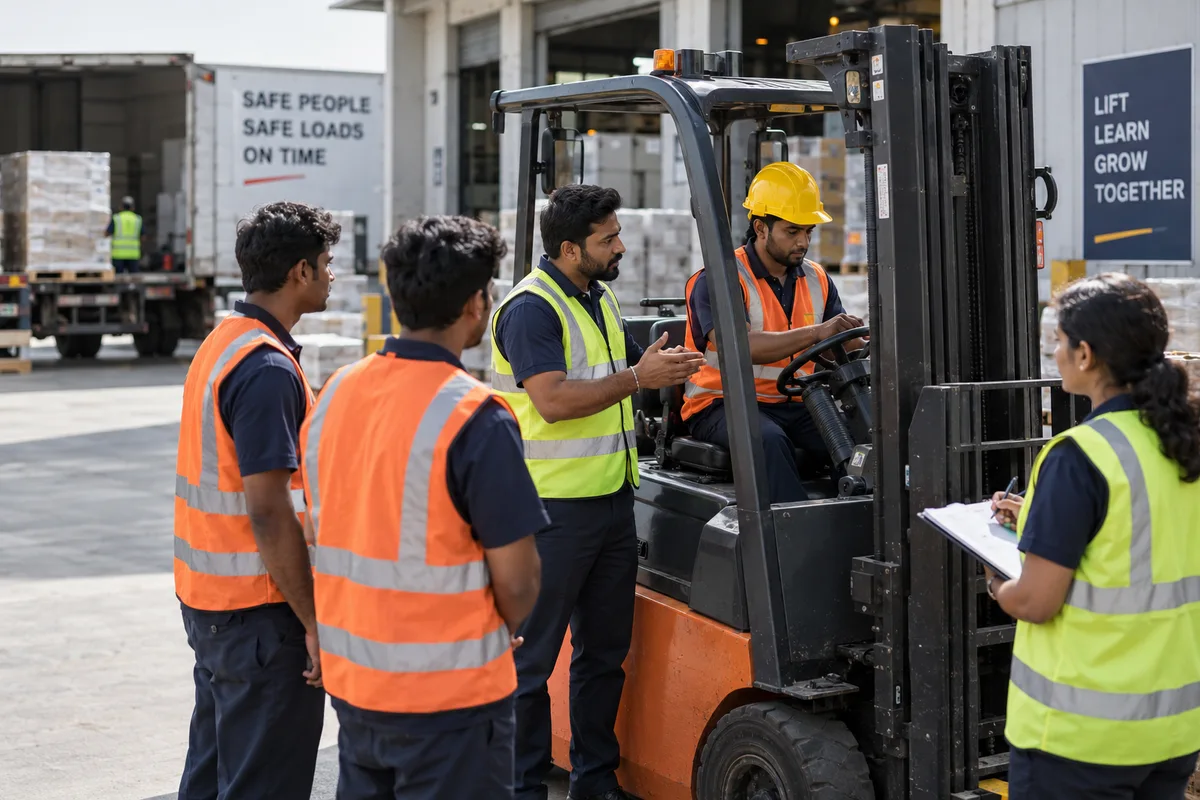
Name a learner now, set a task list to learn over months, pair them on real jobs and record progress. Waiting until the day of retirement is too late.
We would ask your senior operator what only they can do, read the last three site briefings and chart idle weeks across a year. A task-based grade ladder and a briefing sheet are a sensible first project, with scope written for your approval.
All 6 business types in vehicle rental & leasing · Find another business type
See all HR topics for logistics and transportation, or another industry.
Tell us your industry, team size and the issue you want to address. Bring one example of where work gets delayed or ownership is unclear, and the deadline or decision you are working towards.