









Industries
Why retail employees leave and how to understand why
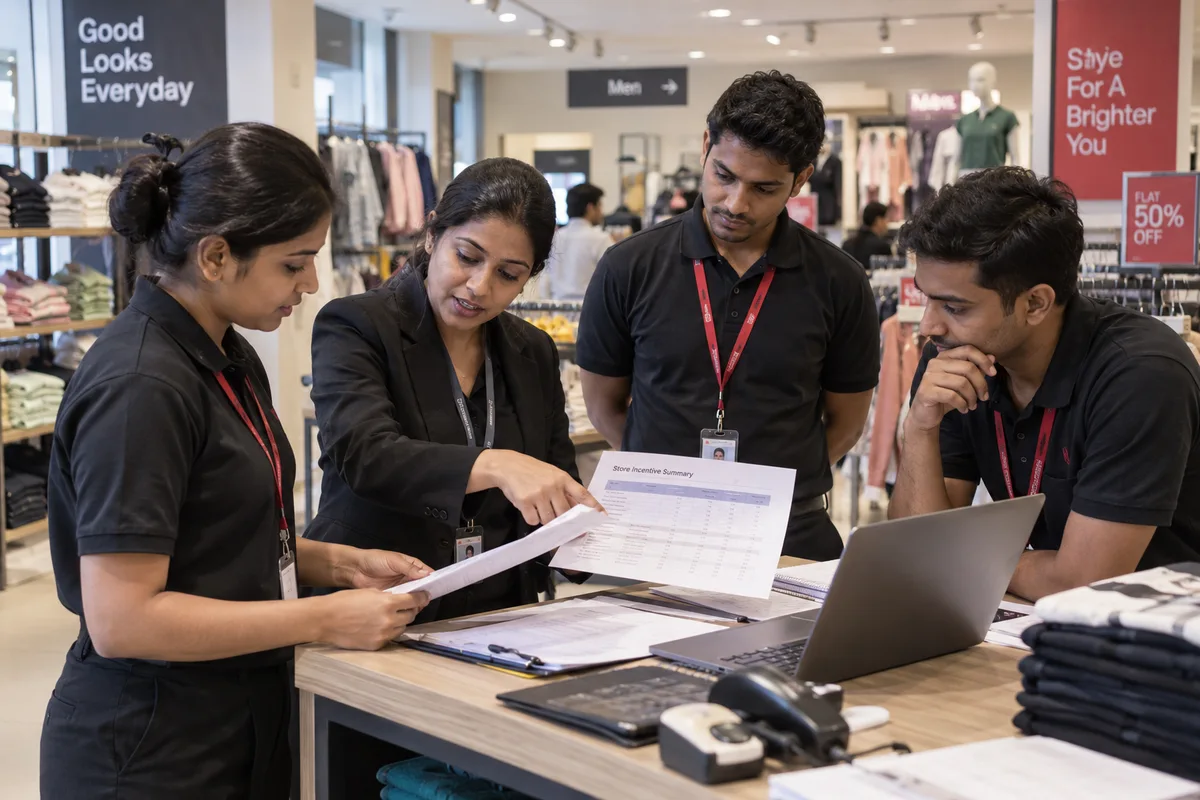
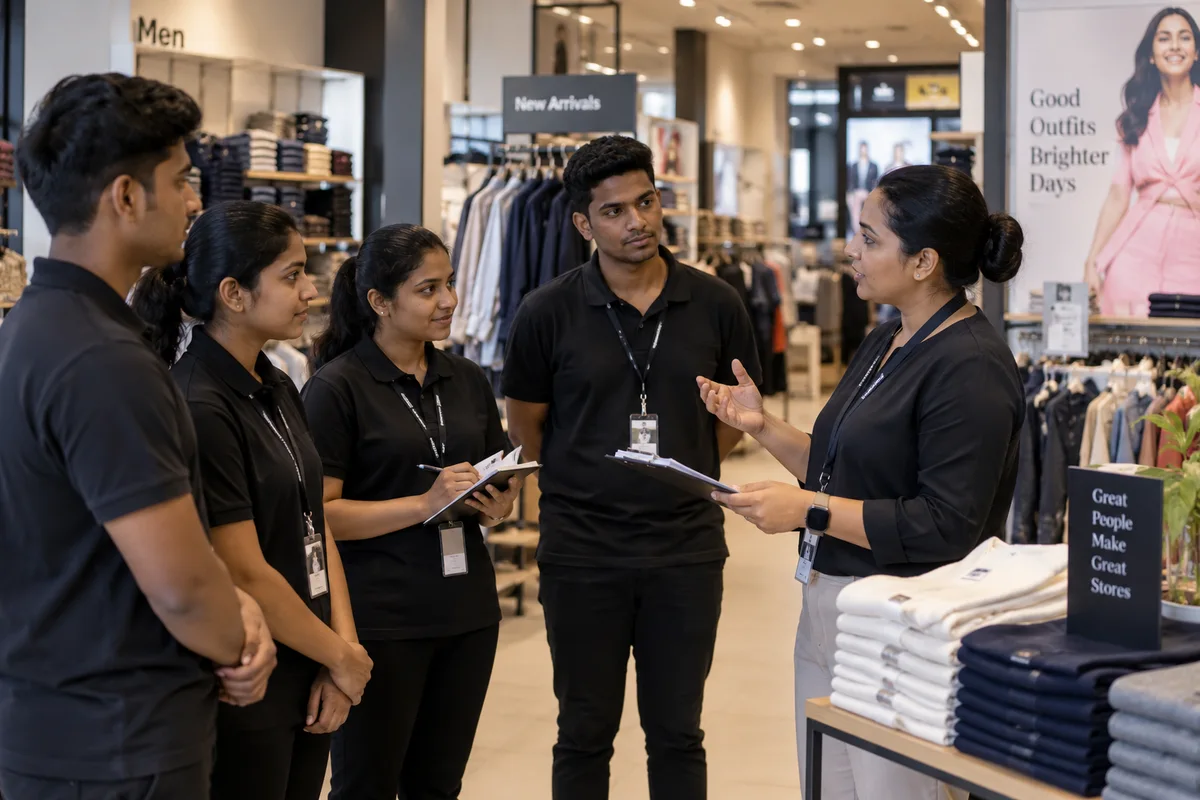
Why store staff and managers leave retail jobs, and how to ask about rosters, weekends, targets and incentives in an exit conversation that leads to action.
7 min readRead articleA luxury brand sells an experience as much as a product, and its people are part of the product. The people side is about service standards, client relationships and a small boutique team.
Make this work for your business. Share your team size, priorities and what you need help with. We’ll use your brief to prepare for the first conversation.
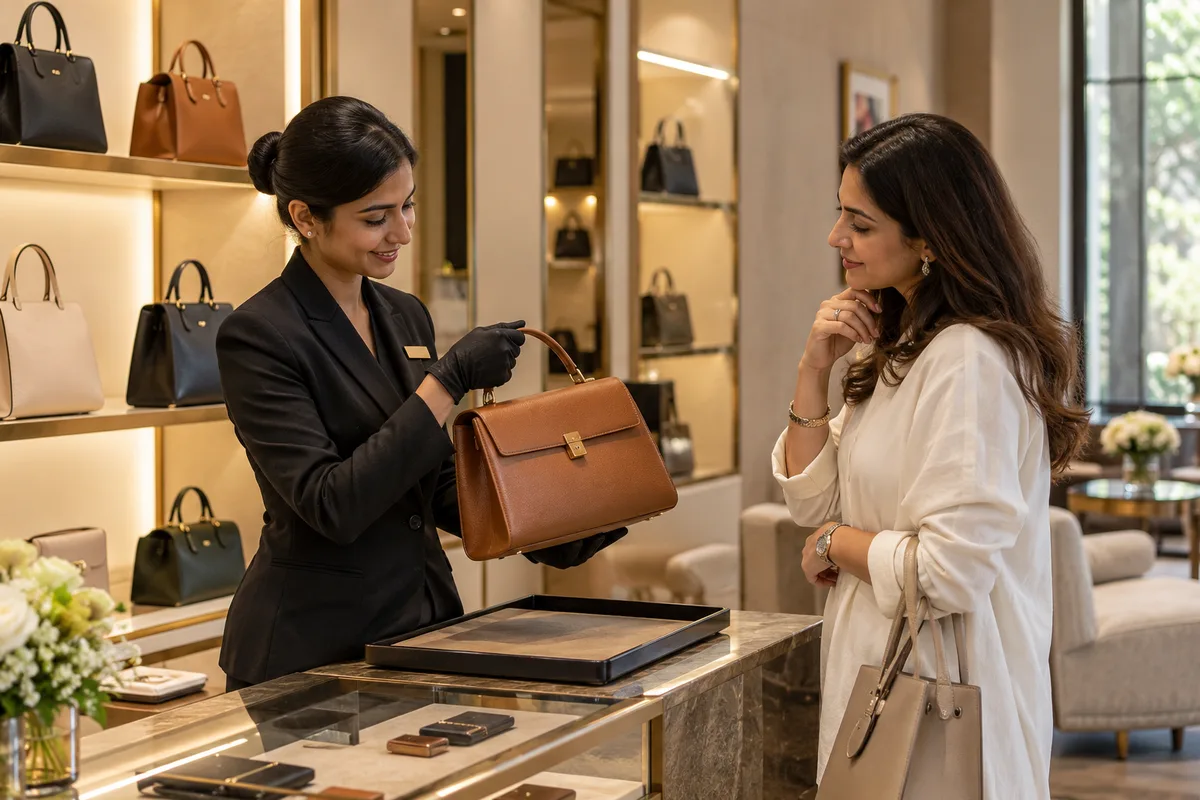
Share your requirementsA luxury brand may operate a handful of boutiques in metros and hotels, shop-in-shops in premium malls, a client services team and a small head office. Boutique teams are small, with client advisers who build long relationships, a manager, a visual merchandiser and back-of-house staff. Customers expect composure, product depth, discretion and personal recall. The brand's standards come from a global or head-office manual, and the local team must apply them in a local setting where clients may arrive with large families, bargain, or expect after-hours service. Luxury sells slowly, with spikes at wedding and festive seasons. See also HR for retail.
These are the places the people side of this kind of business tends to give way. The rest of this page works through them.
Why GullyHR for luxury brands
For luxury brands with small boutique teams, a head-office manual and clients who expect recall and discretion. GullyHR turns the manual into local practice and keeps the client book with the brand.
The head-office standard is rewritten as short scenes: a large family arriving at closing, a client who haggles, an after-hours request. Advisers learn what the brand does, not only what it says.
Client notes, preferences and occasions live in a brand-held record with clear access rules. When an adviser moves on, the relationship stays warm instead of leaving with a phone.
Selection scores composure, humility and curiosity before product knowledge. Candidates who can read a guest and stay discreet are taught the range and the history afterwards.
Written criteria show how an adviser reaches senior adviser, personal shopper or manager. People who earn far below what they sell see a reason to stay and grow.
Start with any one of these. Scope and fee are agreed in writing after a free first conversation.
The audit starts with the standards manual and how each boutique actually applies it, then asks advisers how they would handle a guest who arrives with a large group after closing. We check where client records sit and who can see them, how cover is arranged when someone is absent in a small team, and the criteria for moving from adviser to senior adviser. Advisers, the boutique manager, the visual merchandiser, back-of-house staff and client services are each interviewed alone. Pay, recognition and exits are read against what staff sell. The result shows which relationships and skills rest on one or two people.
What you receive
An example, not a client storySuppose a long-serving adviser resigns and takes the phone numbers of the clients she served for years. The audit would show how the client book is kept, who else in the boutique knows these clients, which relationships need a warm introduction first and what the brand should hold on its own record.
How the hr audit works →Process design starts at the door. We write a greeting and welcome routine that suits local clients, including large family groups and guests who negotiate. A client-book routine records preferences, occasions and follow-ups within clear access rules. After-hours and special requests get a decision path so advisers know what they may promise. We write the opening and closing routine, the shift handover and a cover plan for absences and peak festive and wedding weeks. Visual merchandising changes are scheduled around footfall. Every document is a page, tested in one boutique before others use it.
What you receive
An example, not a client storyTake a boutique where a regular client asks, after closing, to see a piece for a family wedding. A written decision path would tell the adviser who to call, what may be promised and how the visit is recorded, so the answer is consistent and gracious whoever is on shift, and the client is never left waiting while the adviser guesses what is allowed.
How the hr process design works →Week to week, we would keep the boutique rota against appointments and the peaks around weddings and festivals, and arrange cover before gaps appear. We hold regular check-ins with advisers on clients, pay and growth, and record agreed steps. Client-book entries are reviewed for completeness. Development conversations are scheduled for those ready for senior roles. Between boutiques, we share cover where it is possible. Regional and country managers receive a monthly summary of absences, exits, development talks held and open concerns, with the boutiques that need attention marked.
What you receive
An example, not a client storyPicture a boutique with only three advisers during a wedding fortnight, when one is ill and another has pre-booked leave. We would spot the gap early, arrange a trained adviser from another boutique and brief the manager so appointments do not slip, the guests keep their time with a familiar face and the remaining advisers are not stretched past what a small team can bear.
How the hr management works →The roles that are hard to fill are the adviser with polish and humility, the boutique manager who can lead a small team and keep to the brand's standards, and the visual merchandiser with a real eye. We write a role sheet and scorecard for each before advertising. Advisers take part in a guest role-play, including a group arriving late and a client who haggles. Managers plan a rota with peaks and absences. We run the shortlist, collect references and support the offer talk. We also ask each candidate what they are looking for in a career path. Roles are permanent only.
What you receive
An example, not a client storySay a boutique needs an adviser and the strongest seller on paper comes across as impatient in a role-play with an elderly couple. The scorecard would show composure and listening as separate marks, so the owner can see the difference, weigh it against sales history and choose with open eyes rather than on one strong number.
How the recruitment for permanent roles works →Training works in scenes. Advisers practise greeting a large family, handling a client who negotiates, remembering preferences and keeping client information private. Boutique managers learn to coach in a small team, give feedback and handle gaps without panic. Visual merchandisers learn display routines and timing around footfall. Client services and after-sales staff practise calm, warm calls. Regional managers learn how to review a boutique without turning it into an inspection. Sessions are short, held on quiet days and followed by a floor observation with kind, specific feedback.
What you receive
An example, not a client storySuppose a new adviser is excellent with product but cold with groups who arrive with children and elders. We would run a role-play on welcoming a whole family, from the elders to the children, give feedback in a calm setting away from the floor and follow up with a short observation a fortnight later to see what has changed.
How the manager and team training works →The handbook sets out the local service standard, client confidentiality and record access, boutique shift and cover rules, dress and conduct, and the progression criteria from adviser to senior roles. It also explains how recognition works for staff who earn far less than they sell. We set up simple software: a client-record access log, a rota, a skills and progression record per person and a development-talk calendar. Where registration, record-keeping or employment duties arise in each country, we list the questions and your own adviser confirms the answers. Teams read the handbook together before it takes effect.
What you receive
An example, not a client storyTake a brand whose advisers keep client details in personal phones because no better system exists. A written confidentiality rule, a brand-held client record and a simple access log would protect the clients and the advisers alike, keep the relationship with the brand if an adviser moves on and give the manager one place to look when a client calls about a past purchase or a coming occasion.
How the policies, handbook and hr software works →We read the manual with your advisers and rewrite it as local scenes: a large family at closing, a guest who negotiates, a request after hours. We keep the brand's tone while adapting the manner. Head office reviews the result. Any local employment or consumer rule is confirmed by your own adviser, not by us, before the new wording is used on the floor.
We set up a brand-held client book with clear access rules, introduce a second adviser to each key client and make relationship care a written part of the role. We also review recognition and growth for the two advisers. Contract terms around clients, confidentiality and notice are confirmed by your own adviser before anything is signed.
We write a scorecard that marks composure, listening and discretion separately from product knowledge and sales history. Candidates take part in a guest role-play, and references are asked the same questions. The product can be taught, the temperament largely cannot. The shortlist shows each mark so you decide with the evidence in view, and you can see where a candidate would need coaching.
We write a cover plan that shares trained advisers between nearby boutiques, schedules leave around wedding and festive peaks and keeps a short list of people who can step in. Handover notes keep clients warm and spare them repeating themselves. We review the plan each quarter and after every peak. Working-hour and transfer rules are confirmed by your own adviser.
GullyHR runs talent acquisition for permanent roles in luxury brands. For each role we agree the job description with you, find and screen candidates against it, and support the offer through to joining. Tell us the role and the number of people, and we start there.
We recruit permanent employees. We do not supply contract or temporary staff.
Global manuals describe the ideal service, but local staff must apply it to local customers, and the gap shows in awkward moments.
A strong adviser has a private book of clients and may be hired away by a competing brand.
Candidates with the right bearing are limited, and several have worked for brands that train differently.
A boutique with four advisers has little cover for leave, and long hours at wedding peaks tire the best people.
The distance between a day's takings and pay breeds frustration, and the temptation of a better offer.
Start with the topics that matter most here: Policies, Compliance and Governance; Career and Succession Management; Retention and Attrition Management. Then work through the rest. Each topic is written for retail, not in general.
Policies a manager can apply, and obligations with owners and dates.
Named backups for the roles that cannot be vacant.
Who leaves, when, why, and which of them mattered.
How many people, in which roles, by when, and what they will cost.
Structure, reporting lines and who is allowed to decide what.
Requisition to joining, the same way every time.
A first day that is the same for the fifth joiner as the first.
Records, attendance, leave and the day-to-day HR that must simply work.
Salary structure, payroll inputs and a month that closes on time.
Goals, reviews and ratings that hold up in a conversation.
Training planned from need rather than from the calendar.
Communication, recognition and the conditions people actually work in.
Two routes, one for complaints, one for conduct, kept separate.
Induction, records, incident reporting and follow-through.
Resignation to relieving letter, in a defined order.
Records that survive people, and approvals that do not queue.
A short monthly pack management actually reads.
An HR function that runs the same way every month.
The pieces a luxury brands business puts in place, in an order that makes each easier. Open any card for the detail.
A short guide that adapts the brand's standards to local situations, with real examples.
A short guide that adapts the brand's standards to local situations, with real examples. The HR policies and governance work can anchor it.
A clienteling record held in the brand's system, shared across advisers, with clear rules on client contact outside work.
A clienteling record held in the brand's system, shared across advisers, with clear rules on client contact outside work.
A hiring process with role play and observation, followed by structured product and service training.
A hiring process with role play and observation, followed by structured product and service training. See the recruitment process.
A roster that allows for leave and wedding-season demand, with trained backup from nearby stores.
A roster that allows for leave and wedding-season demand, with trained backup from nearby stores.
Steps from adviser to senior adviser to manager with clear criteria, so ambitious people have a reason to stay.
Steps from adviser to senior adviser to manager with clear criteria, so ambitious people have a reason to stay. The competency and talent management work can define it.
Confirm with a qualified professional. What applies to you depends on your business, your state and your arrangements, and it changes. This page describes practice. It does not state a legal position.
Local rules that fit the brand's global standards and local working conditions.
Clear levels and skills for advisers and managers, and a visible route up.
A hiring approach that tests temperament, bearing and product interest.
Shows which advisers are at risk and what keeps the best ones.
Start with a free conversation, or see the paid HR Diagnostic.
Understand the business, its workforce, current processes and HR challenges.
Find the missing, weak, inconsistent or person-dependent processes.
Create the structure, processes, policies, SOPs, dashboards and systems needed.
Help HR and department managers actually adopt the new system.
Digitise repetitive and approval-based workflows where it is worth doing.
Track hiring, attendance, employee cost, performance, training and attrition.
Strengthen the people-management system continuously, not once.
From the GullyHR blog: one on HR in retail, and one on each of the topics this page points to.
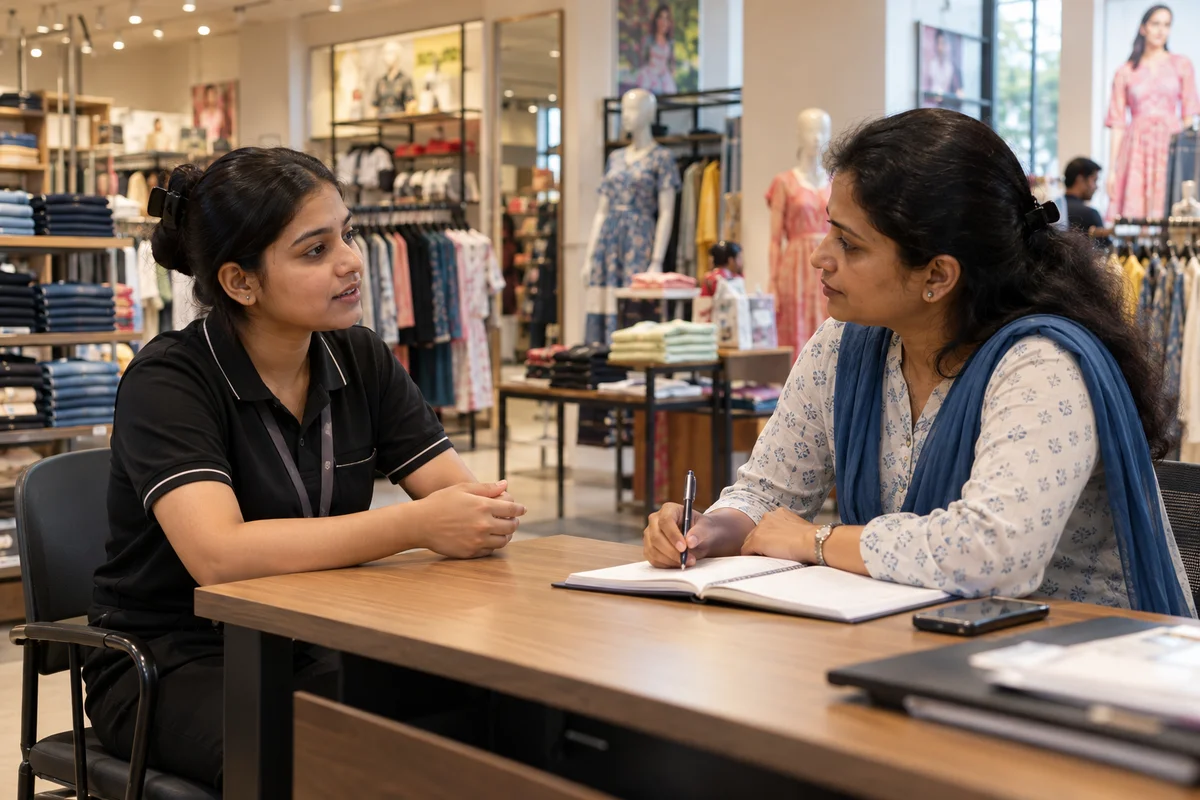
Why store staff and managers leave retail jobs, and how to ask about rosters, weekends, targets and incentives in an exit conversation that leads to action.
7 min readRead article
How a local head can sort a global parent's HR policies into apply, adapt or replace, write a local addendum with advisers, and keep headquarters on side.
7 min readRead article
A two-hour exercise that names the roles you could not fill quickly, who could cover them, and what readiness would actually require.
7 min readRead article
What really keeps mobile app and web developers in a small firm: stay conversations, growth paths, fair release rules and a risk sheet an owner can use this month.
6 min readRead articleMore on the GullyHR blog.
Keep the client record in the brand's own system, share relationships across two advisers and set clear rules on contact. Confirm any restrictions with a qualified professional.
Keep the standard, add local examples and role-play real situations, such as large families or after-hours visits. Involve experienced advisers in writing them.
Composure, curiosity, discretion and a respect for the customer, then test with role play. Product knowledge can be taught.
Offer a growth path, fair recognition, fair rosters and a work environment people are proud of. Pay matters, but so does the standing of the role.
We would ask three advisers how they would handle a difficult guest, find out where client records are kept and who can see them, and read the criteria for moving from adviser to senior adviser. A first piece of work might be turning the global service manual into local practice. After that conversation, scope is agreed in writing.
All 128 business types in retail · Find another business type
See all HR topics for retail, or another industry.
Tell us your industry, team size and the issue you want to address. Bring one example of where work gets delayed or ownership is unclear, and the deadline or decision you are working towards.