
Industries
Why agribusiness workers leave and how to understand why
Seasonal crews, field officers and processing staff leave for different reasons. How to ask what shaped their decision and act before next season.
7 min readRead articleA rice mill or agro-processing unit runs hard in the season and thinly outside it. Here is how to staff the plant, the yard and the purchase desk.

Not sure what you need? Tell us about your business in six short steps and we will come to the first meeting prepared.
Share your requirementsA rice mill, dal mill, flour mill, oil expeller or similar agro-processing unit buys paddy, pulses, oilseeds or grain, cleans, mills and grades it, and sells it in bags or in bulk. The plant runs hardest after harvest, often in two or three shifts, and slows when raw material runs out. People include machine operators and millers, a boiler or dryer attendant in parboiling units, yard labour for unloading and drying, bagging and loading gangs, a laboratory or grading person, procurement agents who buy from farmers and mandis, and an accounts team. Dust, heat and moving machinery are everyday risks, and many workers are casual or come through a labour contractor. Confirm factory and food-handling obligations with a qualified professional. See also HR for agriculture and agribusiness.
Who does the work
The season sets the headcount
Hiring for a few busy months is rushed, and staff are laid off or leave when raw material dries up.
Skilled millers hold the plant together
Output and yield depend on a few experienced operators, and a rival mill can hire them away mid-season.
Dust and heat wear people down
Respiratory and heat-related problems in the mill and dryer areas build slowly and are rarely tracked or acted on.
Machines are run by people not formally trained
Operators learn from a colleague, and guards, lockout and cleaning routines are inconsistent between shifts.
Purchase agents carry cash and discretion
Agents buying from farmers settle prices and payments in the field, so oversight and accountability are hard to maintain.
Gang pay and piece work are disputed
Bagging and loading are paid per bag or per load, and counts differ between the gang leader and the mill clerk.
Create a pool of returning seasonal staff
Keep a list of last season's good workers, contact them before harvest and offer a simple, consistent engagement. The recruitment process helps keep the list current.
Write down how the plant is run
Setting, cleaning and shutdown steps for each machine in a short card at the machine, written with the senior miller and taught to every shift.
Give purchase agents a rulebook
Limits on cash, a record of each purchase with weight and rate, and a second person who checks the day's entries.
Settle gang pay by a shared count
Bags or loads counted by the gang leader and the clerk together and signed, so the payment figure is agreed before it is paid.
Look after dust and heat exposure
Suitable protective equipment, rest and water points, and a check on who has complained of breathing trouble. The health and safety work covers it.
Confirm with a qualified professional. What applies to you depends on your business, your state and your arrangements, and it changes. This page describes practice. It does not state a legal position.
A returning-worker pool and a quick hiring routine for the harvest weeks.
Machine safety and dust and heat routines that are taught and recorded.
A view of what millers and operators earn nearby, so you know when you risk losing them.
Simple written rules for cash handling, purchases and conduct for procurement staff.
Every engagement starts by recording where you stand, and every later report compares against that. We do not promise outcomes. Start with a free conversation, or see the paid HR Diagnostic.
From the GullyHR blog: one on HR in agriculture and agribusiness, and one on each of the topics this page points to.
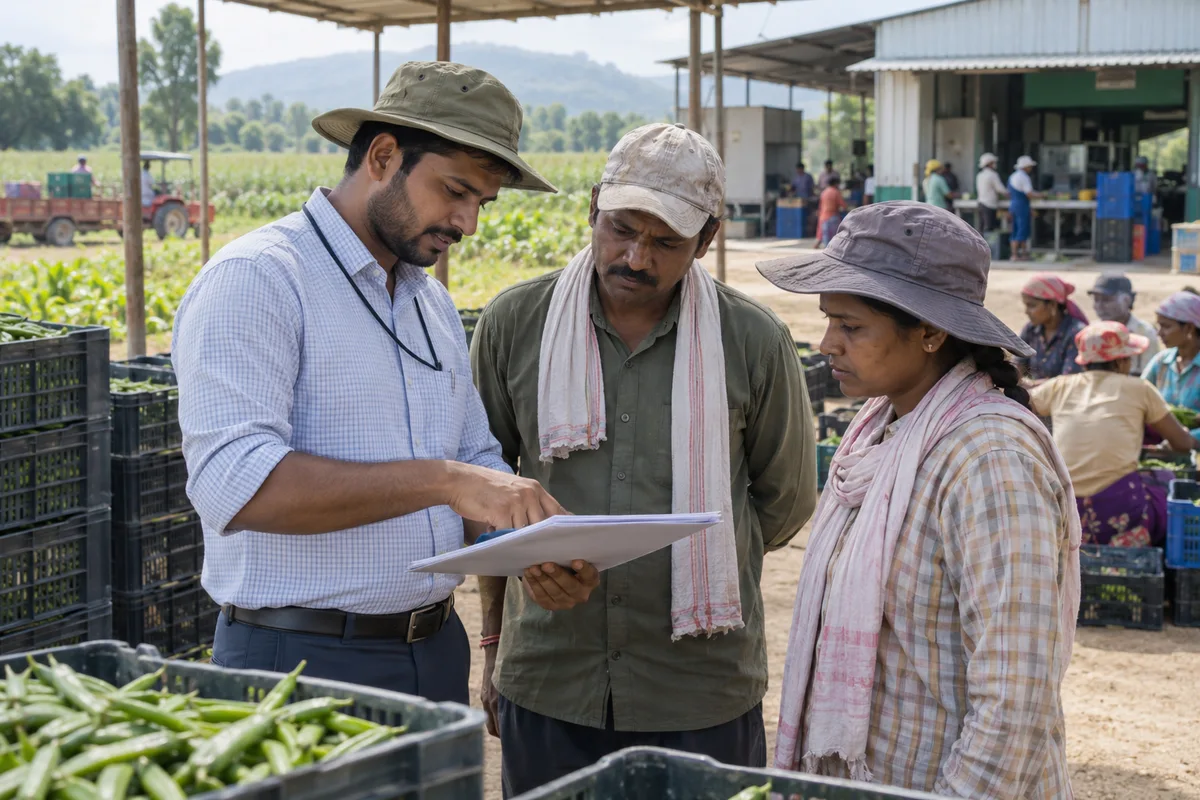
Seasonal crews, field officers and processing staff leave for different reasons. How to ask what shaped their decision and act before next season.
7 min readRead article
Candidates who accept and never arrive are usually lost in the silence between offer and joining. What actually causes it, and a contact plan that closes the gap.
8 min readRead article
A laminated notice, an annual drill, and an incident register with three entries in two years. What workplace health and safety looks like when it is real.
7 min readRead article
Most salary structures grew one negotiation at a time. How to build grades and bands from what you already pay, without repricing everybody at once.
8 min readRead articleMore on the GullyHR blog.
Keep a core team all year, build a list of returning seasonal workers and engage them on clear, written seasonal terms. Confirm the right form of engagement with a qualified professional.
Pay fairly against the local market, give the best a recognised senior role and ask them to train a second person. Nothing locks a skilled operator in except being valued.
A written limit on cash, a receipt with weight and rate for every purchase and a second person who checks daily entries. The aim is a clear trail, not suspicion.
Count together, sign the count and pay from the signed figure. Disagreements arise when each side keeps its own count.
Yes. It affects health, attendance and who stays. Provide suitable protection, watch for complaints and have a qualified professional advise on exposure.
We would ask which parts of the plant only your senior miller can run, who from last season could be called back, and how gang bagging counts are agreed between gang leader and clerk. Cash carried by purchase agents may come up as well. A reasonable first project is a returning-staff list with written operating steps. The scope, timing and outputs are then confirmed with you in writing.
All 9 business types in agriculture and agribusiness · Find another business type
See all HR topics for agriculture and agribusiness, or another industry.
Identify payroll leaks, record gaps and hiring bottlenecks in a free first conversation, and leave knowing what to fix first.
Know what you need? Share your requirements in four short steps.
Want the full picture? See the paid HR Diagnostic.
Prefer a quick message? Chat on WhatsApp