
Industries
Why agribusiness workers leave and how to understand why
Seasonal crews, field officers and processing staff leave for different reasons. How to ask what shaped their decision and act before next season.
7 min readRead articleFish and prawn businesses depend on water, weather and timing. Here is how to run the people at the pond, on the boat and in the processing shed.

Not sure what you need? Tell us about your business in six short steps and we will come to the first meeting prepared.
Share your requirementsAn aquaculture business grows fish or prawns in ponds, tanks or cages, often with its own hatchery, feed store and a small processing or icing unit. A fisheries business runs boats, crews and landing points, and sells through auctions, agents or processors. Pond work needs round-the-clock attention to water quality, aeration and feeding, which makes night duty routine. Boat crews work long trips with risks at sea, and processing sheds handle fish cleaning, grading, freezing and packing in cold, wet conditions. Many workers are migrant or from fishing communities, and income depends on the catch or the crop cycle. Confirm licences, sea-safety and employment obligations with a qualified professional. See also HR for agriculture and agribusiness.
Who does the work
Night watch decides the crop
An aerator failure or oxygen drop at night can lose a pond, yet night duty is covered by whoever is willing, often alone.
Water-quality skill is held by a few
Reading signs and deciding on feed, aeration and treatment is learned by experience, and few people can do it well.
Boat crews are paid on share
Catch-share pay makes income uncertain, and disputes about shares, advances and expenses are common and unrecorded.
Harvest needs a crew at short notice
A pond harvest is timed by size and price, and a netting and packing crew must be found within a day or two.
Processing work is cold, wet and fast
Workers stand for long hours in cold rooms with sharp tools, and hygiene and safety lapses follow fatigue.
Sea work carries real danger
Weather warnings, life jackets and basic first aid are known but not always followed, and a loss at sea is a catastrophe for a family.
Set a night duty roster with rules
A named person on each night, a back-up, a short checklist for aerators, power and water tests and a way to call for help. The attendance and shift process can hold it.
Write down the water-quality routine
A simple log of tests, readings and responses prepared with the best pond manager and taught to a second person.
Agree share rules in writing
How a catch is divided, what is deducted for fuel and ice, how advances are recovered and how a dispute is raised. The compensation and rewards work can help clarify this.
Keep a harvest crew list
A list of people who can net, sort and pack, contacted ahead of the planned harvest date and briefed on handling.
Set safety routines for boats and sheds
Life jackets, weather checks, protective clothing for cold rooms and first aid, taught and recorded. The health and safety work covers the routine.
Confirm with a qualified professional. What applies to you depends on your business, your state and your arrangements, and it changes. This page describes practice. It does not state a legal position.
A night-duty rota and a record of who watched which pond, with relief and rest.
Clear, written rules for catch shares, advances and incentives that crews can follow.
Safety routines for boats, ponds and cold processing rooms, with records of who is trained.
A record of who can manage water quality and a plan to build a second line of skilled people.
Every engagement starts by recording where you stand, and every later report compares against that. We do not promise outcomes. Start with a free conversation, or see the paid HR Diagnostic.
From the GullyHR blog: one on HR in agriculture and agribusiness, and one on each of the topics this page points to.
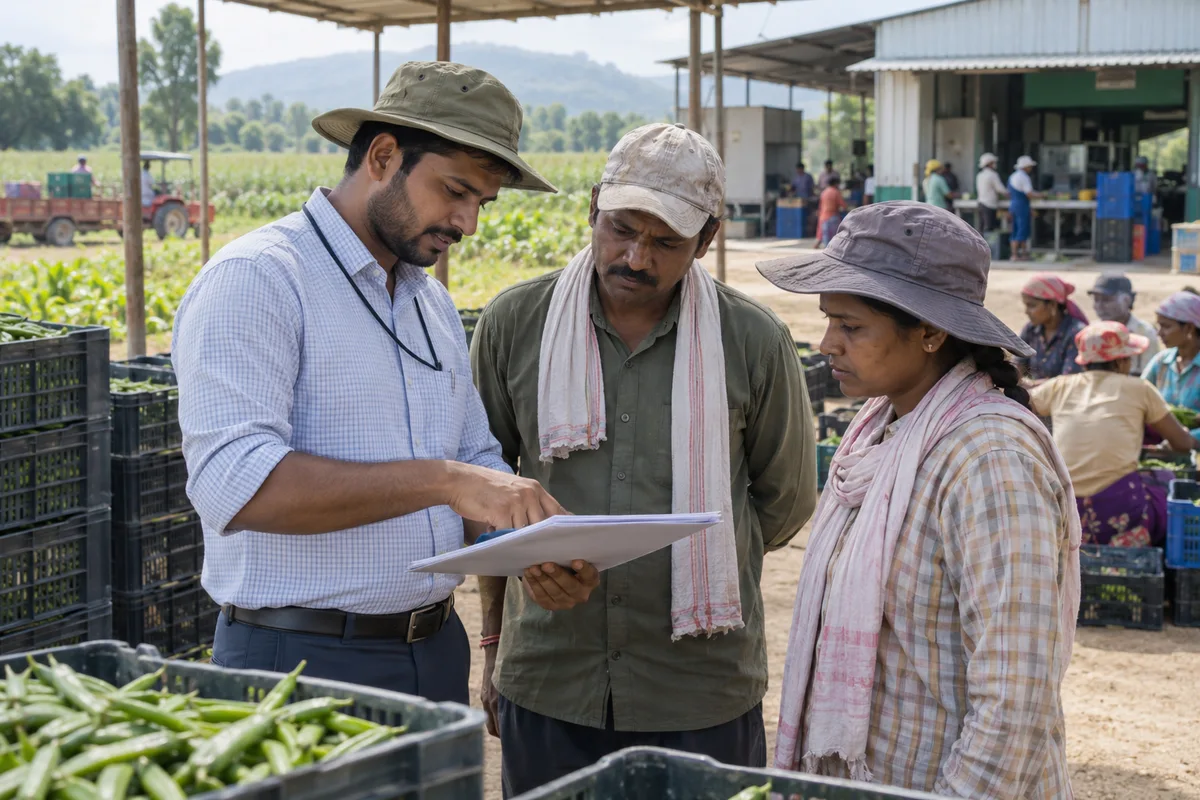
Seasonal crews, field officers and processing staff leave for different reasons. How to ask what shaped their decision and act before next season.
7 min readRead article
Payroll says one joining date, the personal file says another and the manager remembers a third. How to establish a single trustworthy employee record and keep it that way.
7 min readRead article
Most salary structures grew one negotiation at a time. How to build grades and bands from what you already pay, without repricing everybody at once.
8 min readRead article
A laminated notice, an annual drill, and an incident register with three entries in two years. What workplace health and safety looks like when it is real.
7 min readRead articleMore on the GullyHR blog.
A named, trained person with a back-up and a written checklist, on a rota. Relying on whoever is available is how a pond is lost.
Write the division, the costs taken out first and how advances are recovered, and read it with the crew. Have a qualified professional confirm the terms.
Keep a list of people who have worked before and contact them as soon as the harvest date is set. A short briefing on handling avoids damage to the catch.
Train people on hygiene, knife and floor safety, provide suitable clothing and plan breaks away from cold areas. Keep a record of the training.
Agree terms and housing at the start, pay on time and be clear about work between crops. Workers leave when the next season's terms are uncertain.
We would ask who is on duty at the ponds tonight, who holds the water-quality routine in their head, and how boat share, advance and deduction rules are set out. Harvest crew availability at short notice would follow. A sensible first piece of work is a night duty roster and written share rules. After we have talked, the agreed scope goes into a written note.
All 9 business types in agriculture and agribusiness · Find another business type
See all HR topics for agriculture and agribusiness, or another industry.
Identify payroll leaks, record gaps and hiring bottlenecks in a free first conversation, and leave knowing what to fix first.
Know what you need? Share your requirements in four short steps.
Want the full picture? See the paid HR Diagnostic.
Prefer a quick message? Chat on WhatsApp