
Industries
Why agribusiness workers leave and how to understand why
Seasonal crews, field officers and processing staff leave for different reasons. How to ask what shaped their decision and act before next season.
7 min readRead articleA farm runs on the season, not the calendar. Labour is needed in bursts at sowing, weeding and harvest, and the grower must find, pay and house people at exactly the right weeks.
Not sure what you need? Tell us about your business in six short steps and we will come to the first meeting prepared.
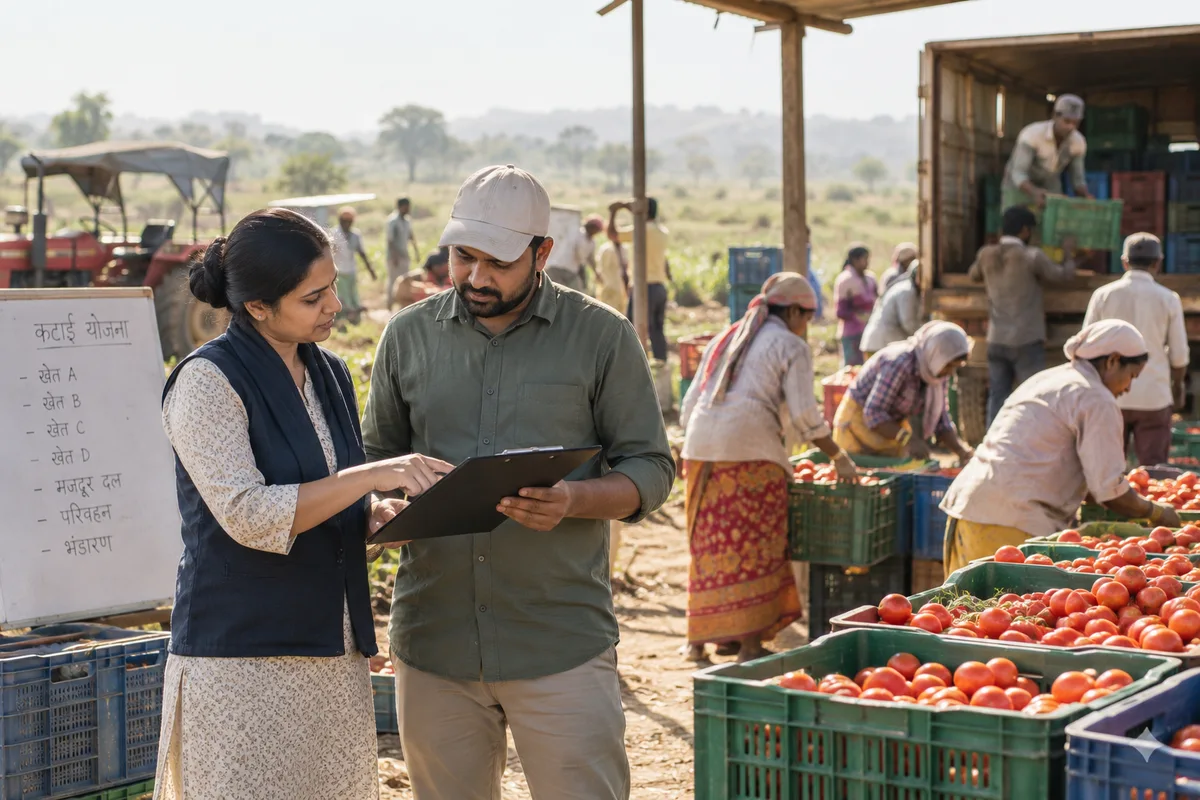
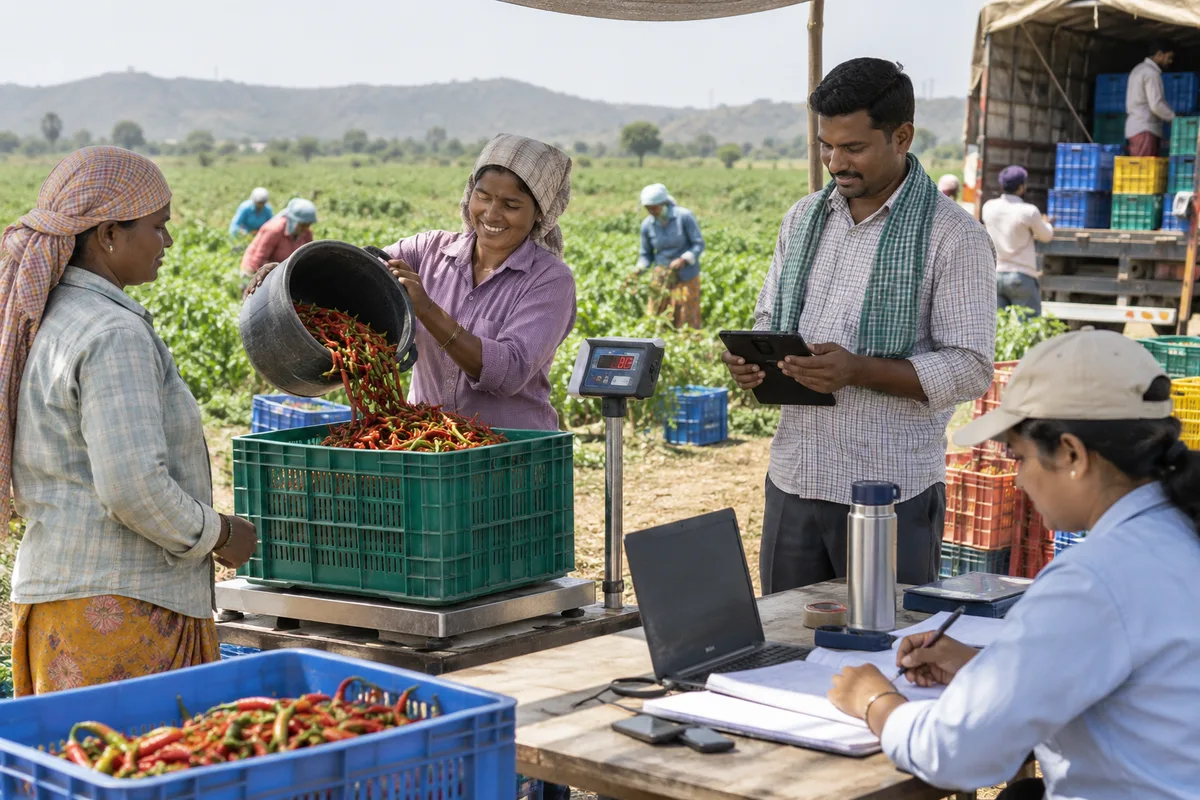
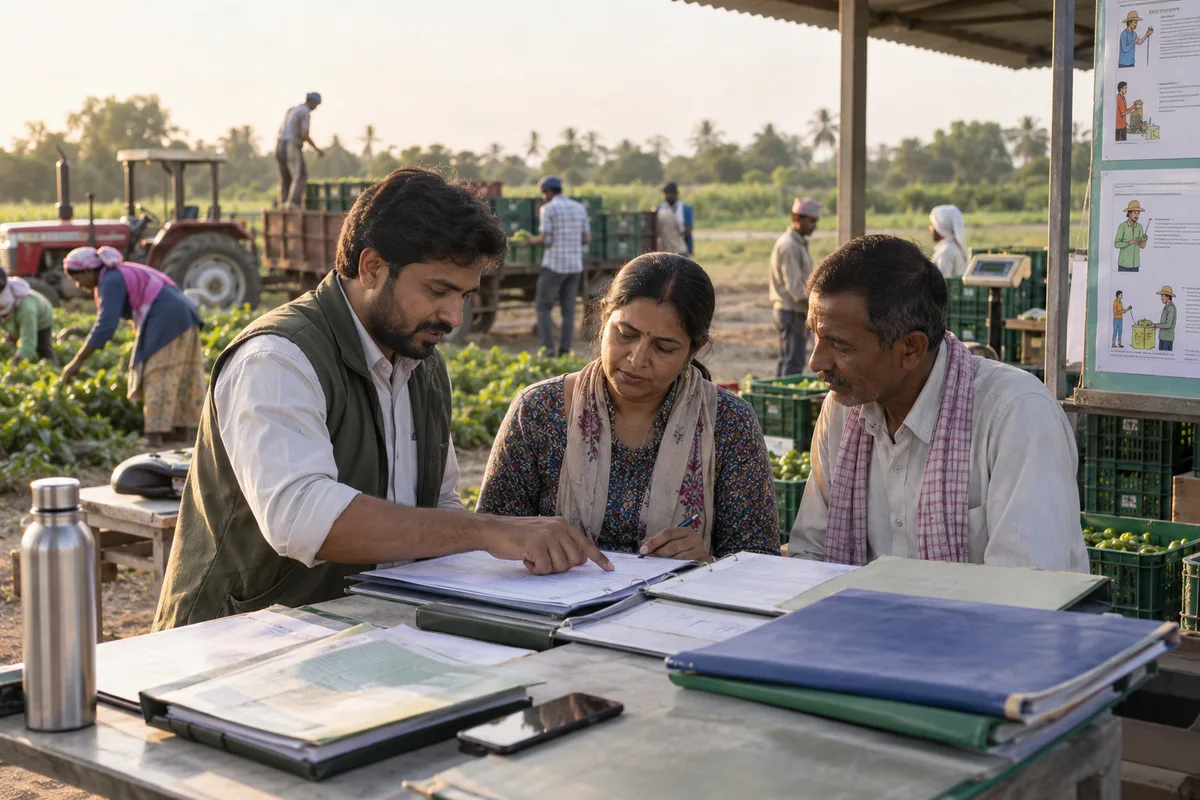
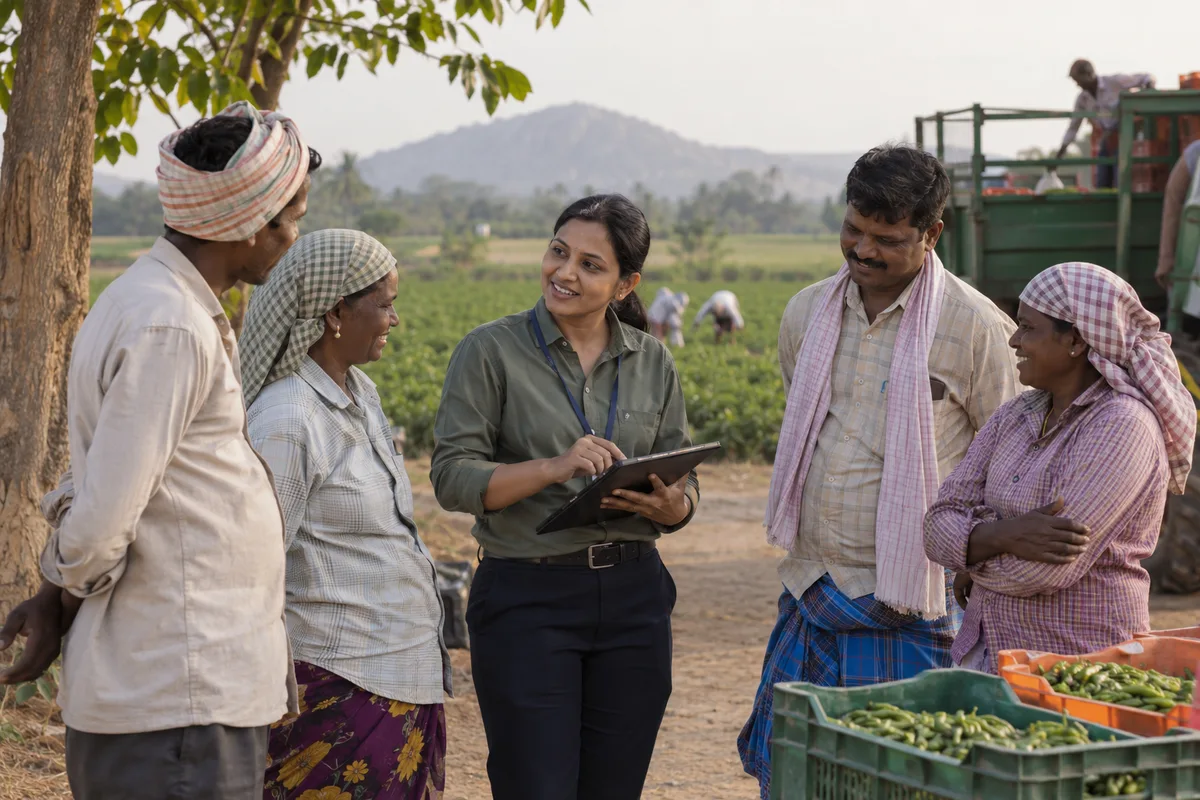
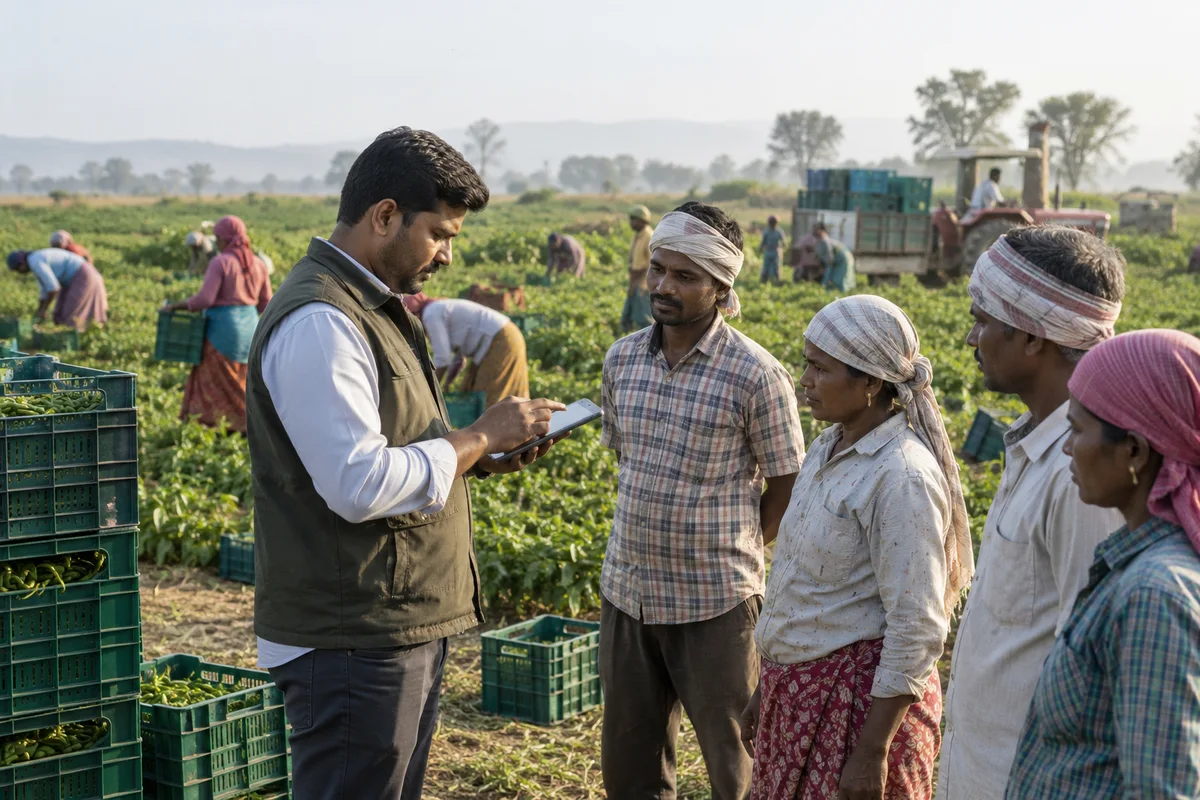
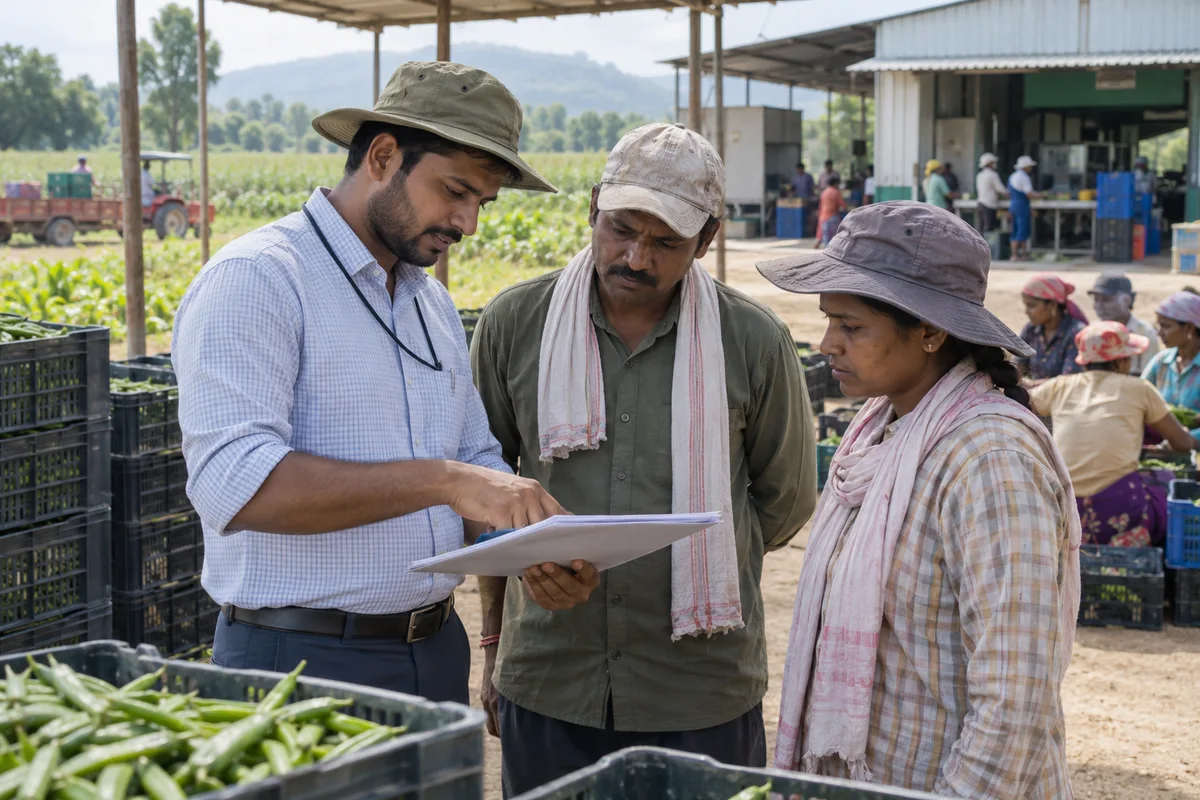
Share your requirementsA farm or grower produces crops, fruit, vegetables, flowers or other produce on owned or leased land. A small core of permanent hands, such as a farm manager, tractor driver and irrigation man, is joined by seasonal labour for sowing, weeding, spraying, picking and packing. Harvest is the pinch point, when a late crew can mean spoiled produce. Many workers come in gangs through a contractor or head, or travel from other districts, and live on or near the farm. Pay may be daily, weekly or by output such as kilos picked. Records are often in a notebook. Weather decides the plan, and the work is outdoors, physical and hazardous because of machines, chemicals and heat. For the wider sector, see HR for agriculture and agribusiness.
These are the places the people side of this kind of business tends to give way. The rest of this page works through them.
HR here has to work for each of these groups, not only the office. The set-up below is written with all of them in mind.
GullyHR runs talent acquisition for permanent roles in farms and growers. For each role we agree the job description with you, find and screen candidates against it, and support the offer through to joining. Tell us the role and the number of people, and we start there.
We recruit permanent employees. We do not supply contract or temporary staff.
Every business interviews, but few have a written process that works the same way for every role and every interviewer. GullyHR designs yours, from the role brief to the offer, trains your managers to run it, and can run it for you on the roles you hand us.
We agree what the role must deliver, the must-have and nice-to-have skills, and how each will be scored.
Screening call, assessment, interview rounds and decision points, sized to the role and the number of people you hire.
Structured questions for each role family and a rating guide, so two interviewers judge the same answer the same way.
A short briefing for your managers on what to ask, what to avoid and how to give a clear yes or no.
Who approves, how the offer is made, and how candidates are kept informed from first call to joining.
Ripe produce cannot wait, and a gang that turns up late or goes to a neighbour's farm costs a harvest.
Piece rates, daily rates and advances are noted loosely, and arguments about what was agreed arise at settlement.
The best tractor driver or sprayer takes other work in the off-season and may not return.
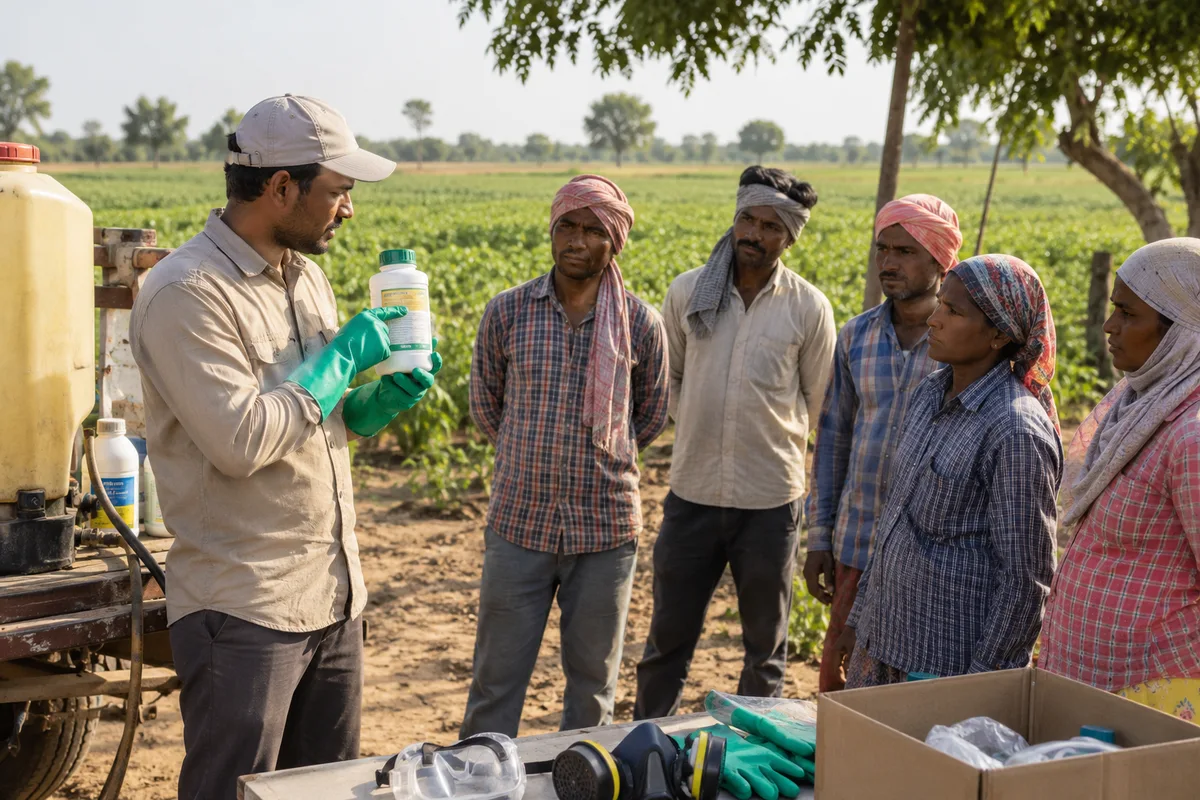
Sprayers use pesticides and fertilisers with little protective gear, and no one records who was shown what.
Outdoor work in the hot months, long days at harvest and little shade cause illness and exits.
Workers living on the farm need shelter, water and sanitation, and gaps here drive people away.
Families travel with workers, and the grower is unsure who is working and who is not.
Attendance, advances and output sit in one person's notebook, and a dispute or an exit makes them hard to trust.
Start with the topics that matter most here: HR Strategy and Workforce Planning; Compensation, Payroll and Benefits; Health, Safety and Wellbeing. Then work through the rest. Each topic is written for agriculture and agribusiness, not in general.
How many people, in which roles, by when — and what they will cost.
Salary structure, payroll inputs and a month that closes on time.
Induction, records, incident reporting and follow-through.
Structure, reporting lines and who is allowed to decide what.
Requisition to joining, the same way every time.
A first day that is the same for the fifth joiner as the first.
Records, attendance, leave and the day-to-day HR that must simply work.
Goals, reviews and ratings that hold up in a conversation.
Training planned from need rather than from the calendar.
Named backups for the roles that cannot be vacant.
Communication, recognition and the conditions people actually work in.
Two routes — one for complaints, one for conduct — kept separate.
Policies a manager can apply, and obligations with owners and dates.
Who leaves, when, why — and which of them mattered.
Resignation to relieving letter, in a defined order.
Records that survive people, and approvals that do not queue.
A short monthly pack management actually reads.
An HR function that runs the same way every month.
The pieces a farms and growers business puts in place, in an order that makes each easier. Open any card for the detail.
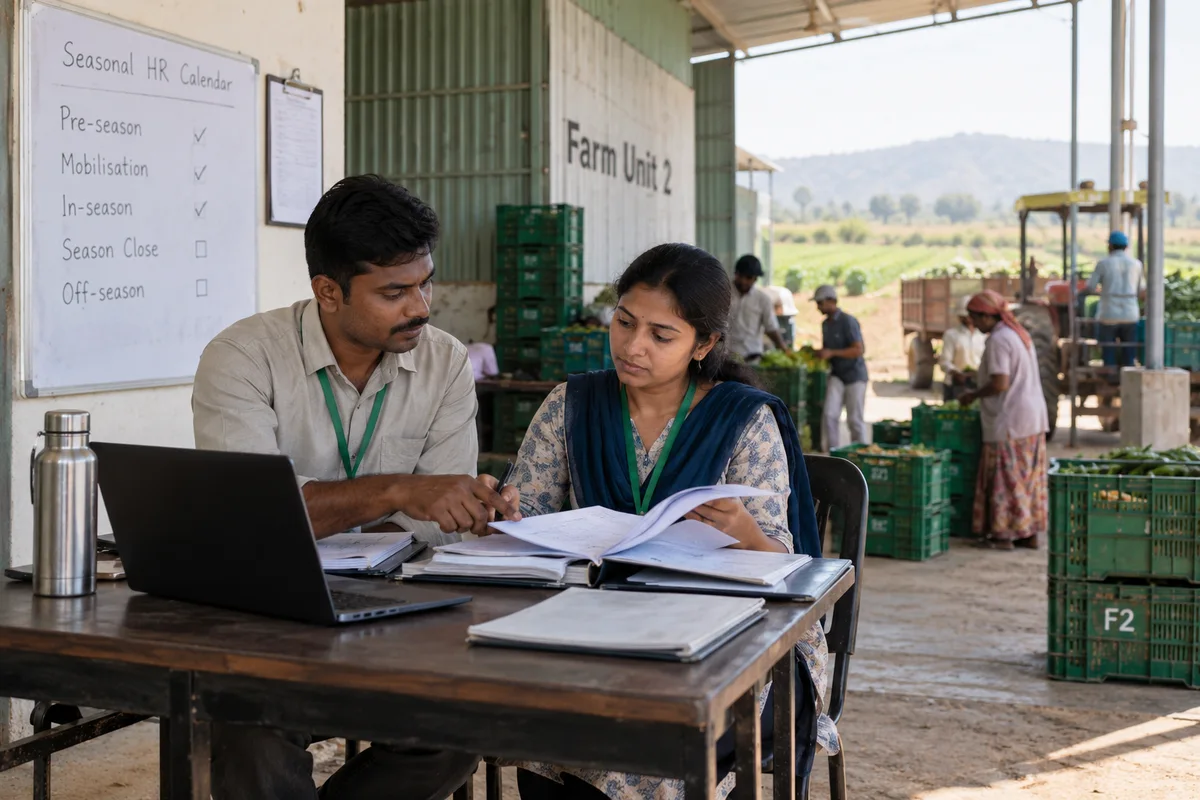
A simple chart of peak weeks and the crew size each needs, built a season ahead.
A simple chart of peak weeks and the crew size each needs, built a season ahead. The recruitment process helps to line up gangs early.
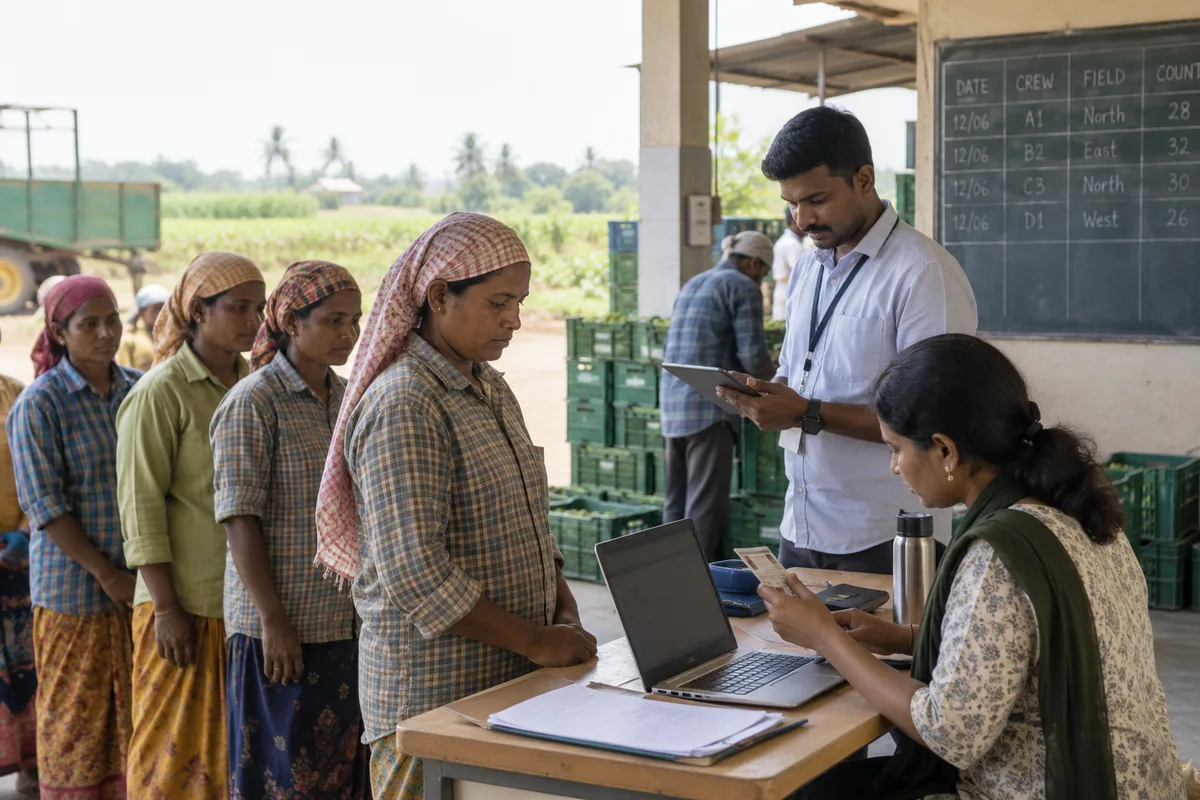
Who worked, what they did and what they picked, signed or thumbed each day.
Who worked, what they did and what they picked, signed or thumbed each day. The attendance and leave process can adapt it.
Off-season work, a retention payment or a firm return date for key hands.
Off-season work, a retention payment or a firm return date for key hands. See employee engagement.
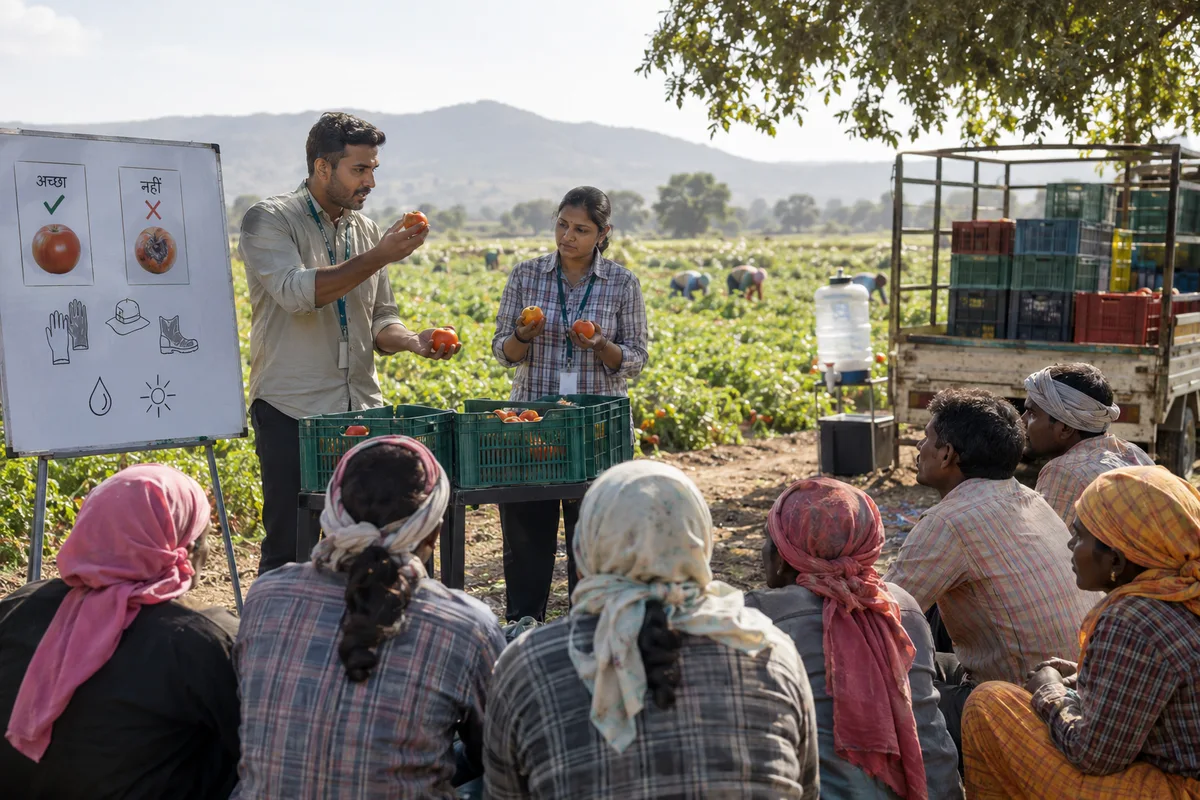
A practical session before spraying with a record of who attended.
A practical session before spraying with a record of who attended. The health, safety and wellbeing work covers it.
Rate, advance rules and settlement day written in plain words and told to each gang.
Rate, advance rules and settlement day written in plain words and told to each gang. The payroll process can structure it.
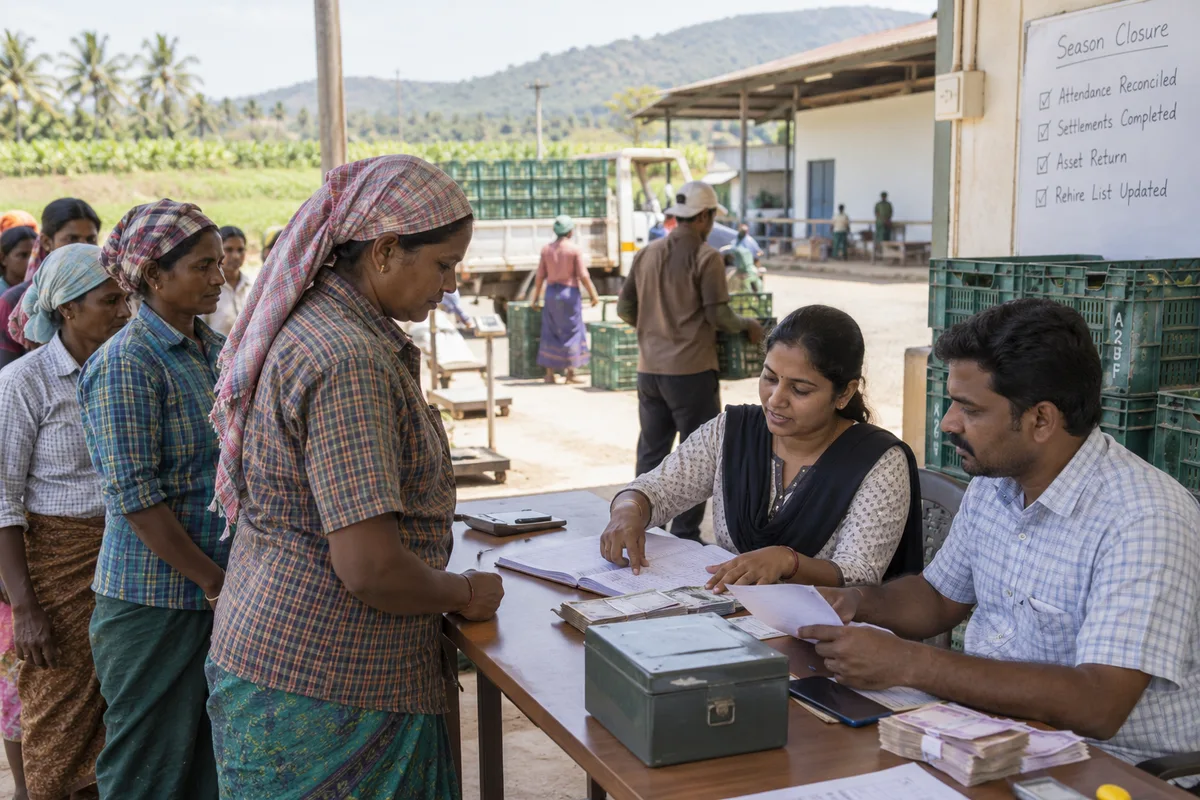
A short list checked before each season starts.
A short list checked before each season starts.
Before changing anything, find out what is true today. These checks take an afternoon and tell you which of the topics above to start with.
Share your requirementsConfirm with a qualified professional. What applies to you depends on your business, your state and your arrangements, and it changes. This page describes practice. It does not state a legal position.
The services below fit this kind of business best. Each starts by recording where you stand, and every later report compares against that. We do not promise outcomes.
A season-ahead plan to line up gangs and key hands before the busy weeks.
Clear piece-rate and daily pay records that settle on time without arguments.
Chemical handling, heat and housing routines that protect people and crops.
Ways to keep your core hands coming back year after year.
Start with a free conversation, or see the paid HR Diagnostic.
Understand the business, its workforce, current processes and HR challenges.
Find the missing, weak, inconsistent or person-dependent processes.
Create the structure, processes, policies, SOPs, dashboards and systems needed.
Help HR and department managers actually adopt the new system.
Digitise repetitive and approval-based workflows where it is worth doing.
Track hiring, attendance, employee cost, performance, training and attrition.
Strengthen the people-management system continuously, not once.
From the GullyHR blog: one on HR in agriculture and agribusiness, and one on each of the topics this page points to.
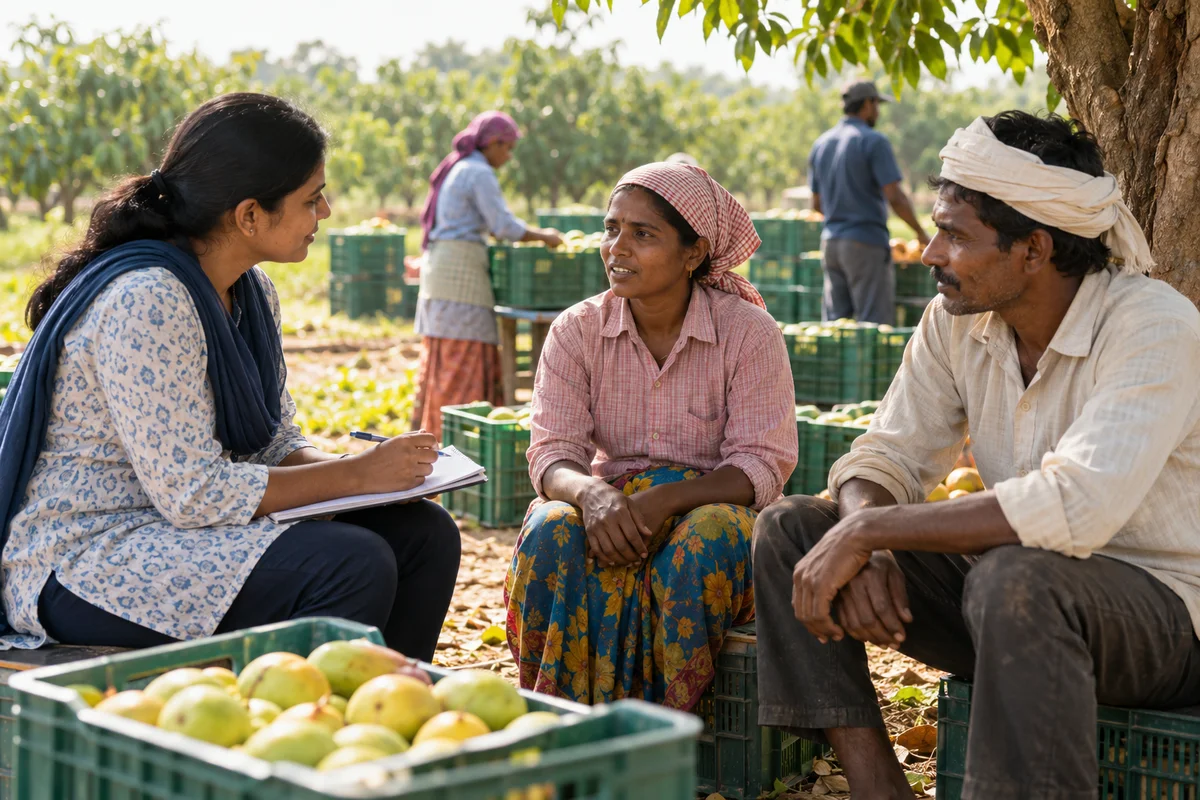
Seasonal crews, field officers and processing staff leave for different reasons. How to ask what shaped their decision and act before next season.
7 min readRead article
How a D2C founder can decide which digital marketing work to hire for, which to buy from an agency, and which to split, with a worksheet and a five step plan.
6 min readRead article
Simple variable pay structures for product and engineering teams: four options, why individual metrics backfire, a build plan and a one page outline to adapt.
6 min readRead article
A shift, weekly and monthly safety routine for rubber plants that names who checks platen guards, mill trip bars, autoclave doors, burst-test cages and slings, and who acts on near misses.
7 min readRead articleMore on the GullyHR blog.
Agree dates early, confirm the week before and pay fairly and on time. Reliable payment is the best way to bring a crew back.
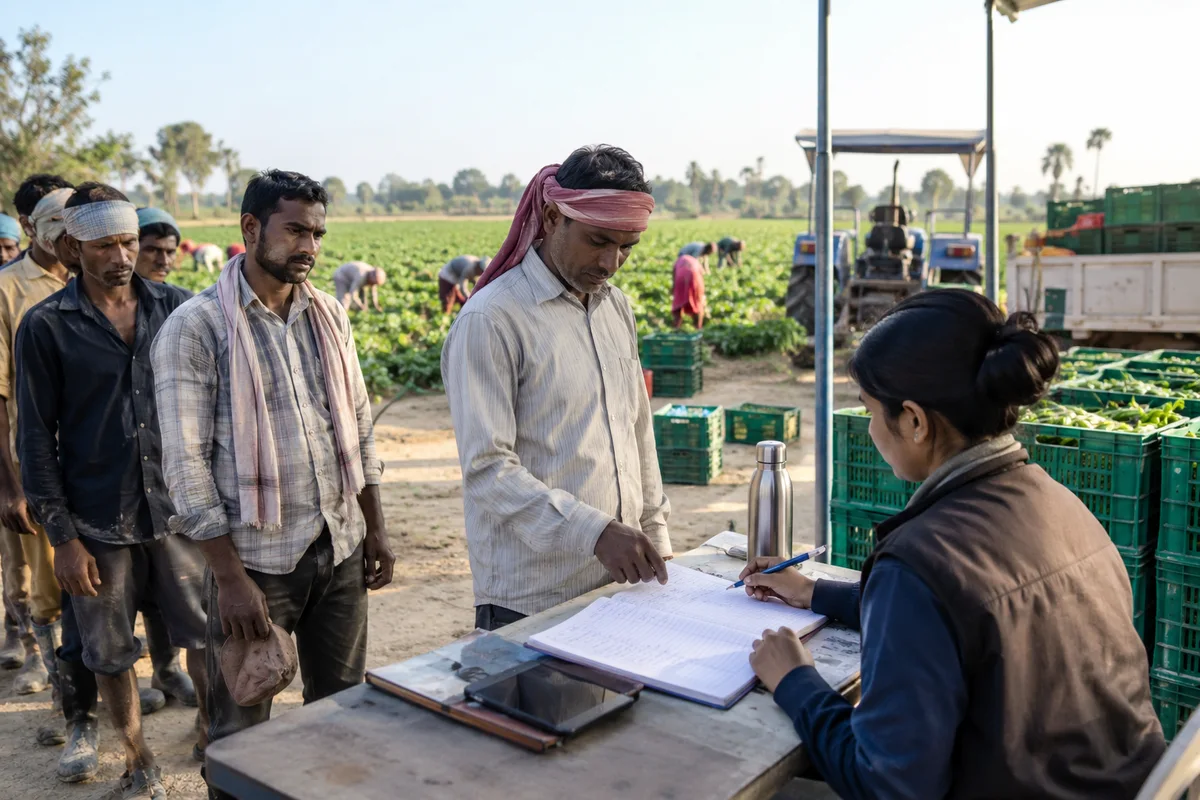
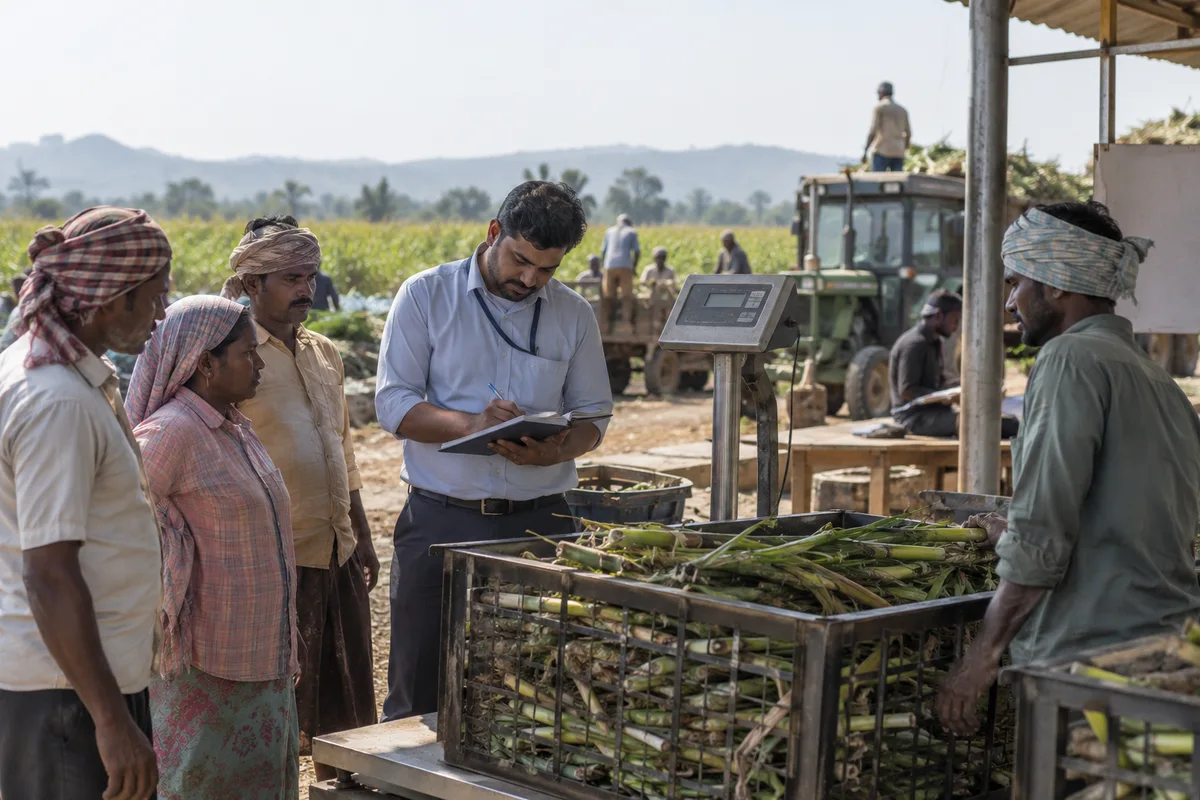
Count at the point of weighing, note it against the worker and share the figure the same day. Disputes drop when both sides see the number.
Offer some off-season work, a retention payment or a clear return date. A good driver is hard to replace in the middle of the season.
Safe chemical use with gear and training, drinking water and shade in heat, and safe use of tractors and pumps.
Yes, with changes. Agree pay terms with the gang head, keep your own attendance record and check what is passed to each worker. Check obligations with a qualified professional.
We would ask which weeks are the busiest, how pay is agreed and noted and how you keep your best hands. A good first project is a labour calendar with a daily record. Scope is written for you to accept or change.
All 58 business types in agriculture and agribusiness · Find another business type
See all HR topics for agriculture and agribusiness, or another industry.
Tell us what is slowing your team down. We’ll help you find a practical way forward, starting with a conversation.