
Industries
Why agribusiness workers leave and how to understand why
Seasonal crews, field officers and processing staff leave for different reasons. How to ask what shaped their decision and act before next season.
7 min readRead articleAnimals need feeding, milking and checking every day of the year, including festivals. The business depends on handlers who turn up, follow routine and notice a sick animal early.
Not sure what you need? Tell us about your business in six short steps and we will come to the first meeting prepared.
Share your requirementsA dairy, poultry or livestock farm keeps animals for milk, eggs, meat or breeding. The routine is fixed: feeding, watering, milking, egg collection, cleaning and health checks, morning and evening, every day. A small crew of handlers, a supervisor and often a visiting vet carry the work. Poultry sheds and large dairies run to tight schedules, and a missed feed or an unreported sick bird can spread quickly. Night duty is needed for calving, chick brooding and power cuts. Many workers are migrant or live on the premises, and the owner is also the manager. Hygiene and movement rules matter because disease can enter on boots or on a visitor. See HR for agriculture and agribusiness.
These are the places the people side of this kind of business tends to give way. The rest of this page works through them.
HR here has to work for each of these groups, not only the office. The set-up below is written with all of them in mind.
GullyHR runs talent acquisition for permanent roles in dairy, poultry and livestock. For each role we agree the job description with you, find and screen candidates against it, and support the offer through to joining. Tell us the role and the number of people, and we start there.
We recruit permanent employees. We do not supply contract or temporary staff.
Every business interviews, but few have a written process that works the same way for every role and every interviewer. GullyHR designs yours, from the role brief to the offer, trains your managers to run it, and can run it for you on the roles you hand us.
We agree what the role must deliver, the must-have and nice-to-have skills, and how each will be scored.
Screening call, assessment, interview rounds and decision points, sized to the role and the number of people you hire.
Structured questions for each role family and a rating guide, so two interviewers judge the same answer the same way.
A short briefing for your managers on what to ask, what to avoid and how to give a clear yes or no.
Who approves, how the offer is made, and how candidates are kept informed from first call to joining.
Festival and weekend cover is hard to find, and a missing handler leaves the owner to milk or feed himself.
A late milking or an unfed shed shows in yield within days, so absence costs far more than the wage.
A handler who is unsure or afraid of blame does not report a dull cow or a coughing bird, and disease spreads.
Visitors, shared boots and crates move between sheds, and nobody has been shown why it matters.
Watchmen and calving attendants stay awake in isolated sheds with little rest, and some fall asleep on duty.
A person who can spot heat, handle a difficult cow or manage a brooder leaves, and the new hire needs months to learn.
Staff live near animals and manure, with poor water and shared rooms, and families struggle.
Kicks, slips, bites, ammonia and heat cause injuries, and little is recorded or treated promptly.
Start with the topics that matter most here: Health, Safety and Wellbeing; HR Operations and Governance; Retention and Attrition Management. Then work through the rest. Each topic is written for agriculture and agribusiness, not in general.
Induction, records, incident reporting and follow-through.
An HR function that runs the same way every month.
Who leaves, when, why — and which of them mattered.
How many people, in which roles, by when — and what they will cost.
Structure, reporting lines and who is allowed to decide what.
Requisition to joining, the same way every time.
A first day that is the same for the fifth joiner as the first.
Records, attendance, leave and the day-to-day HR that must simply work.
Salary structure, payroll inputs and a month that closes on time.
Goals, reviews and ratings that hold up in a conversation.
Training planned from need rather than from the calendar.
Named backups for the roles that cannot be vacant.
Communication, recognition and the conditions people actually work in.
Two routes — one for complaints, one for conduct — kept separate.
Policies a manager can apply, and obligations with owners and dates.
Resignation to relieving letter, in a defined order.
Records that survive people, and approvals that do not queue.
A short monthly pack management actually reads.
The pieces a dairy, poultry and livestock business puts in place, in an order that makes each easier. Open any card for the detail.
Fixed shifts, weekly offs, named cover for festivals and a trained relief handler.
Fixed shifts, weekly offs, named cover for festivals and a trained relief handler. The attendance and leave process helps.
Feed, water, clean and check, signed per shed, so missed tasks are visible the same day.
Feed, water, clean and check, signed per shed, so missed tasks are visible the same day.
A routine where a handler tells the supervisor about a sick animal and is thanked, not blamed.
A routine where a handler tells the supervisor about a sick animal and is thanked, not blamed. The grievance and disciplinary process shows how to keep it fair.
Boots, hands, vehicles and visitors, shown and practised.
Boots, hands, vehicles and visitors, shown and practised. The health, safety and wellbeing work covers it.
Shorter spells, rest after, a check-in call and decent lighting and shelter.
Shorter spells, rest after, a check-in call and decent lighting and shelter.
Clean water, separate rooms and a route from handler to supervisor.
Clean water, separate rooms and a route from handler to supervisor. See employee engagement.
Before changing anything, find out what is true today. These checks take an afternoon and tell you which of the topics above to start with.
Share your requirementsConfirm with a qualified professional. What applies to you depends on your business, your state and your arrangements, and it changes. This page describes practice. It does not state a legal position.
The services below fit this kind of business best. Each starts by recording where you stand, and every later report compares against that. We do not promise outcomes.
Fixed rosters, weekly offs and festival cover that keeps animals on schedule.
Biosecurity, injury prevention and night-duty rules for sheds and yards.
Housing, recognition and a ladder that keep good handlers in place.
A fair way to handle missed duties and safe reporting of sick animals.
Start with a free conversation, or see the paid HR Diagnostic.
Understand the business, its workforce, current processes and HR challenges.
Find the missing, weak, inconsistent or person-dependent processes.
Create the structure, processes, policies, SOPs, dashboards and systems needed.
Help HR and department managers actually adopt the new system.
Digitise repetitive and approval-based workflows where it is worth doing.
Track hiring, attendance, employee cost, performance, training and attrition.
Strengthen the people-management system continuously, not once.
From the GullyHR blog: one on HR in agriculture and agribusiness, and one on each of the topics this page points to.
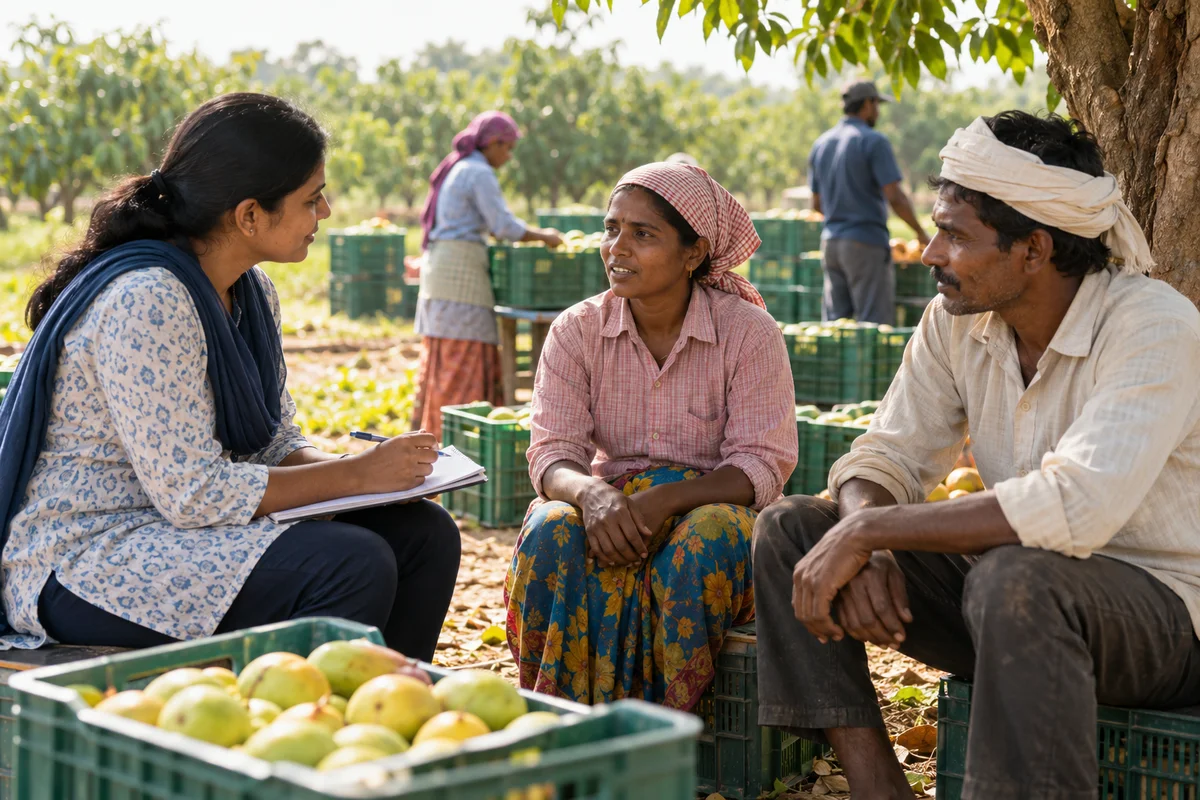
Seasonal crews, field officers and processing staff leave for different reasons. How to ask what shaped their decision and act before next season.
7 min readRead article
A shift, weekly and monthly safety routine for rubber plants that names who checks platen guards, mill trip bars, autoclave doors, burst-test cages and slings, and who acts on near misses.
7 min readRead article
Every growing company reaches a point where the founder approving everything stops being speed and starts being the bottleneck. Twelve signs it has happened, and what to fix first.
9 min readRead article
What really keeps mobile app and web developers in a small firm: stay conversations, growth paths, fair release rules and a risk sheet an owner can use this month.
6 min readRead articleMore on the GullyHR blog.
Train a relief handler, plan the roster a month ahead and pay a fair extra amount. A person who knows the routine is worth more than a stranger at short notice.
Thank them for reporting, act on what they say and never punish a false alarm. Early reports save more animals than they cost.
Clean boots and hands at every shed, controlled visitor entry, separate crates and equipment and a clear route for vehicles.
Limit consecutive nights, allow rest, provide light and shelter and require a check-in call.
You can, but be careful. Output-based pay may push people to hurry or hide losses. Check design and legal terms with a qualified professional.
We would ask who covers festivals, how a sick animal is reported and how night duty is run. A good first project is a roster with relievers and a safe reporting routine. Scope is written for you to accept or change.
All 58 business types in agriculture and agribusiness · Find another business type
See all HR topics for agriculture and agribusiness, or another industry.
Tell us what is slowing your team down. We’ll help you find a practical way forward, starting with a conversation.