
Industries
Why agribusiness workers leave and how to understand why
Seasonal crews, field officers and processing staff leave for different reasons. How to ask what shaped their decision and act before next season.
7 min readRead articleA fish farm is watched around the clock. Feeding, water checks and night aeration cannot lapse, and harvest day needs a large crew for a few hours. The rest of the year, a small team carries everything.
Not sure what you need? Tell us about your business in six short steps and we will come to the first meeting prepared.
Share your requirementsA fish farm raises fish in ponds, tanks or cages, and the work follows the water. Feeding runs at set hours, water quality is checked each day, aerators run through the night and nets, pumps and ponds need constant repair. Sites are remote, so workers live on the farm in simple housing. Harvest brings a crew of netters, graders, icers and loaders for a few intense hours, at night or before dawn. Pond managers hold most of the knowledge about feed, water and disease signs. See also HR for agriculture and agribusiness and the poultry, livestock and fisheries hub.
These are the places the people side of this kind of business tends to give way. The rest of this page works through them.
HR here has to work for each of these groups, not only the office. The set-up below is written with all of them in mind.
GullyHR runs talent acquisition for permanent roles in fish farms. For each role we agree the job description with you, find and screen candidates against it, and support the offer through to joining. Tell us the role and the number of people, and we start there.
We recruit permanent employees. We do not supply contract or temporary staff.
Every business interviews, but few have a written process that works the same way for every role and every interviewer. GullyHR designs yours, from the role brief to the offer, trains your managers to run it, and can run it for you on the roles you hand us.
We agree what the role must deliver, the must-have and nice-to-have skills, and how each will be scored.
Screening call, assessment, interview rounds and decision points, sized to the role and the number of people you hire.
Structured questions for each role family and a rating guide, so two interviewers judge the same answer the same way.
A short briefing for your managers on what to ask, what to avoid and how to give a clear yes or no.
Who approves, how the offer is made, and how candidates are kept informed from first call to joining.
One person watches several ponds alone. If they sleep or are absent, a power cut or an aerator fault can cost a whole pond.
The harvest crew is called from the village at short notice, and who turns up changes every time.
Which pond runs low on oxygen, which has a leak and which fish are off feed is known by one manager.
Workers live far from family and shops, and homesickness drives exits within months.
Slippery bunds, deep ponds and electrical aerators are used by people who may not swim or have been shown the risks.
Feed amounts and timing affect growth and water quality, yet are left to untrained hands without a record.
Between harvests and stocking, work thins and workers go home. Getting them back for the next cycle is uncertain.
Start with the topics that matter most here: Recruitment and Talent Acquisition; Health, Safety and Wellbeing; HR Operations and Governance. Then work through the rest. Each topic is written for agriculture and agribusiness, not in general.
Requisition to joining, the same way every time.
Induction, records, incident reporting and follow-through.
An HR function that runs the same way every month.
How many people, in which roles, by when, and what they will cost.
Structure, reporting lines and who is allowed to decide what.
A first day that is the same for the fifth joiner as the first.
Records, attendance, leave and the day-to-day HR that must simply work.
Salary structure, payroll inputs and a month that closes on time.
Goals, reviews and ratings that hold up in a conversation.
Training planned from need rather than from the calendar.
Named backups for the roles that cannot be vacant.
Communication, recognition and the conditions people actually work in.
Two routes, one for complaints, one for conduct, kept separate.
Policies a manager can apply, and obligations with owners and dates.
Who leaves, when, why, and which of them mattered.
Resignation to relieving letter, in a defined order.
Records that survive people, and approvals that do not queue.
A short monthly pack management actually reads.
The pieces a fish farms business puts in place, in an order that makes each easier. Open any card for the detail.
Pair or rotate night duty, set check times and a way to raise alarm.
Pair or rotate night duty, set check times and a way to raise alarm. The attendance, shift and leave process covers rest after night duty.
Keep names and numbers of the people who came last time and did well, and ask them first.
Keep names and numbers of the people who came last time and did well, and ask them first. The recruitment process gives a method for this.
Each pond gets a card with feeding, water checks and known faults, kept by the manager and read by a second person.
Each pond gets a card with feeding, water checks and known faults, kept by the manager and read by a second person.
Check housing, water, food, phone access and visiting days.
Check housing, water, food, phone access and visiting days. Ask workers what would make staying easier.
Every new hand is shown safe movement on bunds, rescue basics and aerator safety.
Every new hand is shown safe movement on bunds, rescue basics and aerator safety. See the health, safety and wellbeing work.
Decide who stays through the quiet weeks, how pay works and how others are called back.
Decide who stays through the quiet weeks, how pay works and how others are called back.
Before changing anything, find out what is true today. Work through the checks using a recent operating period. The time needed depends on the records you hold; note missing evidence and use the findings to choose a priority.
Share your requirementsConfirm with a qualified professional. What applies to you depends on your business, your state and your arrangements, and it changes. This page describes practice. It does not state a legal position.
The services below fit this kind of business best. Each starts by recording where you stand, and every later report compares against that. We do not promise outcomes.
A harvest crew and pond attendants list built before the cycle, not on the morning.
Night rosters, rest after duty and leave rules that suit remote sites.
Water, electrical and housing safety shown on site, with a training record.
Cover for the pond manager, so pond knowledge is not lost when they move on.
Start with a free conversation, or see the paid HR Diagnostic.
Understand the business, its workforce, current processes and HR challenges.
Find the missing, weak, inconsistent or person-dependent processes.
Create the structure, processes, policies, SOPs, dashboards and systems needed.
Help HR and department managers actually adopt the new system.
Digitise repetitive and approval-based workflows where it is worth doing.
Track hiring, attendance, employee cost, performance, training and attrition.
Strengthen the people-management system continuously, not once.
From the GullyHR blog: one on HR in agriculture and agribusiness, and one on each of the topics this page points to.
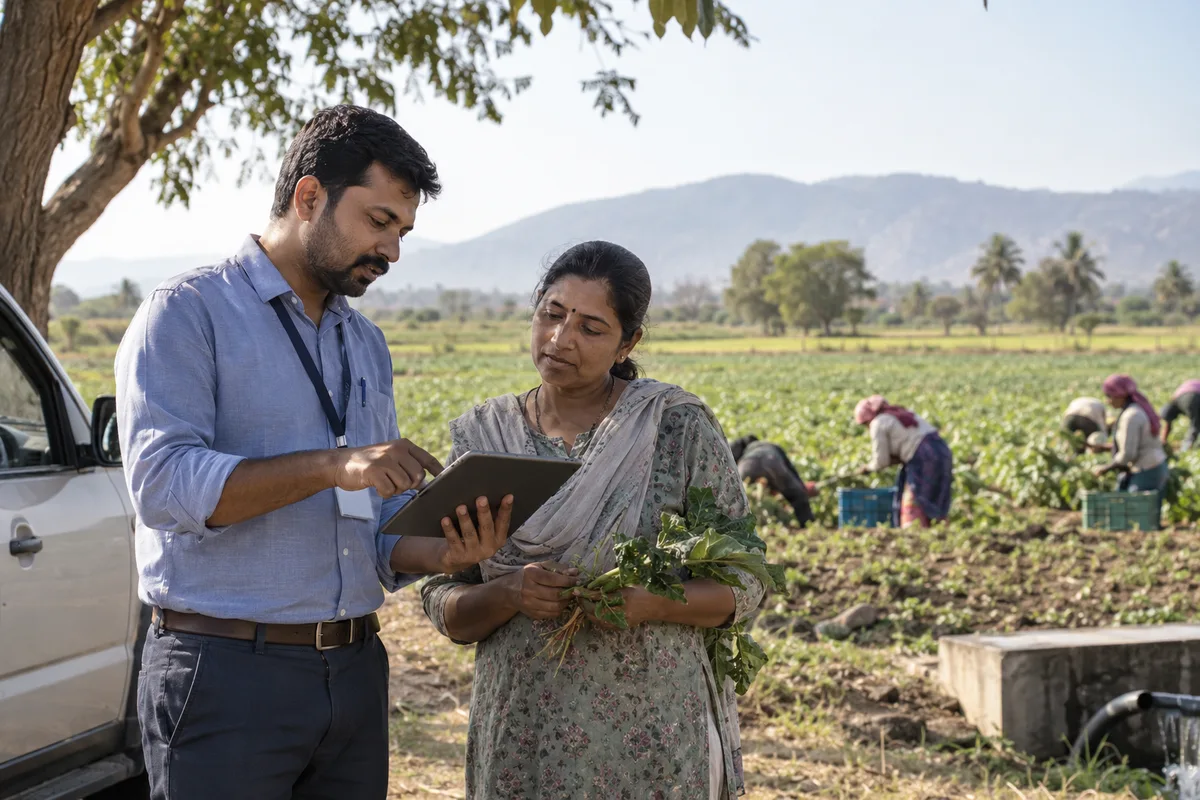
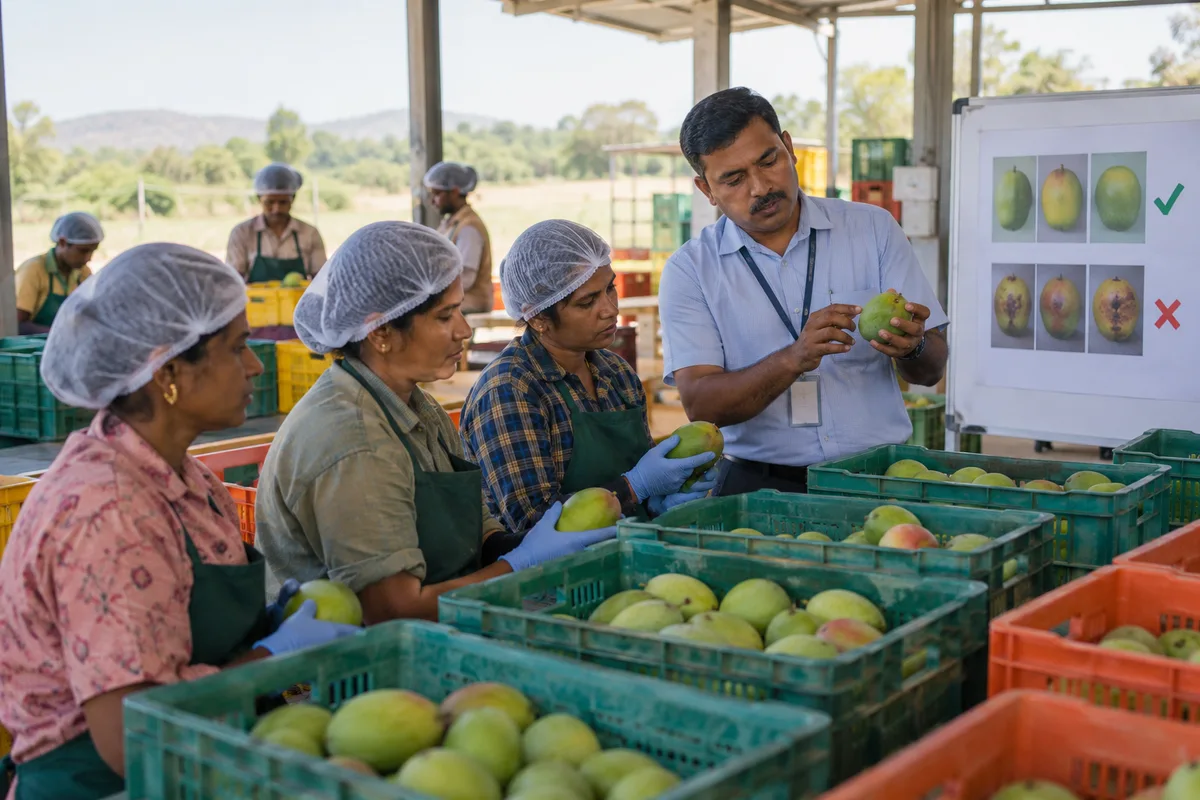
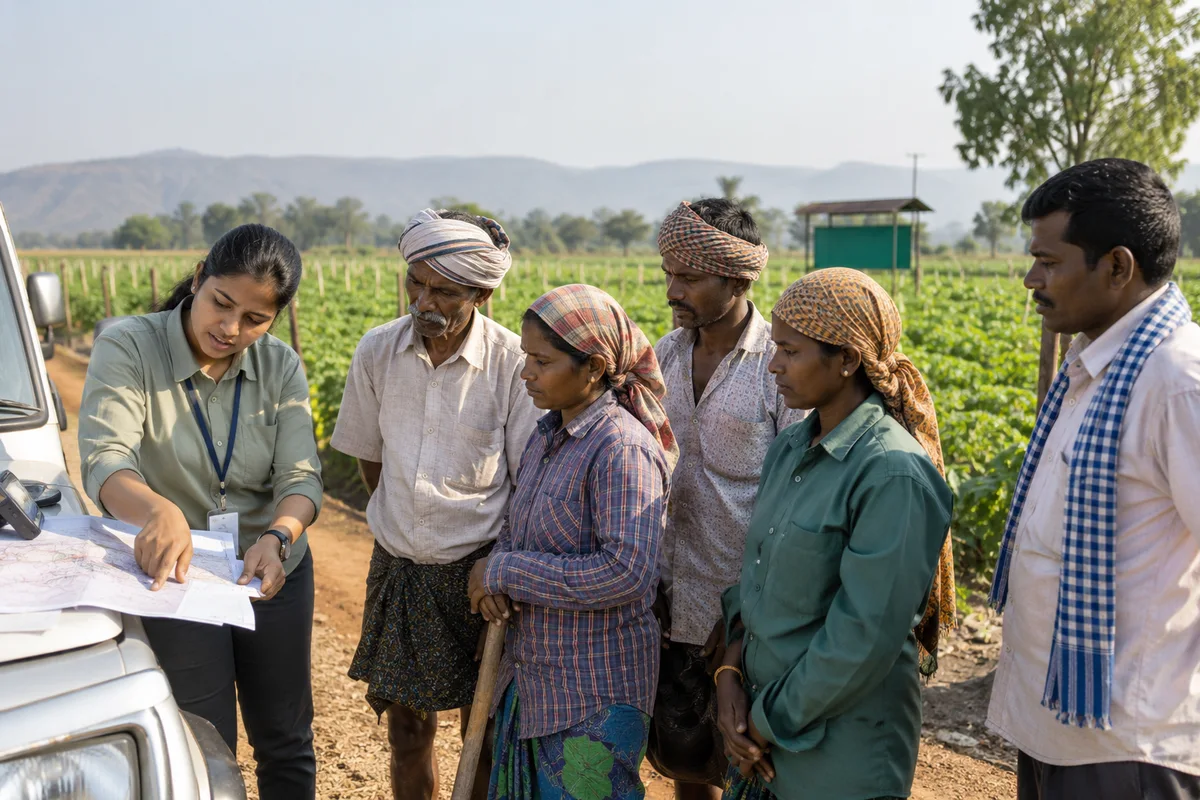
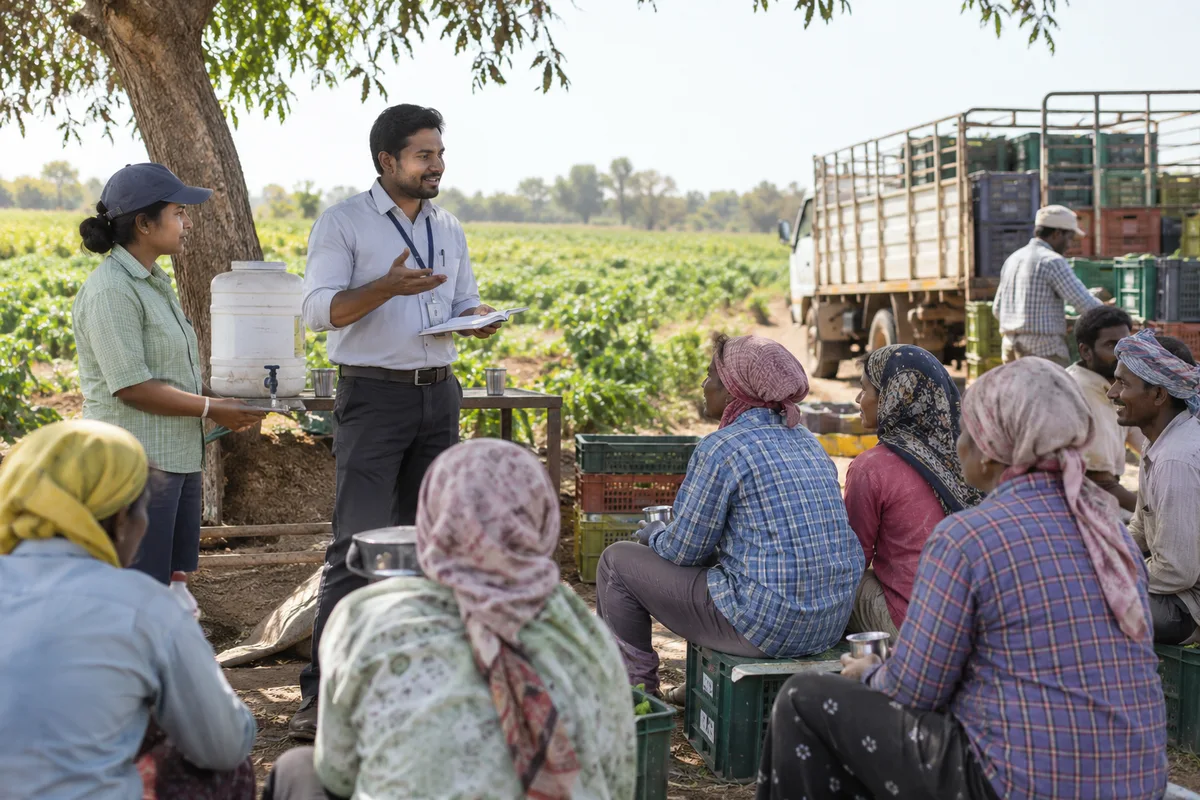
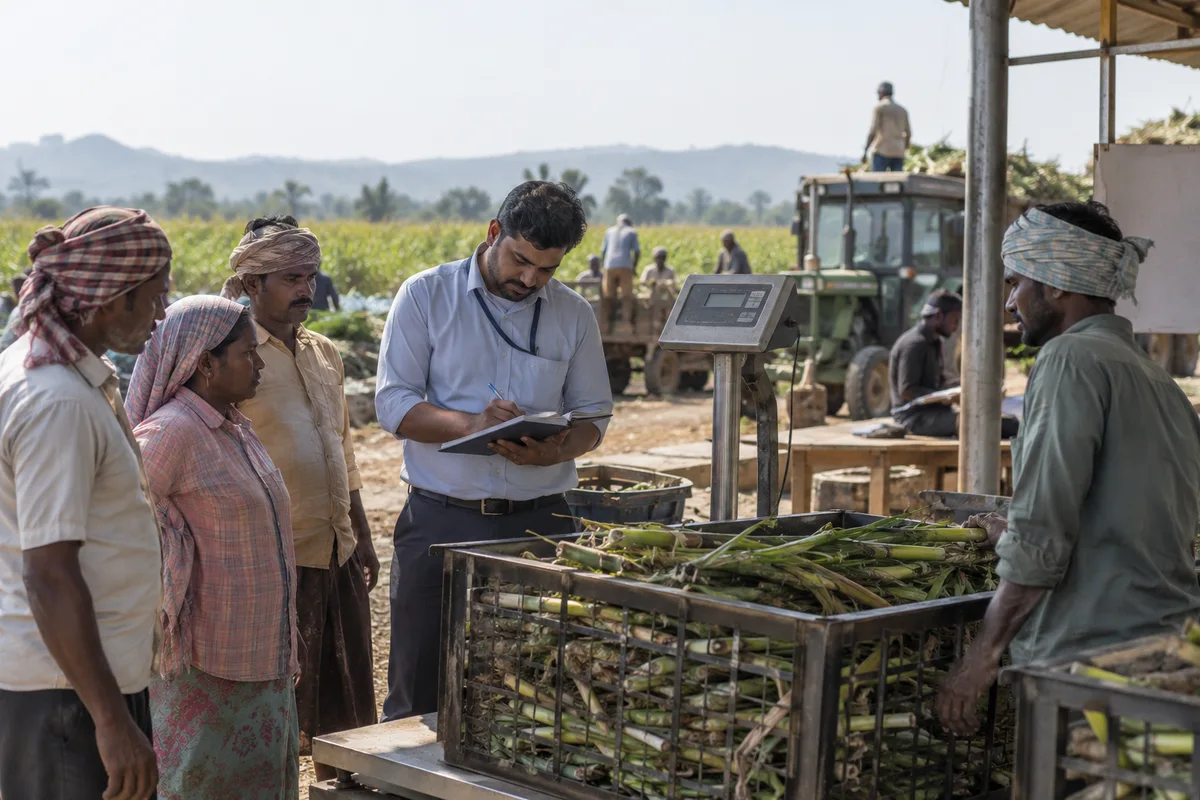
Seasonal crews, field officers and processing staff leave for different reasons. How to ask what shaped their decision and act before next season.
7 min readRead article
How a D2C founder can test a performance marketing hire on real work, ignore weak signals such as dashboard screenshots, and run a fair process.
7 min readRead article
A shift, weekly and monthly safety routine for rubber plants that names who checks platen guards, mill trip bars, autoclave doors, burst-test cages and slings, and who acts on near misses.
7 min readRead article
Every growing company reaches a point where the founder approving everything stops being speed and starts being the bottleneck. Twelve signs it has happened, and what to fix first.
8 min readRead articleMore on the GullyHR blog.
It depends on pond size, method and how fast the buyer's vehicle waits. Count the tasks from netting to loading and the time available. Build the list from last harvest and add spares for no-shows.
It is risky if the person is alone for long hours with no way to call for help. Rotate duty, set check-in times and give a phone or alarm. Confirm safety expectations with a qualified professional.
Pay on time, arrange visits home, provide decent housing and food and treat people with respect. Ask what is missing and fix one thing quickly. Remote people stay when small comforts are looked after.
No. They should record it. A card per pond and a second person who has walked the ponds with the manager reduce the farm's risk if the manager leaves.
A short briefing is enough for netting and loading: how to move, lift, handle fish and avoid slips. Experienced workers repeat the briefing for new hands, and a lead keeps a record.
We would ask who watches the ponds tonight, how many people came to your last harvest and what your pond manager knows that nobody else does. A night roster and a harvest crew list are a likely first job, and scope is written down for you to accept or change.
All 6 business types in poultry, livestock and fisheries · Find another business type
See all HR topics for agriculture and agribusiness, or another industry.
Tell us your industry, team size and the issue you want to address. Bring one example of where work gets delayed or ownership is unclear, and the deadline or decision you are working towards.