
Industries
Why agribusiness workers leave and how to understand why
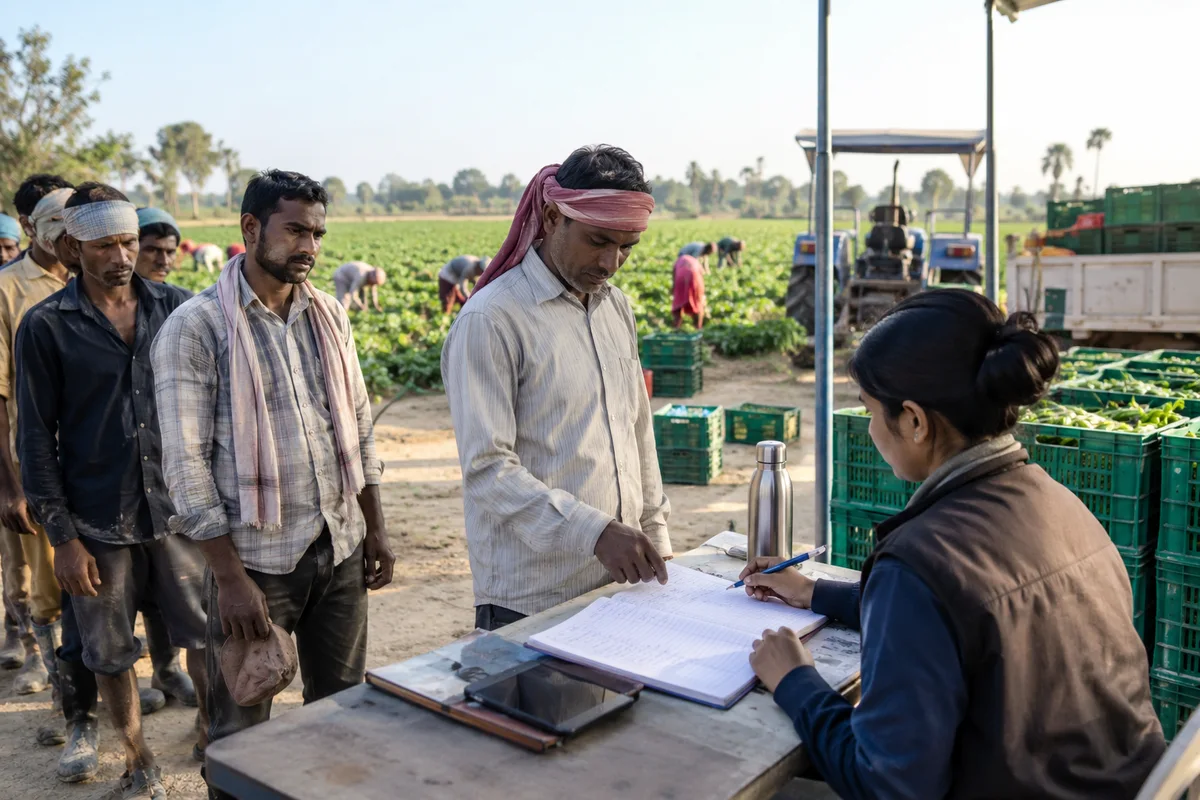
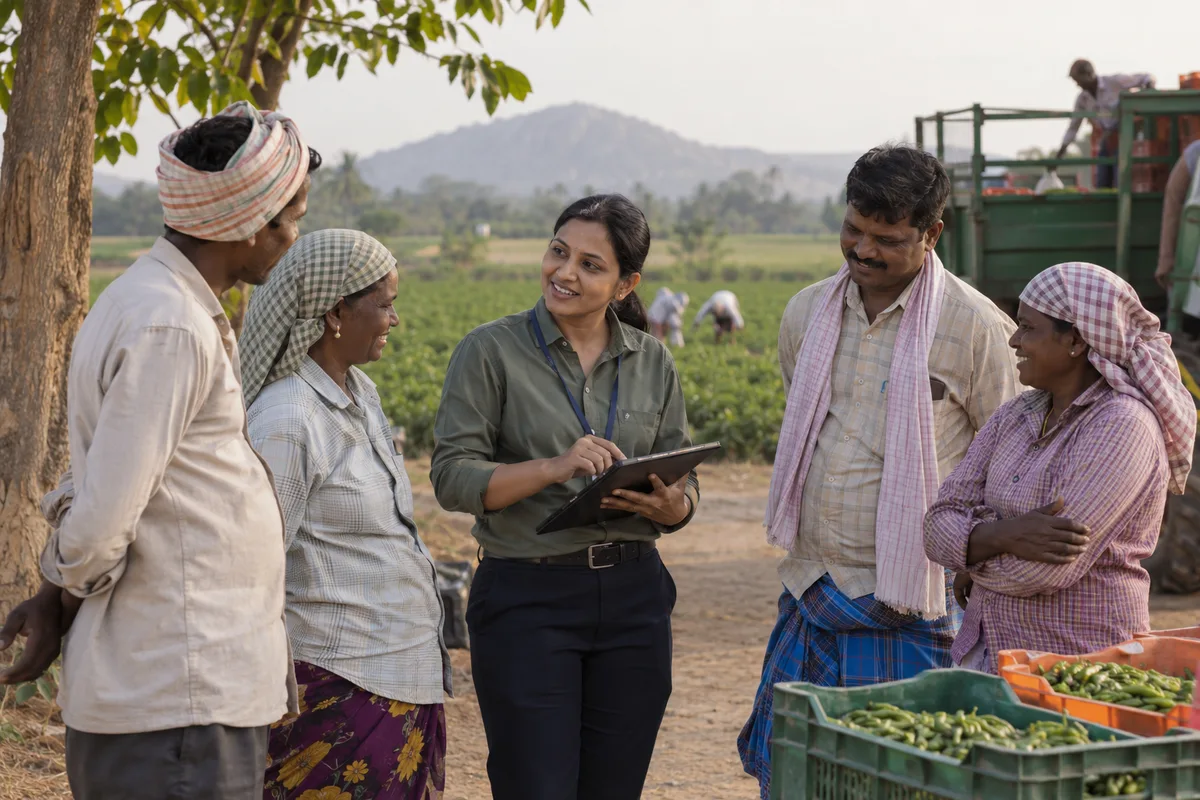
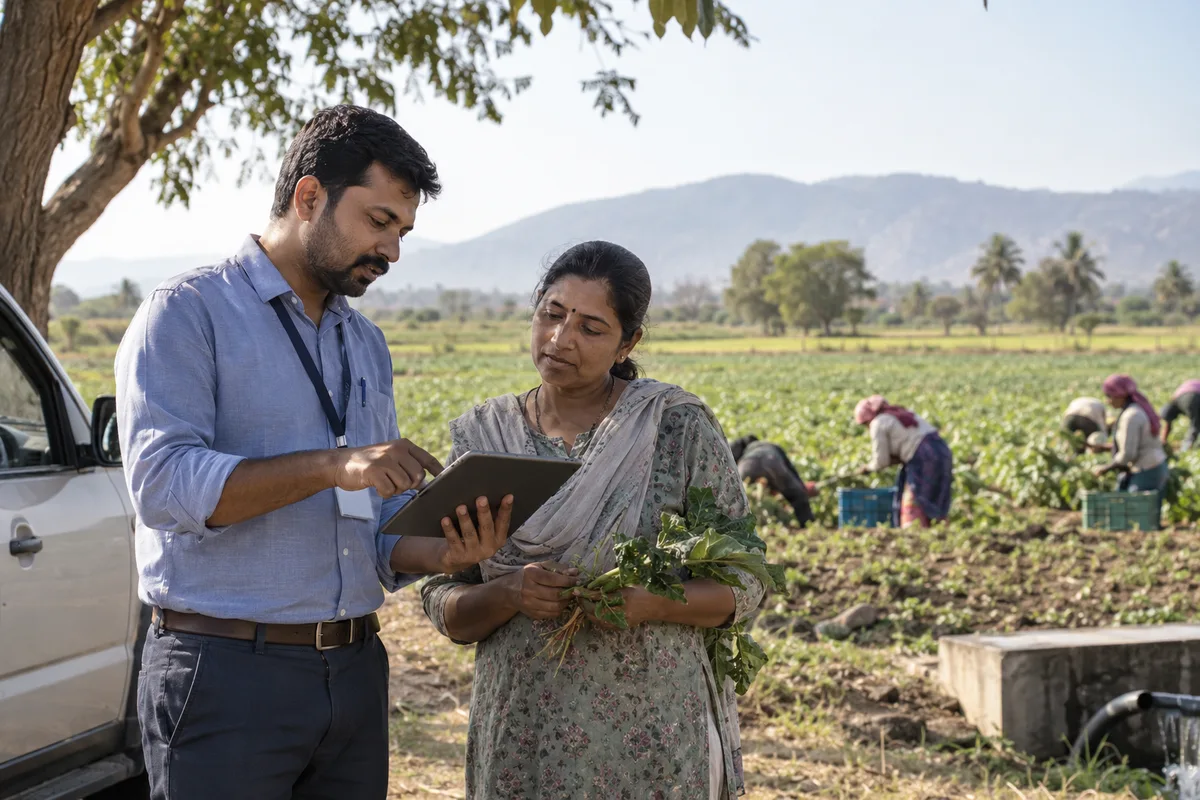
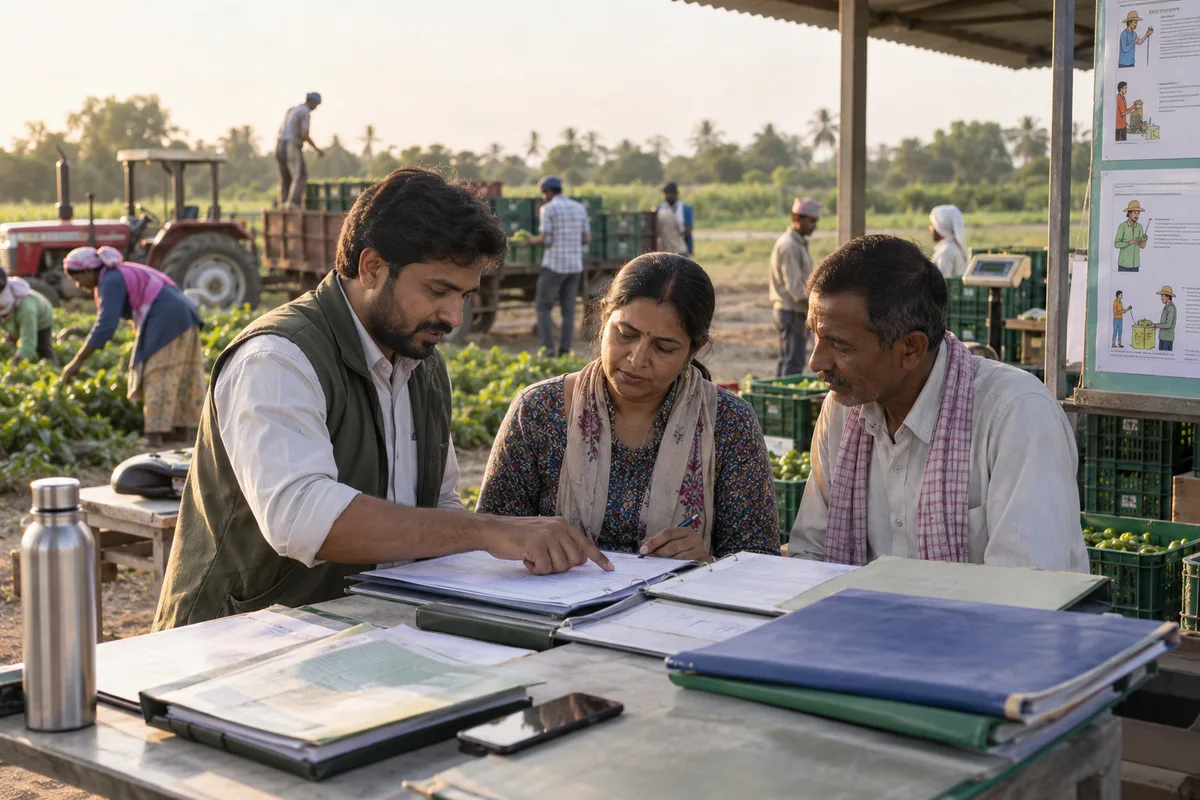
Seasonal crews, field officers and processing staff leave for different reasons. How to ask what shaped their decision and act before next season.
7 min readRead articleA cattle farm works twice a day, every day, whatever the weather or festival. Milking, feeding and cleaning rounds need the same trained hands at the same hours, and cows notice when the routine changes.

Not sure what you need? Tell us about your business in six short steps and we will come to the first meeting prepared.
Share your requirementsA cattle or dairy farm keeps animals fed, milked, cleaned and watched through the day and night. Milking runs at fixed hours, fodder must be cut, chopped and carried, sheds washed and calving cows watched. Some workers live on or near the farm, are paid daily or monthly and are from the same village or family. Roles overlap, written terms are thin, and the owner or a farm manager runs everything by word of mouth. Visiting veterinarians and artificial insemination technicians add to the schedule. See also HR for agriculture and agribusiness and the poultry, livestock and fisheries hub.
These are the places the people side of this kind of business tends to give way. The rest of this page works through them.
HR here has to work for each of these groups, not only the office. The set-up below is written with all of them in mind.
GullyHR runs talent acquisition for permanent roles in cattle farms. For each role we agree the job description with you, find and screen candidates against it, and support the offer through to joining. Tell us the role and the number of people, and we start there.
We recruit permanent employees. We do not supply contract or temporary staff.
Every business interviews, but few have a written process that works the same way for every role and every interviewer. GullyHR designs yours, from the role brief to the offer, trains your managers to run it, and can run it for you on the roles you hand us.
We agree what the role must deliver, the must-have and nice-to-have skills, and how each will be scored.
Screening call, assessment, interview rounds and decision points, sized to the role and the number of people you hire.
Structured questions for each role family and a rating guide, so two interviewers judge the same answer the same way.
A short briefing for your managers on what to ask, what to avoid and how to give a clear yes or no.
Who approves, how the offer is made, and how candidates are kept informed from first call to joining.
If a milker does not arrive, the herd is milked late or by someone untrained. Yield, udder health and temper all suffer.
They know which cow kicks, who is in heat and who is close to calving. When this person leaves, so does the herd history.
Without clear roles, feed is late, sheds stay dirty and each person blames another.
Workers take advances for family needs, and leaving becomes difficult or awkward. Records of what was given sit in a notebook.
An untrained person near a heavy animal is a safety risk to both. Handling and hygiene are learnt by being near others.
Vets and AI technicians arrive when the crew is busiest, and no one is set aside to assist or record findings.
A neighbour offering more at the next village is enough to lose a skilled milker in a month.
Start with the topics that matter most here: Employee Administration; Retention and Attrition Management; Organisation Design. Then work through the rest. Each topic is written for agriculture and agribusiness, not in general.
Records, attendance, leave and the day-to-day HR that must simply work.
Who leaves, when, why, and which of them mattered.
Structure, reporting lines and who is allowed to decide what.
How many people, in which roles, by when, and what they will cost.
Requisition to joining, the same way every time.
A first day that is the same for the fifth joiner as the first.
Salary structure, payroll inputs and a month that closes on time.
Goals, reviews and ratings that hold up in a conversation.
Training planned from need rather than from the calendar.
Named backups for the roles that cannot be vacant.
Communication, recognition and the conditions people actually work in.
Two routes, one for complaints, one for conduct, kept separate.
Policies a manager can apply, and obligations with owners and dates.
Induction, records, incident reporting and follow-through.
Resignation to relieving letter, in a defined order.
Records that survive people, and approvals that do not queue.
A short monthly pack management actually reads.
An HR function that runs the same way every month.
The pieces a cattle farms business puts in place, in an order that makes each easier. Open any card for the detail.
Milking, feeding, shed cleaning, calving watch and milk room each get a named owner and a back-up.
Milking, feeding, shed cleaning, calving watch and milk room each get a named owner and a back-up. Use the role design and job descriptions work to put it on one page.
Split and rotate rounds so that no one works both ends of every day.
Split and rotate rounds so that no one works both ends of every day. Agree weekly offs and festival cover in advance.
Ask the herdsman to tell a second person about each cow's habits and keep a short note per animal.
Ask the herdsman to tell a second person about each cow's habits and keep a short note per animal. Treat it as part of the job.
Date, amount and repayment plan are written and countersigned.
Date, amount and repayment plan are written and countersigned. The HR documentation process shows a simple register.
Safe approach, restraint, milking hygiene and shed rules are shown in the first days by a named person.
Safe approach, restraint, milking hygiene and shed rules are shown in the first days by a named person.
Ask long-serving workers what would make them leave and what keeps them.
Ask long-serving workers what would make them leave and what keeps them. The retention and attrition work turns the answers into action.
Before changing anything, find out what is true today. Work through the checks using a recent operating period. The time needed depends on the records you hold; note missing evidence and use the findings to choose a priority.
Share your requirementsConfirm with a qualified professional. What applies to you depends on your business, your state and your arrangements, and it changes. This page describes practice. It does not state a legal position.
The services below fit this kind of business best. Each starts by recording where you stand, and every later report compares against that. We do not promise outcomes.
Understand why milkers and herdsmen leave, and what a fair package keeps.
Simple letters, advance registers and duty notes in a form your workers can read.
A reliable way to find trained milkers and herdsmen before a vacancy hurts yield.
Clear owners for each round, so shed work is not left to whoever is nearest.
Start with a free conversation, or see the paid HR Diagnostic.
Understand the business, its workforce, current processes and HR challenges.
Find the missing, weak, inconsistent or person-dependent processes.
Create the structure, processes, policies, SOPs, dashboards and systems needed.
Help HR and department managers actually adopt the new system.
Digitise repetitive and approval-based workflows where it is worth doing.
Track hiring, attendance, employee cost, performance, training and attrition.
Strengthen the people-management system continuously, not once.
From the GullyHR blog: one on HR in agriculture and agribusiness, and one on each of the topics this page points to.
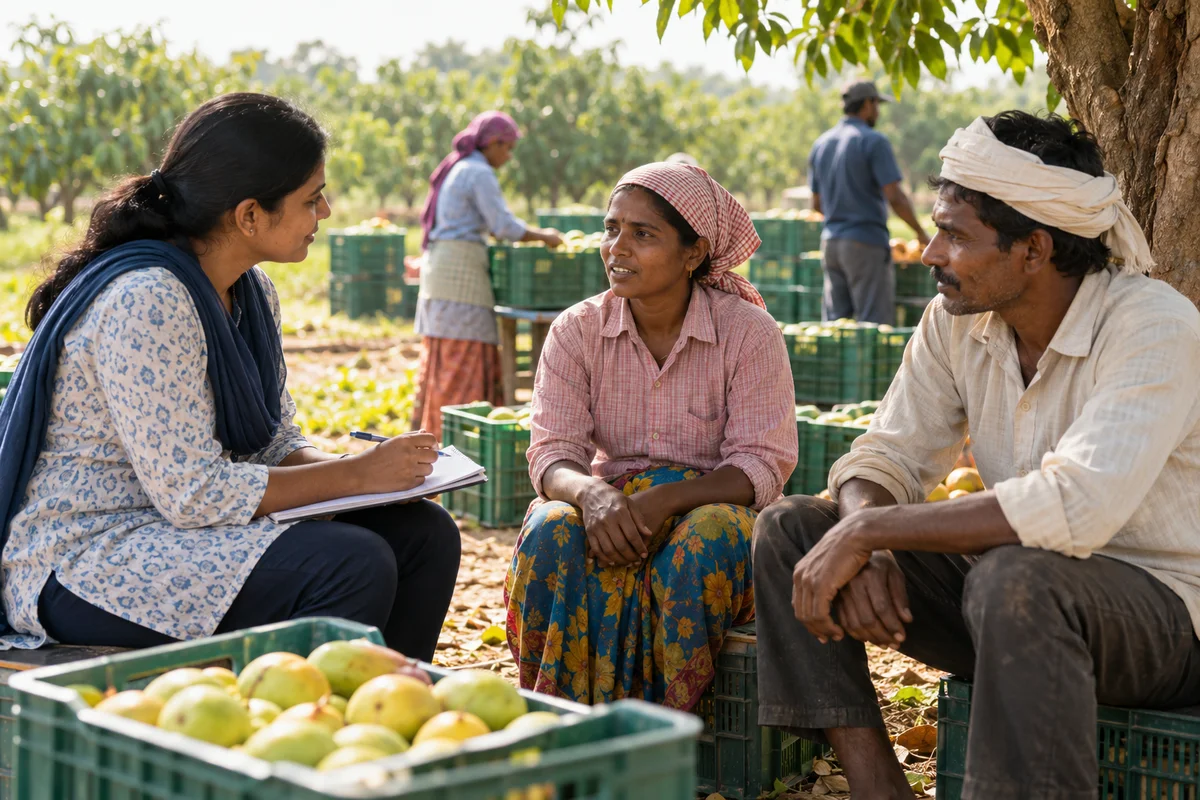
Seasonal crews, field officers and processing staff leave for different reasons. How to ask what shaped their decision and act before next season.
7 min readRead article
Payroll says one joining date, the personal file says another and the manager remembers a third. How to establish a single trustworthy employee record and keep it that way.
7 min readRead article
What really keeps mobile app and web developers in a small firm: stay conversations, growth paths, fair release rules and a risk sheet an owner can use this month.
6 min readRead article
A founder's guide to building job grades, titles and billing levels for a growing IT services firm, with a step-by-step method and a grade description outline.
6 min readRead articleMore on the GullyHR blog.
It depends on herd size, milking method and shed layout, so no fixed ratio is safe. Count the tasks per round and the hours each takes, then add cover for weekly offs and leave.
Either can work if it is clear and paid on time. Monthly pay settles people, while daily pay suits casual work. Whatever you choose, write it down and keep the date predictable.
Pay fairly against local farms, give them a title and clear authority over the herd, make sure of weekly rest and listen to what they need. Also record their herd knowledge so the farm is not at risk if they go.
Yes, in small doses. Even experienced hands may do milking hygiene or restraint differently. A short shared standard shown on the shed floor reduces mastitis risk and accidents. Confirm animal-health points with your vet.
A named farm manager with written authority over rounds, cash for daily needs and a way to reach the owner. Agree what decisions need a call and which do not.
We would ask who covers each round if the usual person is absent tomorrow, how advances are recorded and what your best herdsman knows that nobody else does. Clear role sheets and an advance register are a likely start, and scope is written for your approval.
All 6 business types in poultry, livestock and fisheries · Find another business type
See all HR topics for agriculture and agribusiness, or another industry.
Tell us your industry, team size and the issue you want to address. Bring one example of where work gets delayed or ownership is unclear, and the deadline or decision you are working towards.