HR for Herbal Product Manufacturers: Raw Herbs, Extraction and Seasonal Supply
Roots, leaves, barks and seeds arrive from growers and traders, then get cleaned, dried, ground and extracted into powders, tablets and syrups. Harvest-week floods, hand sorting and formulas known to one elder define the people work.
Make this work for your business. Share your team size, priorities and what you need help with. We’ll use your brief to prepare for the first conversation.
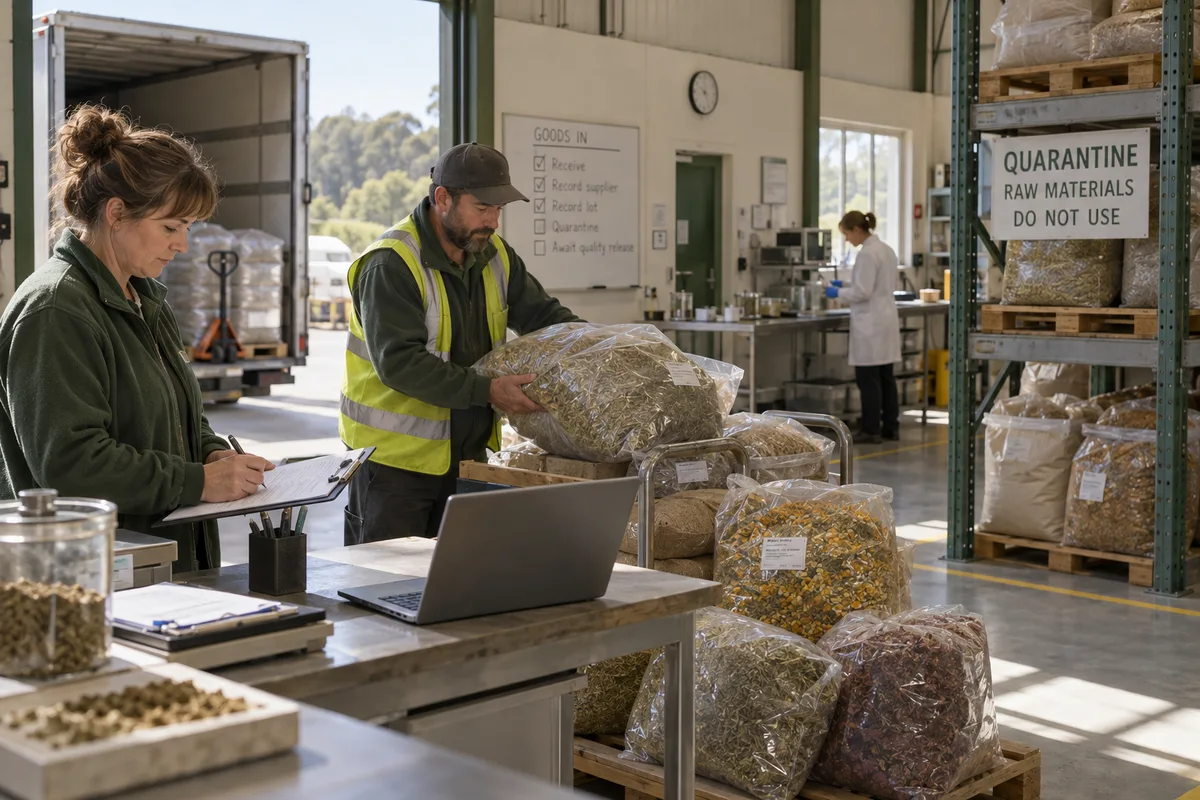
A herbal product maker buys roots, leaves, seeds and barks from growers and traders, then cleans, dries, grinds and extracts them into powders, tablets, capsules, oils, syrups or teas. Raw material varies with season and region, so receiving and sorting rely on hands and eyes at the sorting table. Drying floors, pulverisers and boiling vessels follow, and a lab checks identity and quality. Some formulas come from traditional texts or family practice, and a vaidya or senior formulator guides how each herb is treated. At harvest, stock arrives in a rush and must be weighed, cleaned and stored fast. Workers are mostly local, seasonal and taught on the job. See also HR for pharmaceuticals and life sciences.
Plan→
Hire→
Onboard→
Manage→
Develop→
Perform→
Engage→
Retain→
Exit→
Improve
When HR is weak in herbal product manufacturers, you may see
Harvest week swamps the receiving bay
One elder holds how each herb is treated
Sorting tables mean dust and tired eyes
Seasonal local hands return when they please
Buyer and lab clash over a lot
Plant staff see no ladder
These are the places the people side of this kind of business tends to give way. The rest of this page works through them.
Why GullyHR for herbal product manufacturers
Harvest-week rosters and elder knowledge written down.
For herbal makers receiving roots, leaves and barks from growers, then drying, grinding and extracting. GullyHR rosters the harvest peak, records how each herb is treated and gives sorters and local seasonal hands a place to return to.
01
Harvest peak rostered early
A harvest roster built before stock lands, naming who receives, weighs, cleans and stores each day. The receiving bay stops being swamped by a rush nobody planned.
02
The elder's methods on paper
The vaidya or senior formulator's treatment of each herb is written down with a named learner beside them. Knowledge held in one head becomes a shared record.
03
Care for sorting table workers
Seat rotation, dust cover and rest breaks agreed for sorters and pulveriser staff. Tired eyes and dust stop being accepted as part of the job.
04
A roll of returning seasonal hands
A list of past seasonal workers, with contact dates and a simple welcome-back routine. Local hands who come when they please can be asked early and fairly.
Our services for herbal product manufacturers
Start with any one of these. Scope and fee are agreed in writing after a free first conversation.
HR audit
The audit starts with last harvest: who received stock, how long the bay stayed full and which days ran short of hands. Absence among sorters in the weeks after the dustiest periods is read against the roster. We stand at the sorting table and ask how long each person has sat there without a change. Buyer and laboratory records for disputed lots show who decides and how long it takes. Finally we talk to the vaidya or senior formulator about what only they know. A ranked note follows.
What you receive
A ranked findings note on harvest staffing, sorting and knowledge risk
A map of herbs whose treatment depends on one person
A summary of disputed lots and how each was settled
An example, not a client storyTake a unit where two disputed lots in one season stalled the drying floor for days. The audit reads who rang whom, what the buyer saw and what the lab found. It shows there was no agreed person to rule, and proposes one, with a short written route for the next dispute.
Harvest receiving is drawn first: who weighs, who samples, where stock waits and who signs for it, with a plan for the rush days. Sorting table rotation follows, setting how long a person sits and how eyes and breathing are protected. The elder method record is written with the vaidya or senior formulator, herb by herb, in the words they use. The disputed lot ruling names who decides between buyer and lab, and in what time. Each is tested through one harvest week and revised.
What you receive
A harvest receiving flow with roles, sign-offs and waiting areas
A sorting table rotation and break plan for each section
A herb treatment record template written with the senior formulator
An example, not a client storyPicture the first truck of a new harvest arriving while the bay is still half full from yesterday. With a written receiving flow, the stores clerk knows which stock to weigh first and where the next load waits. The sorters start on time, and the buyer sees a clear signed record for every lot.
In season we hold a weekly roster review across receiving, drying, grinding and boiling, adjusting before the next delivery wave. Seasonal workers are recorded as they arrive and leave, and we make contact with returning hands early. Sorters and pulveriser staff are checked on absence and complaints after dusty spells. We meet the learner and the senior formulator monthly to see how much has been recorded and tested. Supervisors are supported on small conflicts between buyer and lab. A note goes to the owner each month.
What you receive
A weekly harvest roster review with cover for each section
A returning seasonal worker roll with contact and welcome-back dates
A monthly note on the learner's progress with the formulator
An example, not a client storySay a week of heavy deliveries is forecast and two sorters are on leave. The weekly review spots the gap early and calls two returning seasonal hands from the roll. The supervisor gets a short briefing before the first truck, and the sorting table runs with a planned rotation instead of a scramble.
Raw herb buyers must read stock by eye and nose and deal fairly with growers, so we assess judgement with a sample exercise and a scenario about a poor lot. Laboratory staff are tested on identity and quality checks and on how they write findings. Production supervisors are asked how they would run a harvest rush and look after sorters. For the formulator learner we look for patience and curiosity, since they will sit beside the elder for a long time. All scores go on one sheet. We recruit permanent staff only, not seasonal labour.
What you receive
A buyer assessment with a sample lot and a grower scenario
A laboratory candidate exercise on identity checks and report writing
A learner profile and interview guide for the senior formulator's successor
An example, not a client storySuppose the unit needs a permanent raw herb buyer after the current one retires. Candidates are shown three samples and asked how they would judge them, then asked how they would handle a grower who disputes a rejection. The panel scores both answers on one sheet, and the retiring buyer gives a view on the practical part.
Production supervisors practise running a harvest week: allocating people, handling a rush and noticing tired workers. Sorters and pulveriser staff learn how to sit, rest the eyes and use dust cover, with a supervisor checking habits at the table. Boiler and extraction operators are trained on written steps for each herb. Stores clerks and buyers practise recording a lot so that the lab can follow it. The learner trains in how to write down what the elder says, and the elder in how to teach it. Each session ends with one habit.
What you receive
A harvest week session for production supervisors and stores clerks
A sorting table posture and dust habit session at the table
A knowledge capture workshop for the learner and the senior formulator
An example, not a client storyTake a sorter who has sat at the same table for years and has started to miss small stones in the lot. A short session at the table shows how to rotate gaze and rest the eyes, and the supervisor sets a simple change of seat. The lab sees fewer returns, and the sorter feels the unit has noticed.
The handbook for a herbal unit carries a harvest overtime and rest rule, a dust and eye care rule for the sorting and grinding sections and a clear route for a disputed lot. A seasonal engagement note explains what returning hands can expect. Employment points, including how seasonal work is structured, are marked for the owner's own adviser to confirm. In the software we keep the seasonal roll, training notes, grade history and the formulator record index. Supervisors update it at the end of each harvest week.
What you receive
A handbook with harvest overtime, dust care and lot dispute rules
A seasonal worker roll and return history in HR software
An index of herb treatment records and the person holding each
An example, not a client storyPicture a seasonal worker who asks whether he will be called again next year. The handbook sets out how returning hands are contacted, and the roll shows his dates and his section. The supervisor answers from a record, and the worker leaves knowing the unit values his return and when to expect the call.
Questions owners of herbal product manufacturers ask us
We cannot predict the weather, but we can plan for a range. We build a harvest roster with a base crew and a call list of returning seasonal hands, and we agree who weighs, samples and signs for each load. Your own adviser confirms how seasonal engagement and overtime are handled where you operate. We write down what was agreed.
With care and patience. We sit with the vaidya or senior formulator, herb by herb, and write the treatment in his own words, then place a named learner beside him to test the record. We respect what should stay confidential. Pay and recognition for the elder are your decision, and your adviser confirms agreements. We write down what was agreed.
We agree seat rotation, rest breaks, dust cover and eye care with the supervisor, then check absence in the weeks after the dustiest periods. We write the routine into the handbook and watch whether it is kept. Medical or safety standards are confirmed by your own adviser and occupational health provider, not by us. We write down what was agreed.
It is a people and process problem. We write a disputed lot route that names who decides between buyer and lab, in what time and with which records, then brief both sides. We do not decide the quality question itself. You or your quality head set the standard, and your adviser confirms any contract effect on growers.
Roles we help you hire in herbal product manufacturers
GullyHR runs talent acquisition for permanent roles in herbal product manufacturers. For each role we agree the job description with you, find and screen candidates against it, and support the offer through to joining. Tell us the role and the number of people, and we start there.
We recruit permanent employees. We do not supply contract or temporary staff.
Where HR strains in herbal product manufacturers
Harvest week swamps the receiving bay
A few weeks bring all the year's stock. Temporary hands sort by eye with a thin briefing, and mixed grades slip through.
One elder holds how each herb is treated
The senior formulator knows the soaking, drying and boiling for every herb. Nothing is written, and nobody is lined up to take over.
Sorting tables mean dust and tired eyes
Hours bent over a table or turning herbs on a drying floor bring eye strain and coughs, and workers drift to lighter jobs.
Seasonal local hands return when they please
Staff leave for sowing, harvest at home or festivals and come back late or not at all, so the skill is lost each year.
Buyer and lab clash over a lot
The buyer wants to close a purchase while the lab calls it off grade. Nobody has been told who has the final word.
Plant staff see no ladder
Operators are paid by task or day, and a good sorter has no sign of where that skill could lead.
HR topics for herbal product manufacturers
Start with the topics that matter most here: Recruitment and Talent Acquisition; Career and Succession Management; Health, Safety and Wellbeing. Then work through the rest. Each topic is written for pharmaceuticals and life sciences, not in general.
The pieces a herbal product manufacturers business puts in place, in an order that makes each easier. Open any card for the detail.
Roster the harvest peak before stock lands
A seasonal plan for receiving, sorting and drying shifts, with a short briefing on day one.
What this coversHide
A seasonal plan for receiving, sorting and drying shifts, with a short briefing on day one. The recruitment process consulting work supports sourcing and screening.
Write down the elder's methods and name a learner
Sit with the senior formulator and record how each herb is soaked, dried and boiled, then pair a learner with them.
What this coversHide
Sit with the senior formulator and record how each herb is soaked, dried and boiled, then pair a learner with them. Use the succession planning approach.
Shield sorters from dust and strain
Masks, rotation between table and drying floor, rest breaks and good light.
What this coversHide
Masks, rotation between table and drying floor, rest breaks and good light. The health, safety and wellbeing work builds the routine.
Keep a roll of returning seasonal hands
A list of each seasonal worker with skills and a call-back date, held under the employee information management approach.
List which herbs depend on one person's knowledge of how they are treated.
Count how many of last year's seasonal workers came back this season.
Stand at the sorting table for a spell and ask how long each worker has sat there.
Ask the buyer and the lab who last settled a disputed lot.
Check absence among sorters in the weeks after the dustiest periods.
Confirm with a qualified professional the registration, record-keeping and employment duties that bind a herb processing and formulation unit like yours.
Confirm with a qualified professional. What applies to you depends on your business, your state and your arrangements, and it changes. This page describes practice. It does not state a legal position.
A shift, weekly and monthly safety routine for rubber plants that names who checks platen guards, mill trip bars, autoclave doors, burst-test cages and slings, and who acts on near misses.
Plan crews and roster before stock arrives, brief temporary hands on the first morning, and pair them with experienced sorters. Keep notes for next season.
Sit with the senior person, record each step and the reason for it, and name a learner. Do this early, not in their final month.
Keep a list, call them early, pay fairly and on time, and recognise those who return. Skill builds across seasons.
Give masks, light and rest, and rotate tasks between table and floor. Arrange health checks with a qualified doctor.
Agree the rule among buyer, lab and plant head before the season starts, and keep a record of every decision.
We would list herbs that hinge on one person, count seasonal returnees, and watch the sorting table with you. A harvest crew plan and a written record of the formulator's methods suit a first job. Terms are set in writing after the first talk.
Tell us your industry, team size and the issue you want to address. Bring one example of where work gets delayed or ownership is unclear, and the deadline or decision you are working towards.