Industrial Machinery and Equipment · Food Processing Machinery Makers
HR for Food Processing Machinery Makers: Stainless Steel, Hygienic Welds and Site Installation
Mixers, kettles, fryers, dryers and conveyors for food plants are built in stainless, where a pitted weld or a rough corner is a hygiene fault. The scarce people are welders and polishers with a clean hand.
Make this work for your business. Share your team size, priorities and what you need help with. We’ll use your brief to prepare for the first conversation.
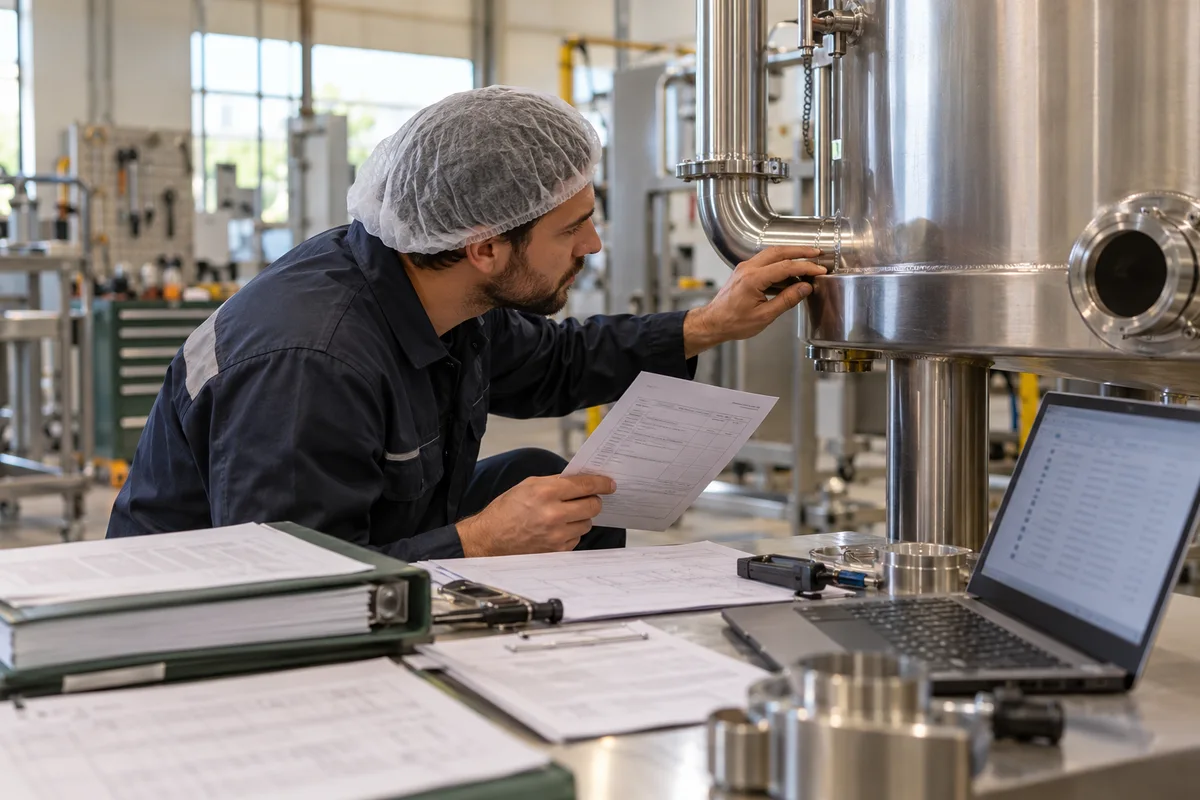
A food processing machinery maker builds kettles, ribbon mixers, dryers, belt conveyors and slicers for bakeries, dairies, snack lines and canteen kitchens. The shop shears and rolls stainless sheet, welds the seams, and polishes them smooth so no residue can lodge. Motors, gearboxes and panels are fitted, the unit is run with water or product, and then an installation crew takes it into the customer's plant. A grainy weld or a dull crevice shows at once, and the buyer reads it as poor design. Welders and polishers are paid for hand skill, and installers must follow each food plant's entry and hygiene rules. See also HR for manufacturing.
Plan→
Hire→
Onboard→
Manage→
Develop→
Perform→
Engage→
Retain→
Exit→
Improve
When HR is weak in food processing machinery makers, you may see
A clean seam on thin stainless takes years
Buffing is dusty, loud work that few stay in
Installers enter plants with strict hygiene rules
The customer rewrites the machine mid-build
One welder's raise becomes everyone's demand
Food customers order in waves
These are the places the people side of this kind of business tends to give way. The rest of this page works through them.
Why GullyHR for food processing machinery makers
Clean seams, steady welders and crews that respect food plants.
For makers of stainless kettles, mixers, dryers and conveyors for food plants. GullyHR grades welders and polishers on a trial piece and prepares installation crews for each customer's hygiene rules.
01
Welder grades on a stainless trial
A trial piece on thin stainless, marked against a clean seam standard. Welders see what the next grade needs, and one welder's raise stops becoming everyone's demand.
02
Buffing as a recognised grade
Polishing and buffing get their own grade, rota and dust and noise breaks. The finisher who gives the seam its smooth surface is named in the shop and paid for that skill.
03
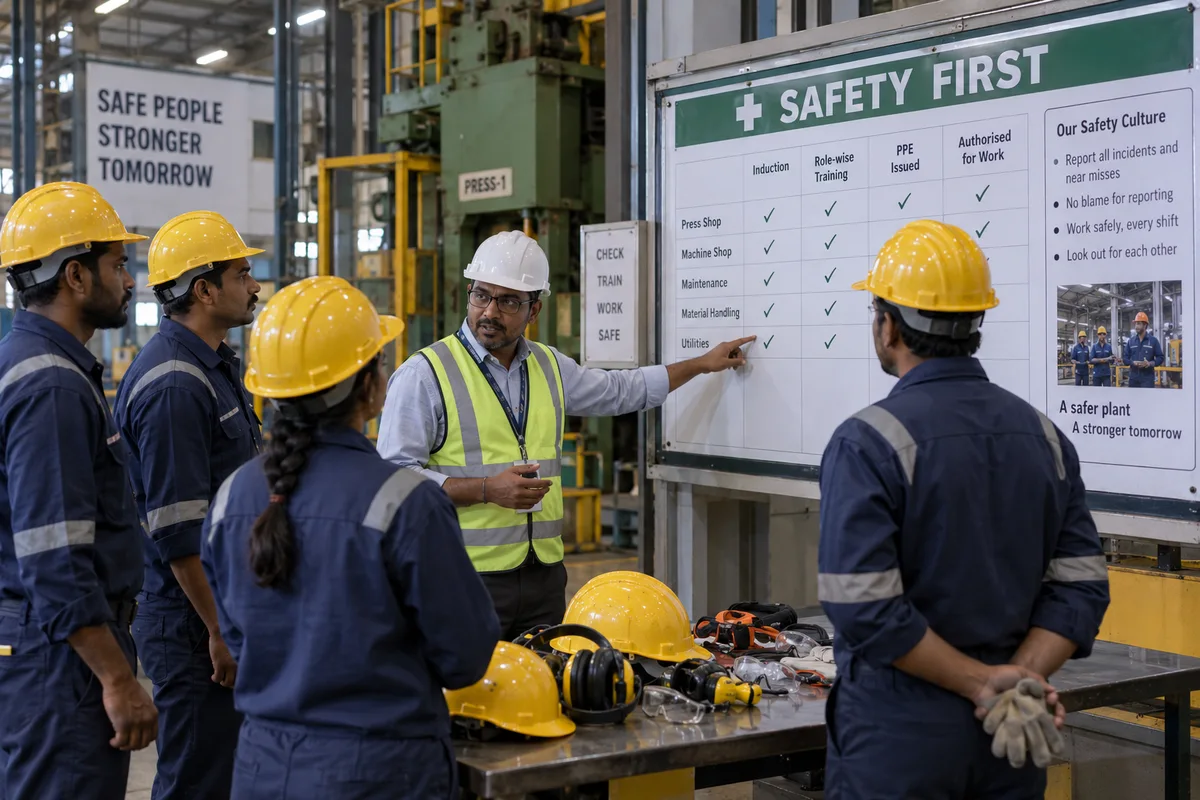
Briefings before each plant visit
A short briefing for the installation crew on the customer's entry and hygiene rules, clothing and conduct. Crews arrive knowing what the food plant expects and what to leave at the gate.
04
A drawing freeze before the shear
A rule that no stainless sheet is loaded on the shear until the drawing is frozen and signed. Customers who change a design mid-build see a dated change record, and the shop stops cutting twice.
Our services for food processing machinery makers
Start with any one of these. Scope and fee are agreed in writing after a free first conversation.
HR audit
The audit starts with last month's re-polished and re-welded pieces, and whose work they were. We read welder and polisher pay against the skills actually used, and look at how frequently a customer changed a drawing after the sheet was cut. We open the installation crew's records of plant visits, including who knew each plant's entry rules. We then talk with welders, polishers, installers and the foreman separately, and ask each which customers cause the heaviest trouble. Customer complaints about finish are read against the same records.
What you receive
A rework map showing which pieces were redone and by whom
A pay and grade comparison for welders, polishers and fitters
A note on drawing changes by customer and their cost to the shop
An example, not a client storySuppose a dairy customer sends back a kettle because a seam is dull and a corner hides residue. The audit would read who welded and who buffed it, what the drawing said at the time and whether the polisher was overloaded. The owner then sees whether it was skill, workload or a late change.
We begin with the drawing freeze, because a change after cutting wastes sheet and hands. Next the welding trial, graded against a seam standard the welders helped to write. Then the hand-off from welding to polishing, where defects are marked before buffing starts. The water trial or product run follows, with a written sign-off, and finally the installation briefing. Each routine is tried on a live order and kept to a page so a busy shop will actually use it. The foreman and a senior welder sign off each routine.
What you receive
A drawing freeze routine with a named signer and change record
A welder trial standard and marking sheet for thin stainless
A weld-to-polish hand-off tag recording defects before buffing
An example, not a client storyPicture a welder who finishes a ribbon mixer and passes it to the polisher with no note. The polisher spends a morning grinding a pit that should have been marked. A hand-off tag naming each defect would let him decide whether to repair it or send it back before he starts.
Week to week we keep a chart of the order waves from food customers and match crews to them. We check who is on the weld bay, the buffing line and installation, and arrange cover before a wave arrives. We follow the rework count by welder and polisher without turning it into blame, and sit with the foreman to talk about it. We also watch that installation briefings happen before each plant visit, and record who attended. Any gap in cover is flagged to the owner in a short weekly note.
What you receive
An order wave chart with matching crew cover for each bay
A monthly rework report by section for the foreman and owner
An installation briefing log showing who attended before each visit
An example, not a client storySay three bakeries order dryers in the same month and the buffing line is already full. A wave chart prepared early would show the squeeze, and the owner could rotate finishers, hire one or brief a second shift. The wave becomes a plan, not a panic. The owner decides early and the crews are told in good time.
Clean welders and finishers are slow to find, so we start from what the trial piece will show. We write the brief with the foreman, covering the thickness of sheet, the seam standard and the dust and noise of the buffing line, so candidates know what they join. Welders are tested on the same stainless piece and marked on one sheet. Installers are met by a panel that includes a crew lead. Offers are for permanent roles, and we do not supply contract staff. Interview questions are fixed in advance.
What you receive
A role brief for welders and polishers describing work and conditions
A trial piece and marking sheet used for every welder candidate
A selection scorecard for installers with a crew lead on the panel
An example, not a client storySuppose the only welder who lays a clean seam on thin sheet gives notice. If a search has been running, trial-tested candidates are on a shortlist. The foreman marks each on the same piece, and the owner chooses from marks, not from who spoke best at interview. Nobody is picked on charm alone.
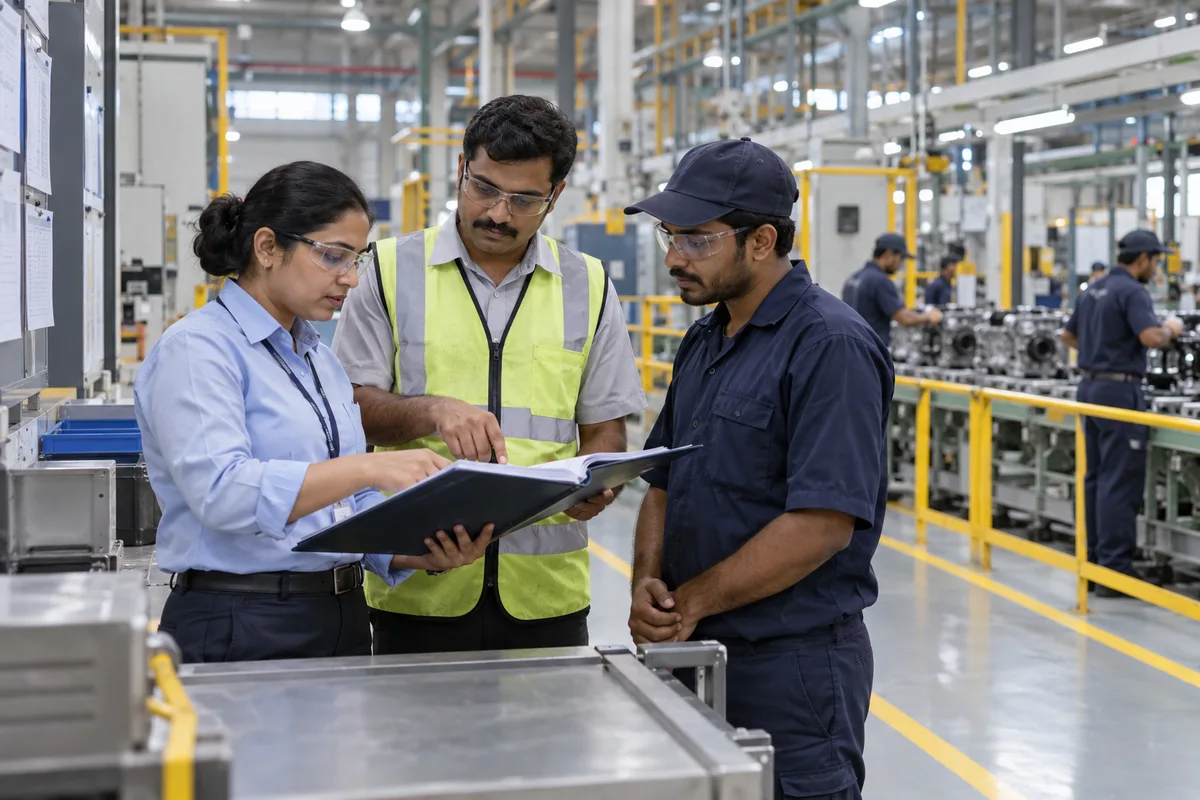
Hand skill is rewarded in this shop, but leading others is not taught. We run sessions for the foreman and welding leads on giving feedback on a grainy seam without humiliating a welder. Installation leaders learn to run a pre-visit briefing and to behave inside a food plant. Polishers have a session on pacing, dust and noise breaks with their own supervisors. We also hold a short session for everyone on how a drawing change travels, and who must be told. Repeat sessions are held as new welders join the shop.
What you receive
A feedback session for the foreman and welding leads on seam quality
An installation leader session on briefing crews and plant conduct
A pacing and breaks session for polishers and their supervisors
An example, not a client storyPicture a welding lead who sees a grainy seam and says nothing, because the welder's raise is a sore subject. A short session would give the lead a plain way to name the fault, point to the trial standard and agree a fix, without anyone feeling shamed. The lead then names the next step before the welder asks.
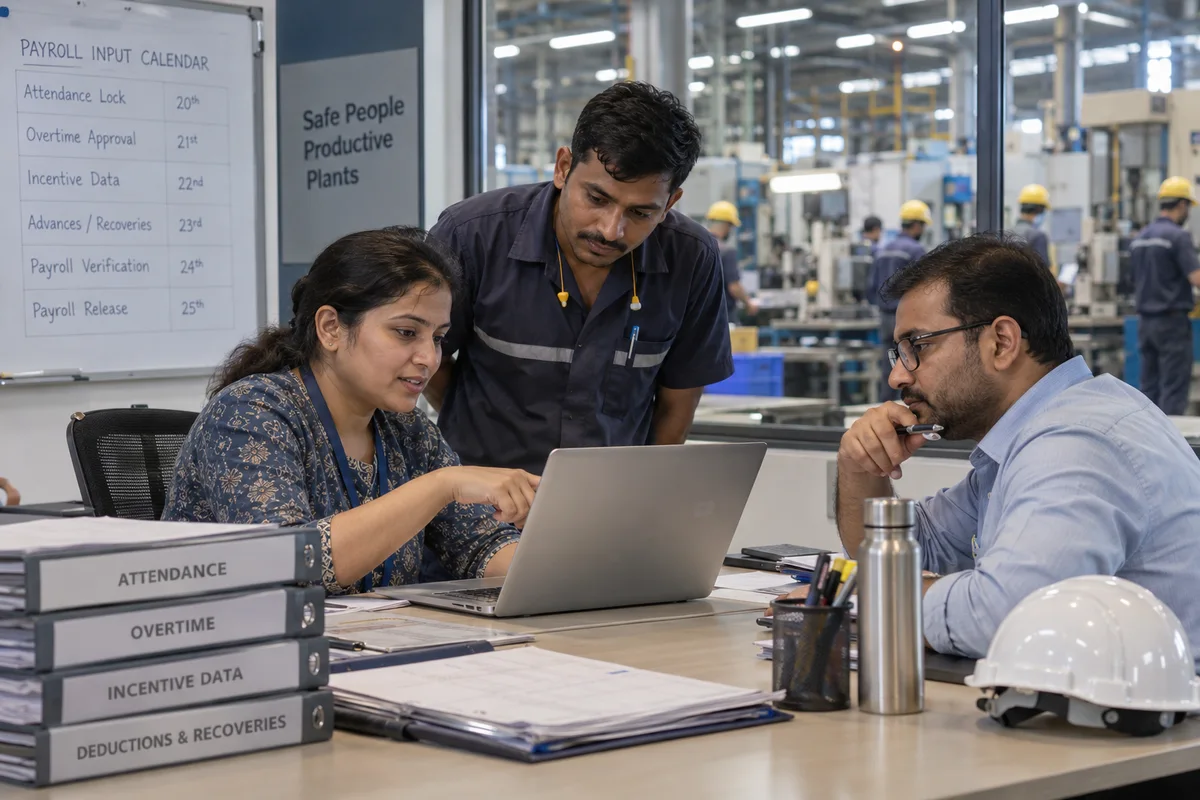
A stainless shop needs the grade ladder for welders and polishers written in plain steps, so a raise for one is not a demand from all. We write the installation conduct policy and the hygiene rules crews follow in customers' plants, the dust, noise and break rules for buffing, and the leave and attendance rules. An HR system holds trial results, grades and visit briefings. Your own adviser confirms registration and record duties before issue. We read each document aloud with two welders before it is issued, so the wording is plain to the people who use it.
What you receive
A welder and polisher grade ladder with plain entry criteria
An installation conduct policy and plant hygiene rules for crews
An HR system holding trial results, grades and briefing records
An example, not a client storySay a welder asks for a raise because another one got it last month. With a written ladder the foreman can point to the trial grade and what the next step needs. The conversation becomes about skills, and the adviser has confirmed the pay terms. The foreman is not left to invent a rule on the spot.
Questions owners of food processing machinery makers ask us
We grade welders on a stainless trial piece and show what each grade needs, so skill has a visible path. We also search ahead of need and test candidates on the same piece. We cannot promise anyone stays, but a written ladder gives welders a reason to. Pay terms are for your adviser. Pay and grade terms are for you and your adviser.
We make it a recognised grade with its own rota, dust and noise breaks and recognition in the shop, and we train supervisors to pace the work. The work stays dusty and loud, so the aim is respect and rest, not pretence. Health and safety duties are confirmed by your own adviser. Each welder knows the standard before the trial starts.
A briefing covering the plant's entry rules, clothing, hygiene, conduct and who to report to, written for each customer and logged before every visit. Crews then arrive prepared and customers see consistency. Anything contractual or regulatory about plant access is confirmed by your own adviser, not by us. Each visit is recorded. The owner keeps the final decision.
A drawing freeze rule: no stainless sheet is loaded on the shear until the drawing is signed and dated, and later changes go through a short change record with a visible cost. We draft it with your foreman and sales lead. Any contract wording on changes is checked by your adviser. The customer sees who agreed what.
Who does the work in food processing machinery makers
Roles we help you hire in food processing machinery makers
GullyHR runs talent acquisition for permanent roles in food processing machinery makers. For each role we agree the job description with you, find and screen candidates against it, and support the offer through to joining. Tell us the role and the number of people, and we start there.
We recruit permanent employees. We do not supply contract or temporary staff.
Where HR strains in food processing machinery makers
A clean seam on thin stainless takes years
Few welders can lay a smooth, pinhole-free bead on thin sheet without warping it. Poor work has to be ground out and cannot be hidden.
Buffing is dusty, loud work that few stay in
Polishers breathe fine metal dust and stand in noise all day. Good ones drift to jobs with easier conditions.
Installers enter plants with strict hygiene rules
A dairy or snack plant will have its own dress, entry and tool rules. One careless act can stop a visit and embarrass the owner.
The customer rewrites the machine mid-build
A different hopper height or outlet is asked for half way. The floor works from several drawing versions and the foreman holds the job in their head.
One welder's raise becomes everyone's demand
Pay is settled person by person. A raise given to keep one TIG welder soon sets the expectation for the whole bay.
Food customers order in waves
Festival and harvest seasons bring a rush of orders. The shop then swings between night overtime and idle hands.
HR topics for food processing machinery makers
Start with the topics that matter most here: Compensation, Payroll and Benefits; Health, Safety and Wellbeing; Retention and Attrition Management. Then work through the rest. Each topic is written for manufacturing, not in general.
List your welders and mark who can lay a hygienic seam on thin sheet without regrinding.
Count last month's re-polished and re-welded pieces and note whose work they were.
Ask your foreman which two customers change a drawing most.
Check how many installers know the entry rules of the food plants they visit.
Confirm with a qualified professional the registration, record-keeping and employment obligations that apply to your food machinery workshop.
Confirm with a qualified professional. What applies to you depends on your business, your state and your arrangements, and it changes. This page describes practice. It does not state a legal position.
Why the best operator can struggle as shift supervisor, what it costs the line, and a practical way to choose, prepare and back new supervisors in any kind of plant.
Simple variable pay structures for product and engineering teams: four options, why individual metrics backfire, a build plan and a one page outline to adapt.
A shift, weekly and monthly safety routine for rubber plants that names who checks platen guards, mill trip bars, autoclave doors, burst-test cages and slings, and who acts on near misses.
What really keeps mobile app and web developers in a small firm: stay conversations, growth paths, fair release rules and a risk sheet an owner can use this month.
Set a trial on thin stainless and have the foreman and inspector grade the bead and the finish. Use the same piece for every candidate so the results compare.
Dust, noise and tired arms for modest pay. A skilled grade, proper masks and breaks help, and people stay where the work is respected.
Note when customers order most, plan extra welders ahead and keep a list of trusted outside hands. Check any outside arrangement with a qualified professional.
It can work if rework is deducted fairly and every seam is checked. Without a check, speed wins and the beads get rougher.
Give a written brief on dress, hygiene and conduct. Send a new installer out with an experienced one first, and ask the customer for feedback after each visit.
We would sort welders by skill, count recent re-welds and re-polishing, and ask how installers are briefed for food plants. A fitting opening job is a stainless trial and grading scale with a seam check. After a first talk, we write down the scope and agree it.
Tell us your industry, team size and the issue you want to address. Bring one example of where work gets delayed or ownership is unclear, and the deadline or decision you are working towards.