Furniture and Wood Products · School Furniture Makers
HR for School Furniture Makers: Desks, Benches and the Admission Season Rush
A school furniture maker builds desks, benches, chairs and lab tables in bulk for managements that order before the academic year. The challenge is a seasonal rush of repeat work resting on welders, carpenters and casual hands.
Make this work for your business. Share your team size, priorities and what you need help with. We’ll use your brief to prepare for the first conversation.
A school furniture maker produces student desks, benches, teacher tables, chairs, lab stools and library racks, mostly from steel tube, plywood or solid wood. Production is repeat batch work: cut and bend tube, weld frames, powder coat, fit tops and pack. Orders come from school managements, trusts and government supply tenders, and nearly all must be delivered before the new academic year. That makes a few months frantic and the rest quiet. The steps need modest skill, but weld quality and finish decide whether a bench lasts, and delivery to a number of schools needs loading crews. Payments from institutions can be slow, which delays wage rises. See also HR for manufacturing.
Plan→
Hire→
Onboard→
Manage→
Develop→
Perform→
Engage→
Retain→
Exit→
Improve
When HR is weak in school furniture makers, you may see
Two seasons: a flood and a trickle
Peak hands join late and leave early
A weak weld surfaces in a classroom
Pay per frame hides rough work
One truck, several schools in a day
Late cheques from institutions freeze pay decisions
These are the places the people side of this kind of business tends to give way. The rest of this page works through them.
Why GullyHR for school furniture makers
A peak season crew you can call back, and welds that last.
For school furniture makers who build desks and benches before the academic year opens. GullyHR sets up season head counts, a call-back list of good peak hands and checks on weld and finish.
01
A season plan built on head count
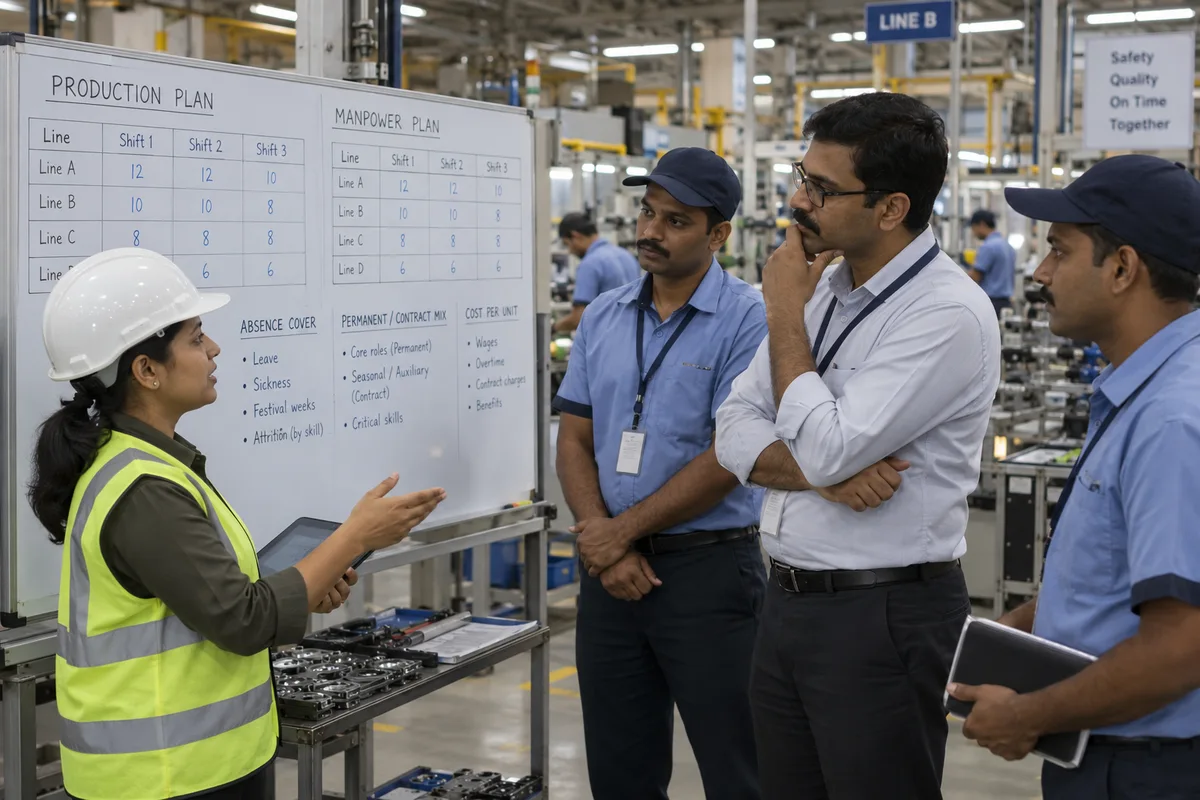
A plan for the busy months sets the number of welders, carpenters and loaders each batch needs and when they must start, so peak hands are not hired in panic once tenders land.
02
A call-back list of peak workers
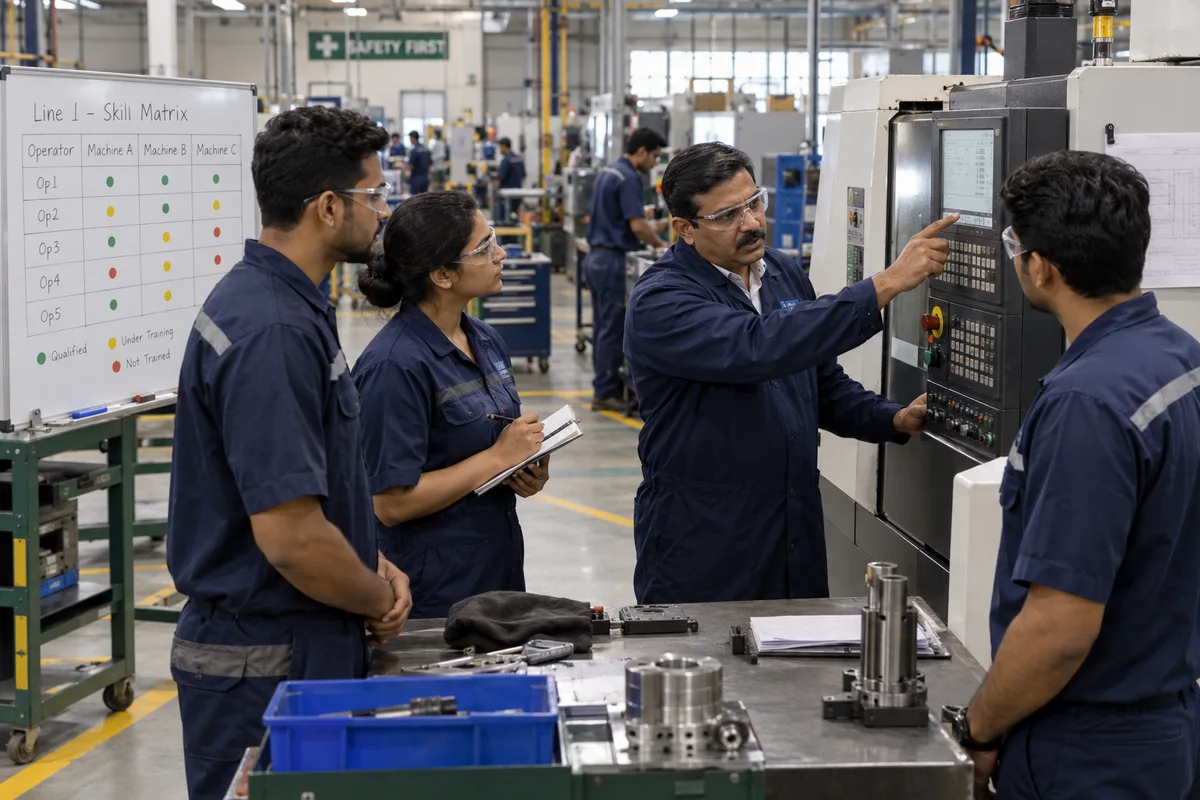
Last year's reliable peak workers are recorded with their skill and attendance, so the first calls go to people who already know the frame and bench routines.
03
Welder stamps and a finish check
Each welder stamps their frames, and a finish and stability check sits inside the frame rate, so a weak joint is traced and rough work stops being paid at full rate.
04
Signed lists for delivery crews
Drivers and unloading helpers carry a signed list for each school drop, so a short or damaged delivery is traced to a crew before the school's complaint reaches the owner.
Our services for school furniture makers
Start with any one of these. Scope and fee are agreed in writing after a free first conversation.
HR audit
The audit begins with a month-by-month head count for the last year, so the gap between the busiest month and the quietest is visible in people, not guesses. We read the frame and desk top rate sheets against the rejection and rework records for tube cutting, welding and powder coating. Delivery complaints are traced to the loading crew and driver. We also ask the senior welder how a weak joint is caught before coating, and who in the yard could take over if the carpenter foreman left suddenly.
What you receive
A month-by-month head count showing the gap between peak and quiet seasons
A rate and rework comparison for frame welders, carpenters and powder coat crew
A delivery complaint trace linking each school drop to its loading crew and driver
An example, not a client storySuppose a bench delivered to a school fails in the first term because a frame joint was weak, and the owner cannot say which welder made it. An audit would read the rate sheets and batch records, show where stamping and finish checks were missing, and list what to set up before the next tender season.
The season plan is written first: the number of hands each stage needs, in what order they join, and who briefs them on the first morning. The weld and finish check follows, set out as a bench step between welding and powder coating with a named checker and a stamp on each frame. Delivery lists are described next, covering the truck loading order, the school count and the signed receipt. Quiet-month steps come last, covering leave, maintenance work and how good peak hands are told when to return.
What you receive
A season plan listing hands needed per stage and the first-morning briefing
A weld and finish check sheet with the stamp rule and checker named
A signed delivery list format for loading crews, drivers and unloading helpers
An example, not a client storyPicture a truck that leaves with desks for three schools in one day, and one school receives the wrong lab stools. A signed delivery list, with each drop counted at loading and again at unloading, would show where the mix-up started and spare the owner a long phone call with the trust.
During the rush, each week the head count is compared with the season plan and gaps are raised with the yard supervisors before a batch slips. Frame rates, rejects and stamps are reviewed so rough work is spotted early. Peak hands are inducted and their attendance is recorded daily. Delivery lists are checked against complaints. When tenders slow and cheques from institutions arrive late, we help the owner explain pay timing to the crew in plain words, and in the quiet months we review who should be called back next year.
What you receive
A weekly head count and batch review shared with the yard supervisors
A daily attendance and induction record for peak workers on the floor
A quiet-month review naming the peak hands to call back next season
An example, not a client storySay an institution's payment is delayed by weeks and the welders ask whether the next pay will come on time. With weekly management in place, the owner has a clear plain-language note ready for the crew, the supervisors know what to say, and the call-back list stays warm instead of being lost.
The permanent core matters more in a business that swells and shrinks: a lead welder, a powder coat supervisor, a finish and stability checker and a dispatch clerk who can run a school-by-school load list. We write each role around the batch work it covers, then test welders on a real frame joint and checkers on spotting a weak weld and a wobbly desk top. Every candidate is scored by two reviewers on one sheet. Peak hands are not recruited as permanent staff, but a clear call-back list is built from last year's best.
What you receive
A role scorecard for lead welders, checkers, yard foremen and dispatch clerks
A frame joint weld test brief with a pass and fail guide
A call-back list format recording skill, attendance and willingness to return
An example, not a client storyTake a yard where the only welder who can pass every frame check is about to retire, and the owner has no second candidate in view. We would write the lead welder role, test candidates on a bench frame joint, score them on one sheet and set up a handover so the new hire learns the retiring welder's checks.
Welders and powder coat crew work through short sessions on joint quality, finish standard and how to read a rework tag without taking offence. Yard supervisors learn to run a first-morning briefing for peak hands, so a new carpenter or tube bender understands the batch, the check points and the safety rules in a short time. Loading crews and drivers practise the signed list routine on a real truck. Supervisors also rehearse how to talk to the crew when an institution's cheque is late, without making promises the owner cannot keep.
What you receive
A short welder and checker session on joint quality and finish standards
A first-morning briefing script and practice for yard supervisors
A loading crew and driver drill on signed delivery lists using a real truck
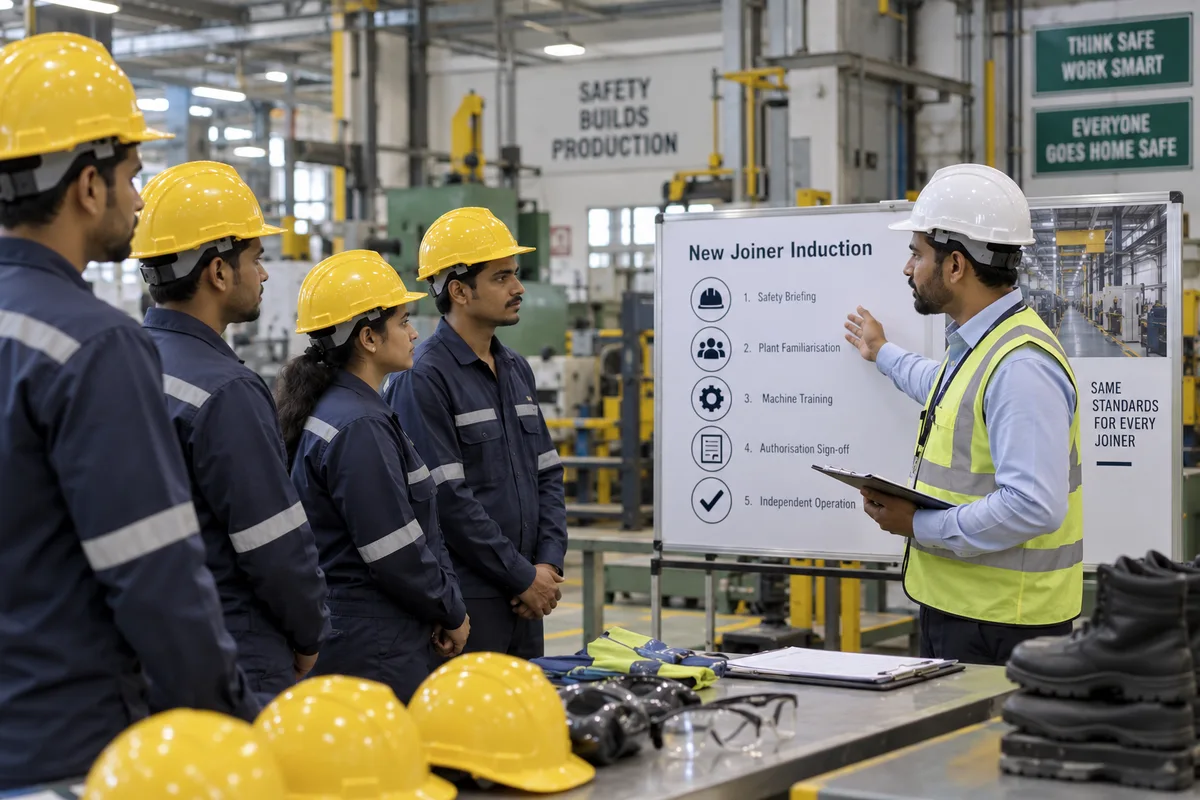
An example, not a client storySuppose a supervisor has twenty new peak hands arriving on Monday and has never briefed more than five people at once. A short training session gives that supervisor a briefing sheet, a buddy plan for new carpenters and a safety walk, so the first day settles into work rather than confusion.
The handbook explains seasonal engagement in plain language, covering how peak hands are called, how long they are expected and what happens when the season ends. Frame rate rules set out how rejected or reworked frames are treated. Delivery duty, loading safety and driver conduct are written for the truck crews. The weld and paint areas get their own protective kit and incident sections. In the HR system we record peak hands, call-back status, attendance and training, with the owner's adviser confirming the seasonal hiring wording.
What you receive
A handbook section on seasonal engagement, call-back and end-of-season steps
A frame rate and finish rule explaining how rejected frames are handled
An HR system set up with peak worker records, call-back status and attendance
An example, not a client storyPicture a welder who worked the last two peak seasons and asks whether he will be called back and on what terms. With a call-back list and a written seasonal engagement section, the supervisor answers clearly, the HR record shows his past attendance, and the owner's adviser has confirmed the wording of the terms.
Questions owners of school furniture makers ask us
We would start with a head count by month for the last year and build a season plan showing hands needed for each stage. A call-back list of last year's reliable peak workers is kept and used first. How seasonal hands are engaged is a legal point, so your own adviser confirms the terms before anything is written.
We would write a weld and finish check as a step between welding and powder coating, with a named checker and a stamp on each welder's frames. Training would cover what a weak joint looks like and how rework is tagged. The frame rate would count only frames that pass, so rough work stops being paid in full.
We would set up a signed delivery list for each school drop, counted at loading and again at unloading, with the driver and helpers named. Loading crews and drivers practise the routine in a short session. When a school complains, the owner can see which crew handled which drop and fix the habit, not the mood.
We would help you prepare a plain note and a supervisor script that explains pay timing honestly without promising dates you cannot hold. Supervisors rehearse the conversation in training. We would also set up a record of what the crew was told and when. Your own adviser confirms any wage or notice point before it is shared.
Who does the work in school furniture makers
Tube cutting and bending operators
Frame welders
Powder coating and paint crew
Carpenters and desk top fitters
Finish and stability checkers
Packing and truck loading crew
Delivery drivers and unloading helpers
Store and dispatch clerks
Roles we help you hire in school furniture makers
GullyHR runs talent acquisition for permanent roles in school furniture makers. For each role we agree the job description with you, find and screen candidates against it, and support the offer through to joining. Tell us the role and the number of people, and we start there.
We recruit permanent employees. We do not supply contract or temporary staff.
Where HR strains in school furniture makers
Two seasons: a flood and a trickle
Most orders land just before term opens, so the plant is stretched for a few months and half empty for the rest.
Peak hands join late and leave early
Casual workers arrive for the rush, learn part of the job and are gone before they are useful.
A weak weld surfaces in a classroom
A bad joint on a bench is found only when it reaches the school, and nobody knows who welded it.
Pay per frame hides rough work
Paying by the frame rewards pace, and burrs, wobbly legs and sharp edges are the first things to slip.
One truck, several schools in a day
Crews load, deliver and place furniture at several sites, and breakages or short counts cannot be traced to anyone.
Late cheques from institutions freeze pay decisions
When school or tender money arrives late, rises and bonuses wait and good people look elsewhere.
HR topics for school furniture makers
Start with the topics that matter most here: HR Strategy and Workforce Planning; Recruitment and Talent Acquisition; Performance Management. Then work through the rest. Each topic is written for manufacturing, not in general.
The pieces a school furniture makers business puts in place, in an order that makes each easier. Open any card for the detail.
Plan the season by head count
A month-by-month sheet of expected orders and how many welders, painters and packers each needs.
What this coversHide
A month-by-month sheet of expected orders and how many welders, painters and packers each needs. See HR strategy and workforce planning.
Call last year's good peak workers first
Keep a list of people who worked well in earlier seasons, with their tasks, and brief them at the start.
What this coversHide
Keep a list of people who worked well in earlier seasons, with their tasks, and brief them at the start. The recruitment process consulting work builds such a bench.
Stamp each welder's frames
A tag or punch mark per welder and a sample check before coating, so quality traces to a person.
What this coversHide
A tag or punch mark per welder and a sample check before coating, so quality traces to a person.
Add a finish check to the frame rate
Pay only for frames that pass a short test for stability, burrs and edges.
A checklist at loading and again at each school, noting damage, so errors are plain to everyone.
What this coversHide
A checklist at loading and again at each school, noting damage, so errors are plain to everyone. The attendance, shift and leave process covers peak rosters.
Write down how many people worked in your busiest month and your quietest last year.
Ask your senior welder how a weak joint is caught before coating.
Count last season's peak workers you could call back today.
Read the last five delivery complaints and note who loaded and who delivered.
Check how frame rates were fixed and whether rejected frames are counted.
Confirm with a qualified professional the factory registration, record-keeping, seasonal hiring and employment duties that apply to your furniture works.
Confirm with a qualified professional. What applies to you depends on your business, your state and your arrangements, and it changes. This page describes practice. It does not state a legal position.
Why the best operator can struggle as shift supervisor, what it costs the line, and a practical way to choose, prepare and back new supervisors in any kind of plant.
How a D2C founder can decide which digital marketing work to hire for, which to buy from an agency, and which to split, with a worksheet and a five step plan.
Work out head count from the order book some months ahead, invite last year's good workers first and brief them on standards. Avoid bulk hiring in the final week.
Offer jig building, maintenance and new product trials off-season, and recognise welding skill with grade and pay so they do not drift to nearby units.
Give each welder a mark and check a sample before coating. Share results kindly and use them to coach, not only to punish.
Several school furniture makers do. Record who worked when, brief them on safety and finish, and confirm proper arrangements with a qualified professional.
Be honest about the pay cycle, keep wages on time even if bonuses wait, and write bonus rules down so people know what to expect.
A month-by-month head count against your order book, how many peak workers you could recall and how weld and finish defects are traced. A sound opening job is a seasonal workforce plan with a frame finish check.
Tell us your industry, team size and the issue you want to address. Bring one example of where work gets delayed or ownership is unclear, and the deadline or decision you are working towards.