


GullyHR

Forging and Metal Forming · Forged Automotive Parts Makers

HR for Forged Automotive Parts Makers: Crankshafts, Gears and Customer Audits

Crankshafts, connecting rods, gear blanks and hubs go out under regular call-offs, lot checks and customer audits. Steady forging crews and honest training records matter as much as the press and furnace.

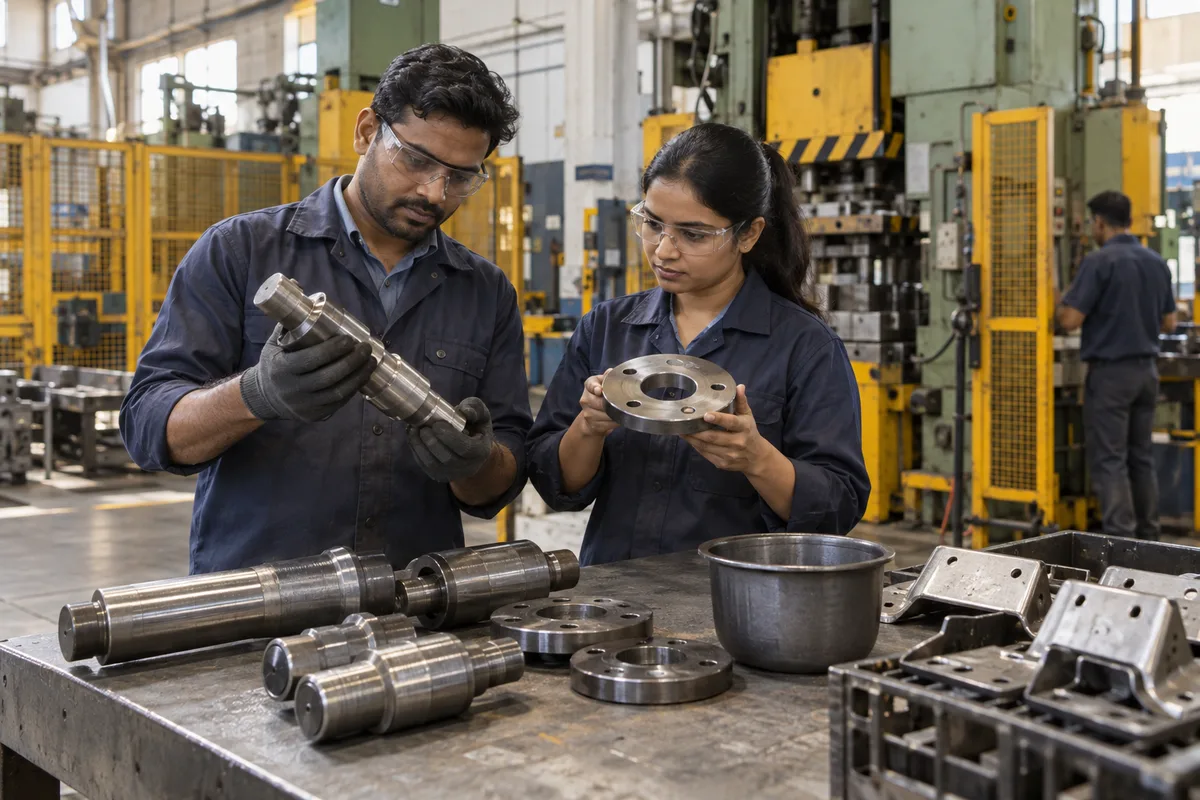
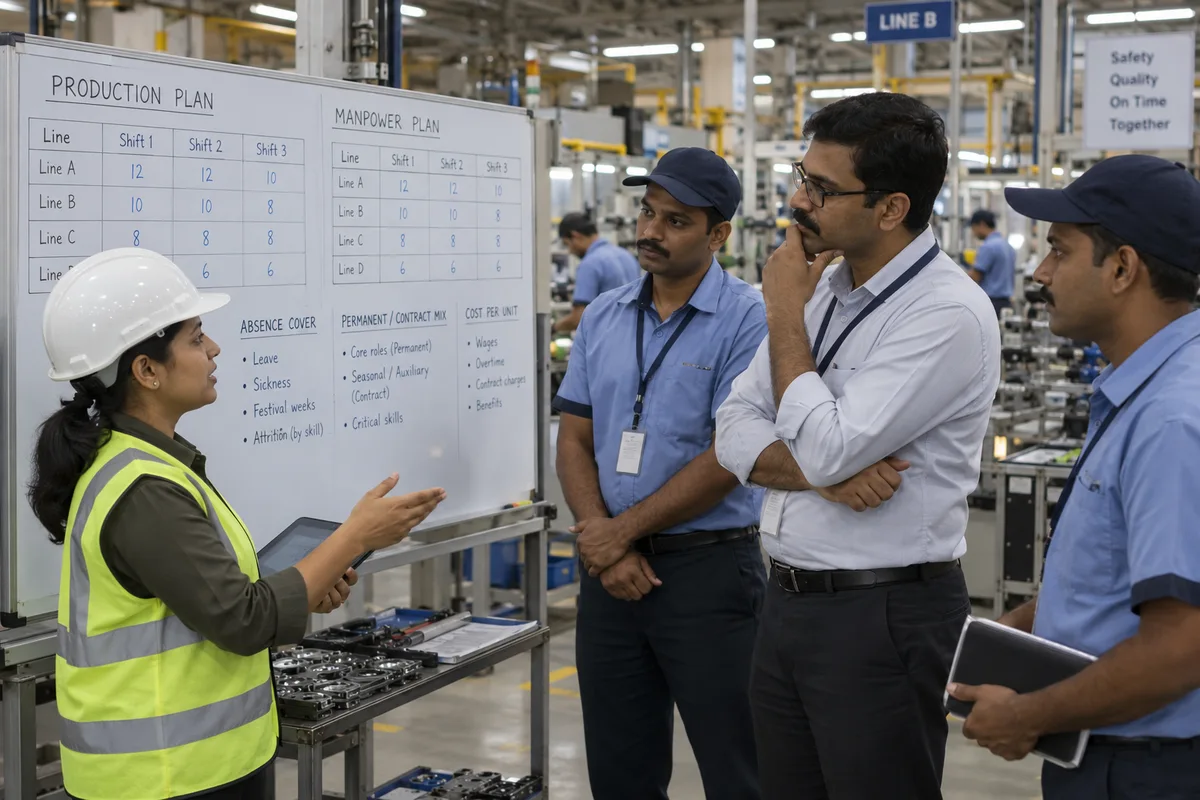
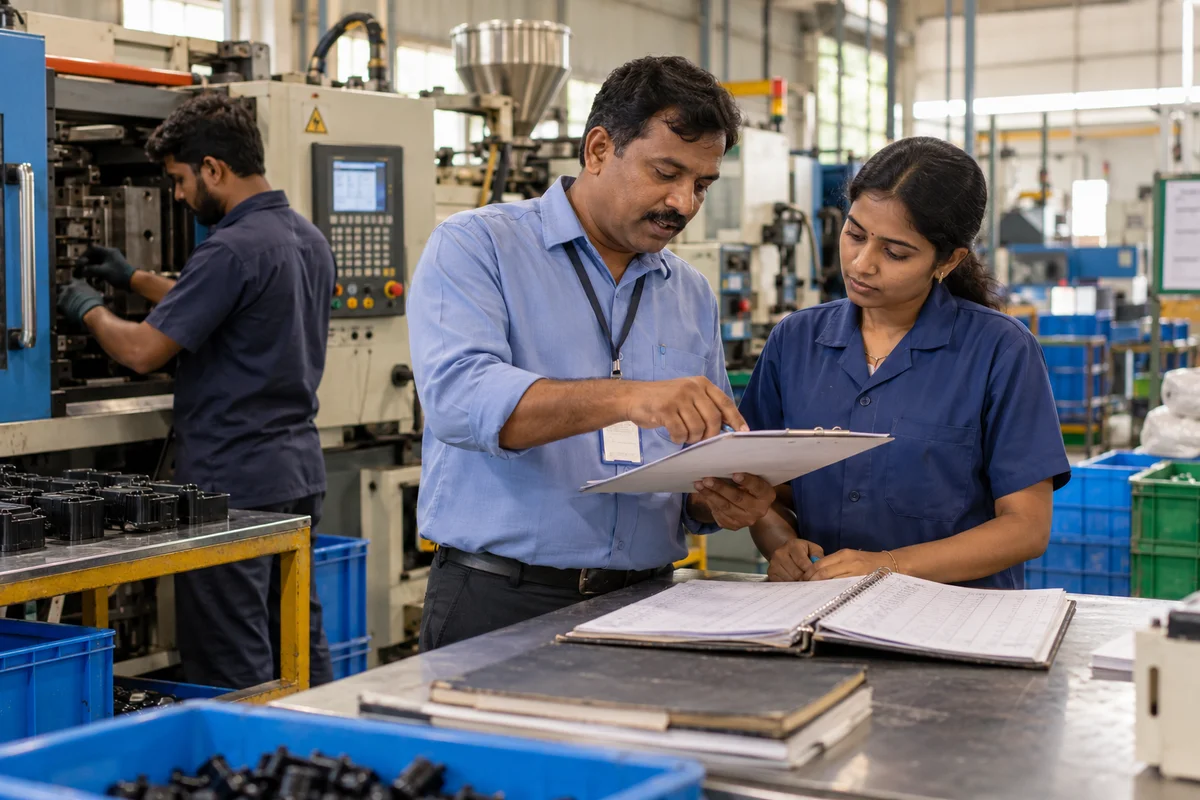
Workplace scene for Forging and Metal Forming: press crews, die handling, heat and impact, tooling knowledge

Not sure what you need? Tell us about your business in six short steps and we will come to the first meeting prepared.

Share your requirements

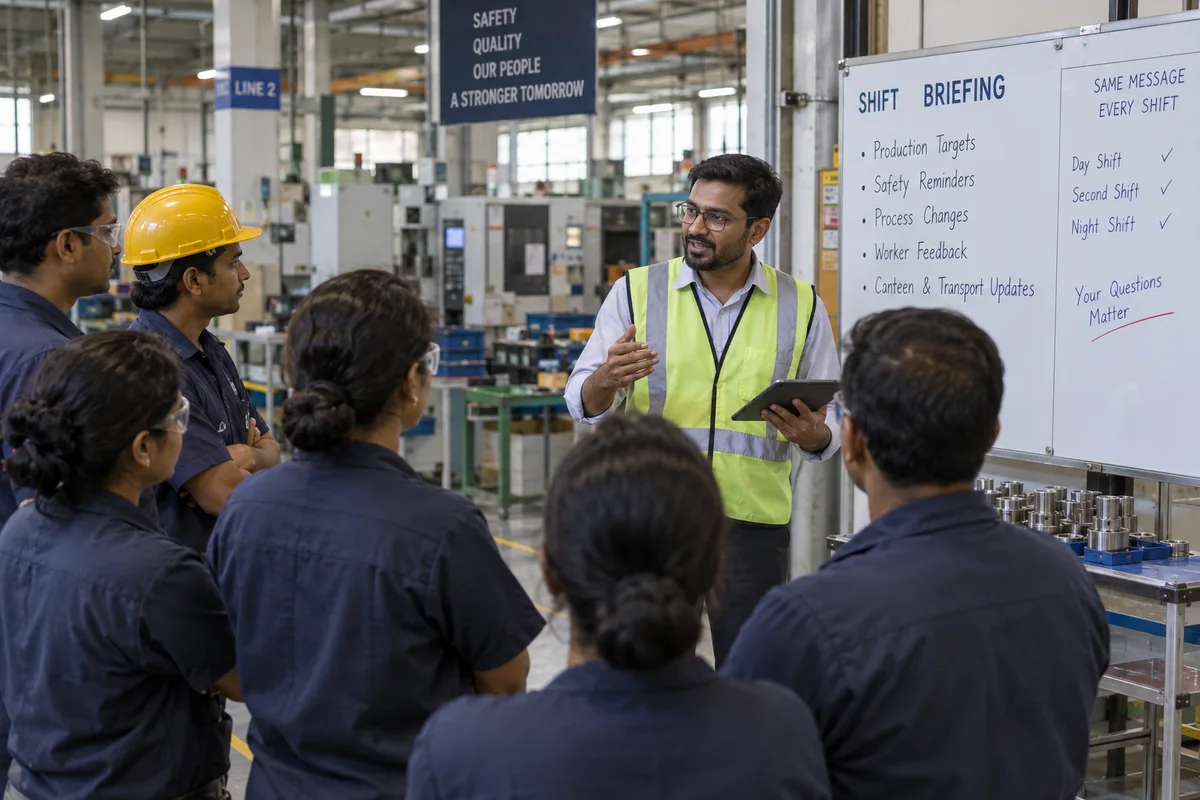
A forged automotive parts maker supplies engine, transmission and chassis parts such as crankshafts, connecting rods, gear blanks, hubs and yokes. The plant heats billets, forges, trims, heat treats, shot blasts, inspects and, in some plants, machines the parts. Supply runs under a programme, with call-offs from vehicle makers or tier-one buyers, lot-wise checks and visits from customer teams. A missed truck or a returned lot is taken seriously. The workforce spans forging crews, die fitters, heat treatment operators and inspectors, with overtime built around schedule changes. Auditors ask for training records and lists of trained people. See also HR for manufacturing.

  1. Plan
  2. Hire
  3. Onboard
  4. Manage
  5. Develop
  6. Perform
  7. Engage
  8. Retain
  9. Exit
  10. Improve

When HR is weak in forged automotive parts makers, you may see

  • Call-offs shift at short notice
  • Auditors find holes in training records
  • Casual hands fill peaks without induction
  • Inspectors are pushed to pass a borderline lot
  • The best forging crews get every extra shift
  • Quality liaison sits between plant and buyer

These are the places the people side of this kind of business tends to give way. The rest of this page works through them.

Who does the work in forged automotive parts makers

HR here has to work for each of these groups, not only the office. The set-up below is written with all of them in mind.

  • Forging press crews and hammer operators
  • Billet furnace heaters
  • Die room fitters
  • Heat treatment operators
  • Inspectors and gauge room staff
  • Machining operators
  • Planning and dispatch staff
  • Quality and customer liaison staff

Roles we help you hire in forged automotive parts makers

GullyHR runs talent acquisition for permanent roles in forged automotive parts makers. For each role we agree the job description with you, find and screen candidates against it, and support the offer through to joining. Tell us the role and the number of people, and we start there.

We recruit permanent employees. We do not supply contract or temporary staff.

We set up the interview and hiring process for forged automotive parts makers

Every business interviews, but few have a written process that works the same way for every role and every interviewer. GullyHR designs yours, from the role brief to the offer, trains your managers to run it, and can run it for you on the roles you hand us.

  1. 1. Role brief and scorecard

    We agree what the role must deliver, the must-have and nice-to-have skills, and how each will be scored.

  2. 2. Stages and sequence

    Screening call, assessment, interview rounds and decision points, sized to the role and the number of people you hire.

  3. 3. Question bank and scoring

    Structured questions for each role family and a rating guide, so two interviewers judge the same answer the same way.

  4. 4. Interviewer readiness

    A short briefing for your managers on what to ask, what to avoid and how to give a clear yes or no.

  5. 5. Offer and follow-up

    Who approves, how the offer is made, and how candidates are kept informed from first call to joining.

Where HR strains in forged automotive parts makers

  • Call-offs shift at short notice

    A revised monthly plan lands mid-month and the plant scrambles with overtime, which tires crews and raises errors.

  • Auditors find holes in training records

    They ask who is trained to run a press or gauge a part, and the unit cannot produce a current, honest list.

  • Casual hands fill peaks without induction

    Short-term workers go onto the line quickly, and quality or safety suffers in their first weeks.

  • Inspectors are pushed to pass a borderline lot

    A truck is waiting, and the inspector is asked to release. The good ones leave if they are overruled.

  • The best forging crews get every extra shift

    Skilled press and furnace crews are asked for overtime the most, so they burn out and move on.

  • Quality liaison sits between plant and buyer

    The person handling complaints and corrective actions is blamed by both sides and is hard to replace.

HR topics for forged automotive parts makers

Start with the topics that matter most here: Onboarding and Probation; Employee Relations; Policies, Compliance and Governance. Then work through the rest. Each topic is written for manufacturing, not in general.

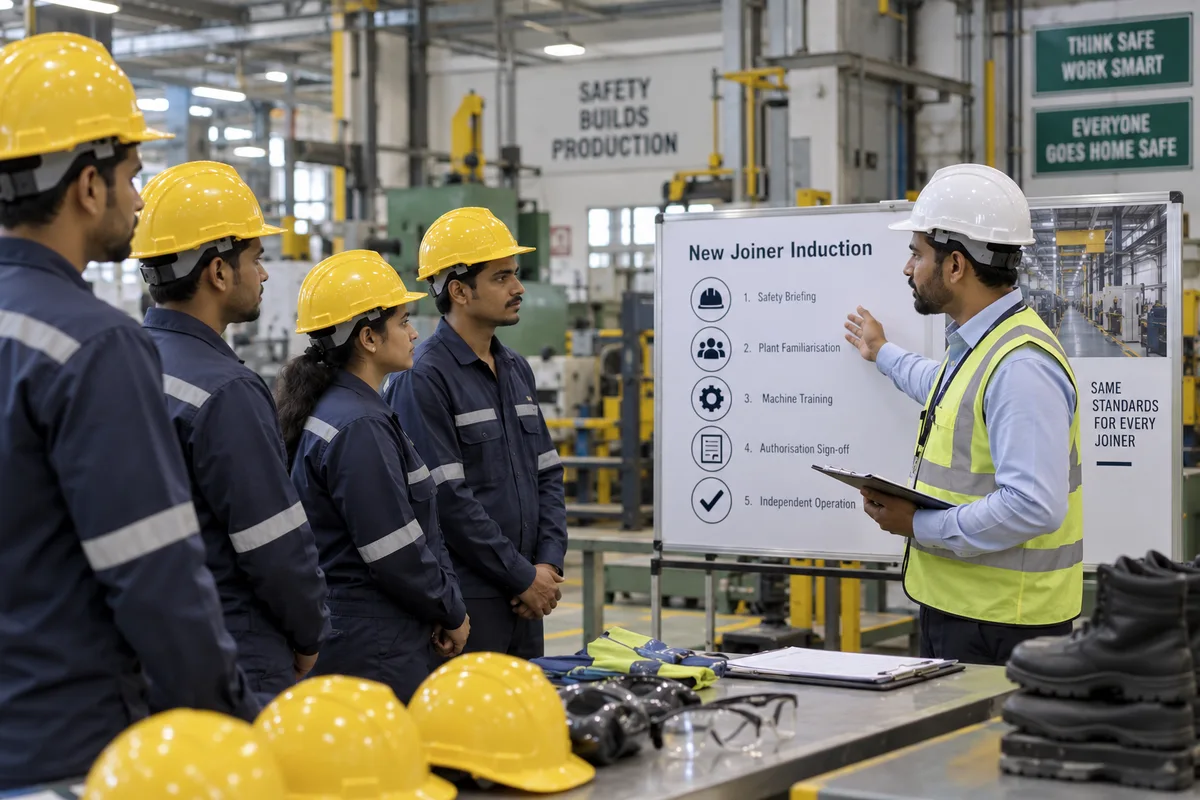
Onboarding and Probation

A first day that is the same for the fifth joiner as the first.

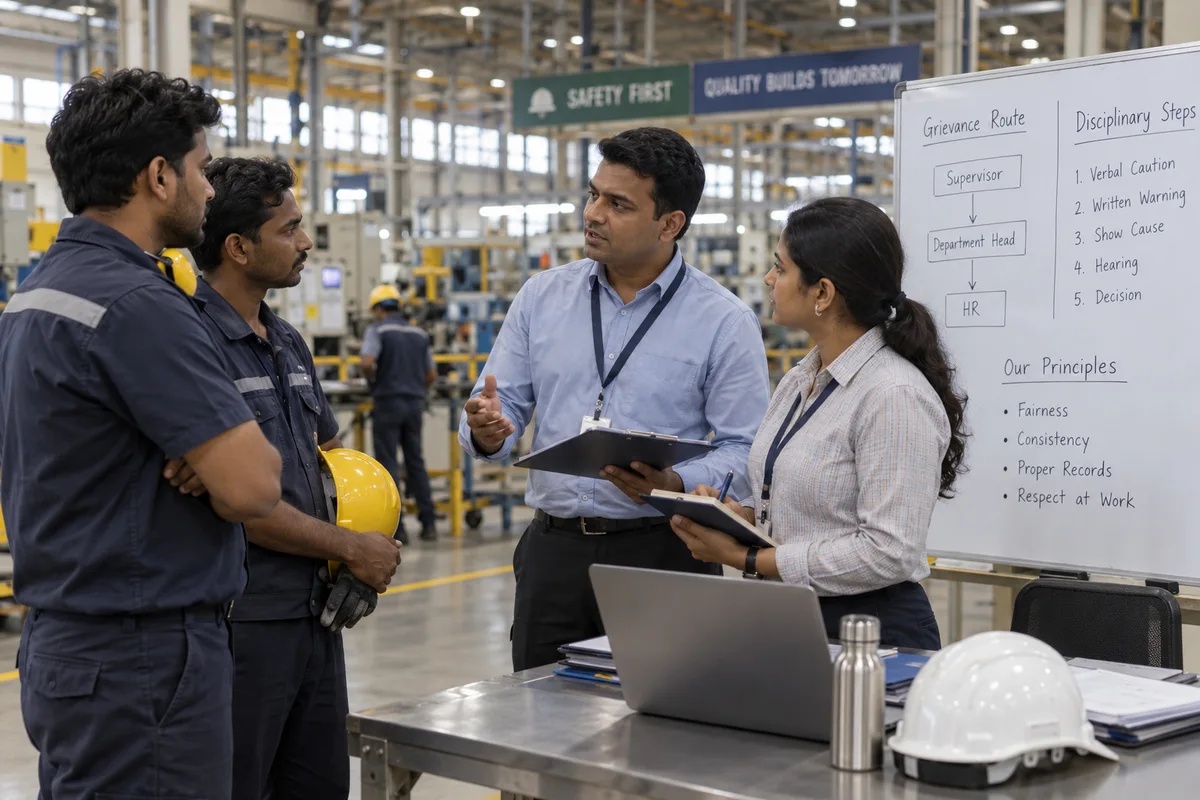
Employee Relations

Two routes, one for complaints, one for conduct, kept separate.

Policies, Compliance and Governance

Policies a manager can apply, and obligations with owners and dates.

HR Strategy and Workforce Planning

How many people, in which roles, by when, and what they will cost.

Organisation Design

Structure, reporting lines and who is allowed to decide what.

Recruitment and Talent Acquisition

Requisition to joining, the same way every time.

Employee Administration

Records, attendance, leave and the day-to-day HR that must simply work.

Compensation, Payroll and Benefits

Salary structure, payroll inputs and a month that closes on time.

Performance Management

Goals, reviews and ratings that hold up in a conversation.

Learning and Development

Training planned from need rather than from the calendar.

Career and Succession Management

Named backups for the roles that cannot be vacant.

Employee Engagement and Experience

Communication, recognition and the conditions people actually work in.

Health, Safety and Wellbeing

Induction, records, incident reporting and follow-through.

Retention and Attrition Management

Who leaves, when, why, and which of them mattered.

Exit and Alumni Management

Resignation to relieving letter, in a defined order.

HR Technology and Automation

Records that survive people, and approvals that do not queue.

HR Analytics and Management Reporting

A short monthly pack management actually reads.

HR Operations and Governance

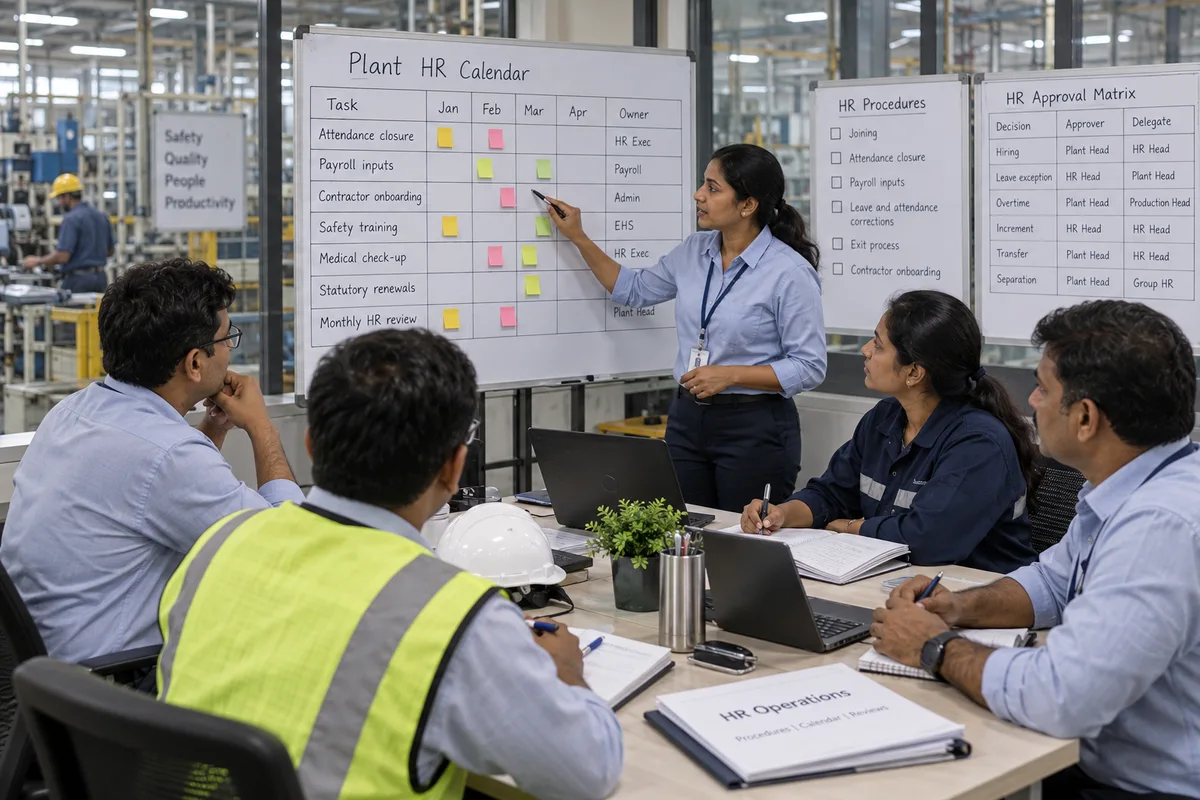
An HR function that runs the same way every month.

What a working HR set-up looks like

The pieces a forged automotive parts makers business puts in place, in an order that makes each easier. Open any card for the detail.

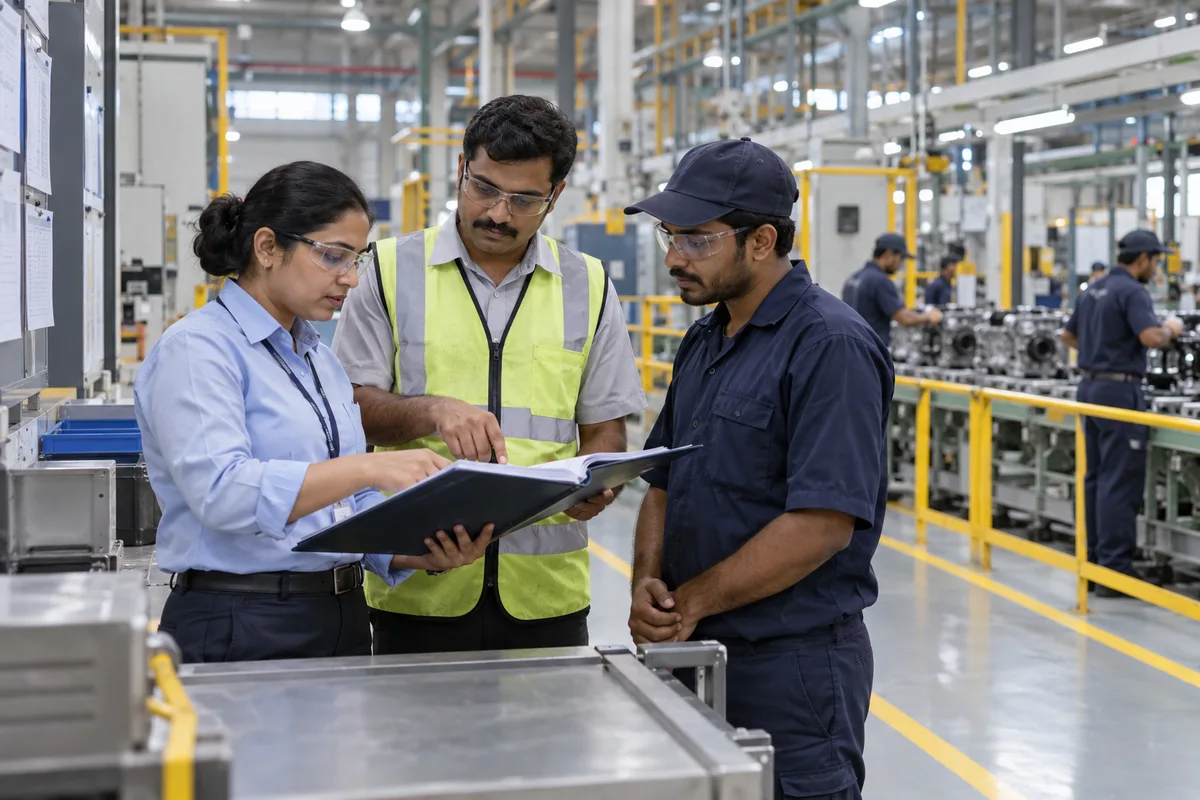
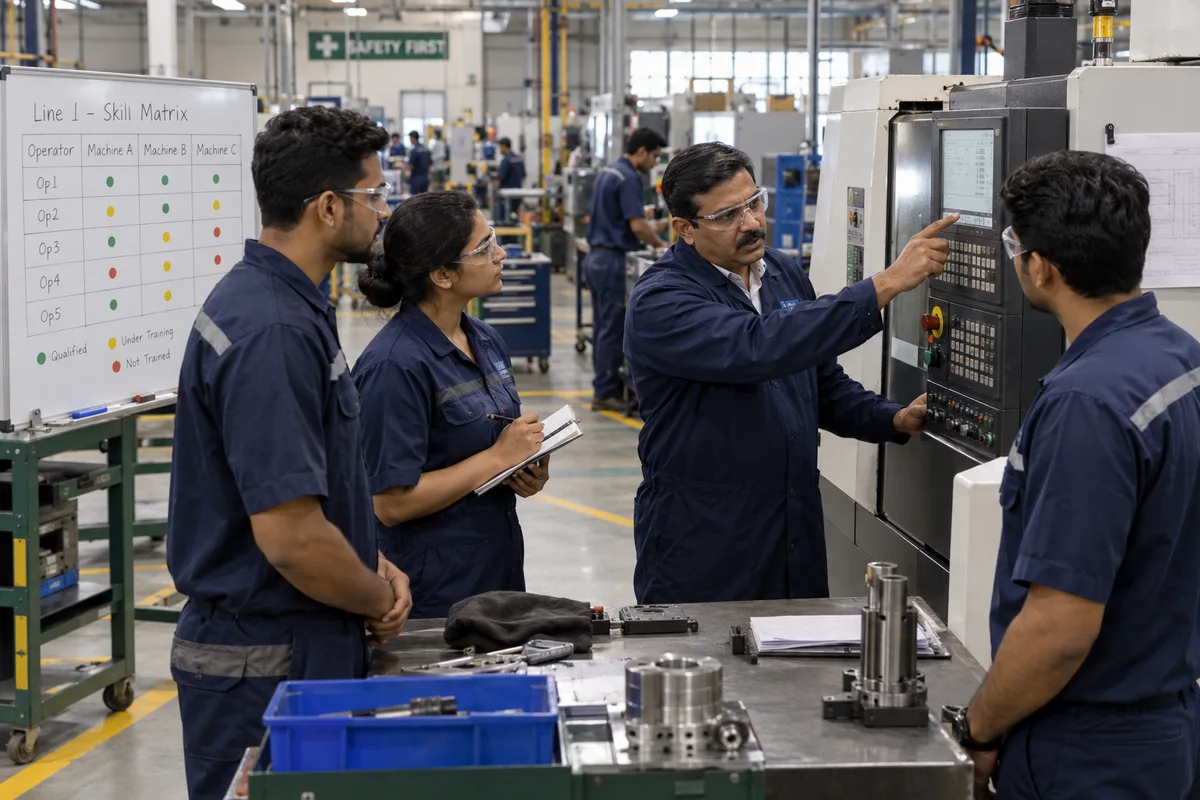
Keep a trained-person list per station

A matrix of station by person with date trained and level, kept current and signed.

What this covers

A matrix of station by person with date trained and level, kept current and signed. See competency and talent management.

Run a short induction for every new hand

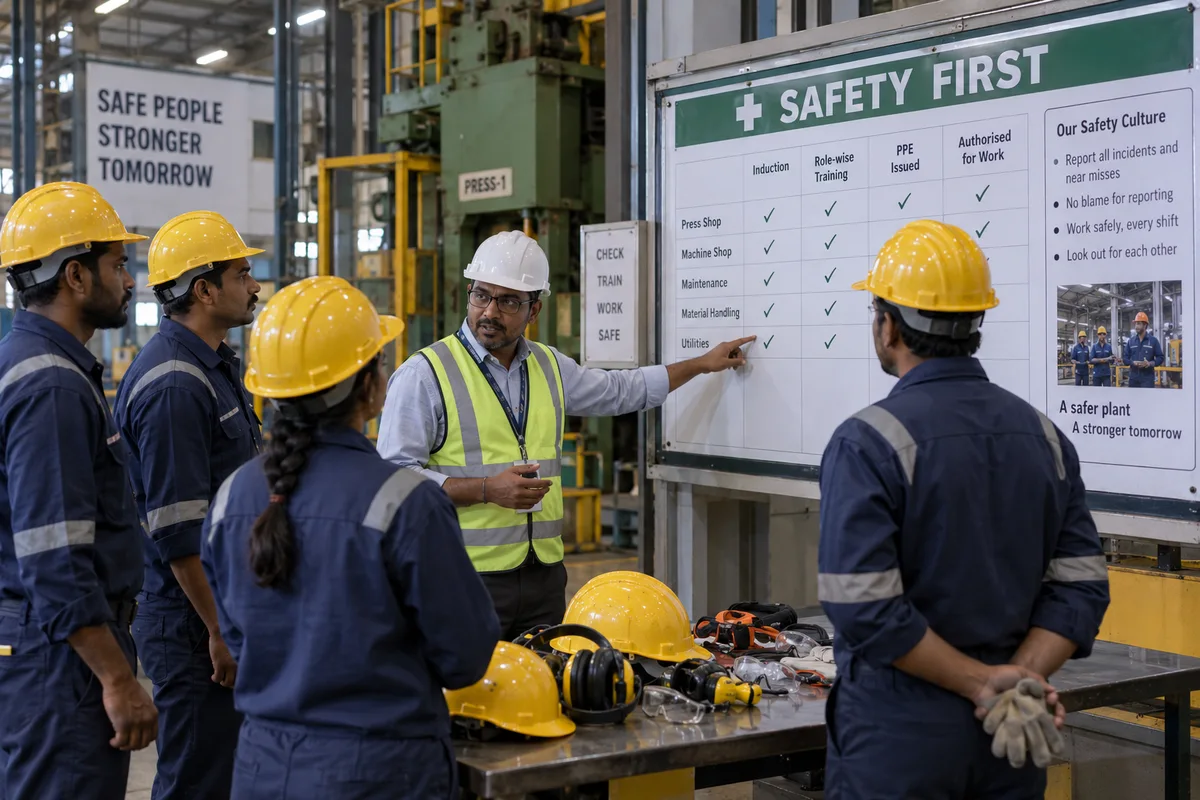
Two days on safety, the part and the lot-check rules before working alone, casual labour included.

What this covers

Two days on safety, the part and the lot-check rules before working alone, casual labour included. It aligns with employee onboarding.

Give inspectors a written release rule

State who may hold or release a lot and how a dispute is escalated, supported by role design.

What this covers

State who may hold or release a lot and how a dispute is escalated, supported by role design.

Spread extra shifts across skilled crews

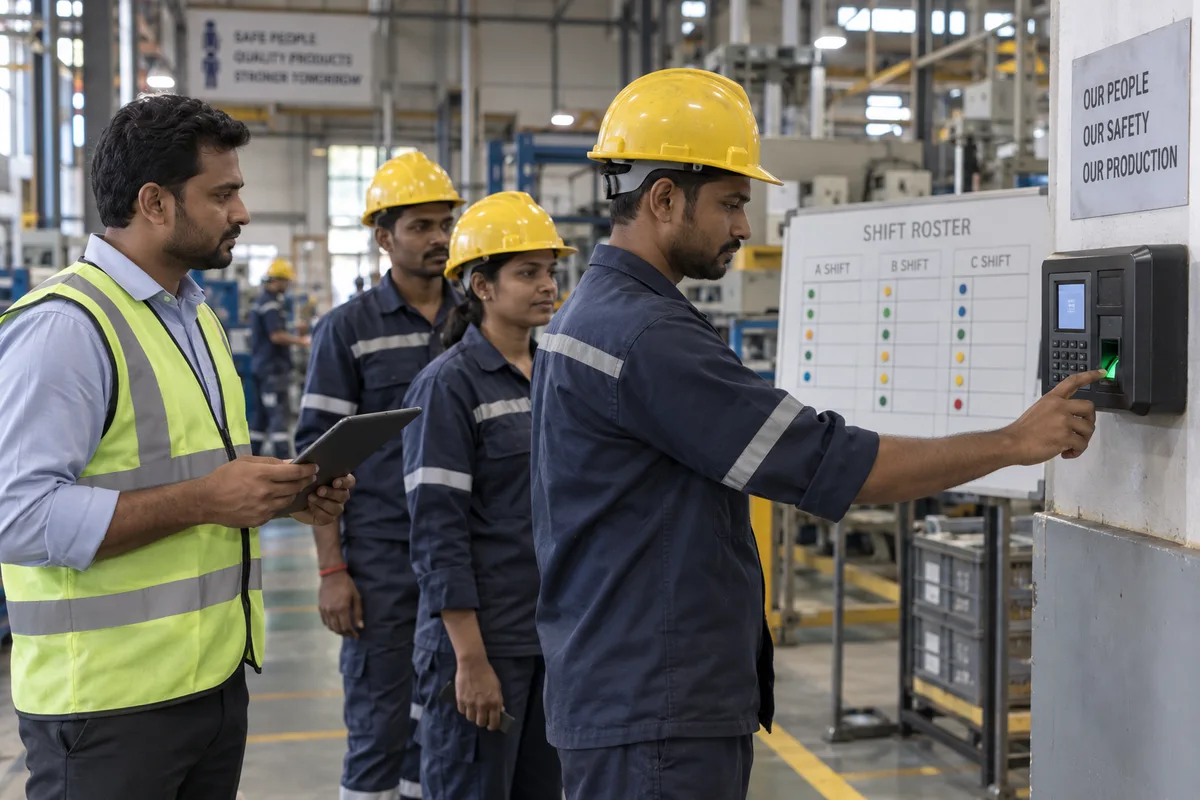
Record overtime by person and rotate it so the same crew does not carry every peak, using the attendance, shift and leave process.

What this covers

Record overtime by person and rotate it so the same crew does not carry every peak, using the attendance, shift and leave process.

Give quality liaison a defined role and a deputy

Set out the duties and train a second person on complaints and corrective actions, so the work does not rest on one person.

What this covers

Set out the duties and train a second person on complaints and corrective actions, so the work does not rest on one person.

Start by checking where you stand

Before changing anything, find out what is true today. Work through the checks using a recent operating period. The time needed depends on the records you hold; note missing evidence and use the findings to choose a priority.

Share your requirements
  • Open your trained-person list and count the stations with no current entry.
  • Count the contract or casual hands who worked last month and what induction they had.
  • Read the last lot-hold dispute and see who made the final call.
  • List last month's overtime hours by crew.
  • Ask who handles customer complaints when the quality lead is away.
  • Confirm with a qualified professional the registration, record-keeping and employment duties that bind a forging, heat treatment and inspection plant like yours.

Confirm with a qualified professional. What applies to you depends on your business, your state and your arrangements, and it changes. This page describes practice. It does not state a legal position.

How GullyHR helps

The services below fit this kind of business best. Each starts by recording where you stand, and every later report compares against that. We do not promise outcomes.

Start with a free conversation, or see the paid HR Diagnostic.

Our HR transformation approach

  1. 1

    Assess

    Understand the business, its workforce, current processes and HR challenges.

  2. 2

    Identify gaps

    Find the missing, weak, inconsistent or person-dependent processes.

  3. 3

    Design

    Create the structure, processes, policies, SOPs, dashboards and systems needed.

  4. 4

    Implement

    Help HR and department managers actually adopt the new system.

  5. 5

    Automate

    Digitise repetitive and approval-based workflows where it is worth doing.

  6. 6

    Measure

    Track hiring, attendance, employee cost, performance, training and attrition.

  7. 7

    Improve

    Strengthen the people-management system continuously, not once.

Blogs worth reading first

From the GullyHR blog: one on HR in manufacturing, and one on each of the topics this page points to.

More on the GullyHR blog.

Questions owners ask

Who is trained for which station and how that is recorded. A current matrix with dates and sign-offs answers better than an old file.

Start with your business need

What does your HR team need to solve?

Tell us your industry, team size and the issue you want to address. Bring one example of where work gets delayed or ownership is unclear, and the deadline or decision you are working towards.

  • A free first conversation with an HR practitioner
  • A clear scope and fee before any paid work
  • A practical next step for your business

Let’s start with your business

Share your contact details and the HR challenge on your mind. We’ll help you find the right starting point.

10-digit Indian mobile, without +91.

Your details stay private. Privacy policy