
Industries
Why agribusiness workers leave and how to understand why
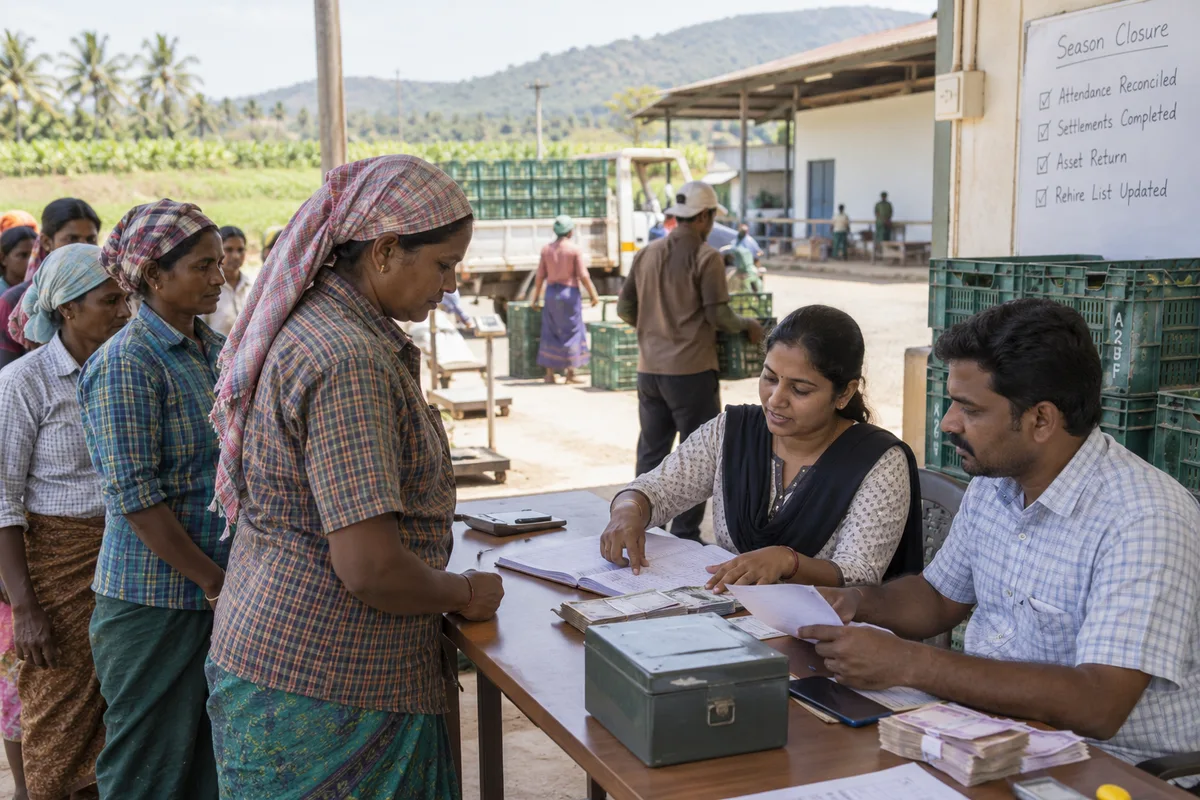
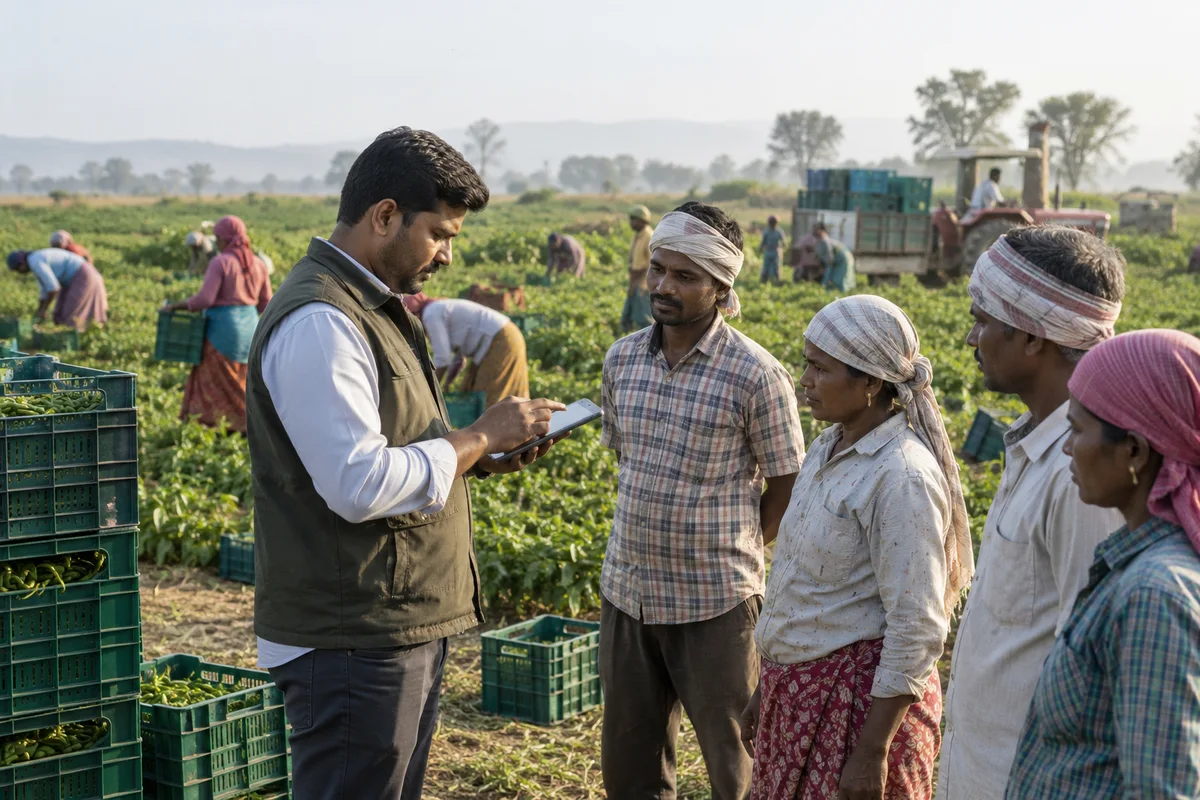
Seasonal crews, field officers and processing staff leave for different reasons. How to ask what shaped their decision and act before next season.
7 min readRead articleAn organic farm avoids chemical sprays and fertiliser, so weeding, composting and pest watching are done by hand and by eye. It needs fewer machines and more careful people, and it depends on written field records.
Make this work for your business. Share your team size, priorities and what you need help with. We’ll use your brief to prepare for the first conversation.
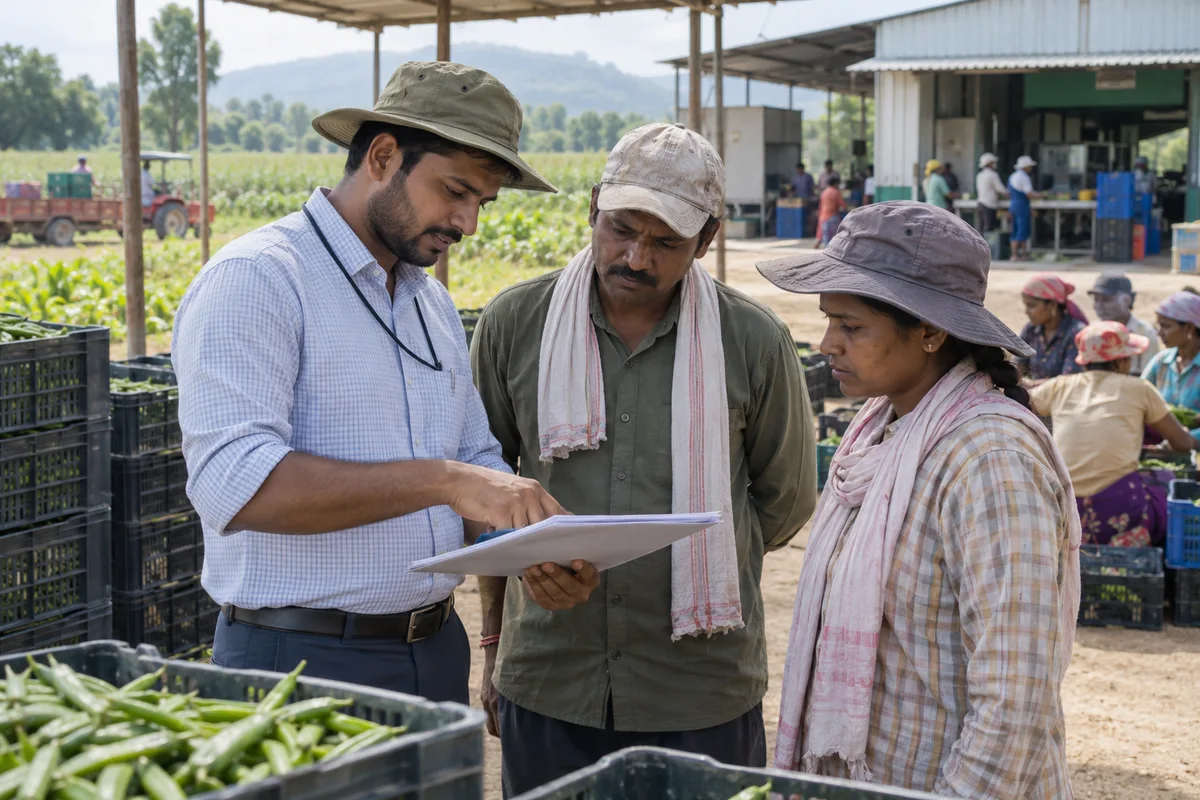
Share your requirementsAn organic farm grows crops without chemical fertiliser or pesticide, which changes the work. Weeds are pulled or hoed by hand, compost and vermiwash are made on site, and pests are watched for daily and handled with neem, traps or crop rotation. The farm keeps a field diary of every input and every operation, because a buyer or certifying body may ask for it. That makes a careful field worker worth more than a fast one. Crews are smaller than on a conventional farm but work more days on the same plot. The agriculture sector page covers what all farms share, and the farms and agribusinesses hub compares the farm types.
These are the places the people side of this kind of business tends to give way. The rest of this page works through them.
Why GullyHR for organic farms
For organic farm owners whose weeding crews, compost workers and record keepers decide whether a buyer or certifying body stays satisfied. GullyHR writes the operations, record routines and pay rules that reward care over speed.
One page for each operation, from hand weeding to compost turning and pest scouting, so a new hand learns the farm's way and not a conventional shortcut.
A short daily field diary entry taught on day one, with the field in-charge checking it weekly, so gaps do not appear when a buyer asks.
A weeding and harvest pay rule built on quality checks as well as area covered, so nobody is paid to rush a plot.
A named group of workers who know compost, pest preparations and grading, with a path and a second person trained for each skill.
Start with any one of these. Scope and fee are agreed in writing after a free first conversation.
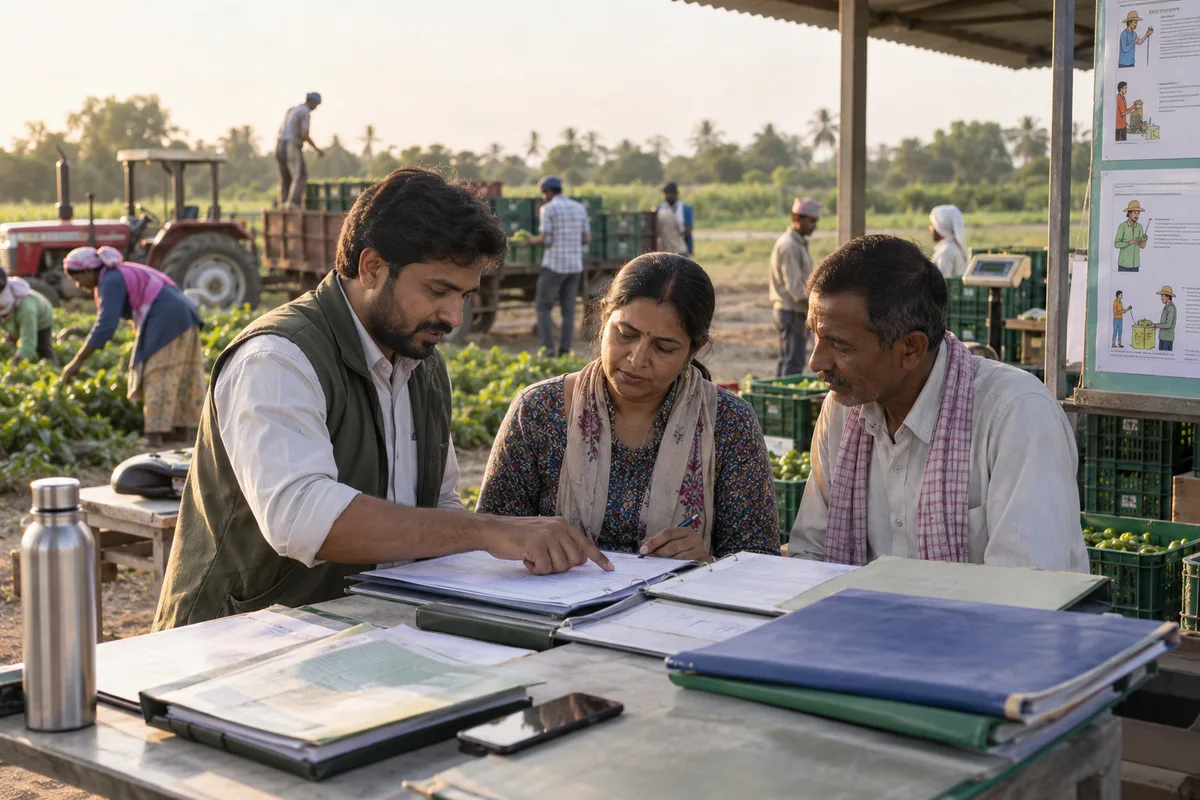
The audit opens the field diary and checks it against what the field in-charge says was done, looking for missing days and unwritten inputs. We sit with the crew and ask, in their own words, why the farm does not use sprays. The weeding rate and harvest pay are read for whether they reward care or speed. A skills list shows which workers know compost and pest preparations and what the farm would lose if two left. We finish with the manager and write down the buyer risks that follow.
What you receive
An example, not a client storyTake a farm whose certifying body asks for the record of one field from the previous season, and the diary shows a gap of several weeks. The audit would have found that gap earlier, traced it to a change of record keeper, and shown the owner what a weekly check by the field in-charge would catch.
How the hr audit works →We begin with the field diary: what is recorded at the start and end of each shift, who signs, who checks and where the sheets are kept. The hand weeding standard follows, describing how a plot is judged clean and how rework is handled. Compost and vermicompost preparation is written step by step with the people who make it. A pest scouting routine names who walks the fields, what they look for and what is done with neem or traps. Harvest and grading steps close the set.
What you receive
An example, not a client storySuppose a scout finds a pest patch at the edge of a plot on a market day, and nobody is sure whether to spray, trap or wait. With a written pest routine naming who decides and which organic methods are allowed, the scout acts the same hour and records the step in the diary.
How the hr process design works →Each week we read the diary with the field in-charge and flag missing entries before they become a pattern. We attend or run a short field session on one topic, such as weeding standards or compost temperature checks. Attendance and pay are tallied against the rule, with rework noted. We speak with the harvest and grading hands before big picking days and check the packing and dispatch plan. A skilled core list is reviewed for second persons. The owner receives one page on records, crew mood and risks.
What you receive
An example, not a client storyPicture the week before a large harvest, when the compost lead is unwell and nobody else knows the next turn. The weekly review sees the gap in the skills list, a second worker is taken through the steps by the field in-charge, and the diary records that the turn was done on time.
How the hr management works →A careful field worker is worth more than a fast one, so selection looks for patience, honesty in record keeping and willingness to work by hand. We write each role from the field operations, then set a short hand weeding task and a record sheet exercise. A conversation asks the candidate why they would work on a farm that does not use sprays. The field in-charge scores alongside us. A shortlist with written reasons goes to the owner. The roles are permanent; we do not supply seasonal labour or verify backgrounds.
What you receive
An example, not a client storySay the field in-charge announces a move to another district and the farm has a few weeks to find a successor. The owner uses the written role, gives each applicant the same record sheet exercise, and picks the one who fills it accurately and asks sensible questions about why the farm avoids sprays.
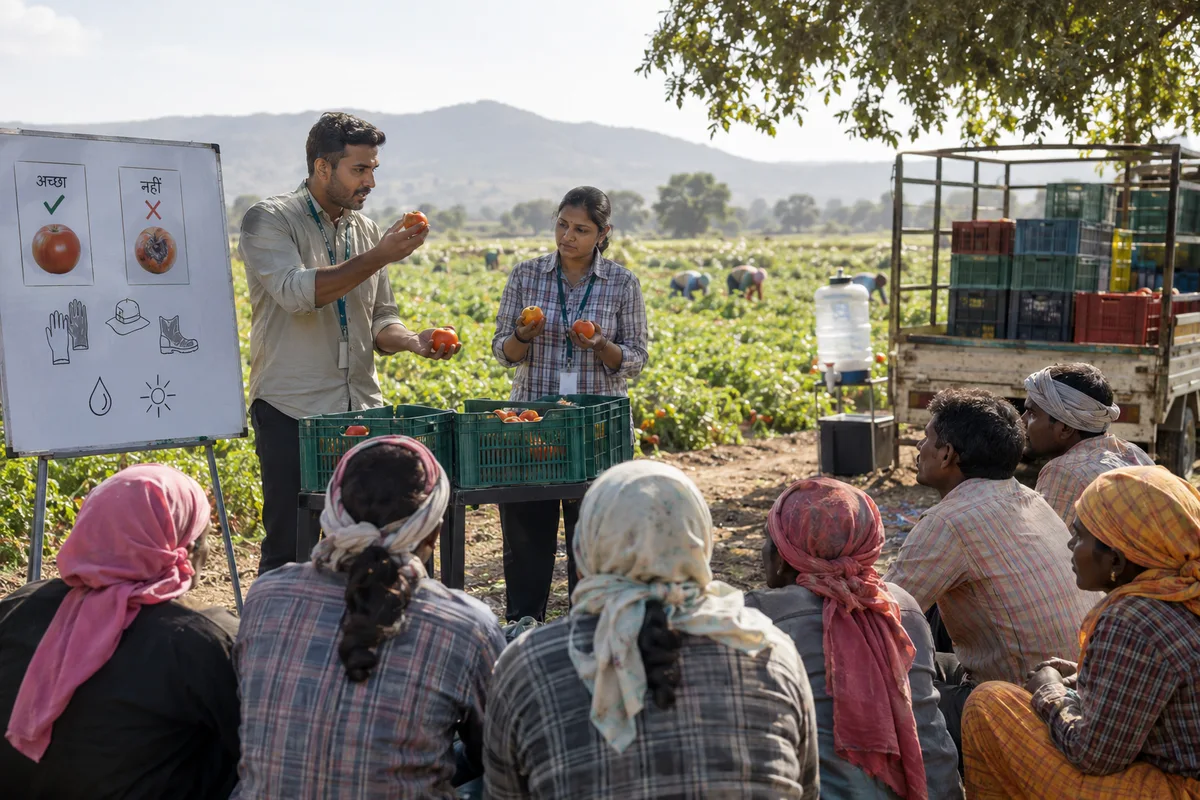
How the recruitment for permanent roles works →Training happens in the field, not in a room. A weeding session shows what a clean plot looks like and how to avoid damaging roots. A compost session covers turning, moisture and what to record. Pest scouts learn to look under leaves and note what they see in the diary. The record sheet session sits at the start of every worker's first week. The field in-charge learns to explain why the farm avoids sprays, because a worker who understands the reason keeps to the method. Sessions are short and repeated each season.
What you receive
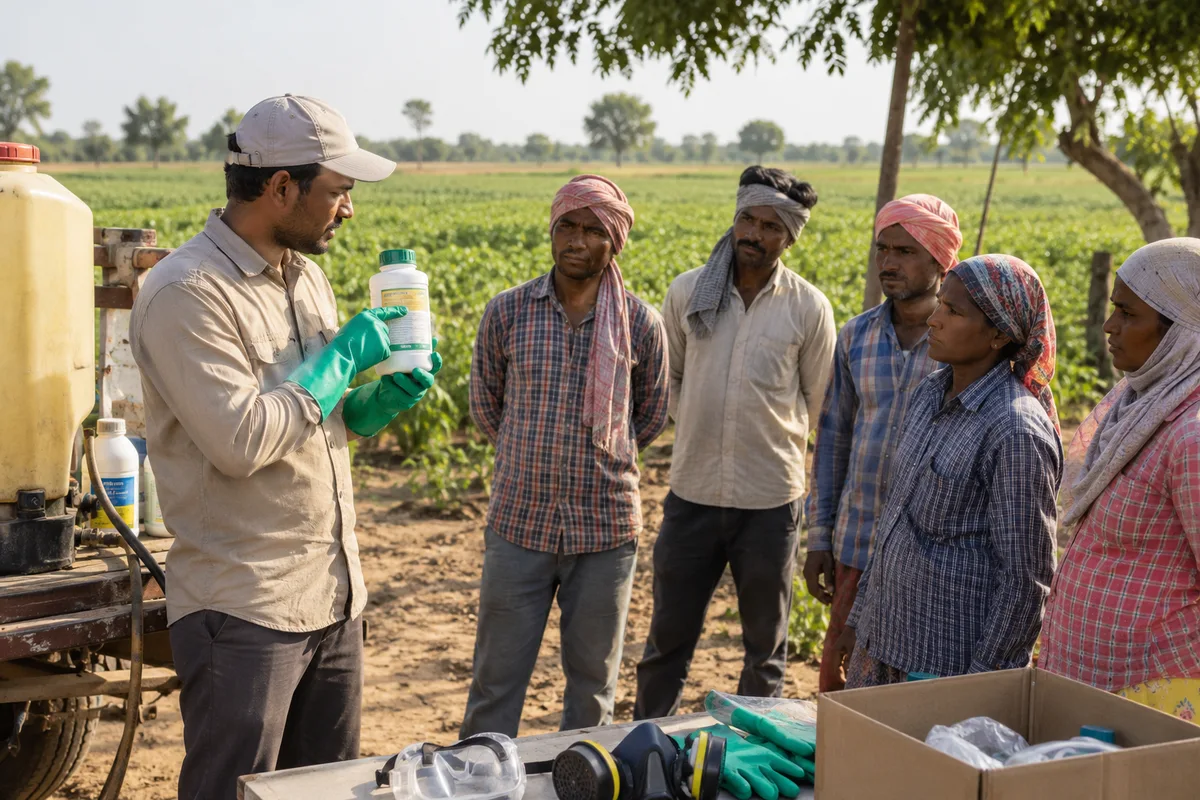
An example, not a client storyTake a new worker who has weeded for years on a conventional farm and reaches for a quick spray when a patch looks bad. A short session on the plot explains why the farm works by hand, shows the neem and trap alternatives, and the worker writes the first diary entry with the field in-charge beside.
How the manager and team training works →The field diary rule sets what must be recorded, by whom and how soon, and what happens when an entry is missing. The pay policy rewards care, with a quality check on weeding and a rule for rework. The skilled core path names the steps for a worker who learns compost, pest scouting and grading. The conduct note covers tools, water, heat and handling plant preparations. A light HR system keeps records and attendance, and your own adviser confirms the certification, record keeping and labour points that apply to the farm.
What you receive
An example, not a client storySuppose a buyer asks the farm to show how it checks hand weeding and how workers are paid for it. The owner shows the written pay policy with its quality check, plus a sample of the diary, and the buyer sees that the farm's care is built into the way the work is rewarded.
How the policies, handbook and hr software works →We would write a weeding standard that says what a clean plot looks like, add a quality check, and set pay that rewards the check as well as the area covered. Rework is handled by a clear rule. Your own adviser confirms the pay wording and labour points. The crew then has a reason to slow down when it matters.
We would read recent diary pages against what the field in-charge says was done, teach the record sheet in the first week of every job, and set a weekly check with a named person. Gaps are raised the same week. We cannot decide for a buyer, but the farm can show what it has done.
We would list who knows each skill, name a second person to learn it, and write a path with steps and recognition for the skilled core. We would also ask workers why they stay or might leave. That gives the owner a written plan for the day a key person is absent, ill or poached by another farm.
Training can explain the reason behind each practice, which is different from changing belief. We would run short field sessions in the crew's own language, let workers ask questions, and train the field in-charge to explain the why. Those who understand the reason are likely to follow the method more carefully, and the owner will see who needs more support.
GullyHR runs talent acquisition for permanent roles in organic farms. For each role we agree the job description with you, find and screen candidates against it, and support the offer through to joining. Tell us the role and the number of people, and we start there.
We recruit permanent employees. We do not supply contract or temporary staff.
Without chemicals, a missed round of weeding costs the crop, so the crew is kept busy for many more days than a conventional plot.
A worker who does not note the input, the date and the plot leaves a gap that may cost a sale to a buyer who wants proof.
People who know compost, neem preparations and pest signs are hard to find, and a conventional farm will pay more for them.
A rate by area weeded rushes the job and leaves weeds behind, while a plain day rate offers no reason to be careful.
Produce is sold on quality, so grading and packing staff need steady hands, not the rush of a harvest gang.
Workers may see no reason for the extra effort, so the farm has to explain why the method matters and how it pays.
Start with the topics that matter most here: Learning and Development; Employee Administration; Retention and Attrition Management. Then work through the rest. Each topic is written for agriculture and agribusiness, not in general.
Training planned from need rather than from the calendar.
Records, attendance, leave and the day-to-day HR that must simply work.
Who leaves, when, why, and which of them mattered.
How many people, in which roles, by when, and what they will cost.
Structure, reporting lines and who is allowed to decide what.
Requisition to joining, the same way every time.
A first day that is the same for the fifth joiner as the first.
Salary structure, payroll inputs and a month that closes on time.
Goals, reviews and ratings that hold up in a conversation.
Named backups for the roles that cannot be vacant.
Communication, recognition and the conditions people actually work in.
Two routes, one for complaints, one for conduct, kept separate.
Policies a manager can apply, and obligations with owners and dates.
Induction, records, incident reporting and follow-through.
Resignation to relieving letter, in a defined order.
Records that survive people, and approvals that do not queue.
A short monthly pack management actually reads.
An HR function that runs the same way every month.
The pieces a organic farms business puts in place, in an order that makes each easier. Open any card for the detail.
A short sheet for each task, such as hand weeding, compost turning or trap checking, showing what done properly looks like.
A short sheet for each task, such as hand weeding, compost turning or trap checking, showing what done properly looks like. Role design and job descriptions turns this into role cards.
Make the daily input and operation note a named task for the in-charge, with a check each week by the farm manager.
Make the daily input and operation note a named task for the in-charge, with a check each week by the farm manager.
A day rate with a bonus for clean plots at inspection and for complete records.
A day rate with a bonus for clean plots at inspection and for complete records. See performance management and incentive design.
Keep the best compost and pest hands on a monthly basis with a clear grade, rather than hiring them by the day.
Keep the best compost and pest hands on a monthly basis with a clear grade, rather than hiring them by the day.
A weekly ten minute talk at the plot on one task, using real examples from this farm.
A weekly ten minute talk at the plot on one task, using real examples from this farm. Learning and development gives the pattern.
Tell the crew in simple words what the method is, who buys the produce and what it earns, so the care has meaning.
Tell the crew in simple words what the method is, who buys the produce and what it earns, so the care has meaning.
Confirm with a qualified professional. What applies to you depends on your business, your state and your arrangements, and it changes. This page describes practice. It does not state a legal position.
Task sign-offs and short plot sessions for weeding, compost and pest watching.
Field diaries, worker records and sign-off sheets kept in one orderly set.
Clear role cards for in-charge, pest scout and compost worker.
Ways to keep skilled hands from moving to higher-paying farms.
Start with a free conversation, or see the paid HR Diagnostic.
Understand the business, its workforce, current processes and HR challenges.
Find the missing, weak, inconsistent or person-dependent processes.
Create the structure, processes, policies, SOPs, dashboards and systems needed.
Help HR and department managers actually adopt the new system.
Digitise repetitive and approval-based workflows where it is worth doing.
Track hiring, attendance, employee cost, performance, training and attrition.
Strengthen the people-management system continuously, not once.
From the GullyHR blog: one on HR in agriculture and agribusiness, and one on each of the topics this page points to.
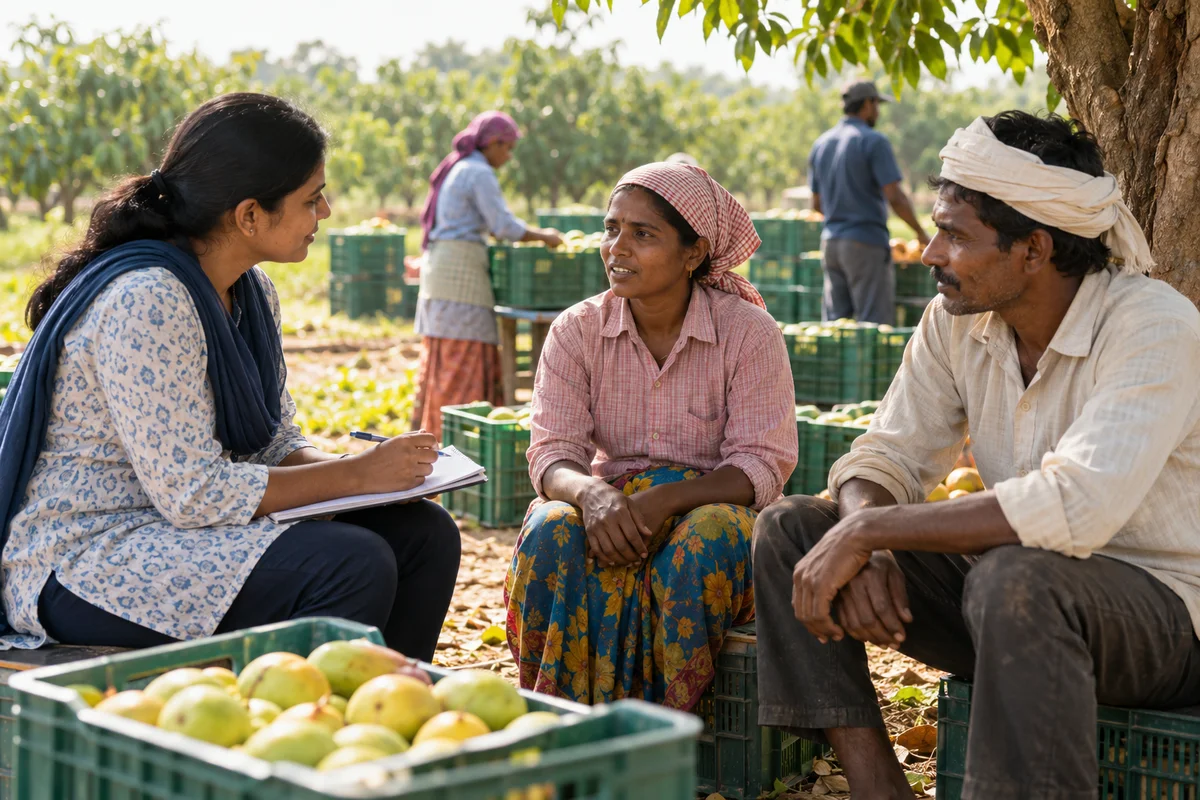
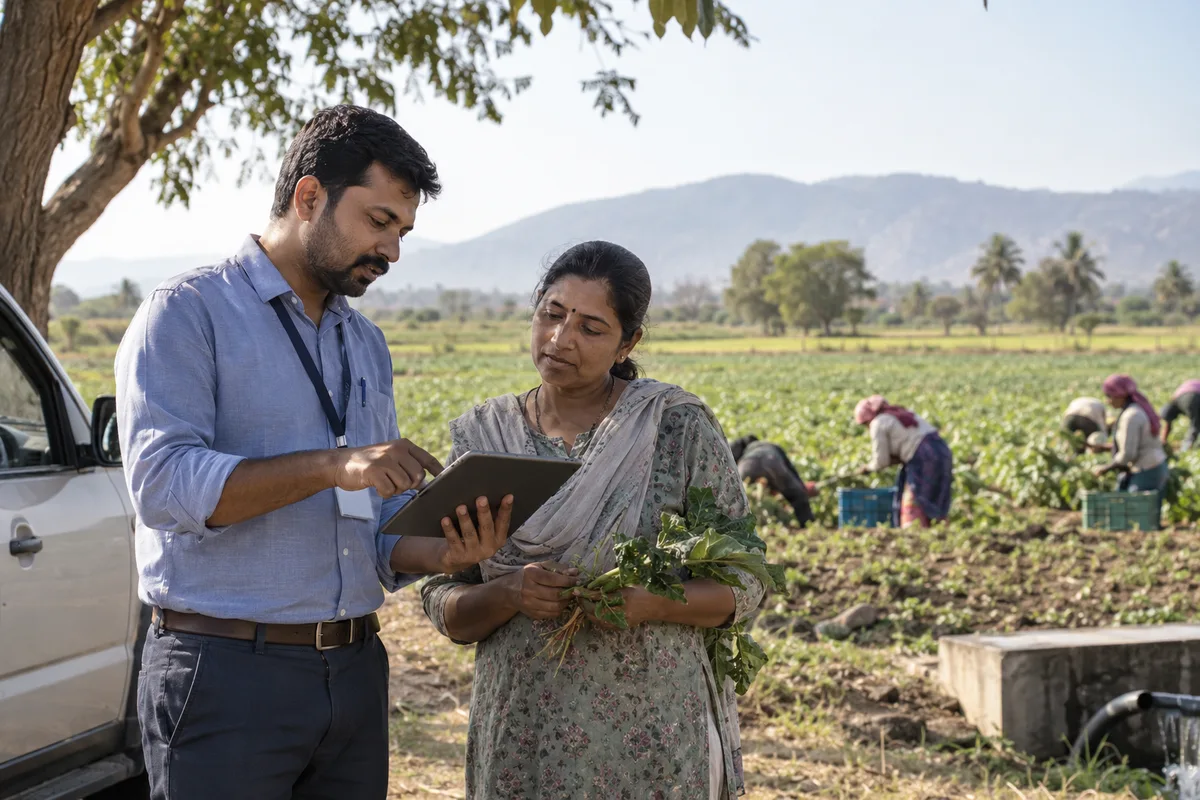
Seasonal crews, field officers and processing staff leave for different reasons. How to ask what shaped their decision and act before next season.
7 min readRead article
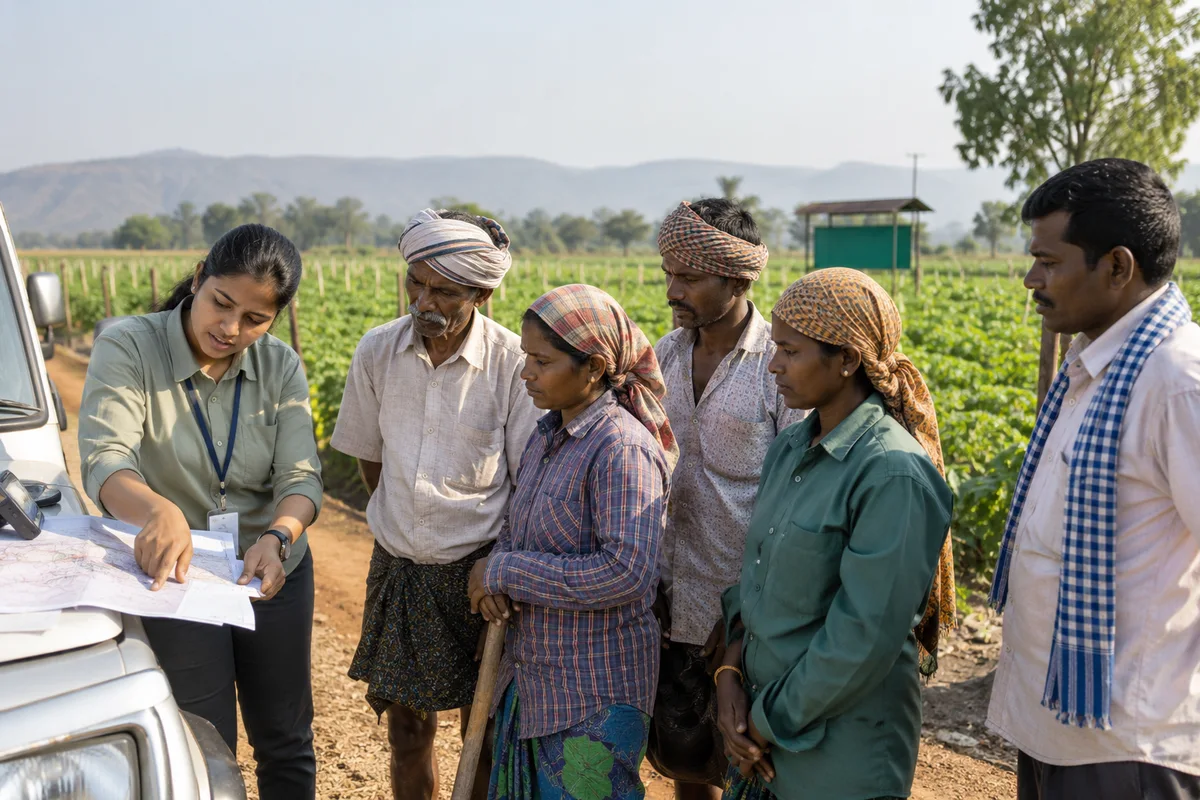
A founder's guide to hiring freshers and running a first-year programme: campus or open drives, a screening round, a training plan by quarter, mentors and checkpoints.
6 min readRead article
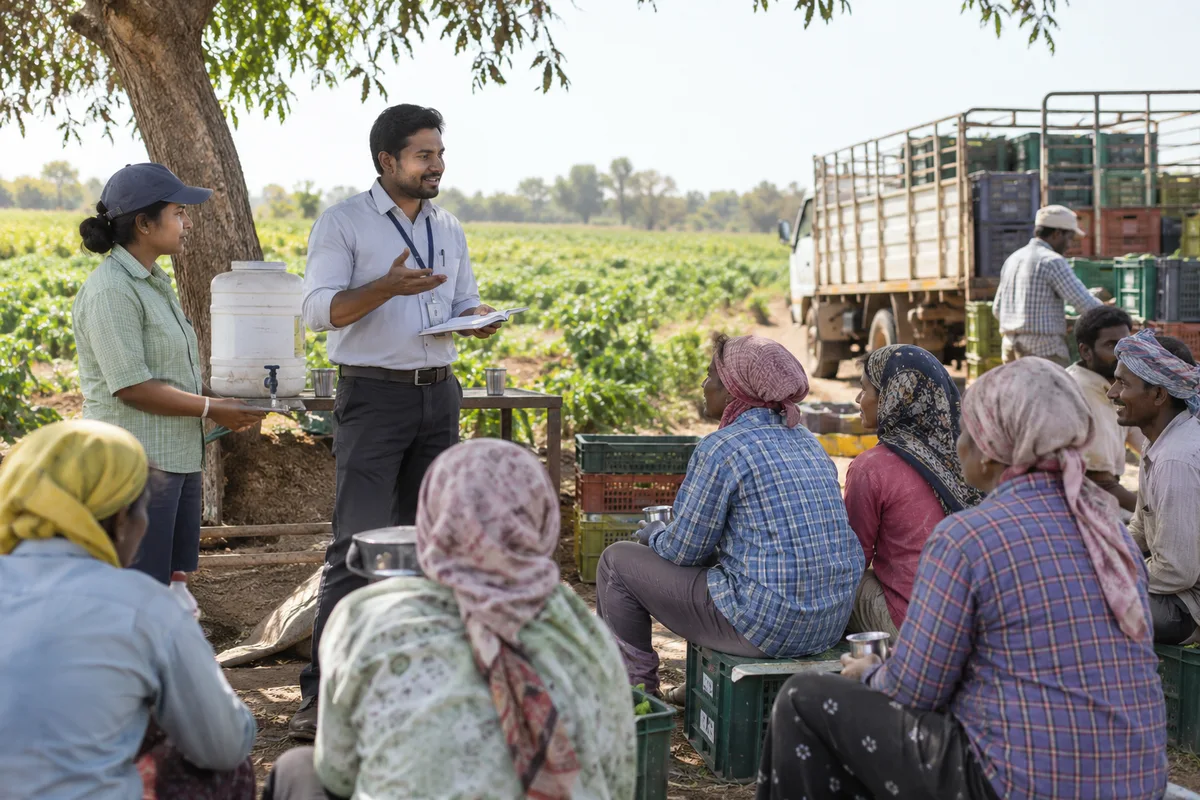
Payroll says one joining date, the personal file says another and the manager remembers a third. How to establish a single trustworthy employee record and keep it that way.
7 min readRead article
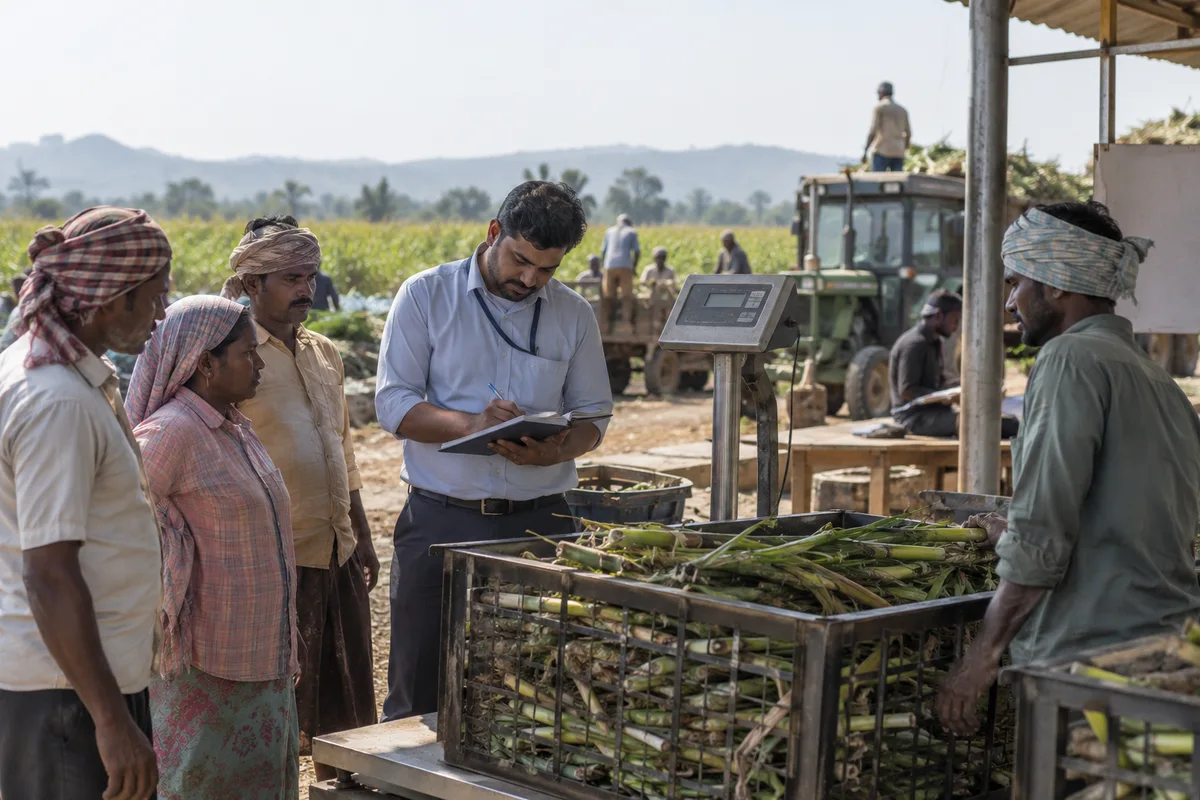
What really keeps mobile app and web developers in a small firm: stay conversations, growth paths, fair release rules and a risk sheet an owner can use this month.
6 min readRead articleMore on the GullyHR blog.
Pay a day rate with a bonus for plots that pass the farm manager's walk. Hold the walk without notice, and show the crew what a clean plot looks like.
Not all of them, but someone per block should. Name the record keeper, give a simple sheet and check it weekly. A missing entry is far easier to fix the same day.
Give them a visible grade, a steady monthly role and a share in the farm's results. Skilled hands leave for recognition as much as for pay.
Yes, if they are willing to learn. Pair them with an experienced hand, tell them why practices differ and watch their work for the first season.
It depends on the crop and the plot, so a fixed number would mislead. Count weeding, harvest and grading days from last season and plan a core crew plus seasonal cover.
First we would walk the plots with your farm manager, read a sample of the field diary and ask who holds the key skills. A task sheet and a care-based bonus are a natural start, with scope written for your sign-off.
All 7 business types in farms and agribusinesses · Find another business type
See all HR topics for agriculture and agribusiness, or another industry.
Tell us your industry, team size and the issue you want to address. Bring one example of where work gets delayed or ownership is unclear, and the deadline or decision you are working towards.