



Industries
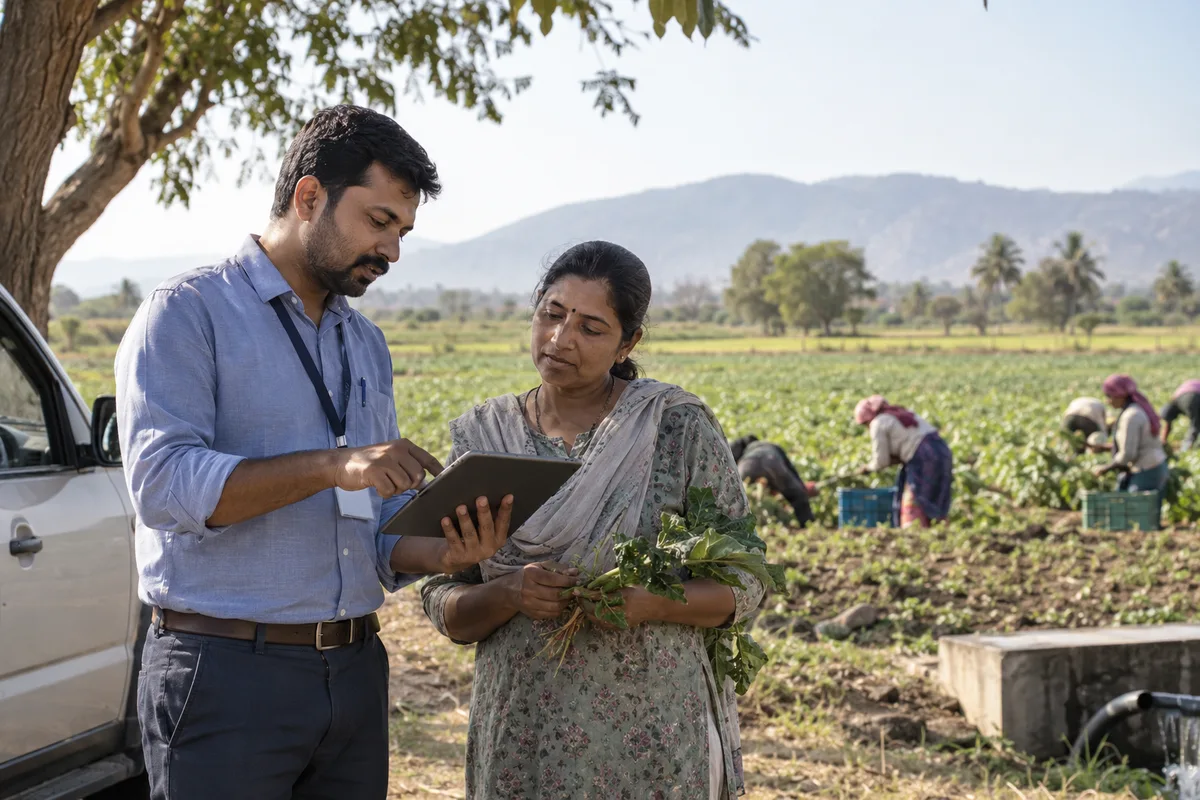
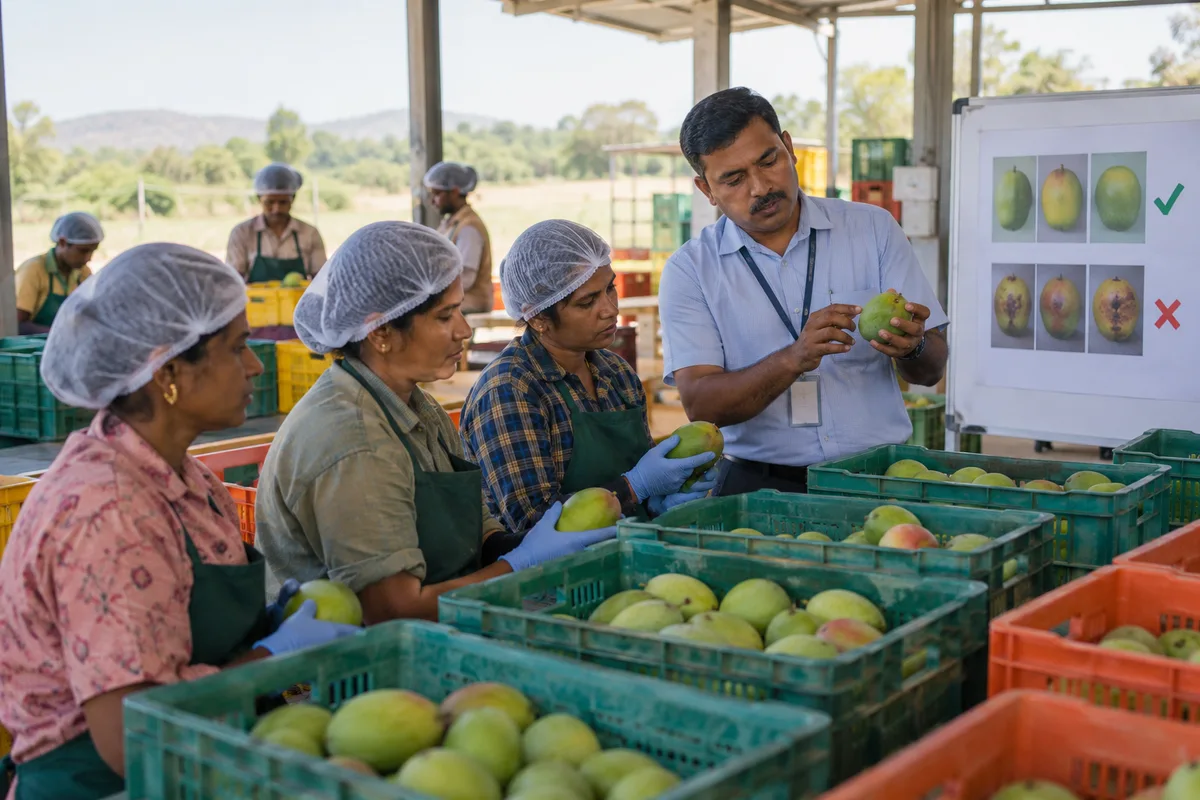
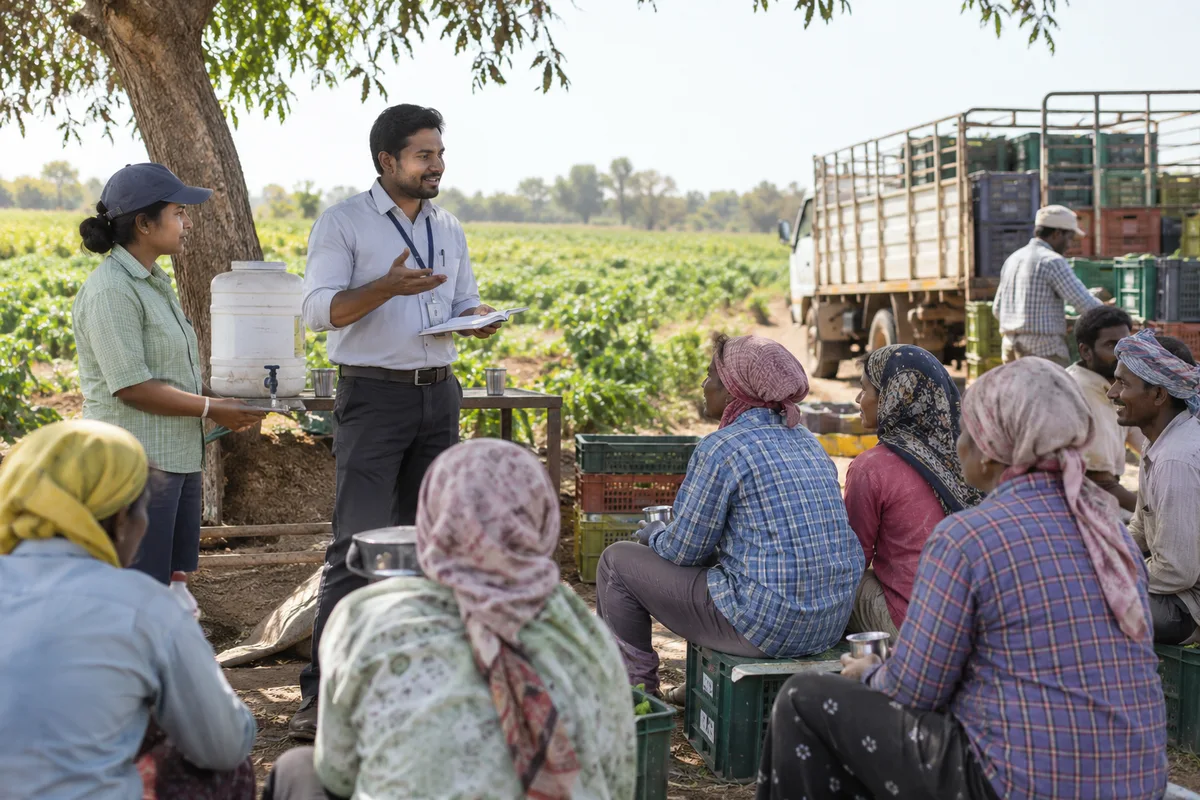
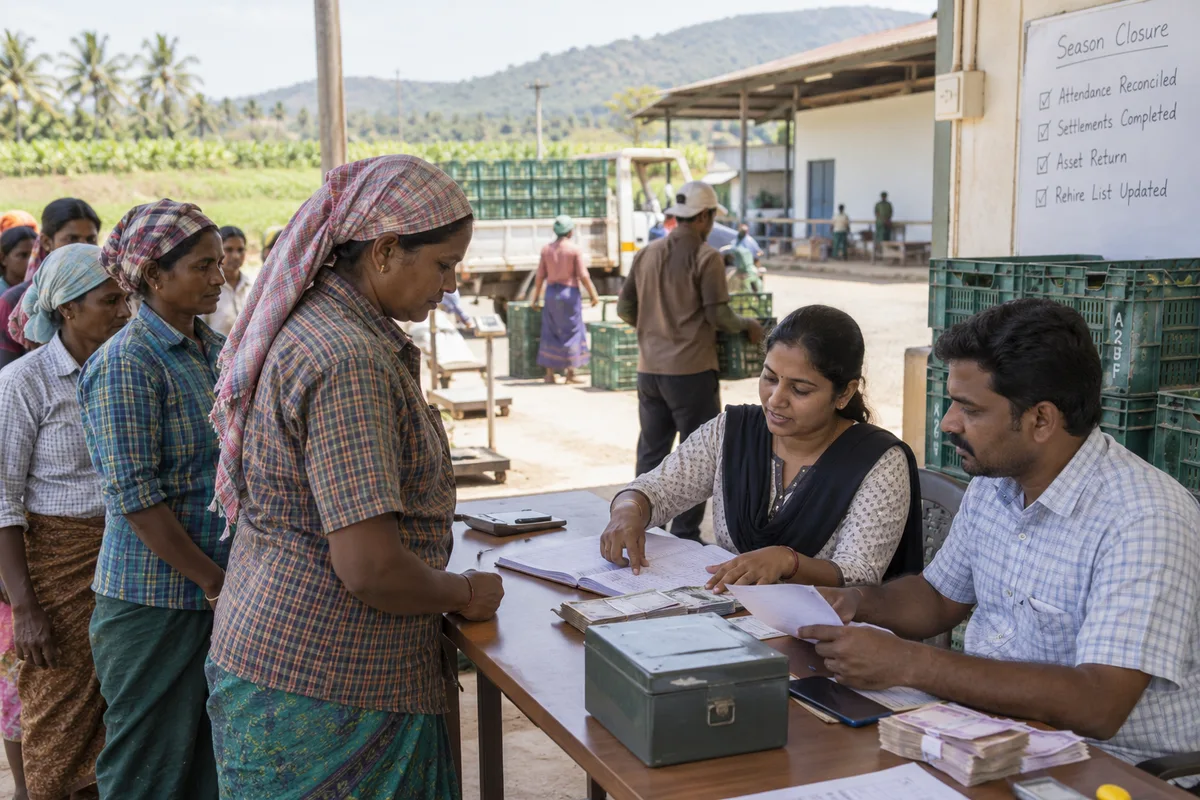
Why agribusiness workers leave and how to understand why
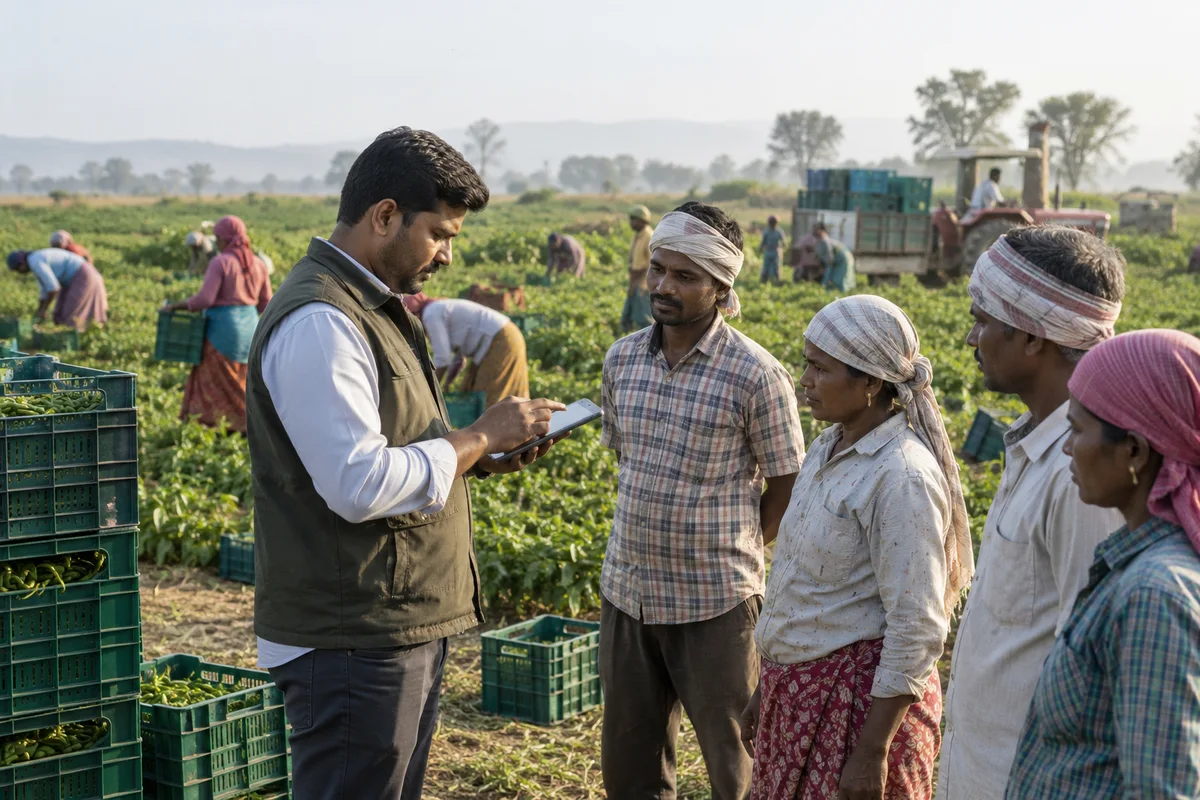
Seasonal crews, field officers and processing staff leave for different reasons. How to ask what shaped their decision and act before next season.
7 min readRead articleA plantation grows tea, coffee, rubber or spices on a large estate where workers live on site with their families. Pluckers, tappers, field staff and a layer of assistant managers run a year-round, weather-driven operation.
Make this work for your business. Share your team size, priorities and what you need help with. We’ll use your brief to prepare for the first conversation.
Share your requirementsA plantation is an estate of tea, coffee, rubber, cardamom or similar crops, in hills, run in divisions with a manager, assistants and field officers. Workers may be from families who have lived on the estate for generations, with lines or quarters, a creche, a dispensary and a school nearby. Pluckers and tappers work to daily norms. Weather, flush periods and price cycles decide the workload. The assistant managers are young, posted far from towns and leave in a few years. People issues on an estate are therefore tied up with housing, family and community, as much as with work. The agriculture sector page covers what all farms share, and the farms and agribusinesses hub compares the farm types.
These are the places the people side of this kind of business tends to give way. The rest of this page works through them.
Why GullyHR for plantations
For plantation owners and estate managers running pluckers, tappers and field staff on a year-round estate. Norms, grievance routes, assistant manager careers and housing are written down, so estate life and work are planned together.
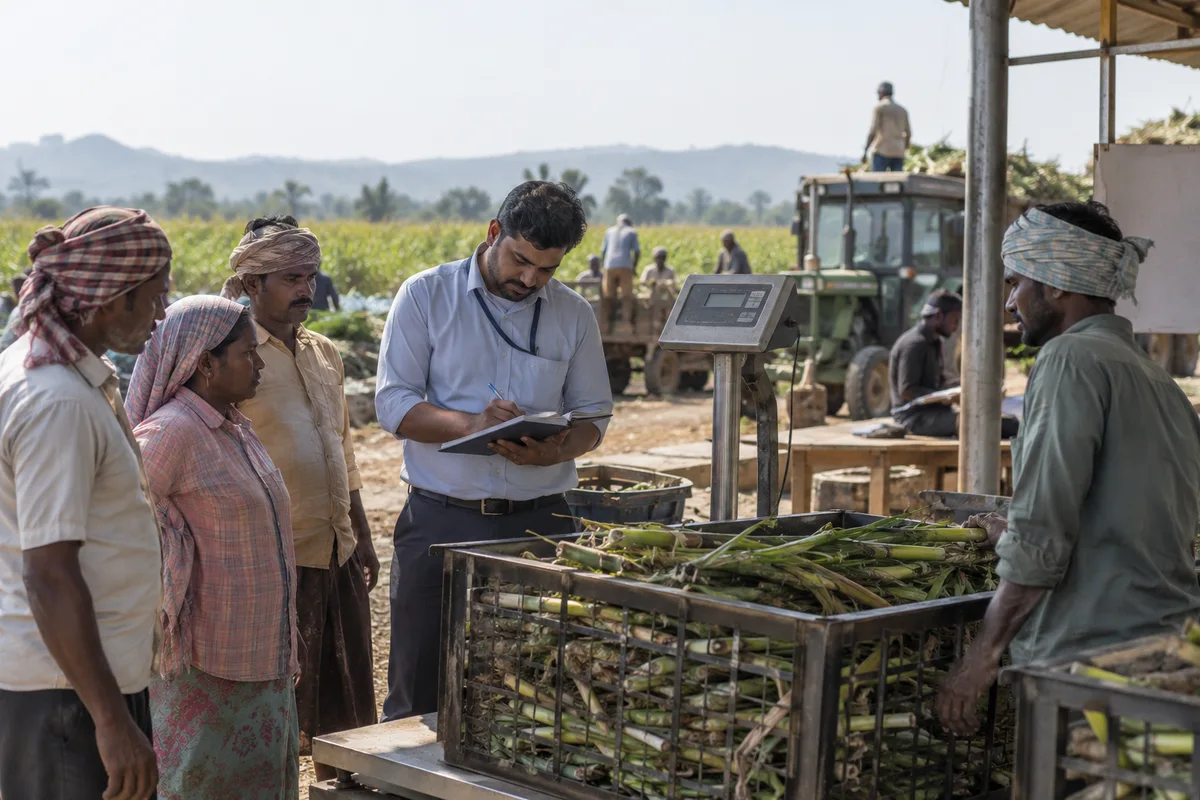
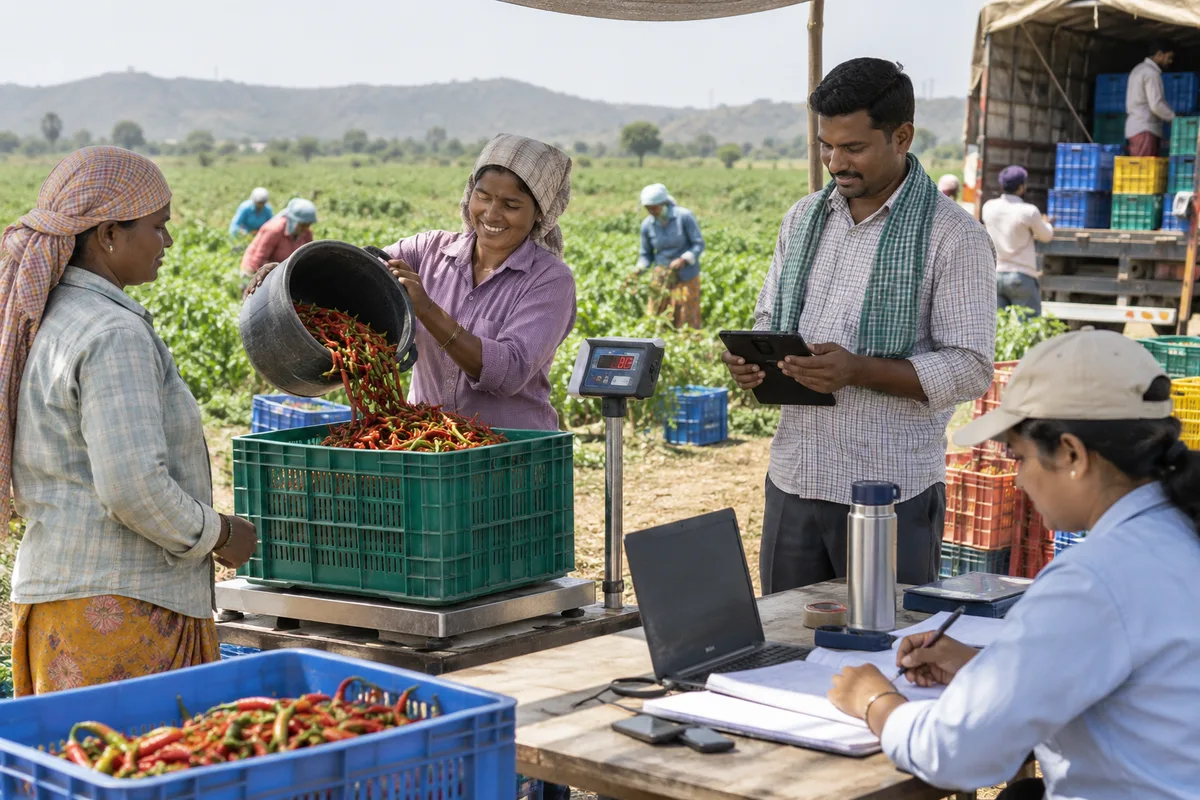
A written sheet of daily plucking and tapping norms and rate rules for each section, readable by a plucker and a sirdar alike, so no one argues from memory at the weighing point.
A clear path from the section supervisor to the division manager, with a register and a reply time, so worker representatives are heard before an issue reaches the estate manager.
A posting and growth plan for assistant managers sent far from towns, with a mentor, a first-year checklist and a move after a set period, so early exits are understood.
Line repairs, creche, dispensary and school links treated as part of how the estate keeps its workforce, with a visit routine and a repairs list reviewed by the manager.
Start with any one of these. Scope and fee are agreed in writing after a free first conversation.
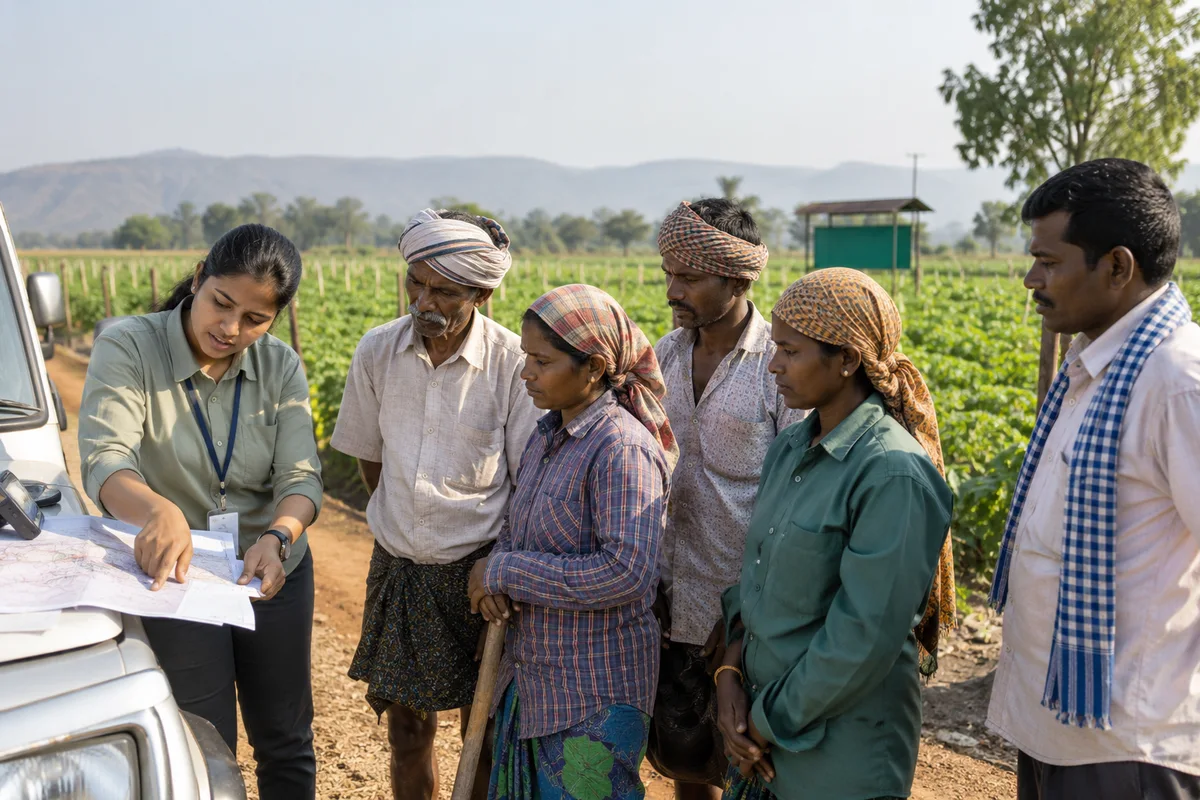
We visit at least one division and one line, then sit with the estate manager, assistant managers, section supervisors and welfare staff separately. The review covers the plucking or tapping norm records, the weighing and rate sheets, the grievance register and the housing repairs list. We read the exit history of assistant managers over the past years and look at the age spread of field workers. Worker representatives are asked which issues come up again and again. Findings are ranked by the risk they carry for the next flush season.
What you receive
An example, not a client storyPicture an estate where the pluckers are mostly in their fifties and few young people from the lines want the work. An audit would lay the age spread beside the housing and school data, and give the owner an early view of where the next generation could be drawn in.
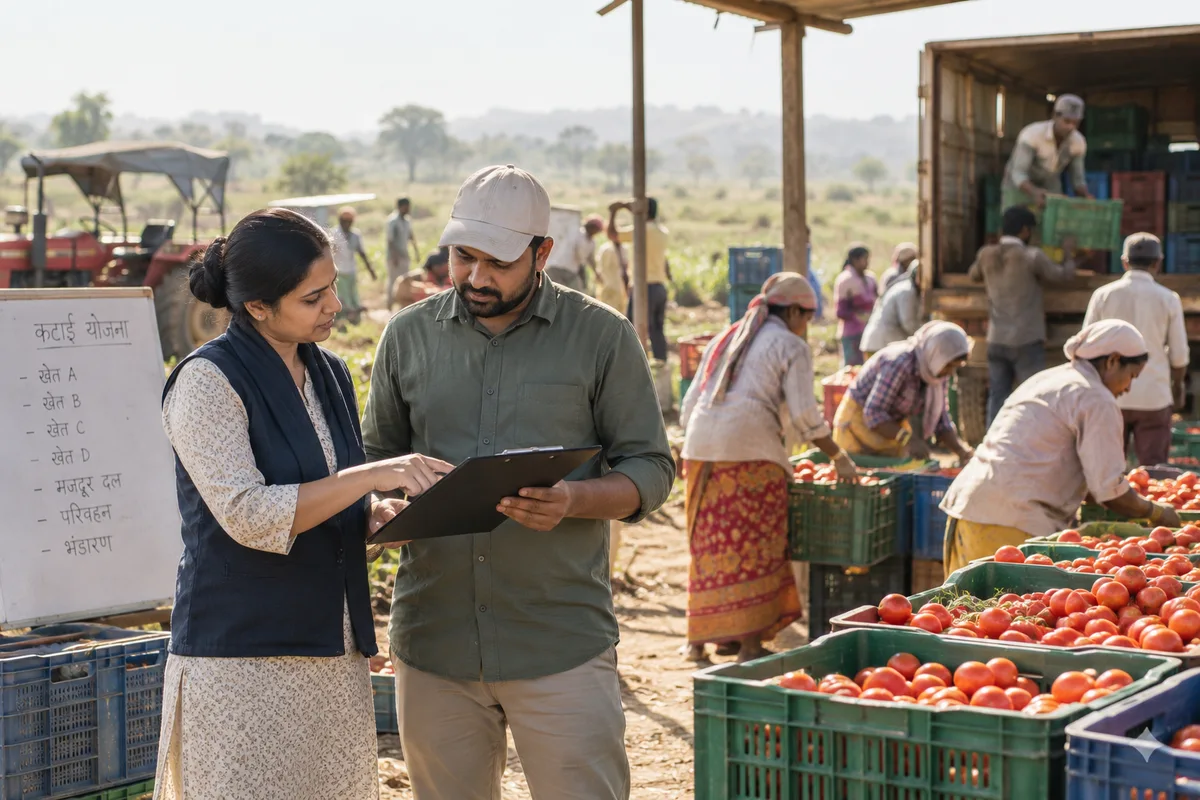
How the hr audit works →Estates run on habit handed down through sirdars, so the first job is putting the habit on paper without breaking trust. We begin with the daily norm and rate rule for each crop section, checked on the weighing floor with a supervisor and a plucker. Next is the grievance route, from the section to the division, with a register and a time for reply. Then we draw a first-year path for assistant managers and a simple flush-season plan for extra hands, with a call-back list from the previous season.
What you receive
An example, not a client storySuppose an estate adds a few extra hands each flush and a quarrel breaks out over who gets which section and norm. A written section allocation and rate rule, explained at a muster by the supervisor and kept at the weighing point, leaves far less to argue about when the next flush begins.
How the hr process design works →Each week we collect the grievance register from every division and chase the open items with the division managers. Assistant managers receive a regular call that asks how the posting is going, what support they lack and how family and distance are weighing on them. Before each flush we confirm the extra hands list and the line space available. Welfare staff send a short note on creche, dispensary and school matters. Once a month the estate manager gets a one-page people summary, and any union matter is flagged to your own adviser.
What you receive
An example, not a client storySay an assistant manager posted to a remote division goes quiet, and the estate manager notices only when a resignation arrives. A regular check-in would have shown the housing, isolation and workload concerns months earlier, with time for a transfer, a visit from a senior colleague or a mentor to step in.
How the hr management works →The hard-to-fill role is the assistant manager who will stay beyond the first posting. We write the brief with you, including the division, the housing offered and the distance from town, and we say these things plainly in the advertisement. Candidates are asked about family, isolation and weather, not just agronomy. For the factory and welfare staff, practical tasks are set by your senior staff. We also help you shortlist young people from estate families who want a path from the field to supervision, where that suits them and the estate.
What you receive
An example, not a client storyPicture an estate that has lost several assistant managers in recent years, each leaving within a short spell. We would rewrite the advertisement to describe the posting honestly, add a question on isolation to the interview, and hand over comparable notes so the owner hires the person best suited to settle.
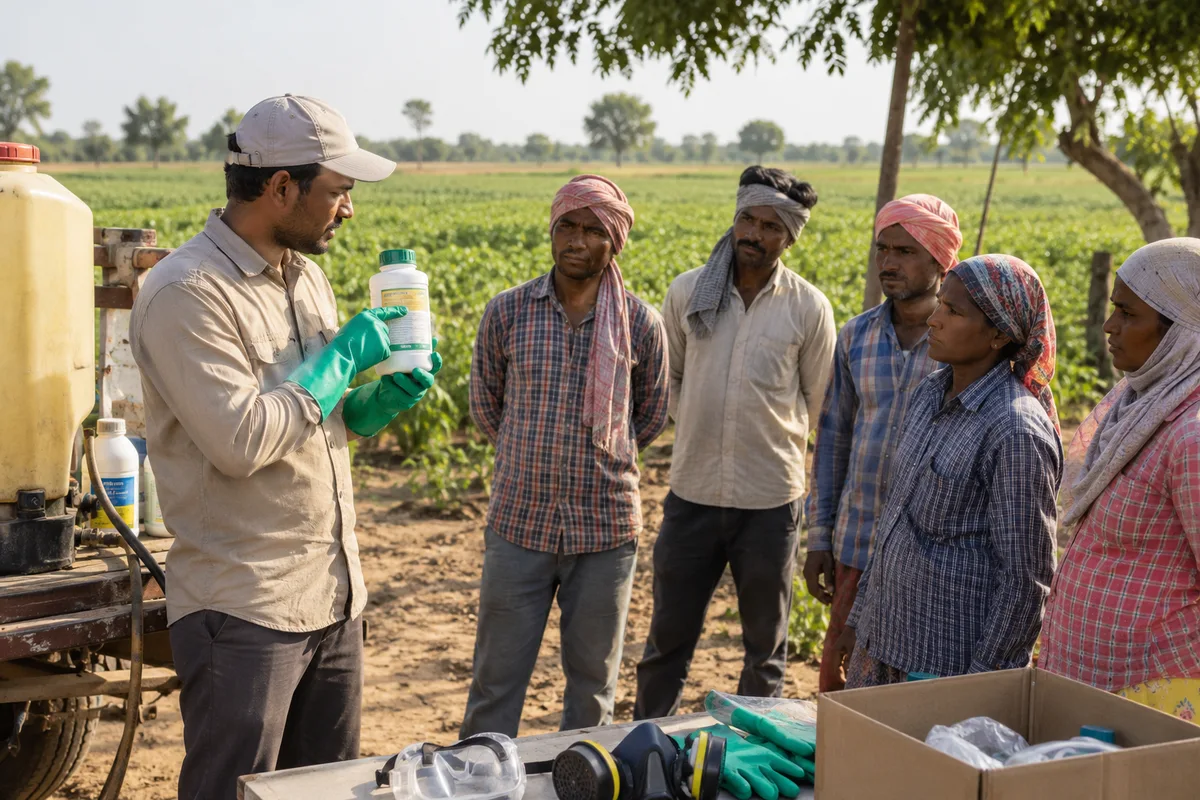
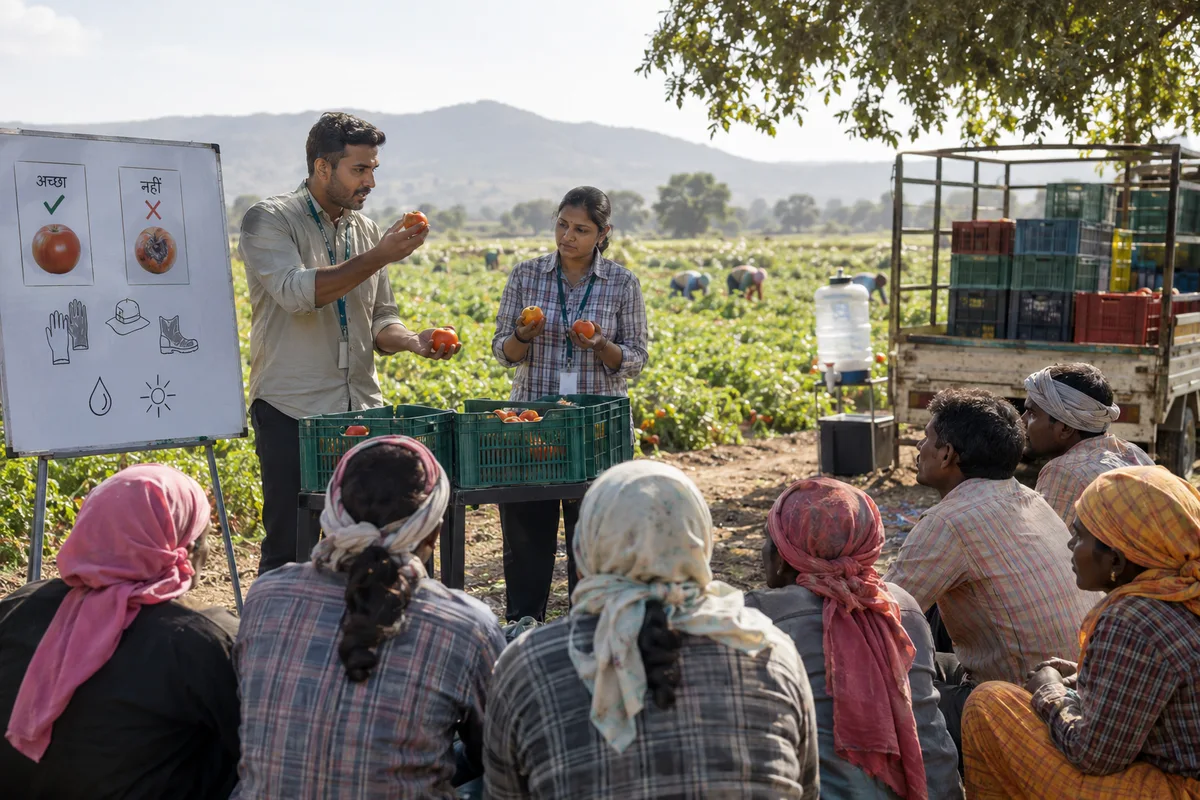
How the recruitment for permanent roles works →Supervisor training covers how to explain a norm without raising a voice, how to hear a complaint at the muster and how to record it. Assistant managers learn to work with sirdars and long-serving families respectfully, while still setting standards. Field staff sessions are held at the muster ground in their own language, with tools such as secateurs and knives shown on the spot. Welfare staff learn to route family concerns correctly. A short session before each flush resets the extra hands on norms, safety and the grievance route.
What you receive
An example, not a client storyTake a young assistant manager who has just arrived from town and is told by a sirdar that this is how things have always been done. A coaching session on listening first, then setting a change step by step with the sirdar's help, gives the manager a way to earn respect and still raise the standard.
How the manager and team training works →The handbook is written in the language of the estate and read aloud at the muster. It covers norms, attendance, rate rules, lines and quarters, creche and dispensary use, and how to raise a grievance. The software holds each worker's section, family details the estate already keeps, housing allotment and training. Assistant managers' postings and career notes sit in a separate, restricted record. We draft in plain words; the owner's qualified adviser confirms the rules on estate labour, housing, welfare facilities and union dealings that apply in your state.
What you receive
An example, not a client storySuppose a family leaves a line and another claims the quarters, and the estate has no written allotment rule. A simple housing policy with a waiting list, checked by the owner's adviser, turns a dispute between neighbours into a procedure that everyone on the line can read, ask about and see applied the same way.
How the policies, handbook and hr software works →We cannot change a remote posting, but we can make it more honest and better supported. We would rewrite the posting brief, add a mentor and a first-year checklist, hold regular check-ins and plan a move after a set period. We would also read the exits to see patterns. Pay and housing decisions stay with you and your adviser.
We write them down in plain words, check them on the weighing floor with a supervisor and a plucker, and share them at the muster before they take effect. Worker representatives are asked what they raise again and again. We do not negotiate for you, and your own adviser confirms union and labour points before any change is issued.
It belongs in the people plan on an estate, so we treat it that way. We would set up a repairs list, a visit routine with the welfare officer and an allotment rule for lines and quarters. We do not build or repair anything, and your adviser confirms the estate housing and welfare duties that apply.
We would start with the age spread by division, then speak to young people in estate families about what would make the work or a supervisor path attractive. We would also review how skills are passed on, from sirdars to new hands. We cannot promise young people will join, but we can lay out a clear path.
GullyHR runs talent acquisition for permanent roles in plantations. For each role we agree the job description with you, find and screen candidates against it, and support the offer through to joining. Tell us the role and the number of people, and we start there.
We recruit permanent employees. We do not supply contract or temporary staff.
Housing, schooling, health and work are tied together, so a dispute at work can quickly become a matter for the whole line.
Pay depends on the weight plucked or trees tapped, and a bad weather week or poor flush causes bitterness about norms.
Young managers posted to remote divisions move to the city or another company, leaving gaps in field knowledge and in contact with workers.
Children of workers prefer town jobs, so pluckers are older each year and the estate struggles to refill the field gangs.
Estate relations involve union representatives and long traditions, and a clumsy decision can cause a stoppage.
In flush months, the estate takes outside workers who need housing and supervision different from resident families.
Start with the topics that matter most here: Employee Relations; Health, Safety and Wellbeing; Career and Succession Management. Then work through the rest. Each topic is written for agriculture and agribusiness, not in general.
Two routes, one for complaints, one for conduct, kept separate.
Induction, records, incident reporting and follow-through.
Named backups for the roles that cannot be vacant.
How many people, in which roles, by when, and what they will cost.
Structure, reporting lines and who is allowed to decide what.
Requisition to joining, the same way every time.
A first day that is the same for the fifth joiner as the first.
Records, attendance, leave and the day-to-day HR that must simply work.
Salary structure, payroll inputs and a month that closes on time.
Goals, reviews and ratings that hold up in a conversation.
Training planned from need rather than from the calendar.
Communication, recognition and the conditions people actually work in.
Policies a manager can apply, and obligations with owners and dates.
Who leaves, when, why, and which of them mattered.
Resignation to relieving letter, in a defined order.
Records that survive people, and approvals that do not queue.
A short monthly pack management actually reads.
An HR function that runs the same way every month.
The pieces a plantations business puts in place, in an order that makes each easier. Open any card for the detail.
A one-page note on plucking or tapping norms, extra rates and weather adjustments, shared with sirdars and worker representatives.
A one-page note on plucking or tapping norms, extra rates and weather adjustments, shared with sirdars and worker representatives. See compensation benchmarking.
Someone who listens in the line, records the matter and answers in days.
Someone who listens in the line, records the matter and answers in days. Grievance and disciplinary process shows the steps.
A clear path from trainee to assistant to manager, with postings and a mentor, so the best do not leave for the city.
A clear path from trainee to assistant to manager, with postings and a mentor, so the best do not leave for the city.
A route for workers' children into supervisory, factory and office roles, with training and a fair selection method.
A route for workers' children into supervisory, factory and office roles, with training and a fair selection method.
A list of what is provided, who maintains it and who decides, reviewed with representatives each year.
A list of what is provided, who maintains it and who decides, reviewed with representatives each year.
Where they stay, who supervises them and how they are paid, written before the season opens.
Where they stay, who supervises them and how they are paid, written before the season opens.
Confirm with a qualified professional. What applies to you depends on your business, your state and your arrangements, and it changes. This page describes practice. It does not state a legal position.
A clear, fair route for line and division disputes that keeps small matters small.
Safe working in the field, factory and lines, and wellbeing for families.
Planning the next generation of managers, supervisors and skilled workers.
Norms, rates and manager pay set against comparable estates.
Start with a free conversation, or see the paid HR Diagnostic.
Understand the business, its workforce, current processes and HR challenges.
Find the missing, weak, inconsistent or person-dependent processes.
Create the structure, processes, policies, SOPs, dashboards and systems needed.
Help HR and department managers actually adopt the new system.
Digitise repetitive and approval-based workflows where it is worth doing.
Track hiring, attendance, employee cost, performance, training and attrition.
Strengthen the people-management system continuously, not once.
From the GullyHR blog: one on HR in agriculture and agribusiness, and one on each of the topics this page points to.
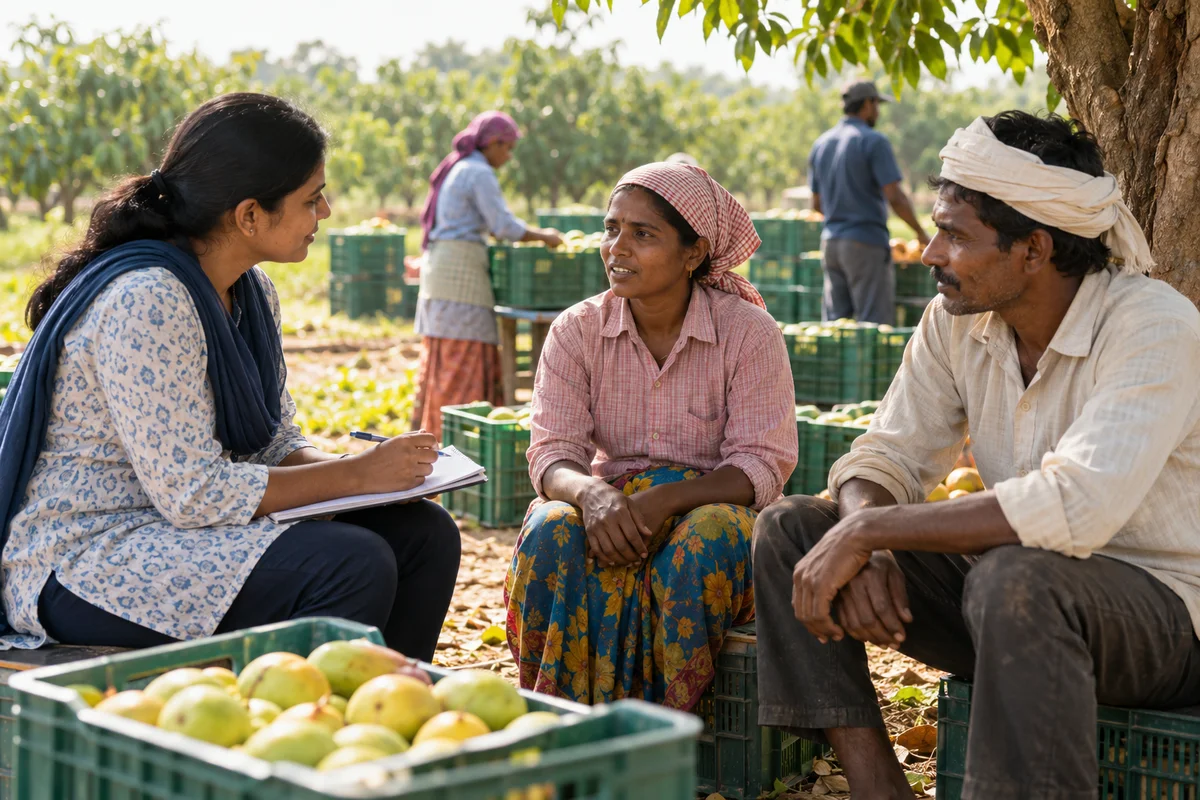
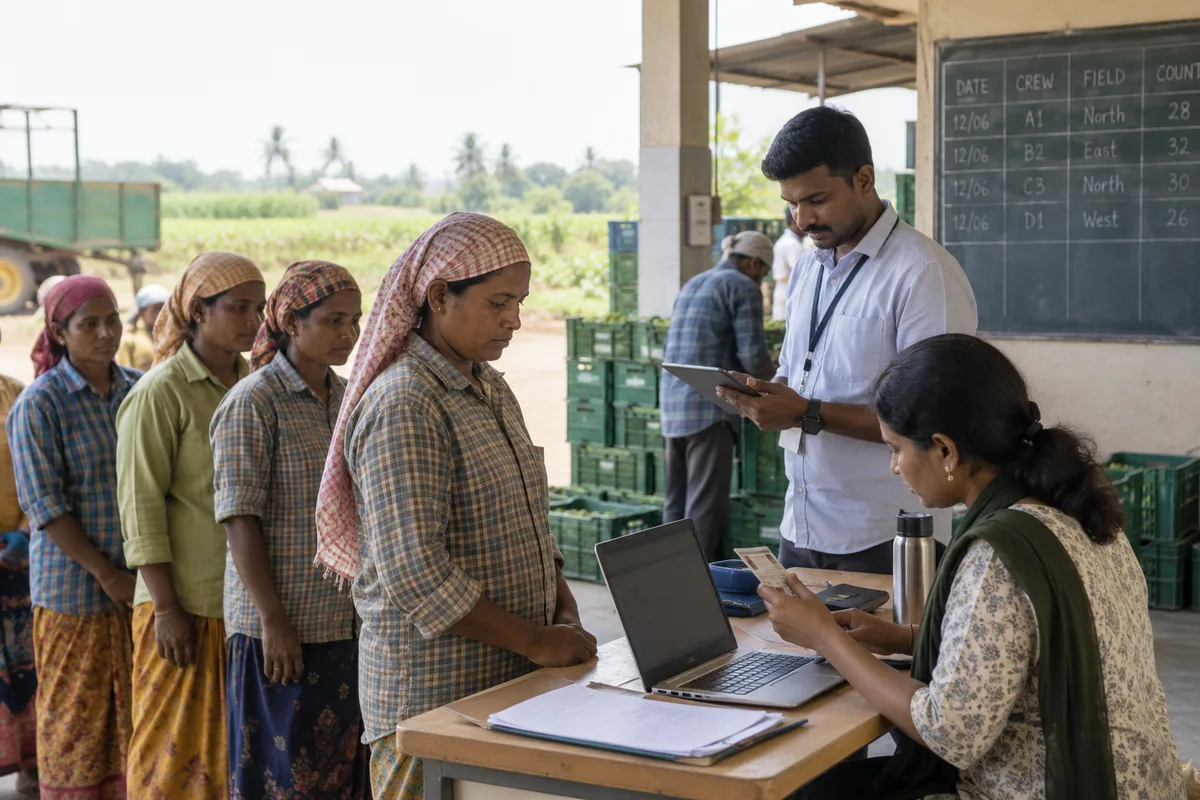
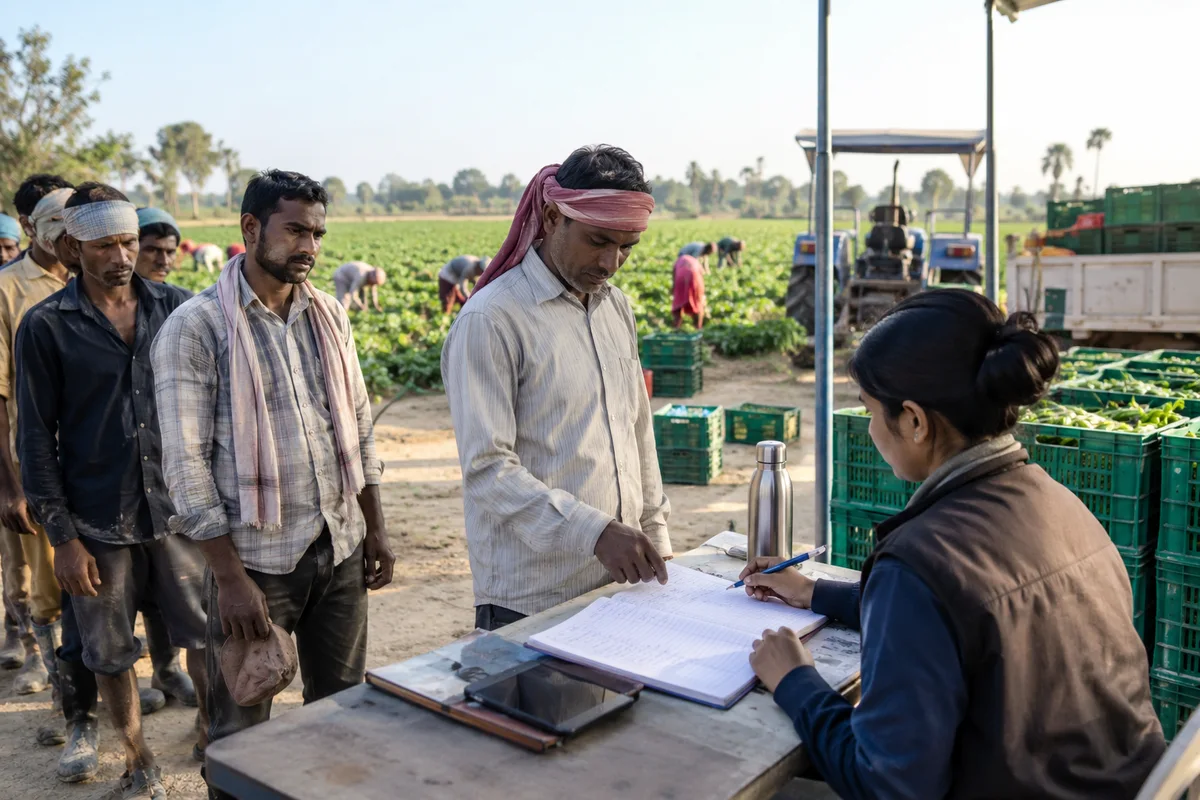
Seasonal crews, field officers and processing staff leave for different reasons. How to ask what shaped their decision and act before next season.
7 min readRead article
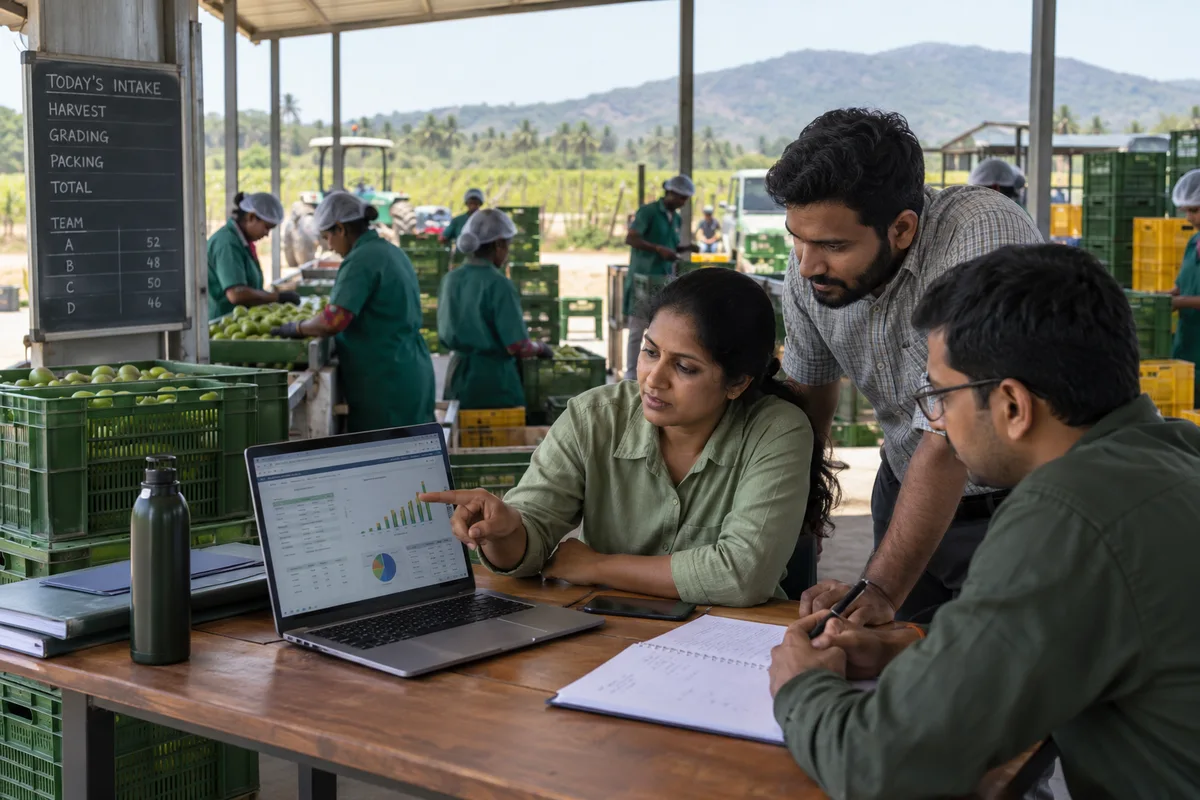
An employee brings you a complaint about their supervisor. What happens next should not depend on who is in the room. A grievance procedure a small company can actually run.
8 min readRead article
A shift, weekly and monthly safety routine for rubber plants that names who checks platen guards, mill trip bars, autoclave doors, burst-test cages and slings, and who acts on near misses.
7 min readRead article
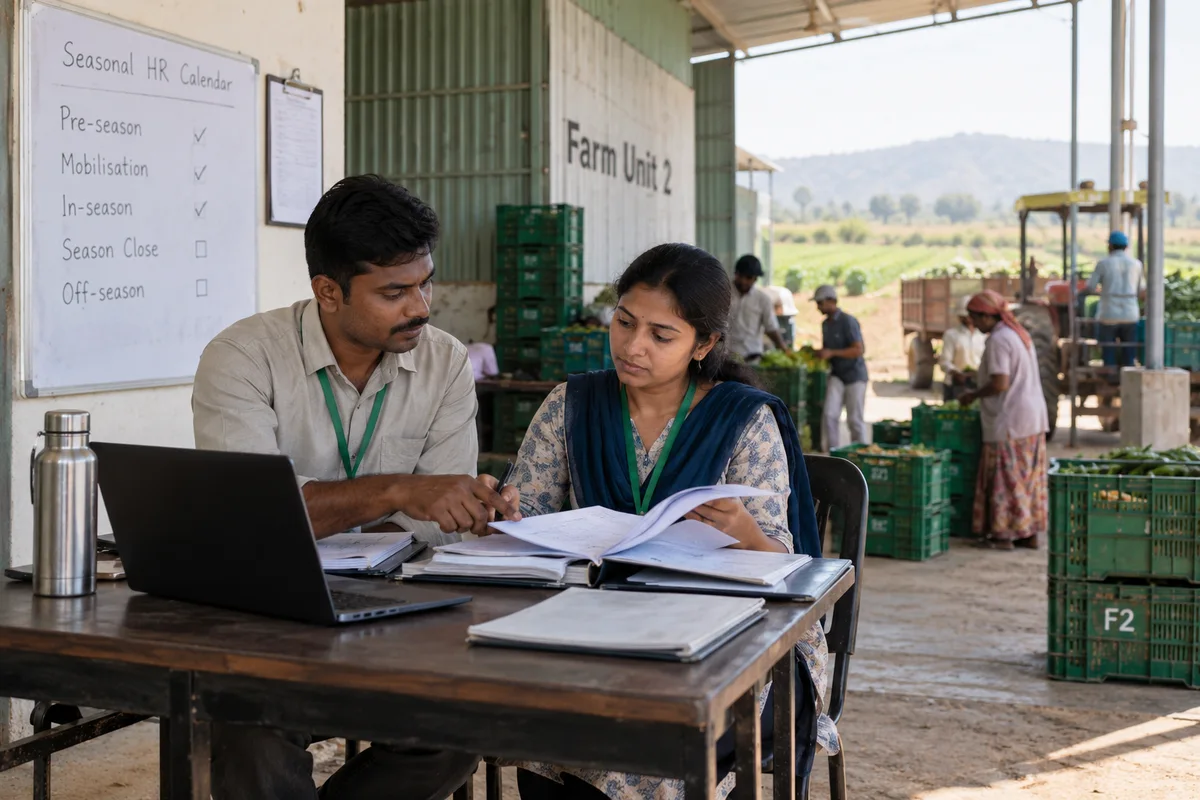
A two-hour exercise that names the roles you could not fill quickly, who could cover them, and what readiness would actually require.
7 min readRead articleMore on the GullyHR blog.
Isolation, a limited career path and weak mentoring. A clear route to a manager role, regular visits to town and a senior who coaches them keep more of them.
Share the norm and weather rule in writing, review with worker representatives each season and settle a bad-weather week the same way each time. Surprises create the anger.
Offer clear roles beyond plucking, such as supervisor, factory or clerical positions, with fair selection and training. Better housing and a path are the best draw.
Meet regularly, share plans early and record what was agreed. Do not use meetings only for trouble. A routine channel heads off disputes.
They can, if housing, pay and supervision differ greatly. Set clear rules and explain them to both groups so that neither feels treated unfairly.
First we would visit a division, meet the manager, assistants and worker representatives and read recent grievances. A grievance route and an assistant manager path are natural first steps, with scope written for your sign-off.
All 7 business types in farms and agribusinesses · Find another business type
See all HR topics for agriculture and agribusiness, or another industry.
Tell us your industry, team size and the issue you want to address. Bring one example of where work gets delayed or ownership is unclear, and the deadline or decision you are working towards.