Manufacturing · Electroplating and surface finishing units
HR for Electroplating and Surface Finishing Units: Bath Lines, Chemicals and Quality
Parts arrive raw and leave coated, anodised, painted or polished, and the work involves chemicals every day. Here is how to run the people side of a finishing unit.
Make this work for your business. Share your team size, priorities and what you need help with. We’ll use your brief to prepare for the first conversation.
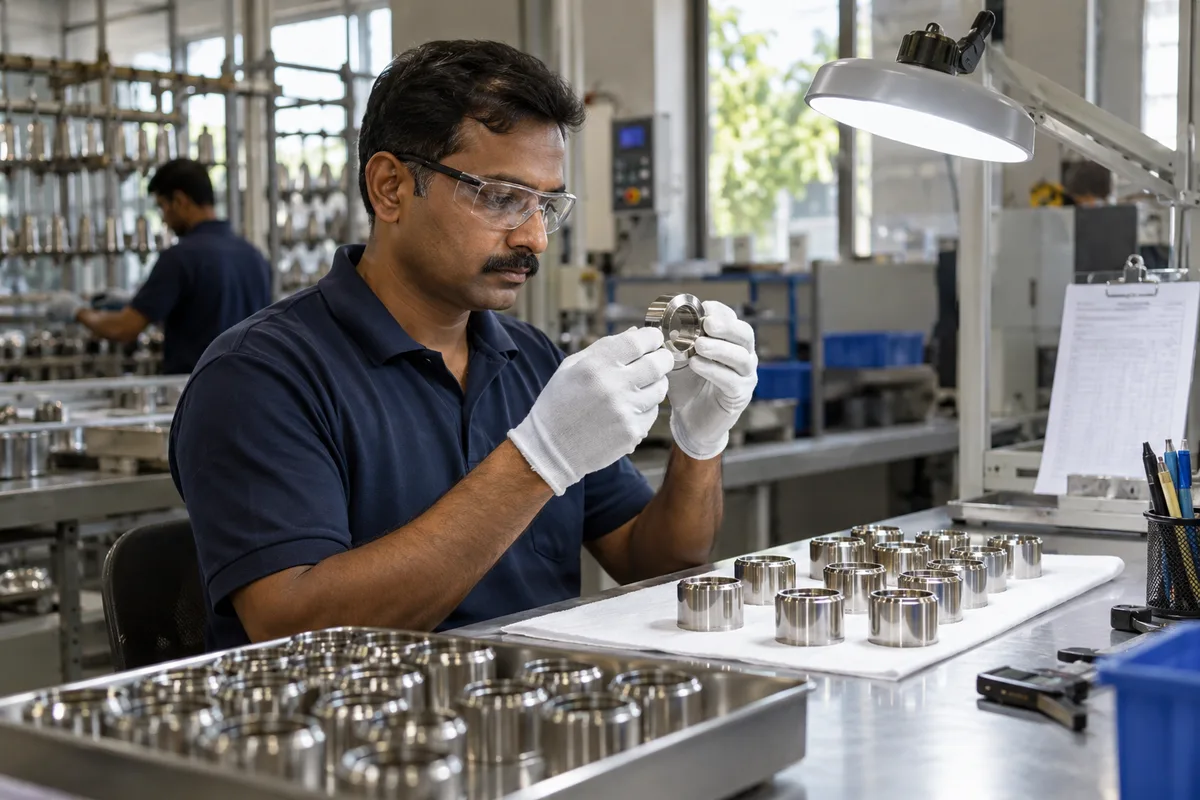
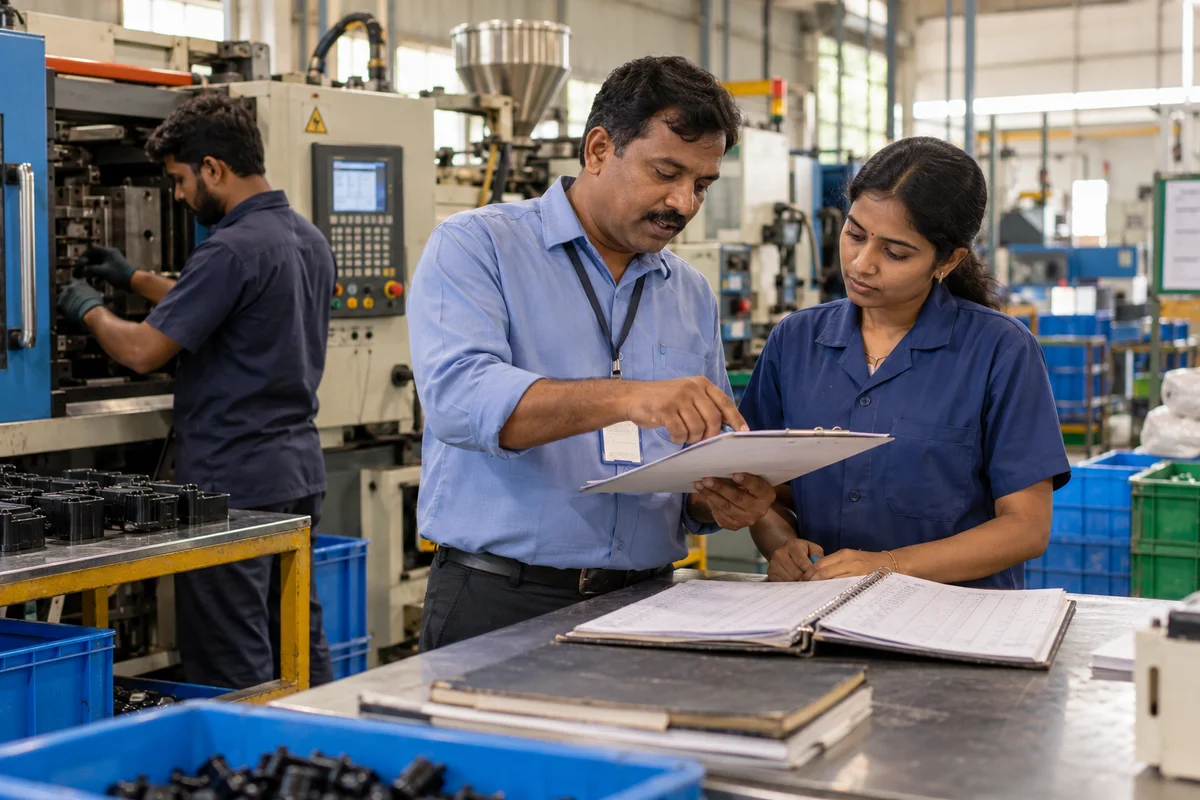
An electroplating or surface finishing unit takes parts from automotive, electrical, hardware and engineering customers and gives them a coating or finish: zinc, nickel, chrome, anodising, galvanising, powder coating or painting. The shop has pretreatment, bath or spray lines, drying, inspection and packing, plus a small lab to check thickness and solution strength. Much of the business is job-work against customer deadlines, so lines run long and batches arrive unevenly. Staff handle acids, alkalis and heated baths, and effluent treatment is part of daily life. A good bath operator is hard to replace. See also HR for manufacturing.
Plan→
Hire→
Onboard→
Manage→
Develop→
Perform→
Engage→
Retain→
Exit→
Improve
When HR is weak in electroplating and surface finishing units, you may see
Chemical exposure builds up quietly
Training on chemicals is informal
Bath chemistry depends on a few people
Workers move on after short stints
Deadlines push long shifts
These are the places the people side of this kind of business tends to give way. The rest of this page works through them.
Why GullyHR for electroplating and surface finishing units
Bath lines that run safely and do not hang on one operator.
For electroplating and surface finishing units that run acids, alkalis and heated baths for automotive, electrical and hardware customers. Chemical tasks are taught first, shifts are capped and bath control is written down.
01
Each chemical task taught before it is done
A short sign-off for handling acid, topping up a bath and responding to a spill comes before anyone works on a line, so training stops being whoever happens to be nearby.
02
Time at each line recorded
We set up a simple record of who works at which bath and for how long, so exposure is visible to the supervisor and not discovered after someone feels unwell.
03
Bath control steps on paper
The senior operator's checks on temperature, strength and timing are written as steps and a second person is trained, so a bath does not depend on one man being present.
04
Long shifts capped on chemical work
A rule on the longest continuous stretch at the plating line, with rest and rotation, gives the supervisor a reply when a customer deadline pushes for more.
Our services for electroplating and surface finishing units
Start with any one of these. Scope and fee are agreed in writing after a free first conversation.
HR audit
We begin on the shop floor, speaking to bath line operators, rack loaders, spray and powder coating staff and the effluent treatment operator. We ask each to describe the spill procedure and compare the answers. Then we read the shift and attendance records for the plating line to see the longest continuous stretches and who rotates. We check whether bath control steps exist anywhere other than in a senior operator's head. The lab technician and the line supervisors are interviewed last. The report ranks gaps by how quickly they could hurt someone.
What you receive
A spill and chemical handling comparison across the people you asked
A line-by-line record of who works where and for how long
A bath control dependency list showing which baths rest on one person
An example, not a client storyPicture a plating unit where three line workers are asked what to do if acid splashes on a colleague and each describes a different first step. The audit records the three answers side by side, and the training service then builds a single routine the whole shift learns and practises.
We start with the chemical task sign-off, listing each task a worker may do, what must be taught first and who signs. Next we document bath control with the senior operator, step by step, covering the checks on temperature, strength and timing, what to record and who to call if a reading is off. Then we write the rotation rule that moves people between baths, spray and inspection. Last comes the shift handover, so the incoming supervisor knows what is running, what is waiting and which baths need attention.
What you receive
A chemical task sign-off sheet listing each task and its teacher
A bath control step guide written with your senior operator
A shift handover note format covering running lots and bath status
An example, not a client storySuppose the senior operator falls ill on a morning when a large automotive batch is due, and nobody else knows the checks he makes on a nickel bath. A written step guide, trained to a second person, would have let the line run through the morning while he recovered at home.
Each week we review who worked at each line, for how long, and whether any shift ran past the cap. We keep the chemical sign-off record current, so a new hand is not placed at a bath before the teacher has signed. We hold conversations with workers who are about to leave and with supervisors under deadline pressure. We follow up on any near miss or exposure complaint. We also keep the crew list stable, noting who is learning which bath, so skills spread on purpose.
What you receive
A weekly line crew and shift note for the owner
A live sign-off record showing who may work which task
A near-miss and exposure follow-up log kept for the owner
An example, not a client storySay a customer pushes a rush lot and a supervisor keeps the same two operators on the chrome line for a long stretch. A weekly look at the shift record, and a cap with a named person who can approve an exception, would have caught it and brought in rotated hands.
A good bath operator is hard to replace, so we first write what the role does: reading the bath, adjusting, recording, handling chemicals and knowing when to stop a line. We then source from similar units and technical institutes, screen with scored questions, and set a floor task such as describing the checks for a zinc or nickel bath. For chemists and effluent operators we add questions on testing and recording. The shortlist shows each candidate's scores and why, so the owner and the senior operator can discuss the choice with evidence.
What you receive
A role card for bath operator and plant chemist with daily duties
A floor task and scoring sheet for operators and supervisors
A shortlist report with scores and reasons for every finalist
An example, not a client storyTake a unit that hires an operator who talks well about plating but has never worked a heated bath, and finds out when the first batch comes back with patchy coating. A floor task that asks the candidate to describe the checks on a real bath would have shown it earlier.
Line training covers how to handle acids and alkalis, protective gear, what to do in a spill, how to work near heated baths and how to rack and unrack safely. We run it at the unit with the people who will do the tasks, and sign off each one. For supervisors we teach how to brief a line at shift start, rotate people between baths and spray, record near misses and respond when a customer asks for a rush. Your adviser confirms the safety and exposure rules that apply to your processes.
What you receive
A chemical handling and spill response session with a sign-off per worker
A supervisor workshop on shift briefings, rotation and handling rush requests
A protective gear check card for each line
An example, not a client storyPicture a new rack loader placed at a bath on his first morning because the line is short, with no one having shown him the splash drill or where the eyewash is. A session taught before the first shift, with a sign-off on file, is the fix, and the supervisor checks it before the line starts.
The handbook is short and on the wall as well as in the file. It covers which tasks need a sign-off, the longest continuous stretch on chemical work, rest and rotation, protective gear issue and return, spill and exposure reporting, and what happens when a worker feels unwell. The HR system holds each person's sign-offs, line history, shift hours and gear issued, so the supervisor and owner can answer who was where. Your own adviser confirms the factory, chemical-handling and employment duties that govern the unit.
What you receive
A short illustrated handbook for line workers and supervisors
A shift-limit and rotation rule for chemical work with an exception route
A line history and sign-off record in your HR software
An example, not a client storySuppose a worker complains of dizziness after a long shift on a plating line and the unit cannot show where he had worked for the past week. A line history record, kept in the HR system and checked by the supervisor, would have told the owner at once, and shown the supervisor who else had worked the same line.
Questions owners of electroplating and surface finishing units ask us
HR cannot replace engineering controls or your safety adviser, but it can set the people routines around them: a taught and signed-off task list, a record of who works at each bath and for how long, rotation and a shift cap. We make sure the training is real and recorded. Your adviser confirms the legal duties.
We sit with him and write the bath control steps in his words: what he checks, what he adjusts, what he records and when he stops the line. Then we train a second person against the sheet. We cannot promise he stays, but the unit stops depending on one man and the owner can offer a clear path.
Partly. We would speak to leavers and current staff to find out whether it is pay, shift length, the chemical work or the supervisor. Then we fix what can be fixed: a proper first week, a stable crew at each line and a path from rack loader to operator. We cannot promise people stay, but the unit will know why they go.
It can if it comes with an exception route. We would write the longest stretch on chemical work, rest and rotation, and a named person who can approve a one-off extension and records why. That gives supervisors something to say to a customer. Your adviser confirms the working-hours and rest rules that apply to your unit and your workers.
Who does the work in electroplating and surface finishing units
Roles we help you hire in electroplating and surface finishing units
GullyHR runs talent acquisition for permanent roles in electroplating and surface finishing units. For each role we agree the job description with you, find and screen candidates against it, and support the offer through to joining. Tell us the role and the number of people, and we start there.
We recruit permanent employees. We do not supply contract or temporary staff.
Where HR strains in electroplating and surface finishing units
Chemical exposure builds up quietly
Fumes, splashes and skin contact affect workers over months, yet nobody tracks who works at which bath, for how long, or who has complained of symptoms.
Training on chemicals is informal
New workers learn by watching a colleague, so handling, mixing, spill response and protective gear differ from one person to the next.
Bath chemistry depends on a few people
Solution control, additive dosing and troubleshooting a bad finish are known by one chemist or senior operator, and quality shifts when that person is away.
Workers move on after short stints
The work is unpleasant and wages are modest, so many leave within months, and every exit means starting a new person on hazardous tasks.
Deadlines push long shifts
A customer's rush order extends line hours, and fatigue on a chemical line raises the chance of an error with real consequences.
HR topics for electroplating and surface finishing units
Start with the topics that matter most here: Health, Safety and Wellbeing; Learning and Development; Retention and Attrition Management. Then work through the rest. Each topic is written for manufacturing, not in general.
The pieces a electroplating and surface finishing units business puts in place, in an order that makes each easier. Open any card for the detail.
Teach each chemical task before it is done
A short practical session with a check for each hazardous task, such as mixing, topping up, loading and spill response, recorded against the person.
What this coversHide
A short practical session with a check for each hazardous task, such as mixing, topping up, loading and spill response, recorded against the person. The workplace health, safety and wellbeing work shapes the routine.
Record time spent at each line
A simple record of who works at which line and shift, and a periodic health check routine decided with a qualified doctor, so exposure is visible.
What this coversHide
A simple record of who works at which line and shift, and a periodic health check routine decided with a qualified doctor, so exposure is visible.
Document bath control steps
A written routine for solution testing, additions and shutdown, with a second person trained on each step.
What this coversHide
A written routine for solution testing, additions and shutdown, with a second person trained on each step. The competency and talent management approach tracks it.
Build a stable line crew
Fixed teams per line with a realistic wage progression and a rotation rule so no one stays at the worst task for long.
What this coversHide
Fixed teams per line with a realistic wage progression and a rotation rule so no one stays at the worst task for long. See compensation benchmarking.
Cap long shifts on chemical work
A rule on maximum continuous hours and breaks on bath lines, with a clear approval for rush orders.
What this coversHide
A rule on maximum continuous hours and breaks on bath lines, with a clear approval for rush orders. The attendance and shift process handles it.
Ask three line workers to describe the spill procedure and compare the answers.
List who works at each bath and for how long they have done so.
Name a second person who can control each bath if the senior operator is away.
Check the longest continuous shift worked on the plating line last month.
Confirm with a qualified professional. What applies to you depends on your business, your state and your arrangements, and it changes. This page describes practice. It does not state a legal position.
Why the best operator can struggle as shift supervisor, what it costs the line, and a practical way to choose, prepare and back new supervisors in any kind of plant.
A shift, weekly and monthly safety routine for rubber plants that names who checks platen guards, mill trip bars, autoclave doors, burst-test cages and slings, and who acts on near misses.
A founder's guide to hiring freshers and running a first-year programme: campus or open drives, a screening round, a training plan by quarter, mentors and checkpoints.
What really keeps mobile app and web developers in a small firm: stay conversations, growth paths, fair release rules and a risk sheet an owner can use this month.
The hazards of each chemical, safe mixing and loading, protective gear, spill and first-aid response and who to call. Teach it practically, test understanding and keep a record. Confirm what your site must provide with a qualified professional.
Keep a basic record of who works at which line and for how long, and arrange health checks with a qualified doctor. The record is what lets you act early.
Pay on time, rotate tasks, provide proper gear and a clean rest area, and show a step up in grade after a fixed period. Early leavers cite conditions and unclear growth.
Train a second person on written steps and have them practise under supervision. Without it, the line depends on one individual.
Agree a clear approval for extended hours, share extra shifts fairly and avoid back-to-back long shifts on chemical lines. Check overtime rules with a qualified professional.
We would ask line workers how they would handle a spill, who can control each bath if the senior operator is away, and how long shifts run on the plating line. A good first piece of work is a short chemical-task training routine and a named second person for every bath. Anything we take on is scoped in writing first.
Tell us your industry, team size and the issue you want to address. Bring one example of where work gets delayed or ownership is unclear, and the deadline or decision you are working towards.