Chemicals and Specialty Chemicals · Solvent Manufacturers
HR for Solvent Manufacturers: Distillation, Tanks and Fire Risk
A solvent plant recovers, distils and blends thinners and process solvents. Its people risks are static and vapour, column operators who read the still by feel, and a tanker gate that never goes quiet.
Make this work for your business. Share your team size, priorities and what you need help with. We’ll use your brief to prepare for the first conversation.
A solvent manufacturer recovers spent solvent from customers, distils it and blends thinners and process solvents for paint, coating, pharma and industrial buyers. The plant centres on a still or blending vessel, bulk tanks, a tank farm of pumps and pipework, and a gantry for drums and tankers. Spent feed varies from lot to lot, so column operators trim heat and reflux by experience. Tankers arrive all day and drums go out to smaller buyers. Ignition control shapes every job: hot work permits, earthing and bonding, flameproof fittings. A small group of operators and supervisors hold the judgement, and one slip by one person can become a plant-wide emergency. See also HR for manufacturing.
Plan→
Hire→
Onboard→
Manage→
Develop→
Perform→
Engage→
Retain→
Exit→
Improve
When HR is weak in solvent manufacturers, you may see
One missed earthing clip can start a fire
Still operators read the column by feel
Tanker crews bring strangers into the tank farm
Hot work permits are signed after the job begins
Fire drills are ticked, not learned
Drum filling is dull work in heavy vapour
These are the places the people side of this kind of business tends to give way. The rest of this page works through them.
Why GullyHR for solvent manufacturers
Permits signed before the hot work begins, not after.
For owners of solvent recovery and blending plants with stills, tank farms and busy tanker gates. Permits, handovers and operator growth get written down, practised and checked.
01
A handover board for permits and tanks
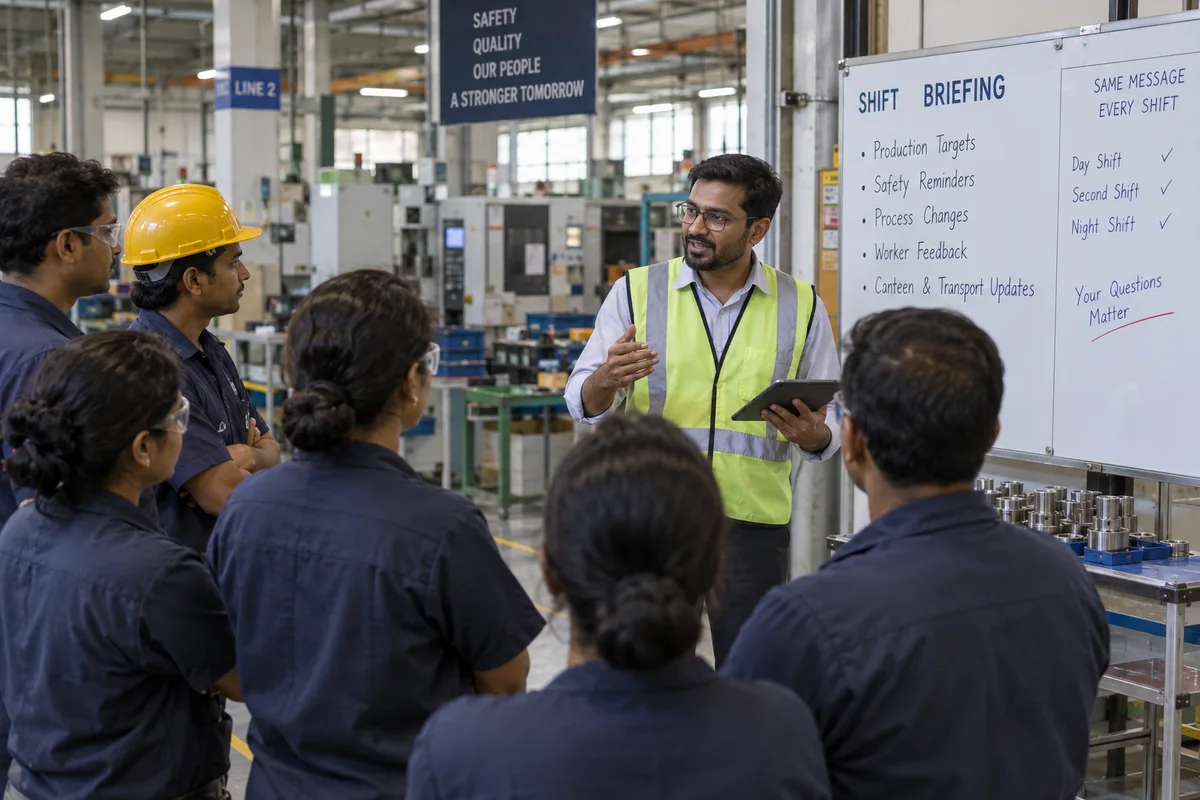
A board that shows open permits and tank status at every shift change, so the incoming in-charge knows what is live before walking into the tank farm.
02
Gate briefings for drivers and visitors
A short, scripted briefing at the gantry gate for every tanker driver and visitor, so strangers never wander into the tank farm unaware of the rules.
03
A ladder for still operators
Named steps from helper to column operator, with a senior beside each learner, so judgement on the still passes on before a veteran retires.
04
Fire drills that mix the shifts
Drills run across mixed shifts with attendance logged and lessons noted, so the fire team is practised and not just ticked off a list.
Our services for solvent manufacturers
Start with any one of these. Scope and fee are agreed in writing after a free first conversation.
HR audit
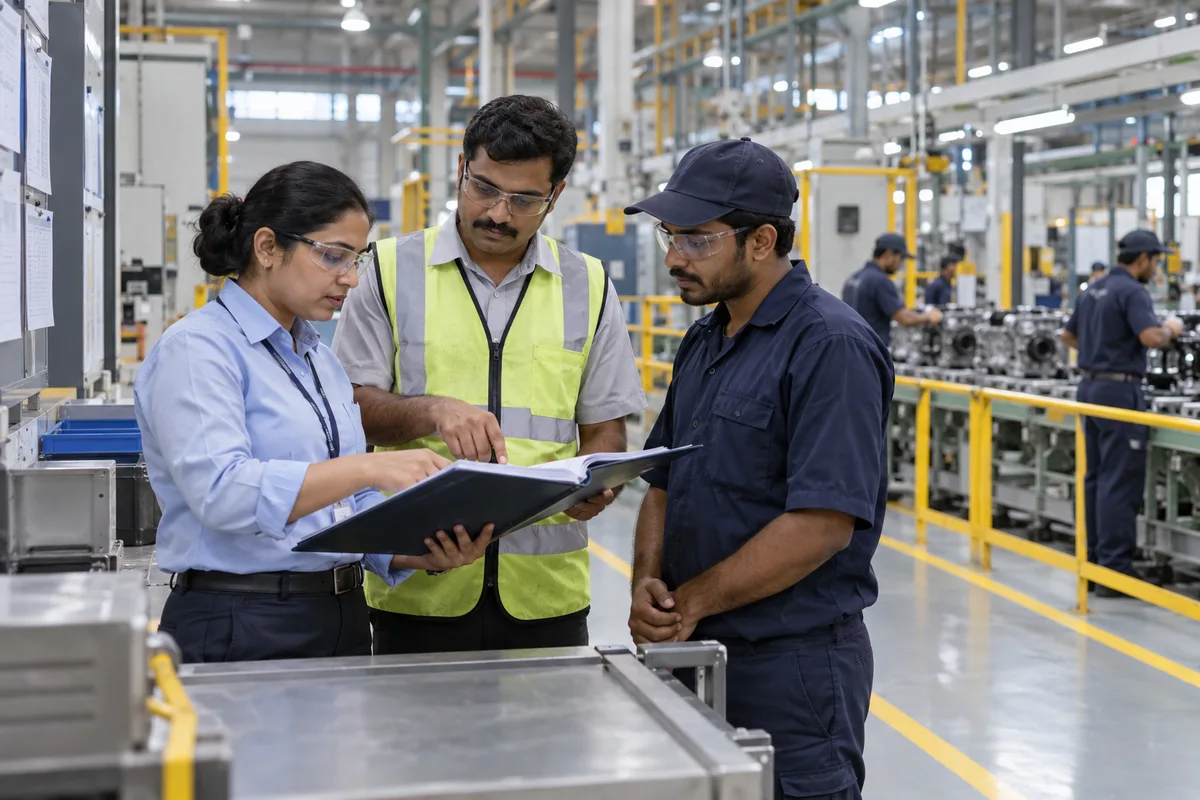
The audit begins with the last few tank farm and hot work permits, checking whether each traces to a named person, a shift and a time before the job began. We then read gate records for tanker drivers and visitors, and ask what each was told. Fire drill attendance is compared with the shift roster. We interview still operators about who can run the column alone and how they learned. Drum bay labelling errors and spills are reviewed last. Findings are ranked, and legal points are left to your own adviser.
What you receive
Permit trace review linking each sampled permit to a person and shift
Gate briefing and visitor record check with gaps listed by shift
Still operator skills map showing who can run the column alone
An example, not a client storySuppose a hot work permit is found signed after the fitter had already started, and nobody on the next shift knew it was open. The audit would trace how the permit moved between shifts, show where the board or handover failed and list the smallest change that would close the gap.
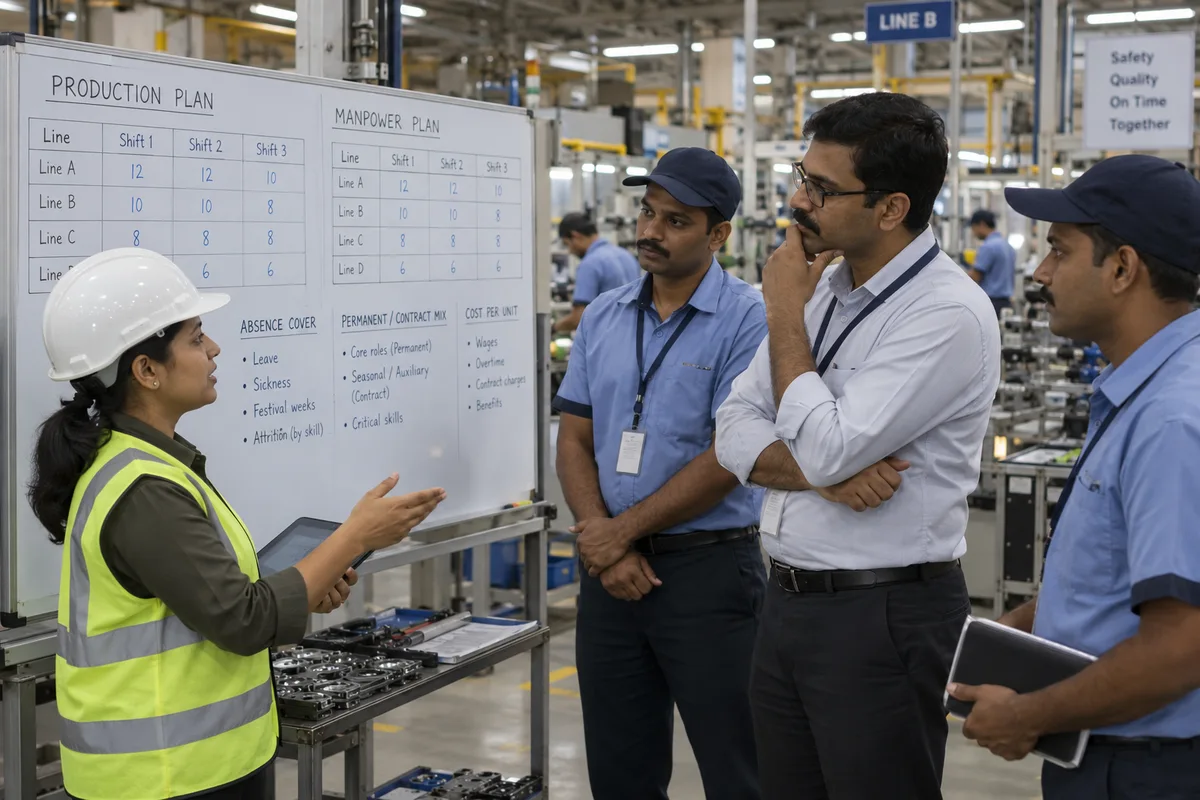
Process design starts with the three routines that count where ignition control shapes every job: the handover board that lists open permits and tank status, the permit routine that ties each signature to a person and a time, and the gate briefing for tanker drivers and visitors. Each is drafted with shift in-charges and gantry crews, then cut to one page. We add a rotation for drum filling and a separate label check, so one person does not carry both. Every routine has a named owner, a cover person and a place on the wall.
What you receive
Shift handover board layout listing open permits and tank status
Permit routine card tying each signature to a person and time
Gantry gate briefing script for drivers and visitors
An example, not a client storyPicture a shift in-charge going home with a hot work permit still open on the loading gantry and a verbal message to the next in-charge. A handover board would show the permit, the location and the person responsible, and the incoming shift would start with the fact, not a half-remembered remark.
Ongoing management gives the plant a steady weekly check. We sit with the safety officer and the shift in-charges to review a sample of permits, gate briefing entries and drill attendance. Still operator development is tracked against the ladder, with the senior operator's feedback recorded. Drum bay rotation and label check records are looked at for gaps. New joiners are followed through their first month, including whether they attended a drill. The owner receives a brief written note each week listing what was found and what was fixed.
What you receive
Weekly permit, gate and drill sample review with a short note
Still operator ladder tracker showing progress and mentors
New joiner first month checklist with drill attendance
An example, not a client storySay three recent joiners have never been through a fire drill because each was hired between two drill dates. Weekly management would notice the gap at once, book a mixed-shift drill and make a new joiner's first drill part of the first month, with attendance recorded where the owner can see it.
Permanent hiring covers the roles that carry judgement and are slow to replace: still and column operators, tank farm and pump operators, flash point analysts, safety officers and plant shift in-charges. Each role profile states plainly the vapour, the heat, the night work and the tanker pattern at the gate. Operators discuss a handover scenario, analysts run a bench exercise and supervisors talk through an open permit problem. All applicants are marked against one written grid. We run the search and shortlist, you decide, and your adviser confirms contract terms.
What you receive
Role profiles describing vapour, heat and tanker pattern plainly
Handover and permit scenario set for operator and in-charge candidates
Single scoring grid applied the same way to every shortlisted candidate
An example, not a client storyTake a plant where the only operator who can read the column by feel is close to retirement. Recruitment would open a permanent search for a successor, use an honest profile and a scored scenario, and pair the new hire with the veteran for a planned handover, so that judgement is written down before the leaving date arrives.
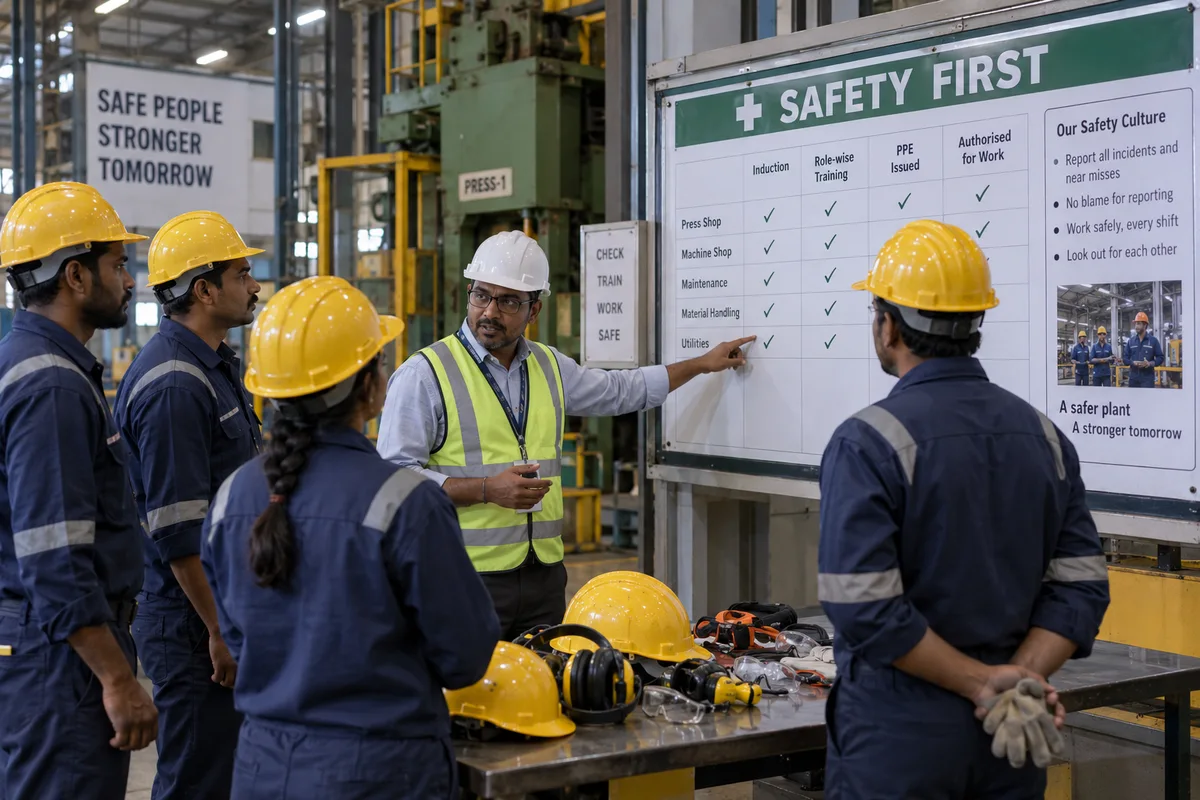
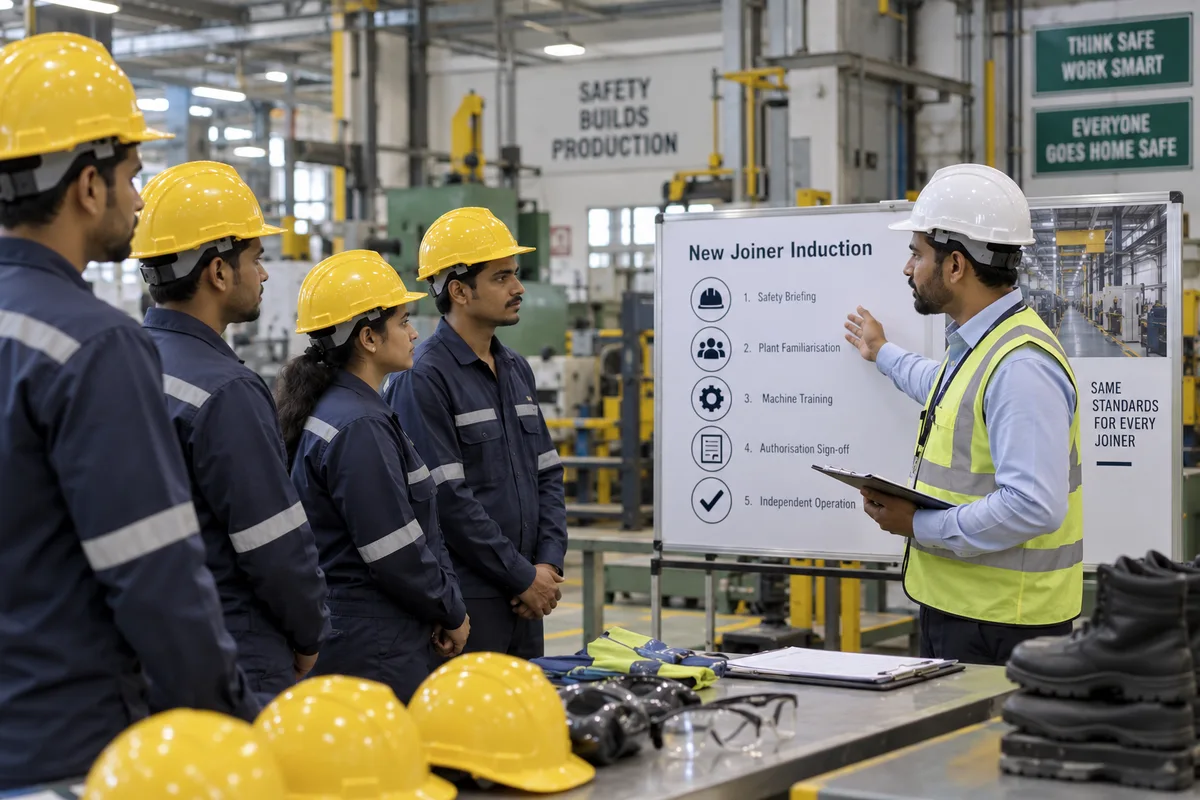
Training begins with the handover board and the permit routine, so operators know what each signature promises. Gantry crews practise the gate briefing for drivers and visitors, including what to say when a driver is in a hurry. Still operators learn from a senior beside them, with a written list of what they may run alone. Fire team members take part in drills that mix shifts and test real roles. Drum bay hands are shown the label check and why it is done by a second person.
What you receive
Permit signature session for operators and shift in-charges on the plant floor
Gate briefing practice for gantry crews with a script
Mixed-shift fire drill plan with roles and attendance log
An example, not a client storySuppose a new tank farm operator is told to follow a colleague and the colleague skips the earthing check because the tanker is late. A short, practised routine with a named second check would give the new operator a clear line to hold, and the colleague a reminder that the tanker's lateness is never a reason to skip a check.
The written set covers hot work and tank farm permits, gantry gate briefings, handover, fire drills, drum bay labelling and contractor and driver conduct. Policies run to a page or two in plain words, each with a sign-off line. HR software holds training dates, drill attendance, operator authorisations and probation notes, with reminders before anything lapses. Wording on the ignition, storage and handling rules comes from your own qualified adviser, because we do not give legal advice. New joiners receive the set on their first day.
What you receive
Permit and handover policy with sign-off lines in plain words
Gate and visitor conduct policy for drivers and contractors
HR software set-up holding drills, authorisations and training dates
An example, not a client storyPicture a new shift in-charge who is promoted from operator and has never been told in writing which decisions are theirs. A clear policy and a system record would show what they can approve, what needs the safety officer and who covers when they are off, which saves the first argument before it starts.
We trace the problem to its cause by reading a sample of permits with the in-charges. Then we write a simple routine tying each signature to a person and a time, put open permits on the handover board and review a sample every week. Safety rules themselves come from your own adviser, and we write them into the routine once confirmed.
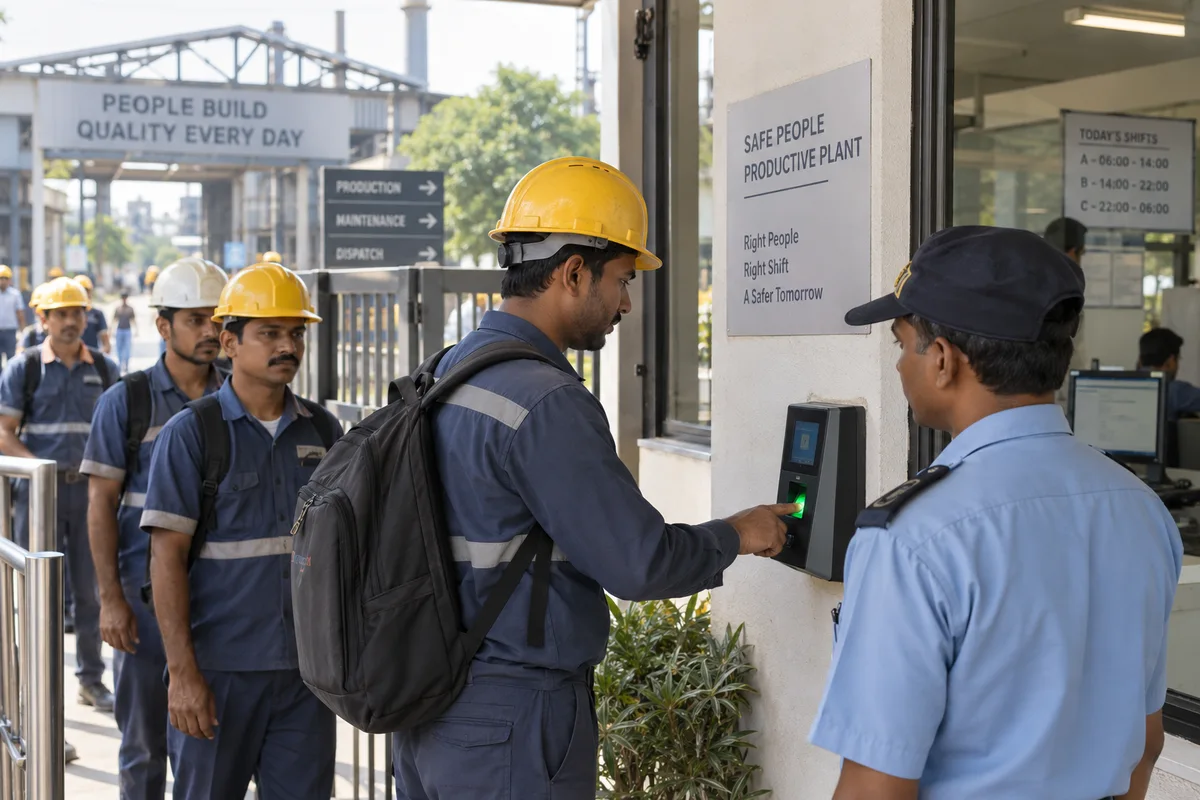
We write a short gate briefing script, train the gantry crew to deliver it calmly and keep a simple record per driver and visitor. The briefing is the same each time, so a rushed shift does not skip it, and the record shows who was briefed. Your adviser confirms the content against the rules that apply to your site.
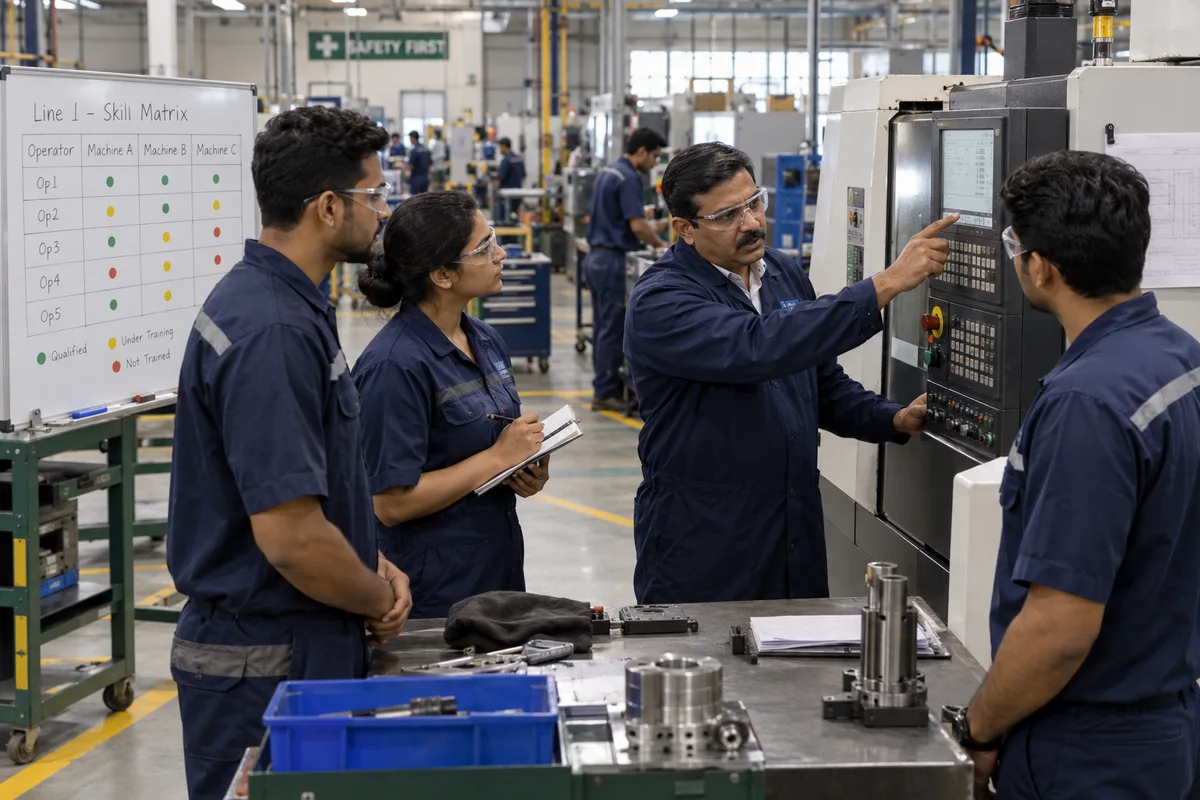
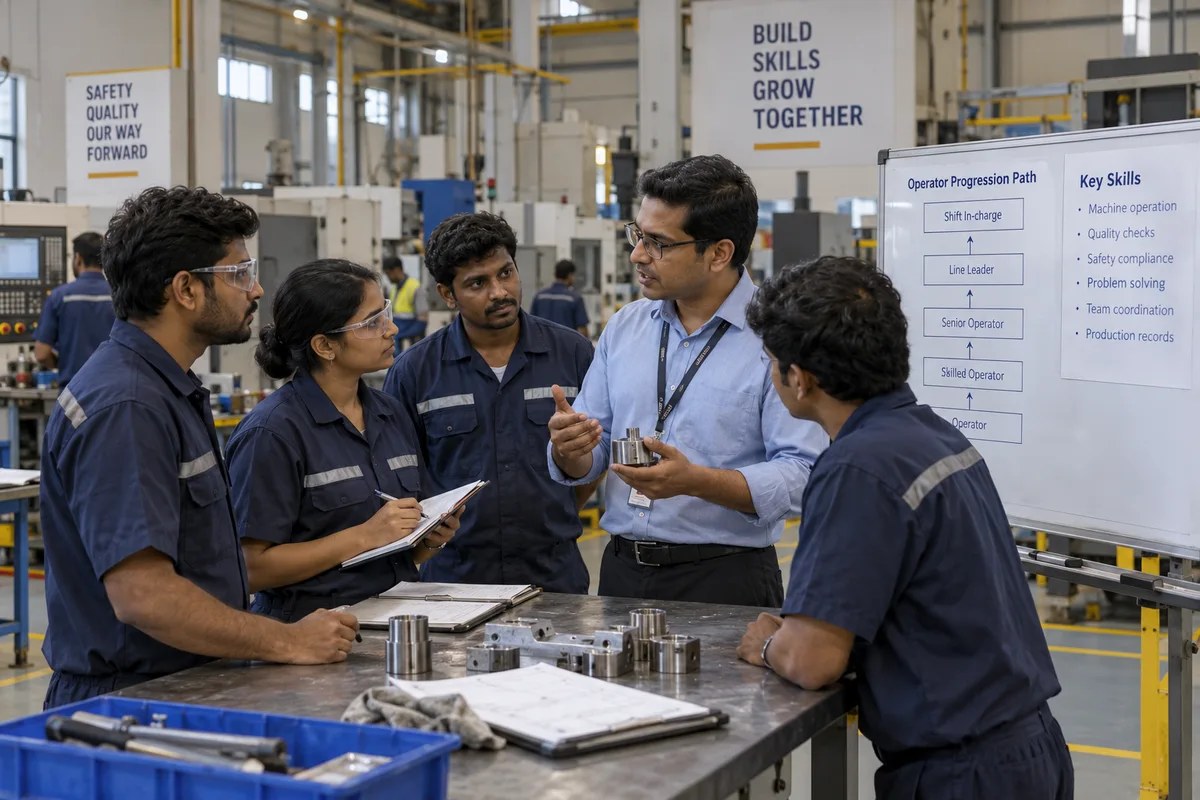
We set out a ladder with named steps, a senior beside each learner and a written list of what each person may run alone. Reviews are recorded and shared with the learner, so progress is visible. Over time the judgement moves from one head to several, and you can plan cover for leave, illness and retirement without panic.
We plan drills across mixed shifts, give each person a real role, record attendance and run a short debrief with lessons noted. New joiners are included in the first month. The point is practised behaviour, not a signed sheet, and your own safety officer leads the technical content while we handle roles, records and follow-up.
Who does the work in solvent manufacturers
Still and distillation column operators
Tank farm and transfer pump operators
Tanker gantry loading and unloading crew
Drum filling and capping hands
Laboratory analysts for flash point and purity checks
Safety officer and fire team members
Weighbridge and dispatch clerks
Maintenance fitters and flameproof electricians
Plant shift in-charges
Roles we help you hire in solvent manufacturers
GullyHR runs talent acquisition for permanent roles in solvent manufacturers. For each role we agree the job description with you, find and screen candidates against it, and support the offer through to joining. Tell us the role and the number of people, and we start there.
We recruit permanent employees. We do not supply contract or temporary staff.
Where HR strains in solvent manufacturers
One missed earthing clip can start a fire
Bonding, earthing and permit habits rest on each person every time, not on the rule chart by the gate.
Still operators read the column by feel
Spent feed changes by the lot, so seniors adjust heat and reflux from experience. Trainees need years to pick it up.
Tanker crews bring strangers into the tank farm
Drivers and cleaners from several transporters enter daily with different habits and almost no induction.
Hot work permits are signed after the job begins
With a tanker waiting, the paper follows the spanner. The next shift never learns which line was opened.
Fire drills are ticked, not learned
Drills are timed and filed, yet people forget the assembly point. New joiners miss them entirely.
Drum filling is dull work in heavy vapour
Hands fill and cap drums in a noisy bay. Tiredness shows up as spills and the wrong label on a drum.
HR topics for solvent manufacturers
Start with the topics that matter most here: Health, Safety and Wellbeing; Policies, Compliance and Governance; Learning and Development. Then work through the rest. Each topic is written for manufacturing, not in general.
The pieces a solvent manufacturers business puts in place, in an order that makes each easier. Open any card for the detail.
Put open permits and tank status on a handover board
Each shift hands over every open permit, line opened and tank level in person.
What this coversHide
Each shift hands over every open permit, line opened and tank level in person. The attendance, shift and leave process reserves a handover slot in the roster.
Brief each driver and visitor at the gantry gate
A short standard induction, a gear check and a named escort to the bay.
What this coversHide
A short standard induction, a gear check and a named escort to the bay. The health, safety and wellbeing work builds the routine.
Grow still operators on a ladder
Tank helper, then transfer pump operator, then column assistant, with a senior's sign-off at each rung.
What this coversHide
Tank helper, then transfer pump operator, then column assistant, with a senior's sign-off at each rung. See the learning and development process.
Run drills across mixed shifts and log attendance
Hold a brief debrief after each drill and keep a list of newcomers who have yet to attend, so nobody stays untrained for long.
What this coversHide
Hold a brief debrief after each drill and keep a list of newcomers who have yet to attend, so nobody stays untrained for long.
Rotate the drum bay and separate the label check
A roster moves people out of the vapour at set times.
What this coversHide
A roster moves people out of the vapour at set times. A second person checks the label before any drum leaves the bay.
Open the last few tank farm permits and see if each traces to a named person and shift.
Count the tanker drivers who came in last week and note what briefing each had.
List who can run the still alone and who is learning beside them.
Ask the last three joiners whether they attended a fire drill in their first month.
Go through the labelling errors and spills logged at the drum bay.
Confirm with a qualified professional the registration, record-keeping and employment duties that bind a flammable-liquid plant like yours.
Confirm with a qualified professional. What applies to you depends on your business, your state and your arrangements, and it changes. This page describes practice. It does not state a legal position.
Why the best operator can struggle as shift supervisor, what it costs the line, and a practical way to choose, prepare and back new supervisors in any kind of plant.
A shift, weekly and monthly safety routine for rubber plants that names who checks platen guards, mill trip bars, autoclave doors, burst-test cages and slings, and who acts on near misses.
How a local head can sort a global parent's HR policies into apply, adapt or replace, write a local addendum with advisers, and keep headquarters on side.
A founder's guide to hiring freshers and running a first-year programme: campus or open drives, a screening round, a training plan by quarter, mentors and checkpoints.
Keep each rule short, have supervisors check it every shift and log near misses without blame. People follow what they see checked.
Use a staged ladder with a senior as guide and written sign-off at each rung. Give it time, since this skill builds slowly.
Name one person per shift to brief and escort them, and keep a simple gate log of who was briefed.
Treat it as serious, record the facts and follow a written disciplinary process. Check legal steps with a qualified professional.
Rotate people through the bay, give regular breaks and make the label check a separate step.
We would go through your recent tank farm permits with you, count the drivers briefed last week and ask who is learning the still. A sensible start is a visible permit handover and a gate induction for drivers. We agree scope in writing after that talk.
Tell us your industry, team size and the issue you want to address. Bring one example of where work gets delayed or ownership is unclear, and the deadline or decision you are working towards.