
Learning and development process for Repair Service Businesses: from trainee to senior technician
A repair business is as good as the faults its people can diagnose. Learning has to spread difficult skills from the one or two experts to the whole bench.
Not sure what you need? Tell us about your business in six short steps and we will come to the first meeting prepared.
Share your requirementsWhy learning and development process matters in repair service businesses
Most repair technicians learn by watching a senior person and fixing easy jobs for a year. The hard faults stay with the expert because no one else has seen them done. When that expert is busy or leaves, the shop turns away work or sends it back half fixed.
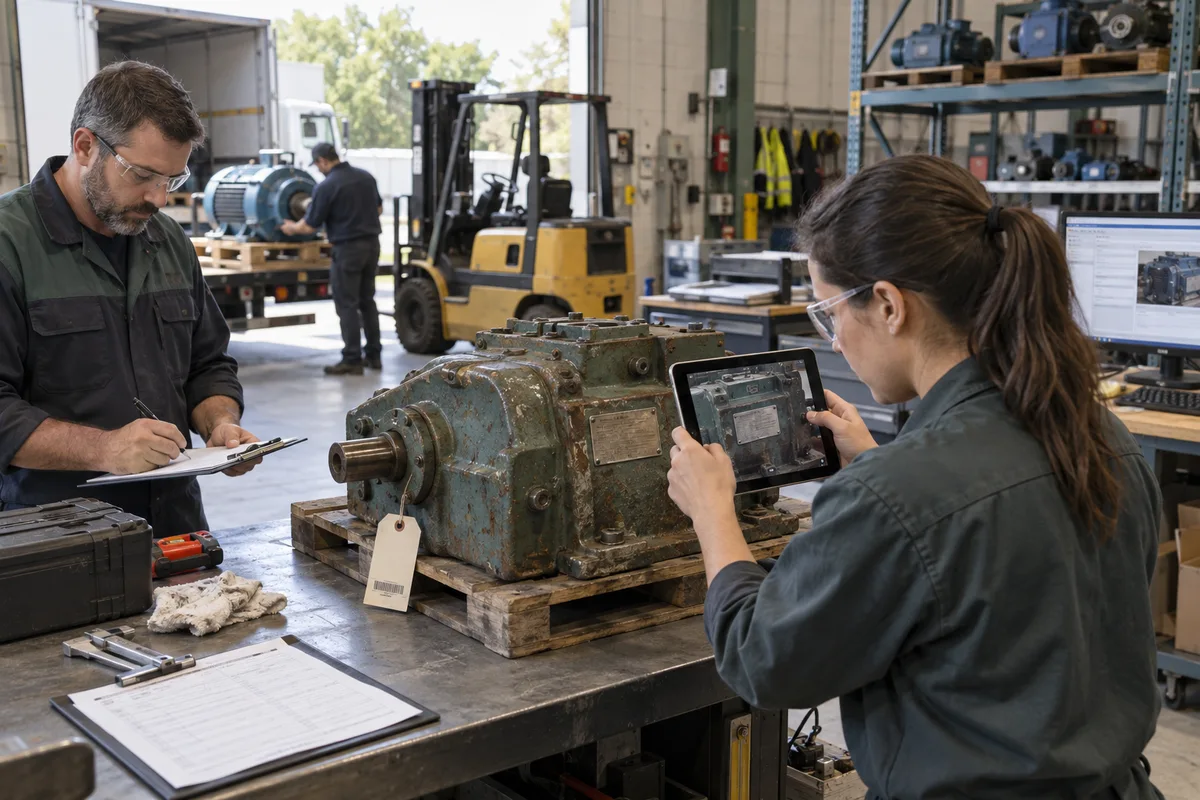
A better path lists the faults at each level, pairs a junior with the senior on live jobs and records what has been signed off. Short bench sessions on a returned job teach more than a yearly brand course. Counter and field staff need their own simple learning too.
New products arrive faster than most benches can learn them. When a new model or fault type comes in, whoever touched it first becomes the only expert. A habit of writing down the fix, with photos and parts used, spreads the learning without extra training time.
How to set it up
1. List faults by level
Write the common, tricky and rare faults for your main product lines, and mark which level should handle each.
2. Sign off job by job
The senior watches a repair and signs the name and date. Titles follow signed jobs, not years in the shop.
3. Hold a weekly returned-job review
Take one callback, open it on the bench and walk through the fault together. Rotate who explains.
4. Teach the counter and field staff to explain
Plain words for a fault, a delay and a cost. Practise with real recent cases and check how customers respond. Customer-service skills training can support it.
5. Write up each new fault
After solving an unfamiliar fault, record the symptoms, cause, fix and parts in a shared sheet or folder that the whole bench can search.
6. Keep one record per person
Jobs signed, sessions attended and next skill planned. Use it to decide who moves up.
Check these first
Before changing anything, find out what is true today. Use your own records for a defined period and note gaps in the evidence. The review may take longer if records are incomplete or spread across teams.
- Count technicians who can handle a tricky fault without the senior.
- List the last five callbacks and the lesson from each.
- Ask counter staff which customer questions they cannot answer.
- Check who attended the last product session, and who did not.
- Check whether a technician could look up a similar fault from last year.
GullyHR can do this with you. Read how we approach learning and development process in general, or share your requirements and we will tell you where to start.
Questions owners ask
It varies with the product and the person, so a fixed duration would mislead. Track signed jobs and move people up when the senior is satisfied.
It helps on new models but rarely covers your shop's real faults. Use it alongside job-by-job sign-offs on live repairs.
Some will. The signed record and the regular reviews mean the skill lives in the shop. Grade and pay steps that match the learning reduce the pull.
Make sharing part of the job. Ask for a short write-up on difficult fixes and recognise the person who teaches others.
Yes. Explaining the fault, the time and the cost in plain words reduces disputes at the counter and in the field.
We set up the interview and hiring process for repair service businesses
Every business interviews, but few have a written process that works the same way for every role and every interviewer. GullyHR designs yours, from the role brief to the offer, trains your managers to run it, and can run it for you on the roles you hand us.