
Learning and development process for Precision Forging Units: getting die technicians to share what they know
Die technicians carry knowledge that is not shared, and operators change settings by feel. A learning process turns that know-how into short lessons and records the whole crew can use.
Not sure what you need? Tell us about your business in six short steps and we will come to the first meeting prepared.
Share your requirementsWhy learning and development process matters in precision forging units
The best die technician can tell from the flash line or a surface mark what is wrong with a die or a heat. They fix it and move on. The operators who see it learn nothing, and the next shift repeats the problem. Engineers write parameters in documents that operators do not read, and operators trust their hands. Both groups hold part of the answer and rarely talk, so the same faults return.
Plan short sessions where technicians show real dies and defects, explain what they see and what they changed. Pair them with operators and engineers for a case review each month. Turn good cases into one page notes with a photo, the cause and the fix. Train operators on why each parameter matters, so rules feel sensible. Sign off operators on first-piece checks and teach them what the inspector looks for, so the approval step is understood, not resented.
How to set it up
1. Collect real cases
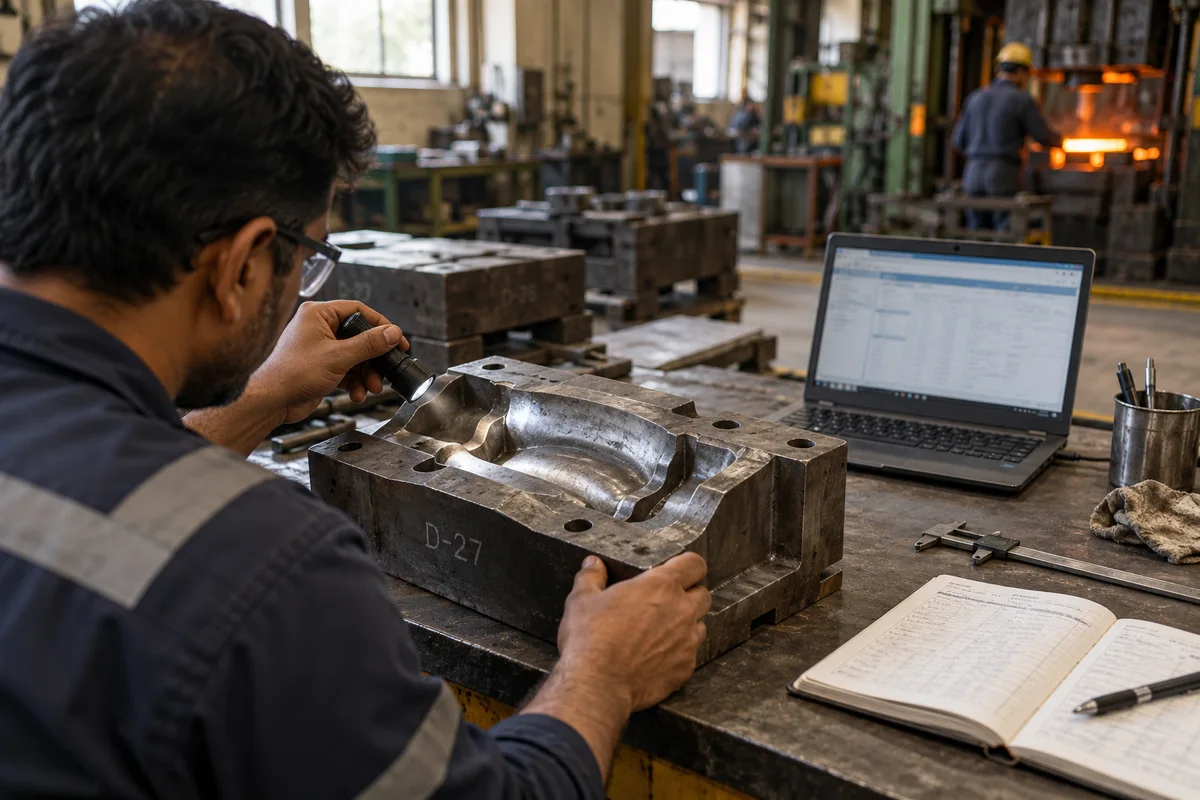
Ask die technicians for recent die problems and fixes, with the part, the symptom and what they did. Photograph the die or part with the senior's explanation.
2. Hold a monthly case review
Gather a technician, an operator, an inspector and a process engineer for thirty minutes. Walk through one case and agree what everyone should do next time.
3. Write one page notes
Capture each case on a page with the photo, cause and fix. Keep them where operators and technicians can read them. Learning programmes can set up a lasting library.
4. Explain why parameters matter
Run short sessions for operators on temperature, lubricant and stroke and what happens when each drifts. Link them to real defects from your own lots.
5. Sign off first-piece skills
Teach operators what the inspector checks and let them practise. Confirm each person for the parts they run, with a date and a name.
Check these first
Before changing anything, find out what is true today. Use your own records for a defined period and note gaps in the evidence. The review may take longer if records are incomplete or spread across teams.
- Ask your die technicians who else can diagnose a die problem
- Count how many written die notes exist and whether operators have seen them
- Compare the faults repeated across shifts in the last month
- Check which operators have been signed off for first-piece checks
GullyHR can do this with you. Read how we approach learning and development process in general, or share your requirements and we will tell you where to start.
Questions owners ask
From habit or from fear of being replaced, not ill will. Give them a recognised teaching role and credit, so sharing raises their standing instead of threatening it.
More than if they are simply told. People respect a rule when they have seen the defect it prevents. Use your own lot examples, not general ones.
Keep them short, place them where people work and refer to them in briefings. Review the pile quarterly and remove those that are out of date.
We set up the interview and hiring process for precision forging units
Every business interviews, but few have a written process that works the same way for every role and every interviewer. GullyHR designs yours, from the role brief to the offer, trains your managers to run it, and can run it for you on the roles you hand us.