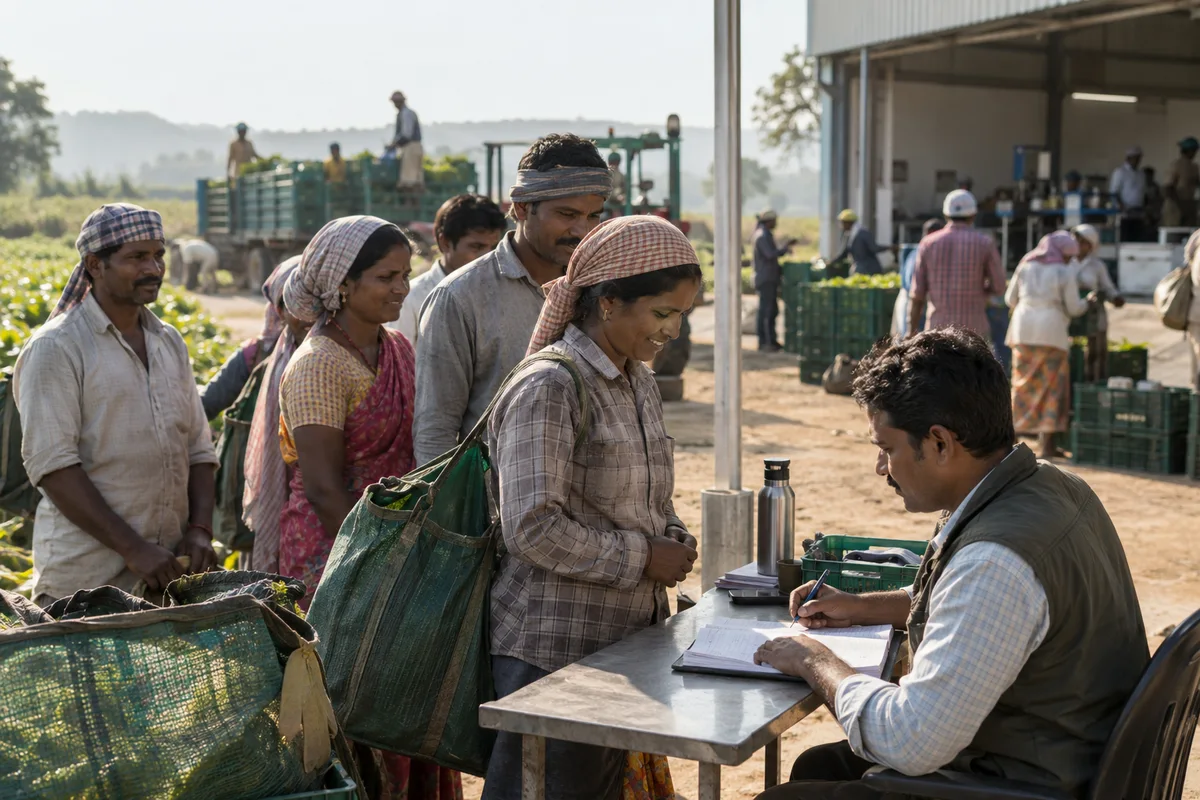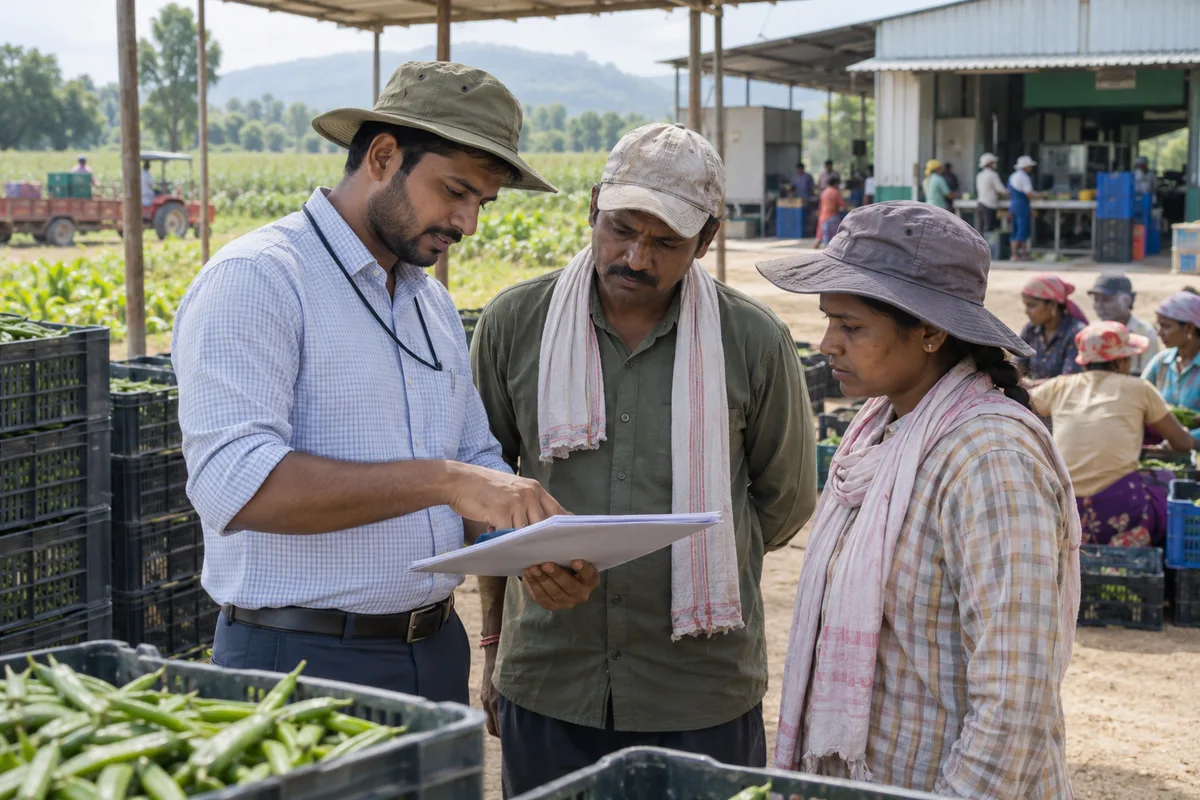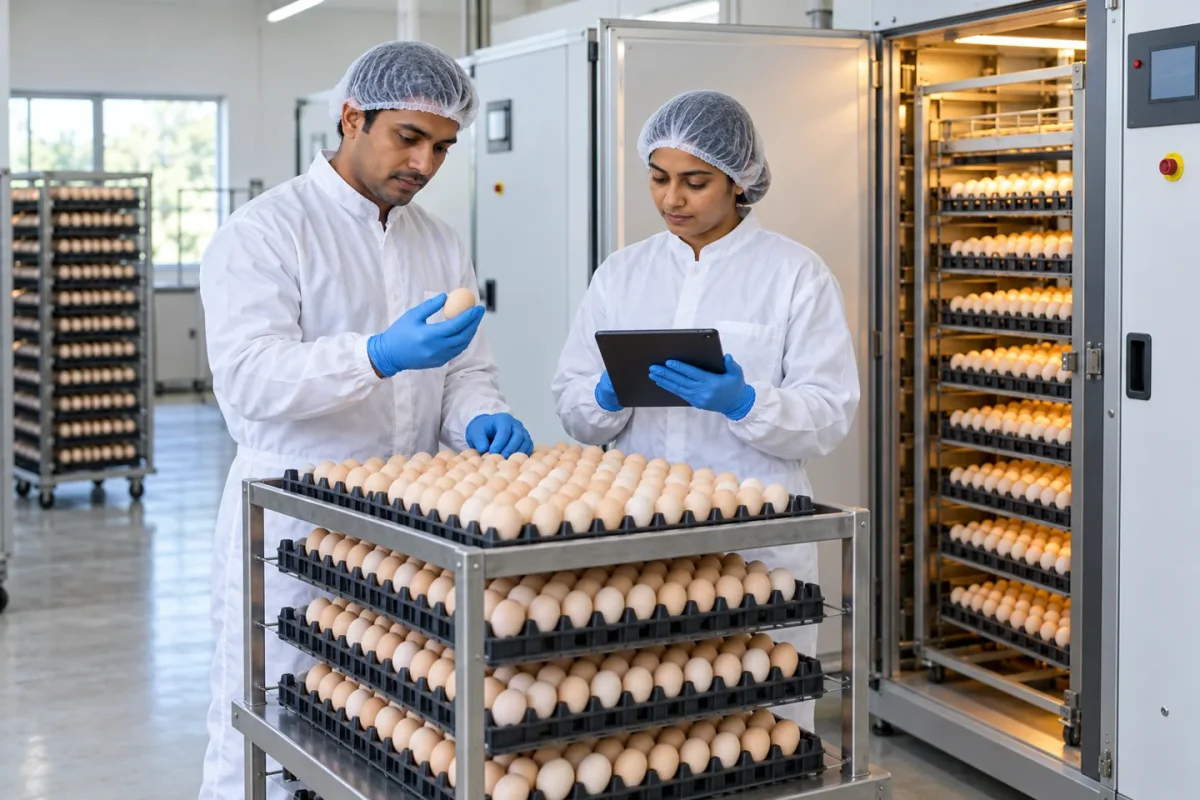
Suppose a broiler grower waves off two attendants before a festival, with chicks due a fortnight later. The return date passes, one phone is switched off, the other attendant has found work nearer home, and the supervisor is brooding a new lot with a stranger from the next village.
Why do shed attendants fail to return after a visit home?
A home visit is when a worker compares your farm with every other choice. Give people reasons to return: leave agreed early, pay settled clearly, decent quarters, real rest and someone who shows they expect them back. Start with the flock calendar and a leave list, then repair whatever people complain about on site.
Find out what is pushing people out
Before offering a bonus, list everyone who left over the last few lots: site, supervisor, months worked, living arrangement and the point in the cycle when they went. Ring those you can reach, ideally through someone who was not their boss. You are looking for repeated causes, such as one remote shed, one supervisor, night checks with no sleep afterwards, or money held back in a way nobody understood.
Ask current attendants too. A useful question is what they would change about last week. Expect small, concrete answers: the pump that fails, a leaking roof, a partner with nowhere private to stay, food money that arrives late. Rules that keep workers on the farm between lots for biosecurity reasons also deserve an honest look, since they affect family life.
Plan the next home visit like a lot
- 1
Lay out the calendar
Mark placement, vaccination, catching, clean-out and shed rest for each site, then add the festivals and sowing or harvest weeks your workers travel for. The clashes become visible while there is still time to move leave or arrange relief.
- 2
Collect leave wishes early
Ask each attendant when they want to go and for how long. Offer the rest period between lots where it suits them. When two people on one shed want the same dates, discuss it openly and note whose turn comes first next time.
- 3
Settle money before departure
Show what is due, what has been advanced and what will be paid on return. Give it in writing. Holding back earned pay to force a return damages trust and may break local rules.
- 4
Agree the return
Write the date, the travel plan, who pays what and a phone number for a relative. Ask the worker to call if plans change, and promise that a late call will not be punished.
- 5
Stay in touch
A supervisor sends a message midway through the leave and another before travel. If the answer is that the person will not return, you learn it in time to recruit and train someone.
Name: _______________________
Site and shed: ______________
Leaving on: _________________
Return by: __________________
Next lot arrives: ___________
Cover while away: ___________
Paid before leaving: ________
Due after return: ___________
Advance outstanding: ________
Travel paid by: _____________
Worker phone: _______________
Family phone (if agreed): ___
Supervisor will message on:
_____________________________
Both have read this: yes / noUse the first days back
The return deserves as much care as the departure. Greet the worker by name, confirm the money that was promised on return and pay it on the stated day. Walk the shed with them if equipment, feed or the entry steps changed while they were away. Ask whether anything at home affects the coming weeks, such as a family illness or a harvest, so the next leave request does not arrive as a surprise.
When someone does not come back, record why if you can learn it, close their account properly and keep the door open for a later lot. A worker who was paid correctly on leaving is easier to invite again, and is a better reference for your farm among neighbours at home.
Make staying worth it between visits
- A fixed rest day or block of rest that is honoured, with a relief attendant named.
- Quarters with safe water, a working toilet, ventilation, and distance from sheds as your veterinary adviser recommends.
- Pay on a known day, with a slip that shows any bonus and how lot results affected it.
- A visible next step, such as lead attendant or hatchery operator, with the skills needed to reach it.
- A second person to raise a complaint with when the supervisor is the problem.
Treat a lot bonus carefully. Mortality and feed conversion depend on chick quality, weather, power and disease as well as care. Tell attendants in advance which parts they influence, and avoid a scheme that tempts anyone to hide deaths. A structured look at employee retention and attrition separates the reasons you can change from the ones you can only plan around.
Give supervisors their part
A newly promoted supervisor needs to know that keeping people is part of the job. Ask for a short weekly note covering rest days taken or missed, repairs requested, pay queries and anyone who seems unsettled. Show them how to correct a recording error without shouting, and how to say what they cannot decide. Then act on the note. If repair requests disappear into silence, the supervisor stops passing them on and attendants stop raising them.
Next, make the entry routine the same for everyone
Returning workers and replacements are the moment when biosecurity slips. Ask your veterinarian or technical adviser to confirm the entry steps, including any waiting period after travel or contact with other birds. Show them at the shed door with pictures, have the newcomer perform them while the supervisor watches, and repeat the check on an ordinary tired afternoon. Supervisors must follow the same steps, or attendants will conclude the footbath is optional.
Then settle the night phone
For each site, write who holds the phone tonight, who comes if there is a power cut, fan fault or heat spell, and how the lost sleep is given back. Rotate it among trained people. An attendant who is silently on call every night has one more reason not to return.
Where to go next
See HR for poultry farms and hatcheries for supervisor training, hatchery shifts and lot staffing. If departures keep landing on placement week and you want help tracing why, tell us your requirements, including your sites, flock cycle and where workers travel home to.