
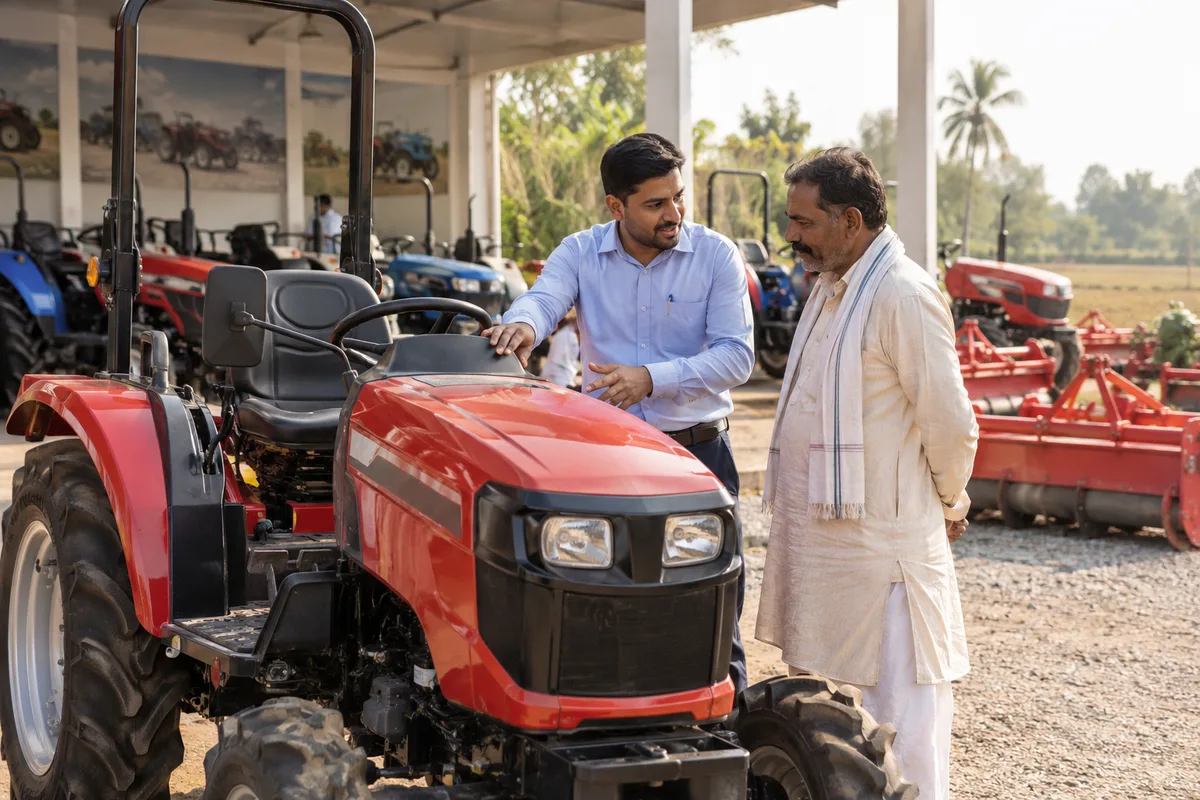
A candidate for field technician says with great confidence that tractor hydraulics are no problem. In the workshop, asked why a rear lift drops under load, the same person starts removing parts before checking the oil level or asking the operator anything.
Where do you find people, and how do you test them before hiring?
Look where farm and machine skill already gathers: technical colleges, rural repair workshops, farm families, previous helpers and referrals from your own staff. Then watch each shortlisted person do a short, safe slice of the real job. Score what they check, say and record, and make the offer on that evidence.
Sources worth working all year
An advertisement placed in the week you are short attracts whoever happens to be free. A better habit is to keep a few sources warm, so that names are already waiting when sowing approaches.
- Technical and trade colleges: offer workshop visits and supervised placements for diesel, fitting, electrical and pump trades. Ask instructors who turns up on time.
- Independent village mechanics and roadside workshops: they hold practical fault-finding skill. Be honest about paperwork, warranty procedure and job cards, which may be new to them.
- Farm families and tractor owners: strong candidates for demonstration, operating and sales roles, because they already know the crop calendar and how buying decisions are made at home.
- Past seasonal helpers, harvester crews and ground crews: keep a note of who you would take back, and for which role.
- Staff referrals: ask a good fitter or collector who they have worked beside. Test referred people exactly as you test strangers.
- Neighbouring trades: vehicle service, construction equipment, borewell and pump repair, and rural retail all produce transferable people.
Check agreements and fairness before approaching staff of a principal manufacturer or a neighbouring dealer. A reputation for raiding partners travels quickly in a small district.
Match the test to the role
Each test below takes a short sitting and uses equipment you already have. A supervisor stays beside the candidate and stops the exercise at the first unsafe action. Never use a customer's machine or ask for unpaid productive work.
- Service technician: set a known fault, such as a blocked fuel filter or loose electrical connection. Watch the order of checks and the questions asked about symptoms.
- Pre-delivery inspection staff: hand over a tractor or implement with several planted omissions and a checklist. See what is found and whether anything unchecked gets ticked.
- Rental operator or combine driver: after licence checks, a walk-round inspection, hitching and a short manoeuvre in a marked yard.
- Irrigation installer or designer: give a sketch of a field with water source and crop spacing. Ask for a layout, a materials list and the questions to put to the farmer.
- Field sales executive: a role play with a farmer who likes the implement but is waiting for crop payment. Listen for honest finance talk and a dated follow-up.
- Drone pilot: pre-flight checks, a plan around wires, trees, water and neighbouring crops, and one reason to postpone.
- Input counter staff: read a product label aloud, explain it to a customer and say what they would refer upwards rather than guess.
- Collection staff: handle a disputed balance using a sample ledger, keeping a calm record.
Run it the same way every time
- 1
Write the first-season tasks
Before advertising, the manager lists what the recruit must do alone by the first busy window and what stays supervised. Those lines become the test.
- 2
Screen with a short call
Ask about area covered, travel, licences, early and late working in season and expected pay. Say plainly that harvest weeks are long and what time off follows.
- 3
Hold the practical test
Use the same task, tools and time for everyone. One person supervises safety and another, where possible, takes notes.
- 4
Ask about a real past job
A repair that failed twice, a sale lost to credit, a crop damaged by a wrong setting. Ask what they did next and whom they told.
- 5
Check references and decide
With consent, speak to a former supervisor about attendance, cash, tools and customer conduct. Record the reason for each decision within a day of the test.
What to write down
Candidate and role:
Date, supervisor:
Licence seen (type, expiry):
Task set:
Asked about symptoms? Y / N
Checked safety first? Y / N
Order of work (what I saw):
Faults or items found:
Items missed:
Explained to farmer clearly?
Admitted not knowing? Y / N
Record or job card completed?
Safe to work alone on:
Needs supervision on:
Decision and reason:
First training task:
Judgement calls that matter
A candidate who says 'I have not seen that model, I would check the manual or ring the engineer' is showing you something valuable. Confident guessing costs repeat visits and warranty disputes. For sales roles, be wary of anyone who promises delivery dates, subsidy outcomes or loan approval during the role play; those promises will return to your counter.
Do not demand a college certificate where a demonstrated skill is what matters, unless a rule or manufacturer requirement calls for it. Do not run long unpaid trials. And move quickly after a good test: say when you will answer, then answer. Capable technicians have other places to go before the season. Rural candidates also weigh the practical offer, including a vehicle or travel claim, a phone, tools, rest after peak weeks and a named person who will teach them. Put those in the offer rather than leaving them to be discovered.
The first fortnight confirms the test
A short trial cannot show everything. Pair the recruit with the person who assessed them and revisit the record after the first farm visits. Watch whether job cards are completed on site, spares are returned, promised call-backs happen and the farmer is told plainly what remains to be done. Where a gap appears, name the training and the date to look again. If the same gap appears in several recruits, change the test or the advert, because the selection step is missing something.
Keep the records of unsuccessful candidates only as long as your local rules allow, and with their knowledge. A good applicant for helper may be ready for an operator or installer opening before the following season.
Where to go next
See the wider people picture for agricultural equipment and agri-services firms, or look at how a workforce and recruitment process sets roles, tests and decisions in order. Before writing a test, tighten the role description. To discuss permanent roles you need to fill, share your requirements.