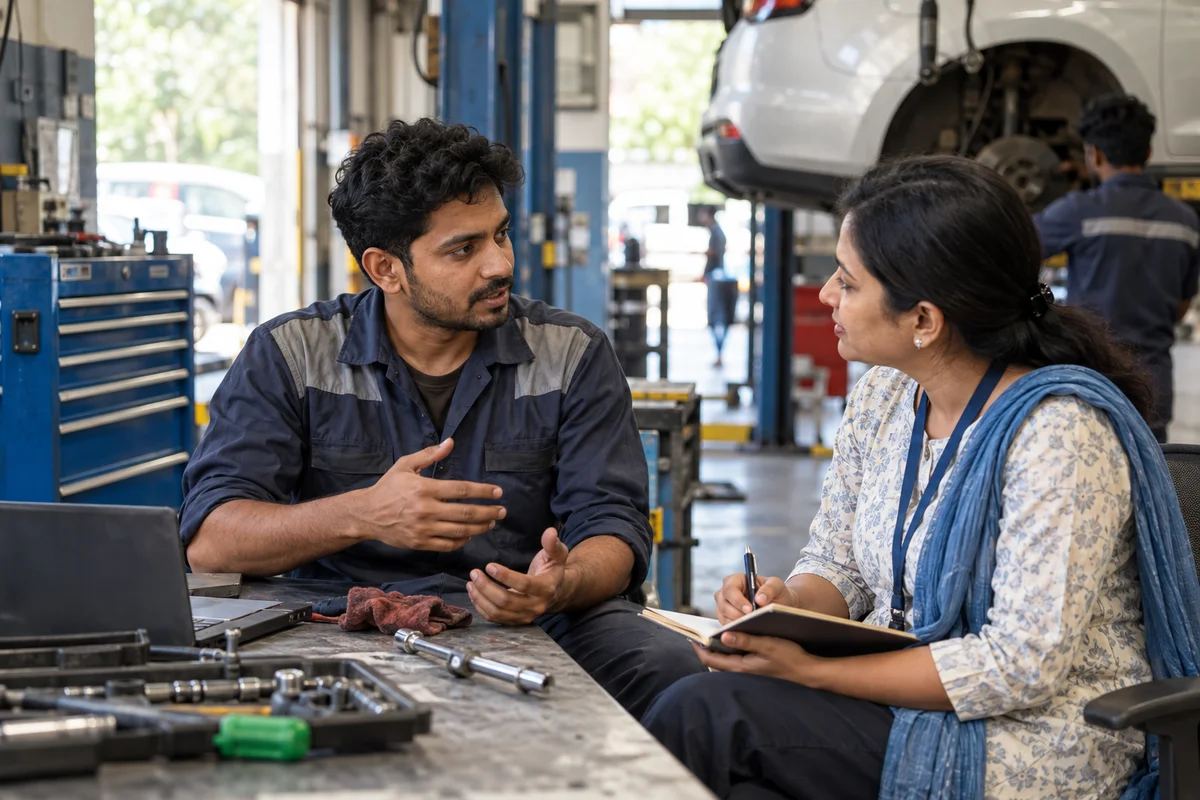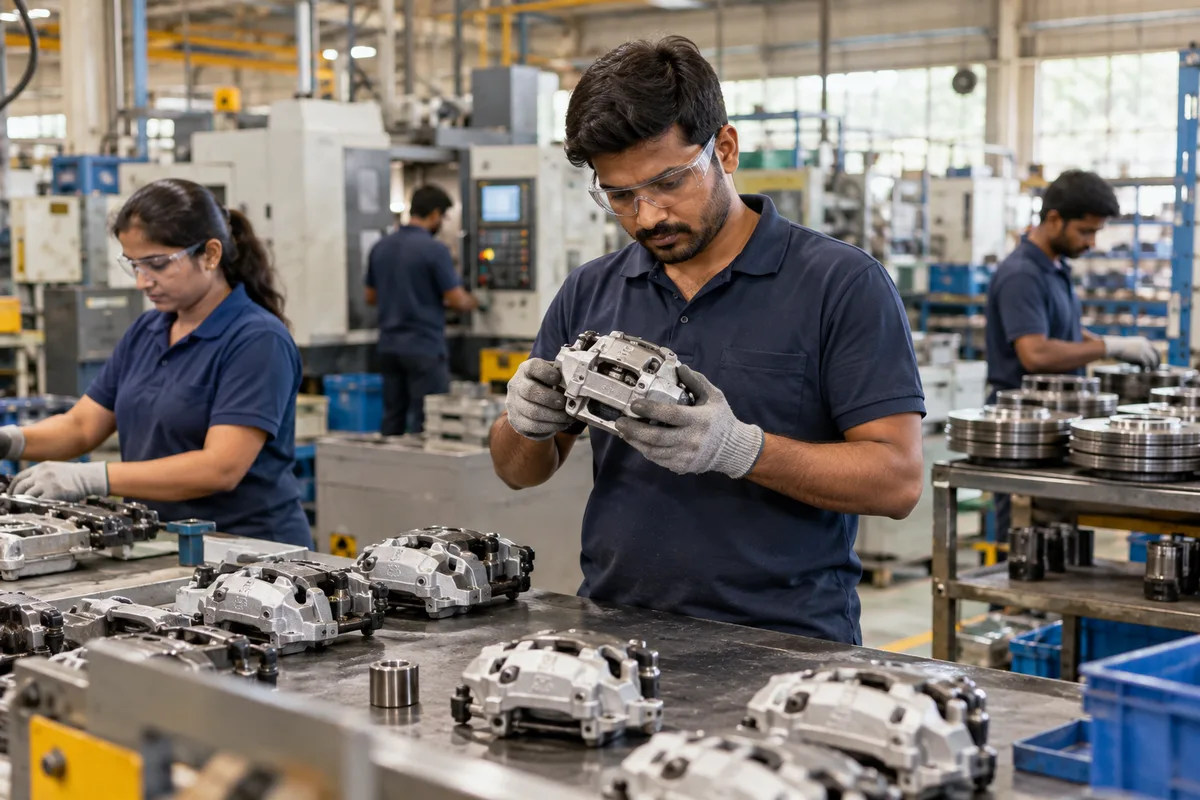
It is the morning after a festival weekend. The planner has the customer's call-off on the screen, the press is loaded with the right die, and the only operator approved to run that part has not arrived. The shift in-charge looks along the line for someone who has watched it done, and weighs putting them on.
How do you stop one person's absence from stopping a customer's line?
Build cover station by station, starting where a stoppage hurts the customer soonest. List the critical stations, record who is cleared on each shift, define the test for clearance, then train the next person during planned slots. Until cover exists, decide in writing what happens when the cleared operator is away.
Find the stations that deserve attention first
A plant-wide skill chart with every person against every machine looks thorough and takes weeks to fill. Begin smaller. Ask the planner which parts have the thinnest finished stock against the call-off, ask quality which stations produce the defects the customer notices, and ask maintenance which machines punish a wrong setting. The stations named twice are your first group. Five is enough.
For each one, count cleared people by shift. Three names look comfortable until you see that all of them work days, or that two are contractor-placed workers whose assignment ends with the order. Count a supervisor as cover only if they have run the station recently and are free to leave the rest of the line while doing it.
Station and part family:
Days of finished stock:
Cleared, shift A:
Cleared, shift B:
Cleared, shift C:
In training (name, stage):
Assessor:
Last run by each backup:
If nobody cleared is present:
  who decides:
  who tells the planner:
  who tells the customer:
Next review date:
Decide what cleared means before the next absence
In a hurry, cleared slides into meaning that someone stood beside the operator once. Write the standard on one page for each station. It should cover the guards, interlocks and emergency stop; the protective equipment; the start-up and first-piece checks; the self-inspection frequency and gauges; what to do with a suspect part; and the point at which the operator must stop and call. Add the signature of the person who watched them do it.
- 1
Induct on the hazards
Nobody touches the station until they have been shown its pinch points, isolation steps and emergency stop, and have shown them back. Record the date and the instructor.
- 2
Observe and explain
The trainee watches complete cycles, a changeover and a first-piece approval, then explains each check and why it exists.
- 3
Run under supervision
The trainee runs while a cleared person stays within reach. Record the shifts and any rejects, near misses or stoppages.
- 4
Assess with a second person
Someone other than the trainer, from quality or engineering, watches the work and asks what the trainee would do with a bad part, an odd sound or a missing gauge.
- 5
Keep it current
A backup who has not run the station for a while has lost their hand. Roster each one on it at set intervals, and reassess after a long gap, an incident or a process change.
Where does the training time come from?
This is the point at which cover plans die. Training needs a machine, a trainer and scrap allowance, and the schedule claims all of them. Put practice slots into the weekly production plan as if they were orders, signed off by the production head. Choose runs with stable parts and enough stock behind them. Do not use night overtime at the end of a heavy week, when tired people learn badly and get hurt.
Ask the trainer what they need as well. A skilled operator who fears being replaced once someone else can run the station will teach slowly. Say plainly why the plant needs a backup, give recognition for each person they bring to clearance, and offer them something to grow into, such as setting, first-off approval or leading the line.
What to do while only one person is cleared
- Agree with the planner how much finished stock that station should hold, and replenish it while the operator is present.
- Plan the operator's leave in advance, and run ahead before it.
- Name who may stop the station from running when nobody cleared is present, and back that decision even when dispatch is waiting.
- Tell the customer contact early if a call-off is at risk, rather than after the vehicle has left without the parts.
The third line matters. An uncleared person on a press during a panic is the worst outcome available, worse than a late dispatch. The shift in-charge needs to know that refusing to improvise will not be held against them.
Then fix handover, then settings
With backups in training, add a one-page shift handover for each critical station: running part, defect seen, adjustment made, maintenance raised, trainee status. The incoming leader reads and initials it at the machine. Defects that used to travel as a remark at the gate now have an owner on the next shift.
Next, take the die-setter's or lead welder's knowledge out of one head. Record parameters, shim and fixture positions, the sequence of changeover and the symptoms that tell them something is drifting. Let a junior set from the sheet while the expert watches, and correct the sheet wherever the junior goes wrong. A document that nobody has set from is untested.
Check the sheet at the start of every shift
A cover record earns its keep at the line, in the first minutes of a shift. The in-charge compares who has arrived with the stations scheduled to run, before the die is loaded or the fixture is set. If a critical station has no cleared person, they follow the written fallback: call the named backup, resequence to a part with cover, draw down finished stock or escalate to the planner. Record which option was used. A month of those notes shows which station to train on next far better than anyone's impression.
What can wait
Skill software, colour-coded grade boards for every employee, a classroom calendar and a new appraisal form can all come later. Buying a system before supervisors keep five sheets current only moves the blank spaces onto a screen. Pay changes linked to multi-skilling deserve thought, but settle the standard for clearance first, or you will be paying for signatures.
Where to go next
The page on HR for auto manufacturing plants covers handover, overtime and trainee retention alongside station cover. If induction and clearance records are the weak point, read about safety induction, training records and incident reporting. To discuss your own stations and shifts, tell us what you need.