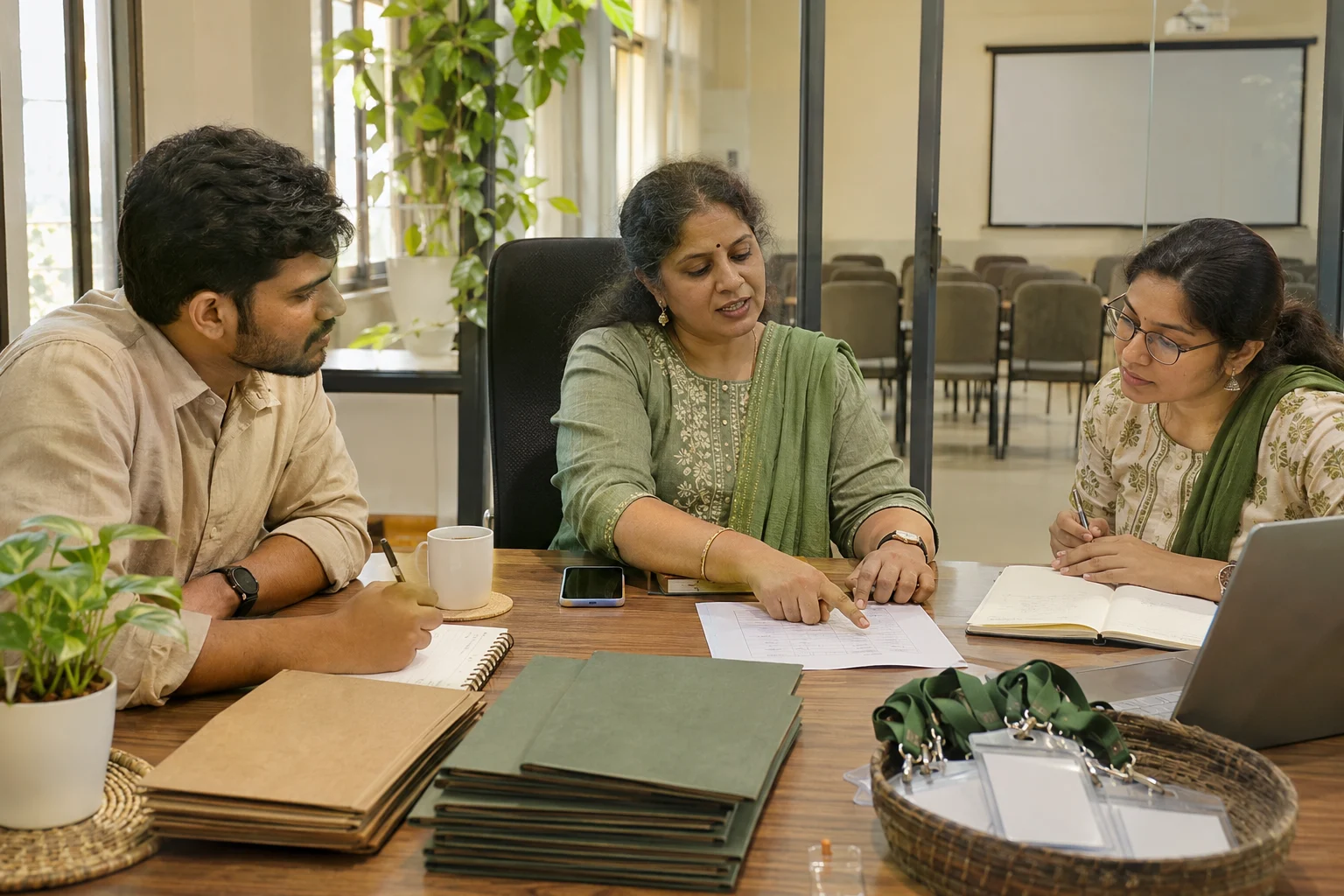
GullyHR designs and facilitates this programme against a change your business has actually been through. We collect the examples, agree which modules the cohort needs, facilitate the sessions, and hand back a personal method for meeting a change and recovering from a setback. You name the change or the pressure honestly, nominate participants, release them for the full session and keep talking to the team about the change afterwards. It runs as a customised training programme, scoped and agreed before anything is scheduled.
Change lands better once people understand their own reaction to it.
The stages people move through when a change is announced, why resistance is a normal first reaction rather than a character defect, and what actually shortens the distance between the announcement and the work.
Learning agility is picking something up without waiting to be taught it all.
Working out a new tool, process or expectation through trial, observation and asking for help early, instead of standing still until formal training arrives, which in a small company may never happen.
Resilience is a practice, not a personality trait you either have or do not.
Habits that keep a person functioning through a difficult stretch: pacing effort, asking for support before it is urgent, separating what can be controlled from what cannot, and protecting sleep and attention during a peak.
Pressure gets managed before it turns into exhaustion.
Recognising the early signs of strain in yourself and in the colleague beside you, techniques for sustaining effort through a demanding period, and knowing when to raise a load rather than absorb it silently.
Uncertainty is worked with rather than waited out.
Making a reasonable decision on incomplete information, sitting with an unclear situation without inventing a false certainty, and telling people honestly what is not yet known instead of going quiet.
A growth mindset treats a gap as something to close, not a verdict.
Taking a skill gap or a poor result as information rather than a judgement on the person, and building the habit of treating effort and feedback as how ability is actually built.
Accountability holds even when the ground has moved.
Owning a commitment after the plan around it has changed, flagging early when a shifted situation puts a date at risk, and not using the change itself as the reason for disengaging.
A setback is recovered from with a method, not with time alone.
Separating the event from the story being told about it, taking a genuine lesson without dwelling on it, and rebuilding confidence through a deliberately chosen next step rather than through avoidance.