
Communication skills training for Bridal Studios: talking with brides, families and guests
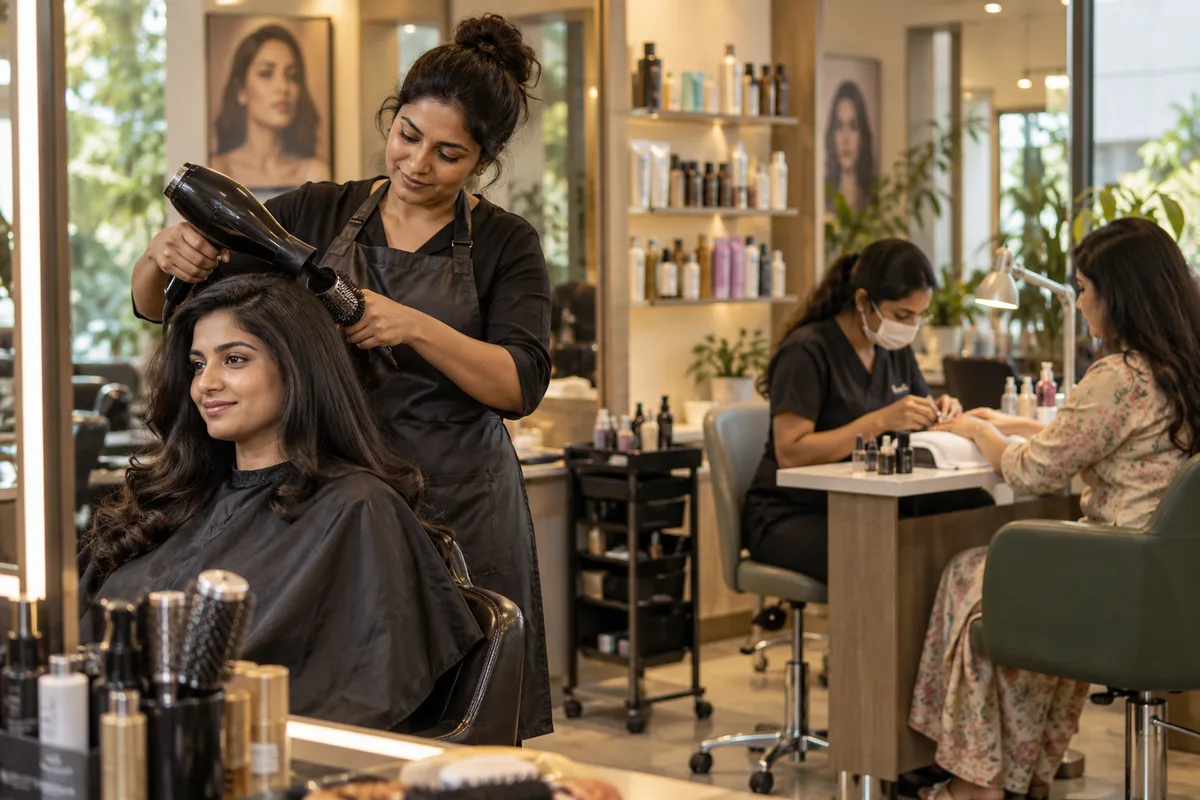
A bridal studio sells confidence on a stressful day. Artists and coordinators need to listen, set expectations kindly and handle a nervous family without losing time.
Not sure what you need? Tell us about your business in six short steps and we will come to the first meeting prepared.
Share your requirementsWhy communication skills training matters in bridal studios
A bride arrives with a photo, a mother-in-law's opinion and a tight timetable. The artist must understand the look, say what is possible, keep calm when changes come and keep the schedule. A careless remark or a rushed reply can turn into a story told across the wedding.
Communication training for this setting is practical. It covers the trial conversation, the wedding-morning brief, polite ways to say no to extra requests and handling a family member who wants to take over. Role play with real scenes from past weddings is the most useful method. Imagine a mother who asks for a different lip colour ten minutes before the procession: an artist with a calm, practised reply saves both time and mood.
Bridal bookings are large and carry family emotion. Some bookings are made through relatives, and the same artist may meet a bride, the bride's mother and a planner with different views. Clear communication prevents last-minute changes and unhappy reviews.
How to set it up
1. List the hard conversations
Changes at the last minute, a look that does not suit, a late guest and a family argument. Use real examples from your studio.
2. Teach the trial conversation
Ask open questions, show reference photos, agree the look and write it down. Check back at the end of the trial.
3. Practise saying no kindly
Role play requests for extra services, changed timings and guests who ask for free touch-ups. Agree wording that keeps the bride calm.
4. Brief the wedding morning
A two-minute chat on timings, who does what and a signal if help is needed. Artists and coordinator use the same script.
5. Review after each peak
What was said, what helped and what to avoid. See more in communication skills training.
6. Practise handling multiple decision makers
Role-play a bride, the bride's mother and a friend giving different instructions, and teach the artist how to confirm who decides.
7. Rehearse the day-of timetable talk
Teach coordinators to share timings with the family clearly, and to announce delays calmly with a revised plan.
Check these first
Before changing anything, find out what is true today. Use your own records for a defined period and note gaps in the evidence. The review may take longer if records are incomplete or spread across teams.
- Ask artists about the hardest conversation of last season.
- Check whether looks agreed at trials are written down.
- Listen to how the coordinator handles a change request.
- Find out if briefs are given on the morning or assumed.
- Read the last few reviews and note which mention conversation or attitude rather than the look.
GullyHR can do this with you. Read how we approach communication skills training in general, or share your requirements and we will tell you where to start.
Questions owners ask
Yes, the practical parts. Listening, clarifying a request and handling a change can be practised with real cases. Natural warmth varies, but habits can be built.
Stay polite, return to the bride's agreed look and involve the coordinator if needed. Practise the wording so it is ready when the pressure comes.
Yes. They hold the schedule and the first conversation, and a clear, kind coordinator saves artists a great deal of friction.
Show what is possible with photos from your own work, explain why, and offer the nearest alternative. Do it at the trial, not on the wedding morning.
Agree the schedule in writing at booking, remind the family the day before and explain what will be shortened if they are late.
We set up the interview and hiring process for bridal studios
Every business interviews, but few have a written process that works the same way for every role and every interviewer. GullyHR designs yours, from the role brief to the offer, trains your managers to run it, and can run it for you on the roles you hand us.